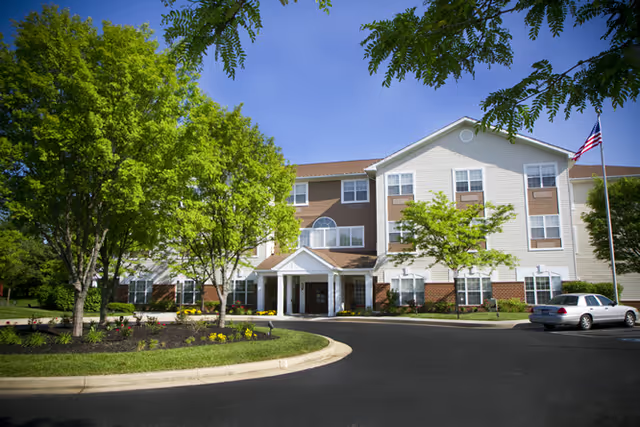
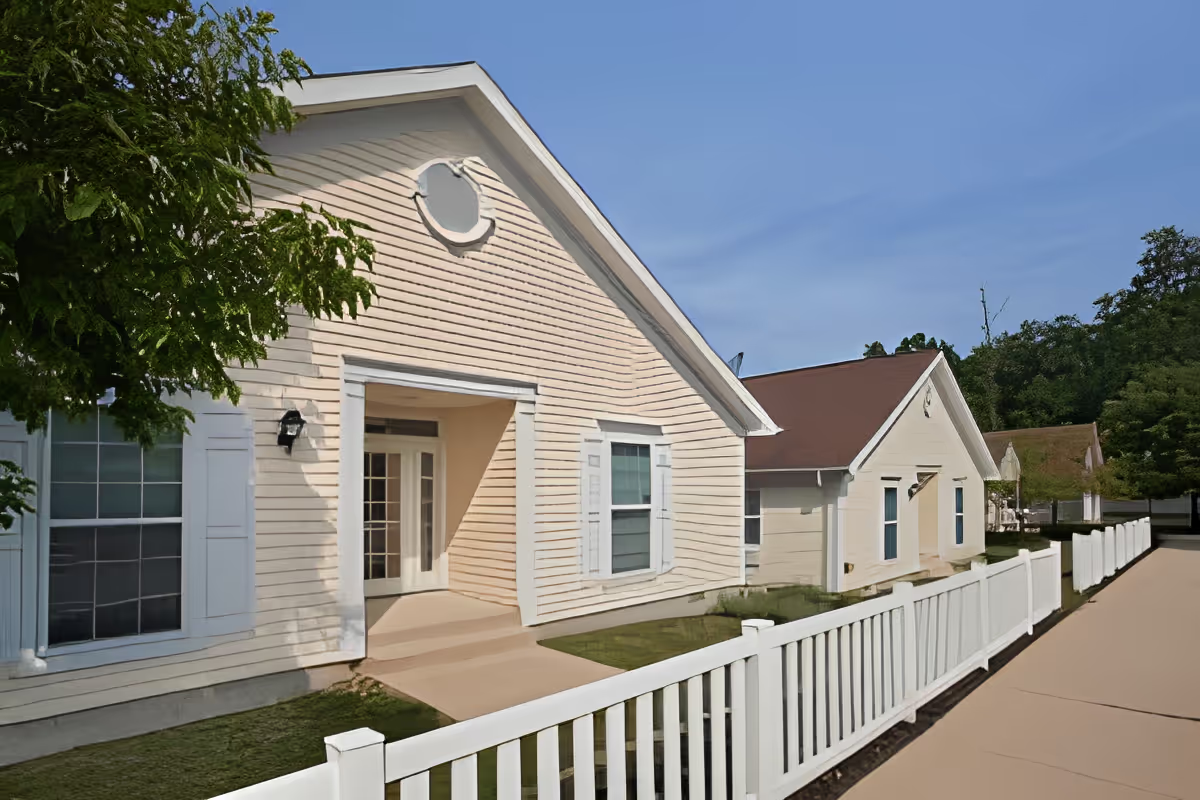
Morningside House of Satyr Hill elicits a broadly mixed but informative picture. Many families and residents praise the facility’s welcoming atmosphere, noting consistently friendly front-desk staff, long-tenured caregivers, and a family-like culture that supports residents’ social engagement. The building and grounds are frequently described as clean, well-maintained, and attractive, and reviewers commonly highlight on-site amenities such as salon services, a library, and accessible outdoor seating. On the clinical side, on-site physical therapy and regular nursing presence are strengths cited by multiple observers, and the memory-care unit is intentionally separated with specific programming to reduce wandering risks.
Life-enrichment and activities are a clear positive: reviewers report a wide range of programs (music, Tai Chi, crafts, outings, and themed events), active engagement by staff, and transportation for local trips. Dining impressions are mixed—several reviewers praise holiday meals, accommodating chefs, and the availability of take-home lunches, while others raise concerns about inconsistent meal quality, limited menu items at times, and a shift away from in-room snack or beverage service that used to be available.
Operationally, recurring patterns of concern emerge. Staffing consistency is a major theme: reviewers describe frequent redeployments, reliance on agency aides, and times when units are staffed thinly, which correlates with reports of delayed responses, unfinished housekeeping tasks, and lapses in routine care. Several families raised issues that suggest gaps in medication administration and clinical follow-through, alongside examples of delayed emergency responses; these point to uneven clinical processes rather than an absence of clinical resources. Communication between families and the caregiving team also appears inconsistent—some families receive frequent updates and quick issue resolution, while others report difficulty reaching leadership, unclear aide assignments, and limited or unreliable video-call options.
Housekeeping and personal-services reliability show variability across reports. While common areas are often described as spotless, some accounts describe missed bed changes, laundry mix-ups, and untidy private spaces, indicating inconsistency in daily-room services. Management and policy changes over time are another theme: some reviewers describe strong, proactive leadership and effective resolution of issues, whereas others describe service cutbacks, price increases, and reduced amenities that have affected perceived value. A formal complaint that resulted in a regulatory deficiency is mentioned in reviews and suggests that at least one concern reached the level of external oversight.
For prospective residents and families, the facility offers many substantive strengths—well-kept grounds, extensive activities, on-site therapy, and staff who in many cases provide compassionate, personalized care. The trade-offs to evaluate further on a tour or through direct questions are operational consistency: ask about typical staffing ratios by shift and unit, medication-administration protocols and audit practices, housekeeping schedules, meal-sourcing and menu consistency, billing transparency, and the facility’s recent regulatory history and corrective actions. Observing a mealtime, touring both assisted-living and memory-care dining rooms, and requesting examples of family communication practices will help determine whether the positive patterns seen by many reviewers align with your specific expectations and care needs.