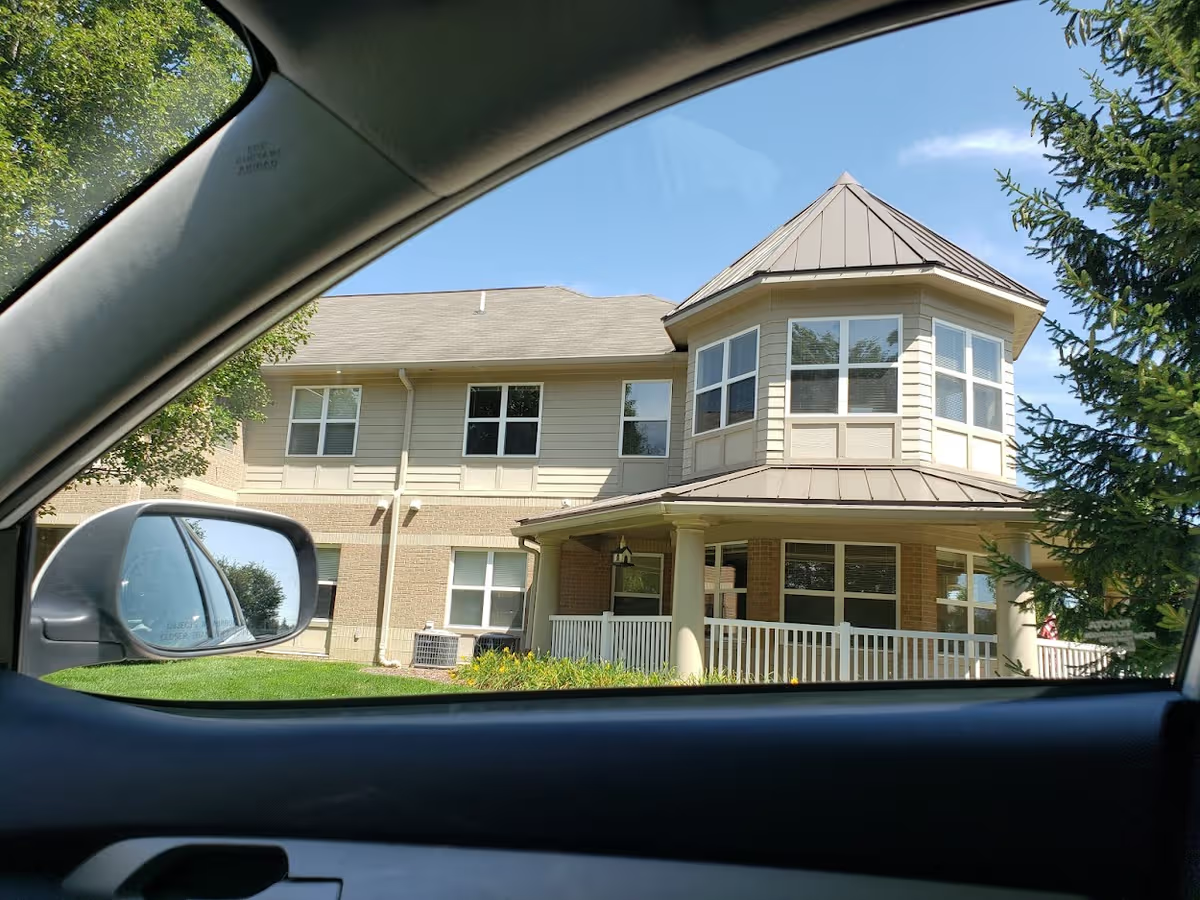
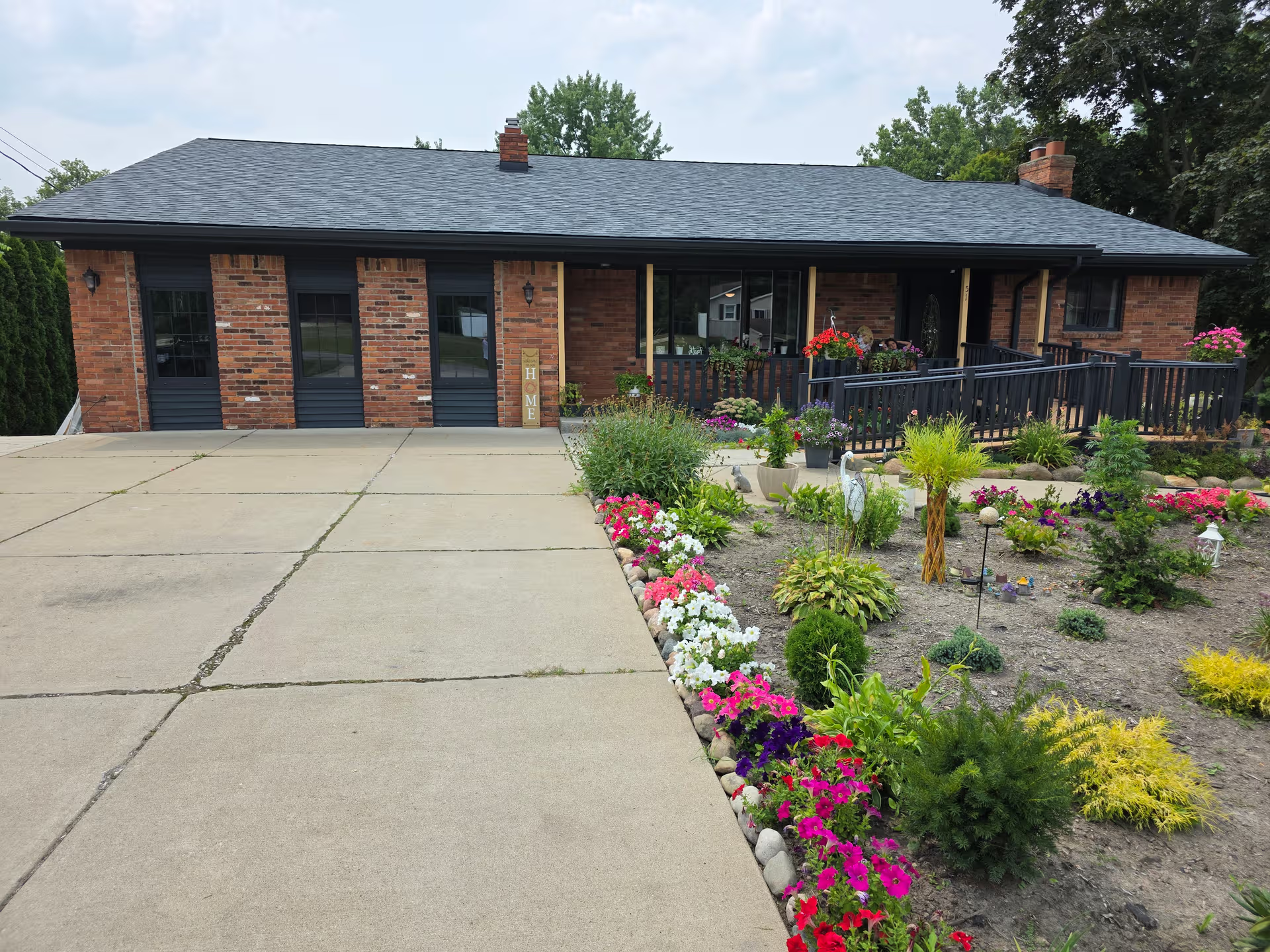
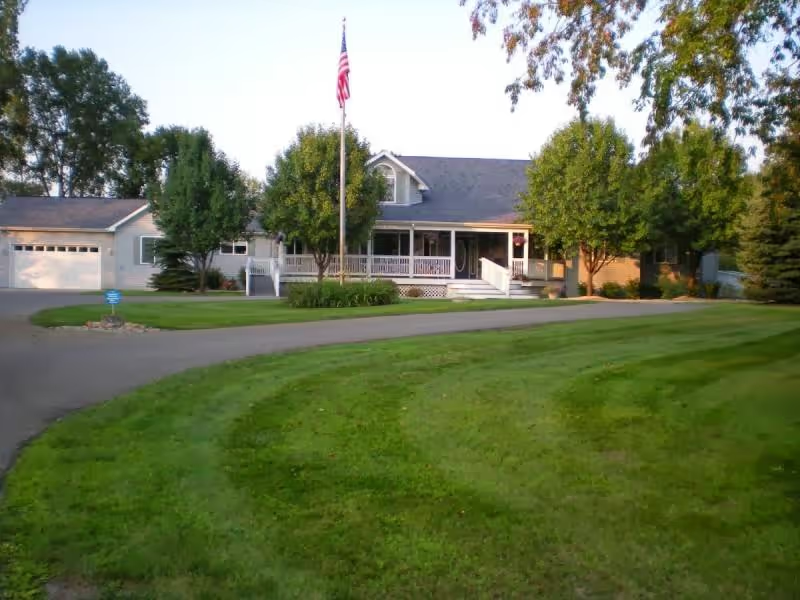
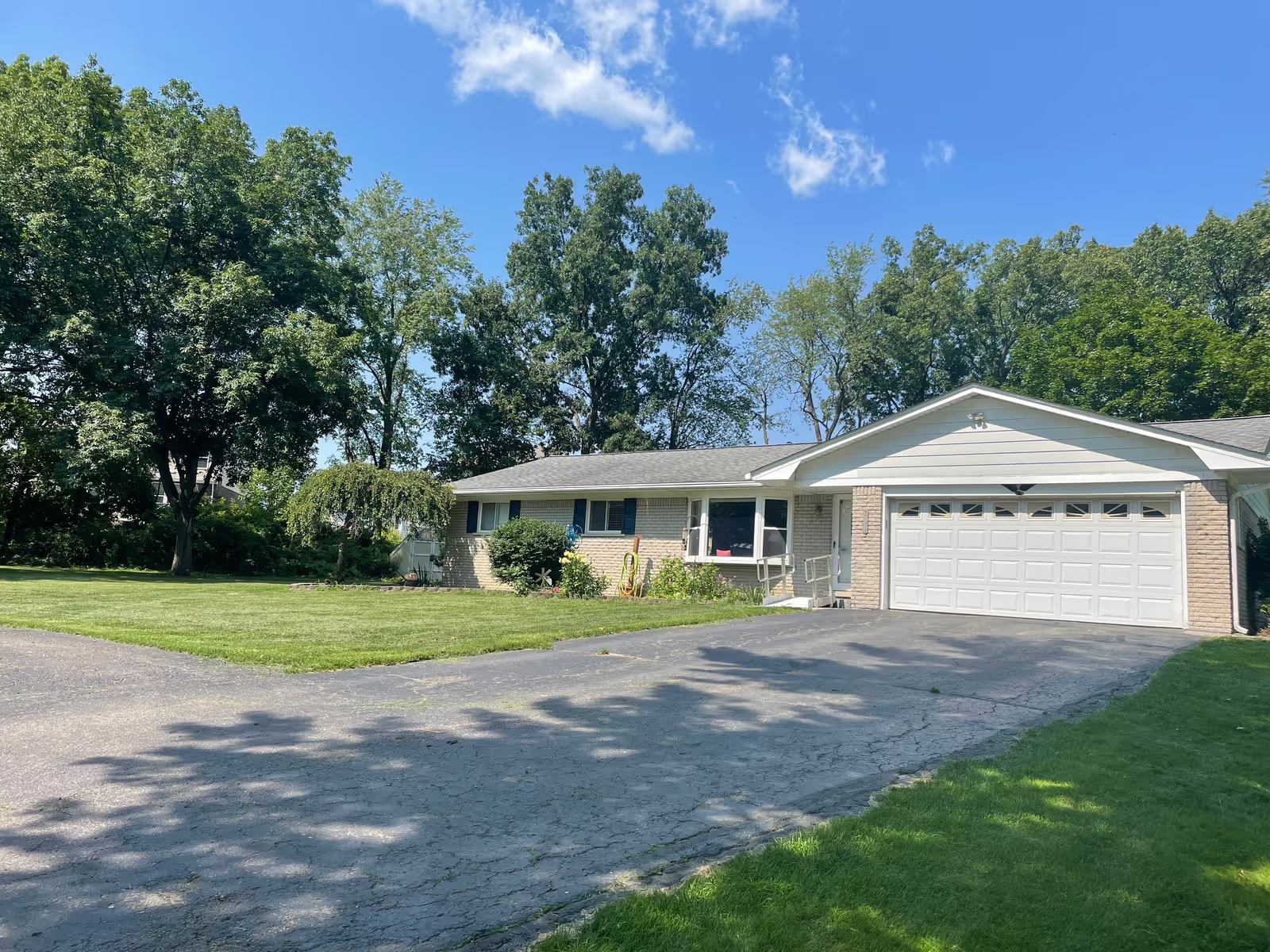
Ashley Court of Brighton receives many positive assessments from families who describe a warm, home-like memory-care community with caring staff, a strong activity program, and reassuring support during difficult transitions. Long-term family accounts often report that residents become comfortable there and are treated with patience and dignity. Other accounts are substantially more critical, describing uneven care and operational concerns. Experiences appear to vary by time, building, resident needs, and staffing conditions, so an in-person visit and detailed questions about current practices are important.
Staff and care quality are the most prominent themes. Many families praise caregivers, nurses, and activity staff for knowing residents personally, responding to requests, communicating changes, and supporting families. Several describe helpful medication management, medical follow-up, and coordination with hospice. Conversely, critical accounts raise concerns about staffing levels, staff turnover, temporary coverage, training, and caregiver availability. They also describe inconsistent follow-through with personal care, including bathing, grooming, and oral care, as well as concerns about medication oversight and communication when a resident's condition changes. Some accounts describe serious fall-related injuries and raise questions about supervision, transfer safety, and follow-up. A review also describes difficulty accessing nursing and rehabilitation support outside weekday hours; families should clarify the scope of clinical care available at all times and how the community responds when needs increase.
Activities are a notable strength in many accounts. Families and volunteers describe frequent options such as exercise, bowling, bingo, crafts, music, celebrations, outdoor events, and religious services. Several note that activities are adapted to residents' abilities and that staff encourage participation without requiring it. Other accounts find activities inconsistent, poorly organized, or insufficiently engaging, suggesting that quality and fit may vary. The multi-building arrangement, with buildings intended for different levels of dementia-related support, is valued by families who say it helps align activities and care with residents' needs; some accounts, however, report concerns about care consistency between buildings.
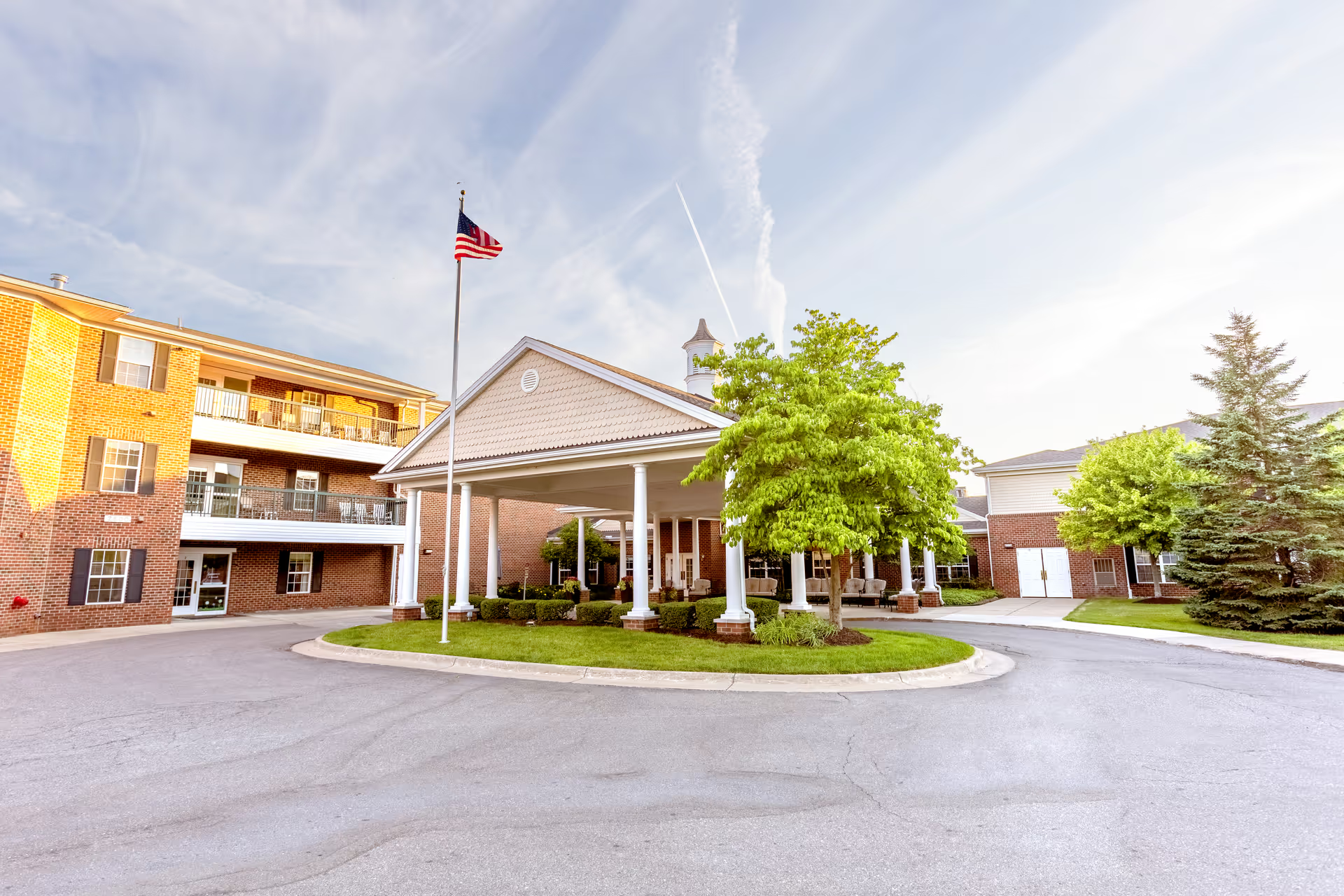
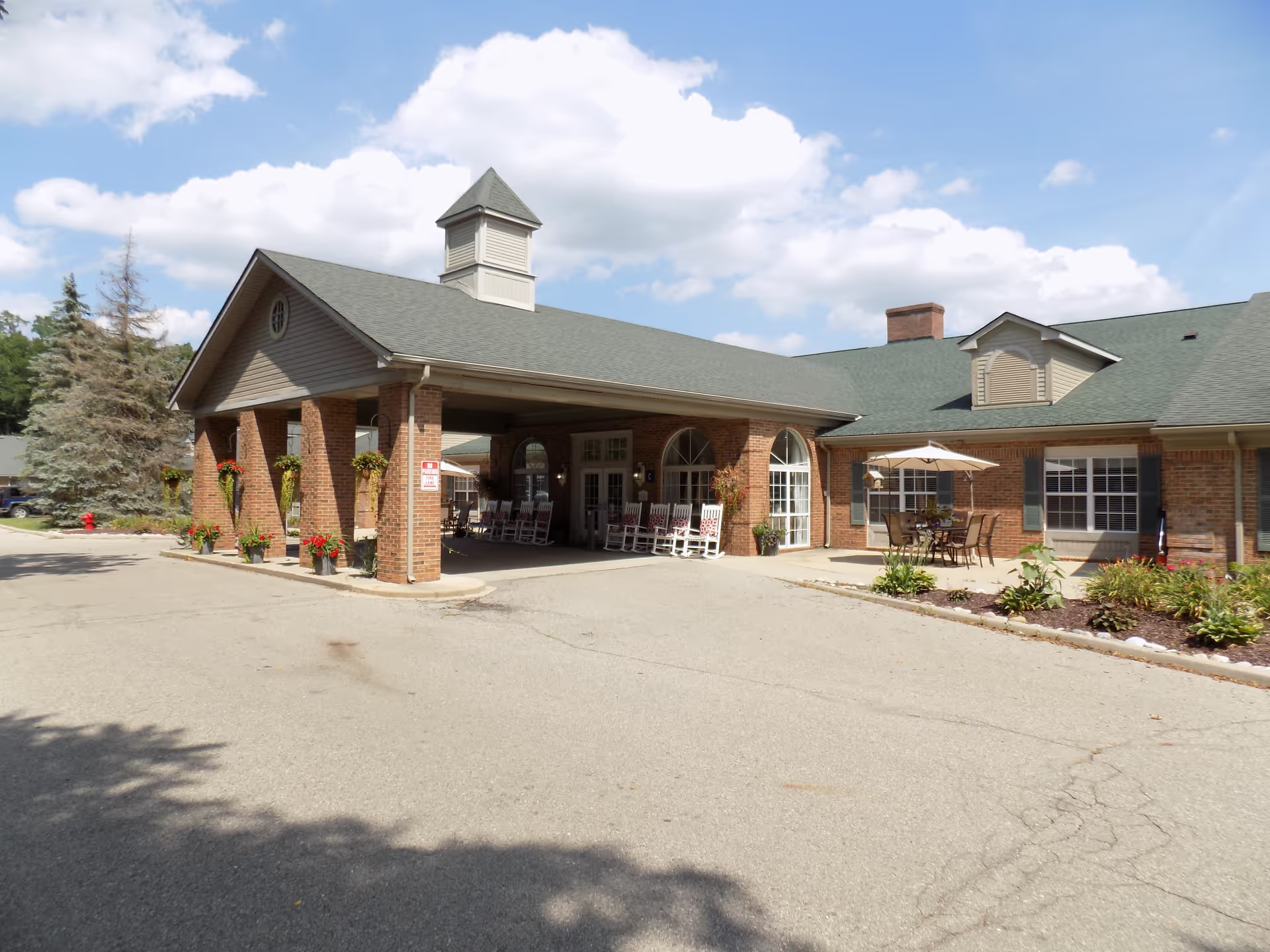
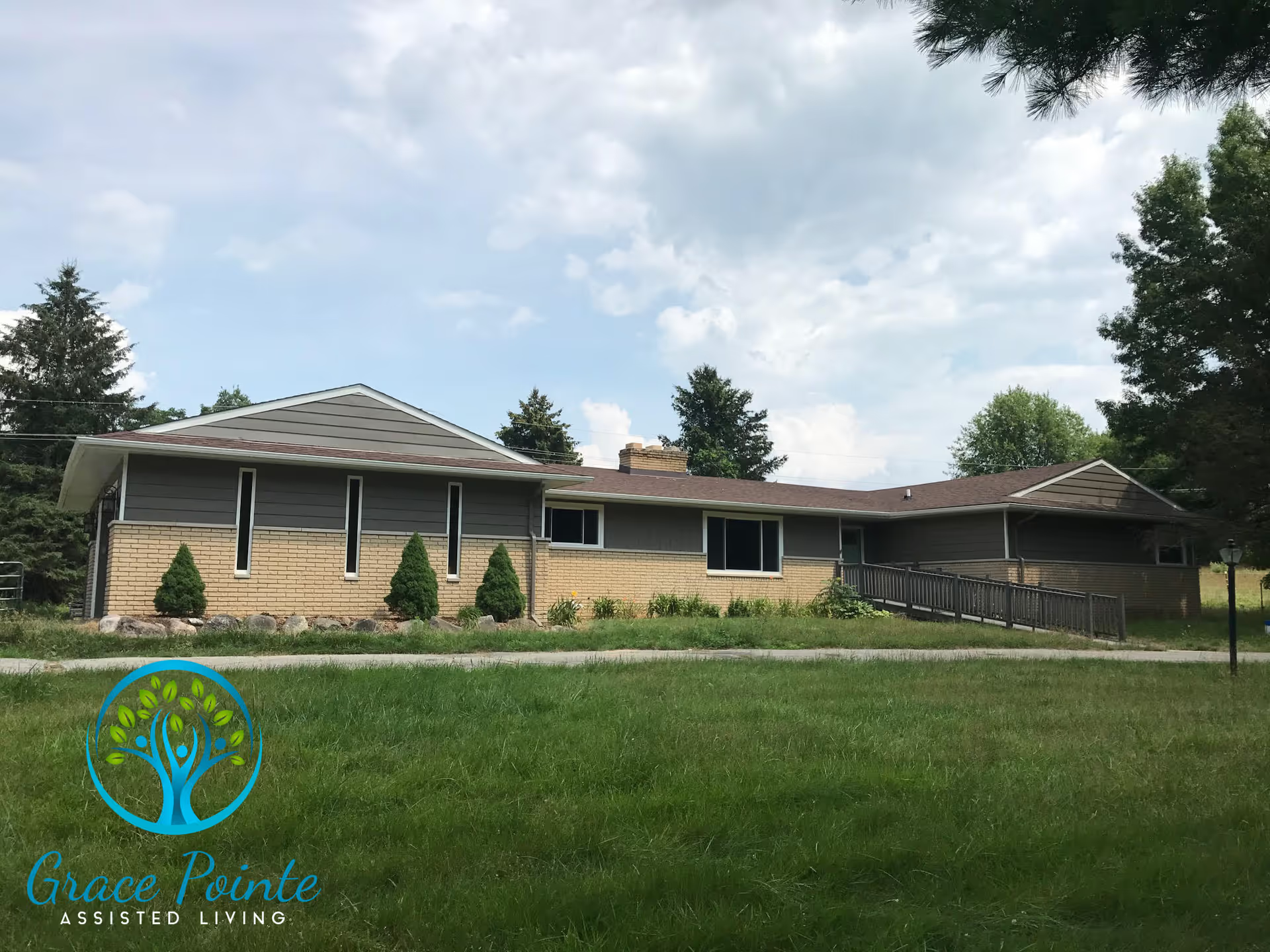
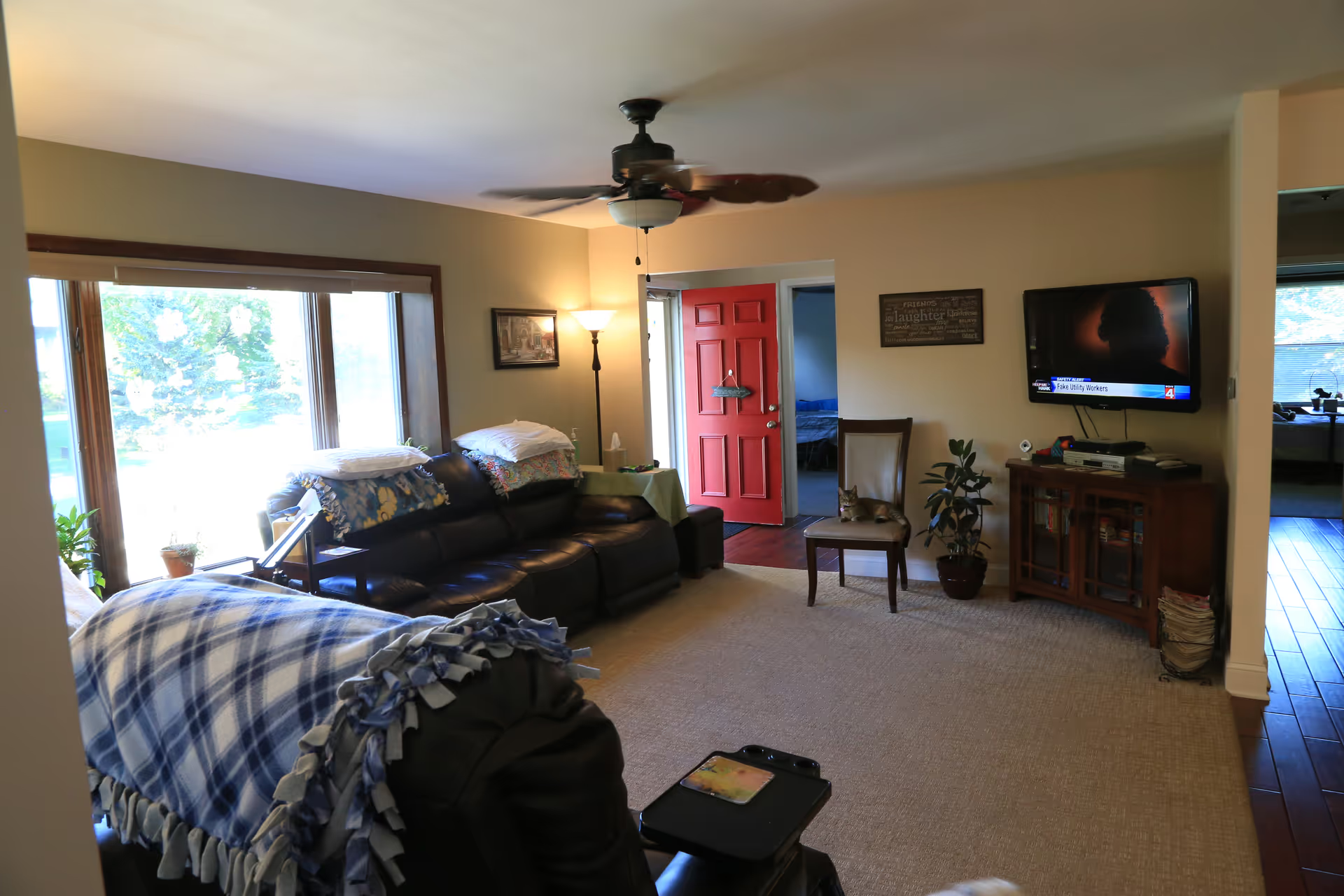
Dining feedback is mixed. Positive comments mention meals prepared on site, shared meals, and plentiful or appealing food. Other families cite limited variety, inconsistent quality, or concerns about presentation. The physical environment is often described as clean, welcoming, and peaceful, with landscaped grounds, outdoor areas, and rooms that some families find comfortable and appropriately sized. Other accounts point to aging finishes, room-condition or maintenance issues, small bathrooms that may be difficult for residents with mobility equipment, and occasional cleanliness concerns. The community is frequently characterized as functional and home-like rather than upscale.
Management and administrative experiences also vary. Some families praise accessible leaders, helpful admissions staff, and clear support during transitions; others describe difficulty reaching staff, inconsistent onboarding or follow-up, and concerns about billing, fees, or rate changes. A small number of highly critical accounts refer to state licensing complaints or investigations; families considering the community may wish to review current public licensing information directly. Overall, the reviews portray a facility with substantial strengths in personal connection, activities, and family support, alongside meaningful concerns about staffing consistency, clinical follow-through, communication, dining, and the reliability of care across shifts and buildings.