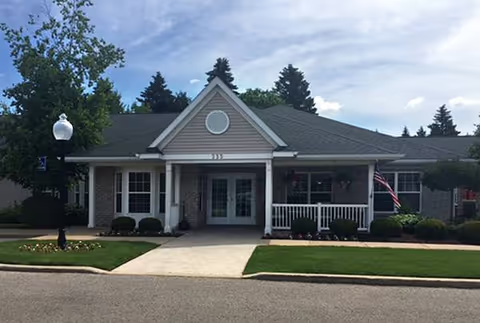
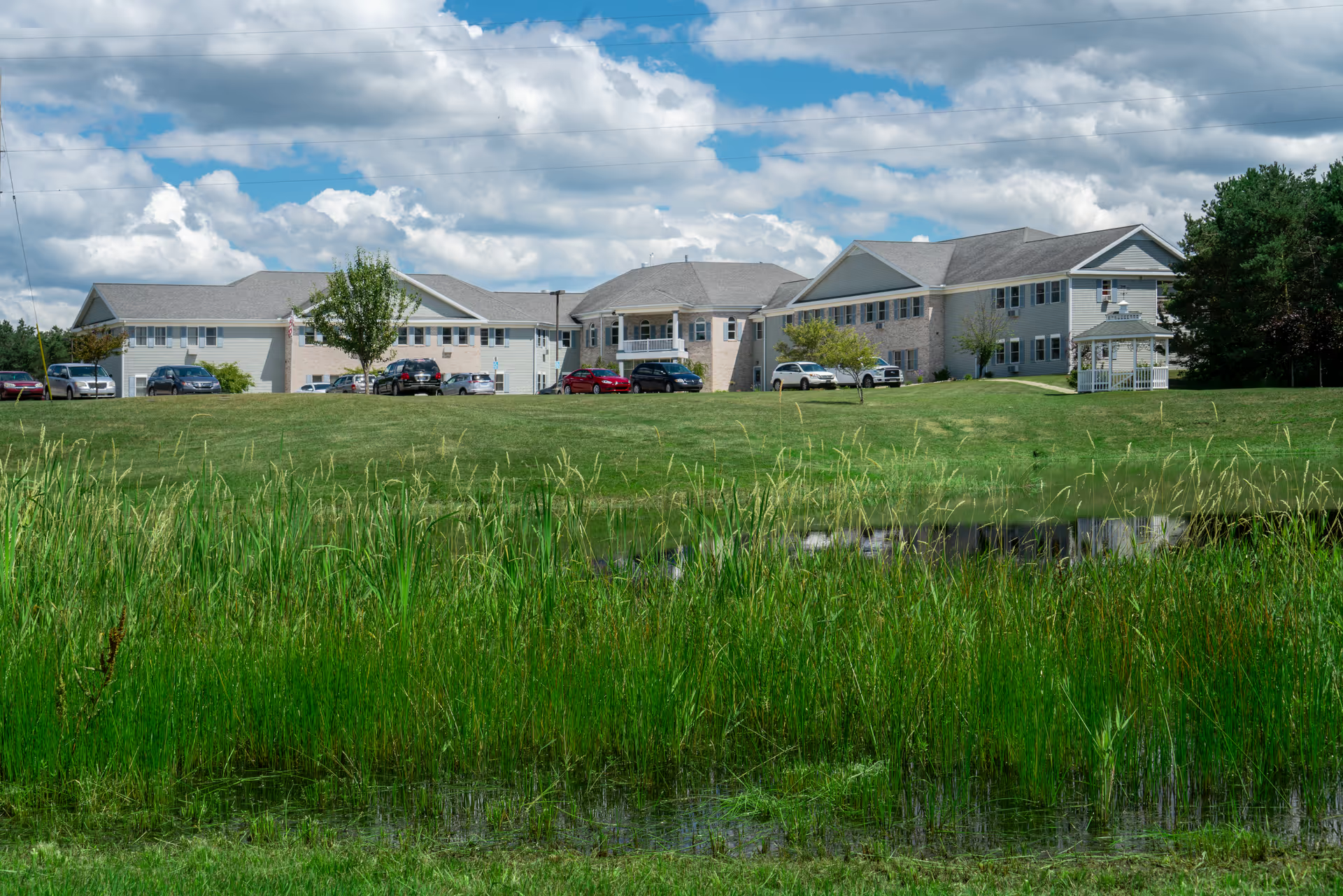
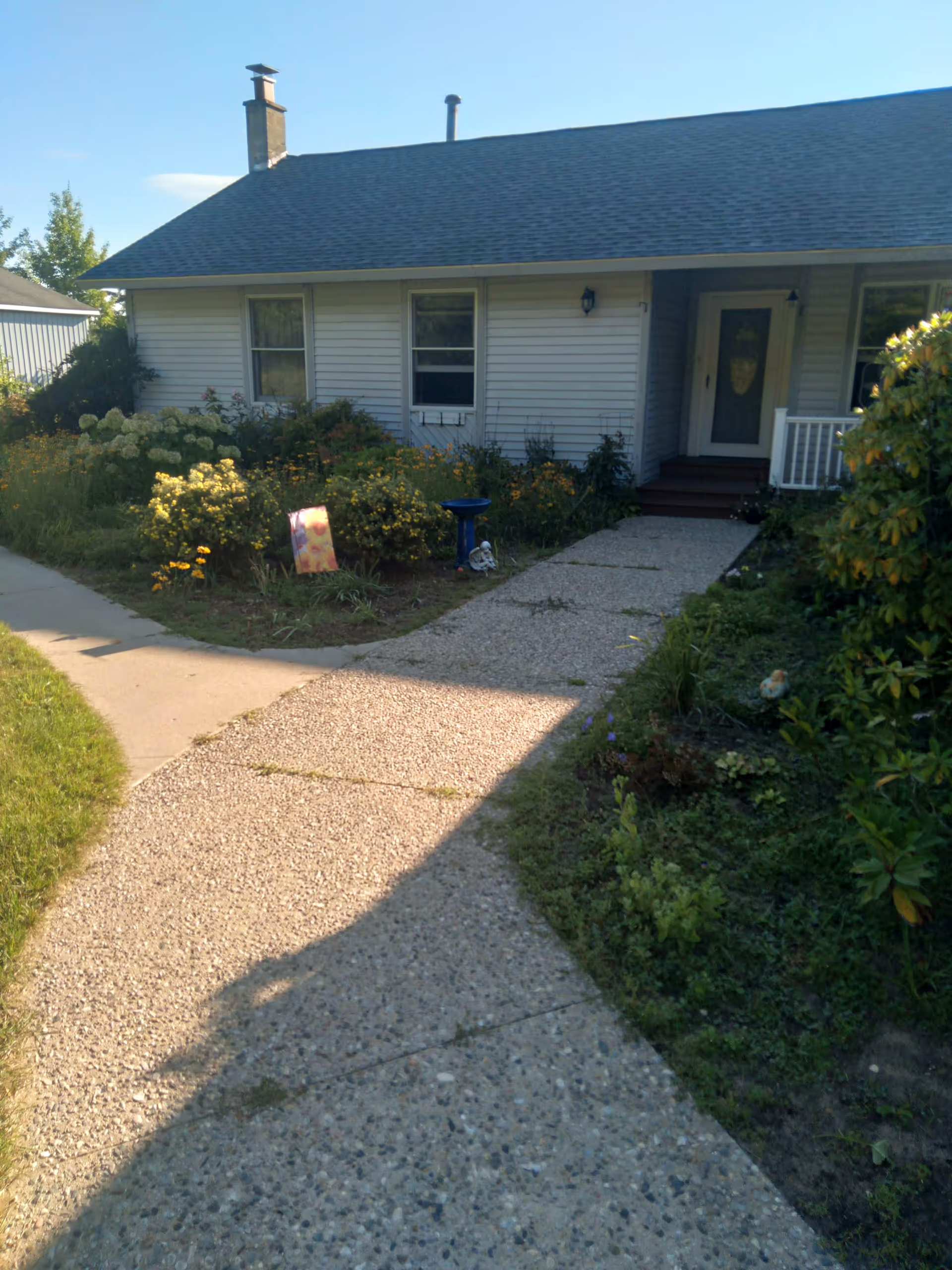
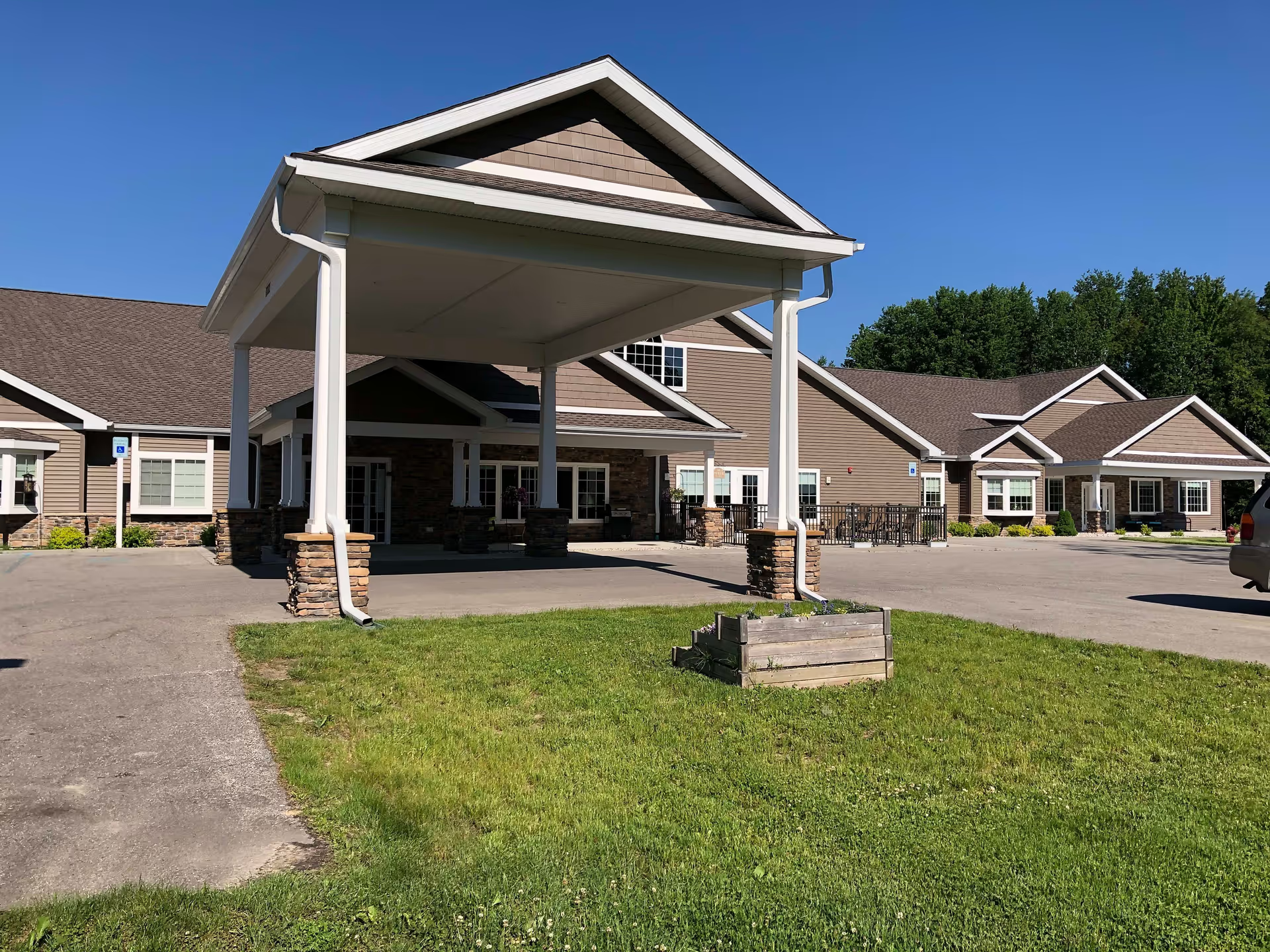
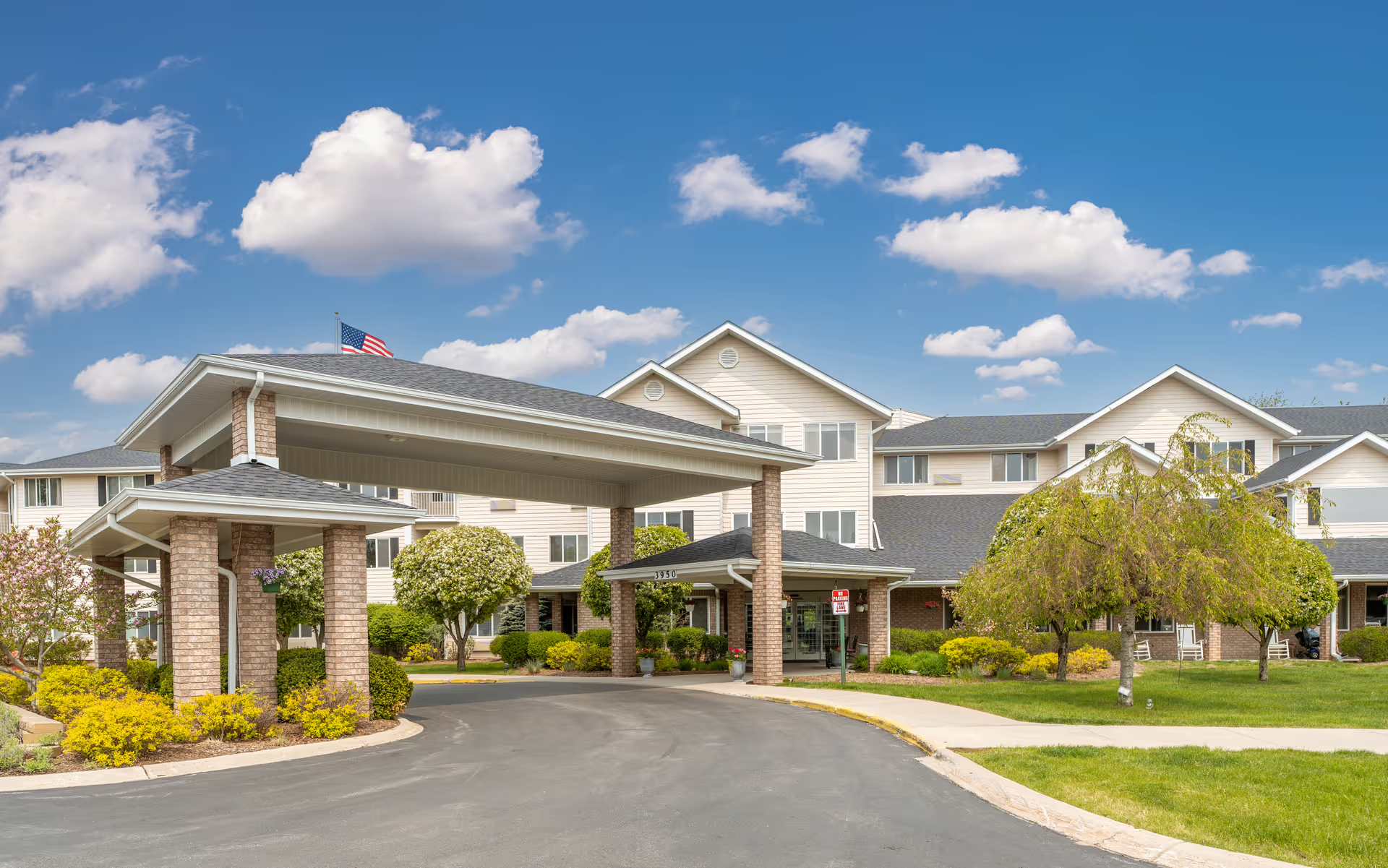
Curry House receives frequent praise for its compassionate, resident-centered approach and for staff who create a warm, family-like atmosphere. Many accounts describe long-tenured caregivers and managers who provide personalized attention, help residents maintain routines, and adapt dining and care plans for medical needs. The memory-care program, onsite therapies (occupational, physical, speech), and an activities director who organizes social programming and outings are repeatedly cited as strengths. The facility’s physical environment—clean common areas, patio and courtyard access, multiple apartment types (studios and one-bedrooms with kitchenettes), salon and laundry services, and prompt maintenance—contributes to a welcoming impression for many families.
Dining and daily life are commonly noted as positives: a chef-led kitchen with restaurant-style meal choices, varied menus, and portions that satisfy residents. Social dining, tray service options, and snack-bar/common areas support communal interaction. Activity offerings span exercise classes, gardening, bingo, and outings, and reviewers frequently cite meaningful opportunities for social engagement and stimulation. The facility’s infection-control measures during the COVID-19 era were also highlighted as consistently enforced in multiple accounts.
Despite these strengths, reviewers indicate several operational weaknesses that prospective families should evaluate. Staffing consistency is a recurring concern: turnover and occasional inexperienced staff can lead to uneven care experiences. Related operational gaps include medication-administration process weaknesses and examples of delayed or inconsistent clinical escalation; families should ask about current staffing ratios, medication-safety protocols, and how the facility documents incident follow-up. Communication with families is variable—some describe proactive, transparent managers, while others report limited updates and difficulty obtaining timely information.
There are also practical considerations around cost and space. Several families noted pricing and affordability pressures, and some residents would benefit from more private or quiet spaces than the facility’s primarily communal layout provides. A smaller number of accounts cite property-management lapses such as missing personal items, which suggests the importance of clarifying inventory and room-setup procedures at move-in.
A notably serious theme in the feedback is the existence of allegations of staff misconduct and related investigations. While many families describe excellent relationships with staff and feel their loved ones are well cared for, these allegations indicate the need for careful due diligence: ask the facility about the nature and outcome of any investigations, current corrective actions, staff training programs, and how complaints are tracked and resolved.
Overall, Curry House offers many features desirable in an assisted-living/memory-care setting—engaged caregiving teams, robust activity and therapy options, attractive dining, and a well-maintained campus. At the same time, variability in staffing, medication and clinical-response processes, family communication, and cost transparency are areas prospective residents and families should probe during tours. Recommended pre-admission questions include current staffing ratios and turnover rates, medication-safety and escalation protocols, the status of any investigations and corrective actions, financial/fee structures, and how the facility documents and communicates care changes to families.