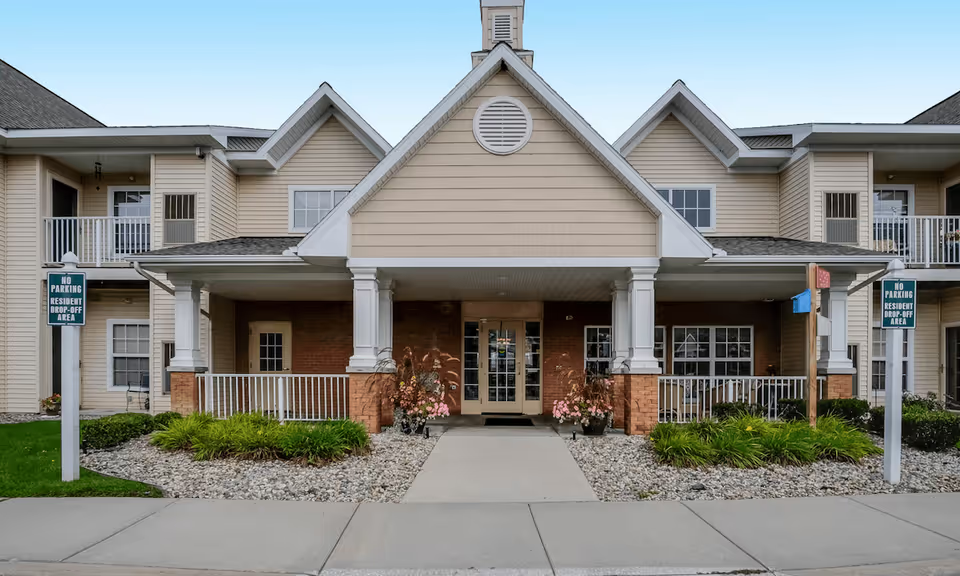
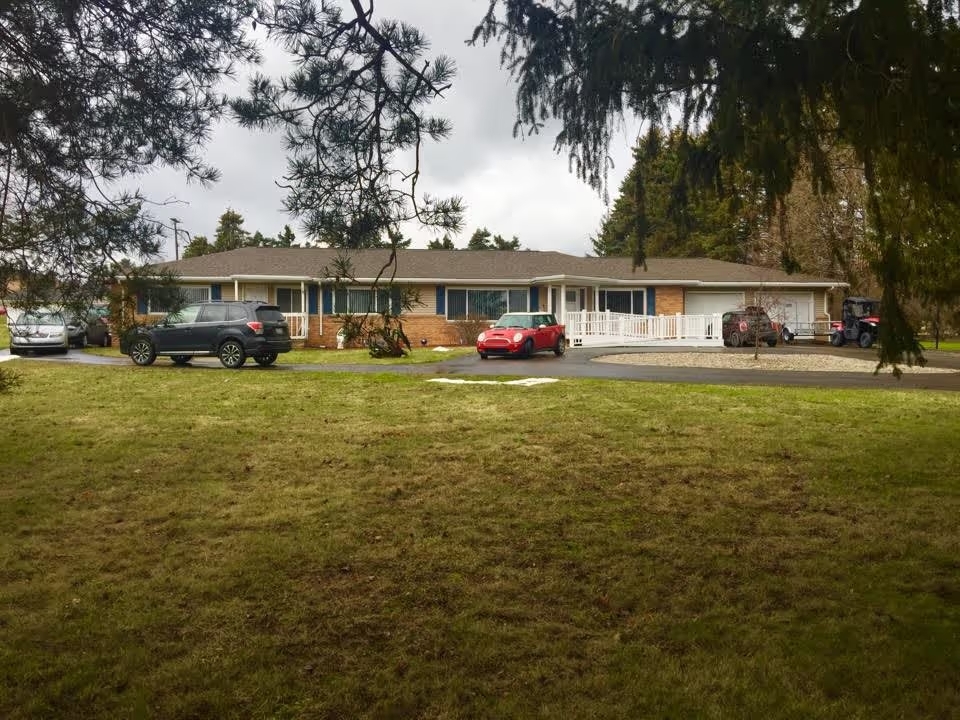
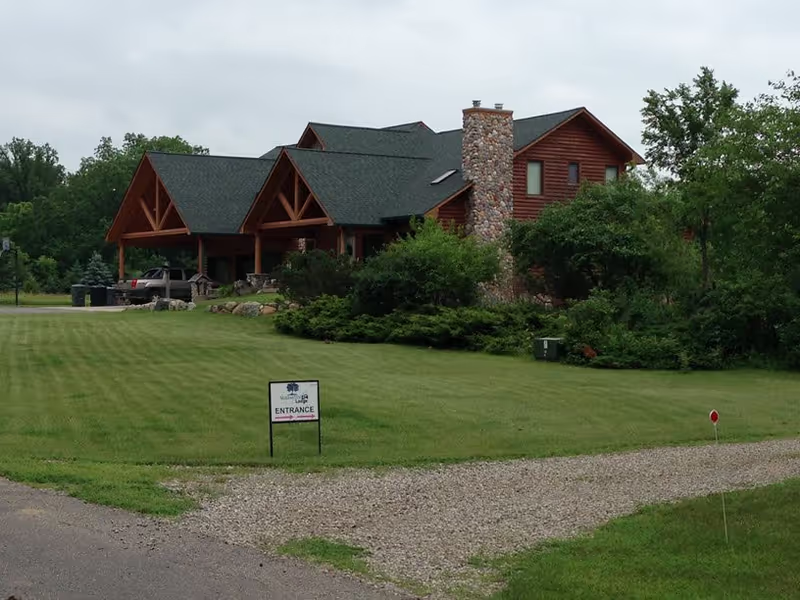
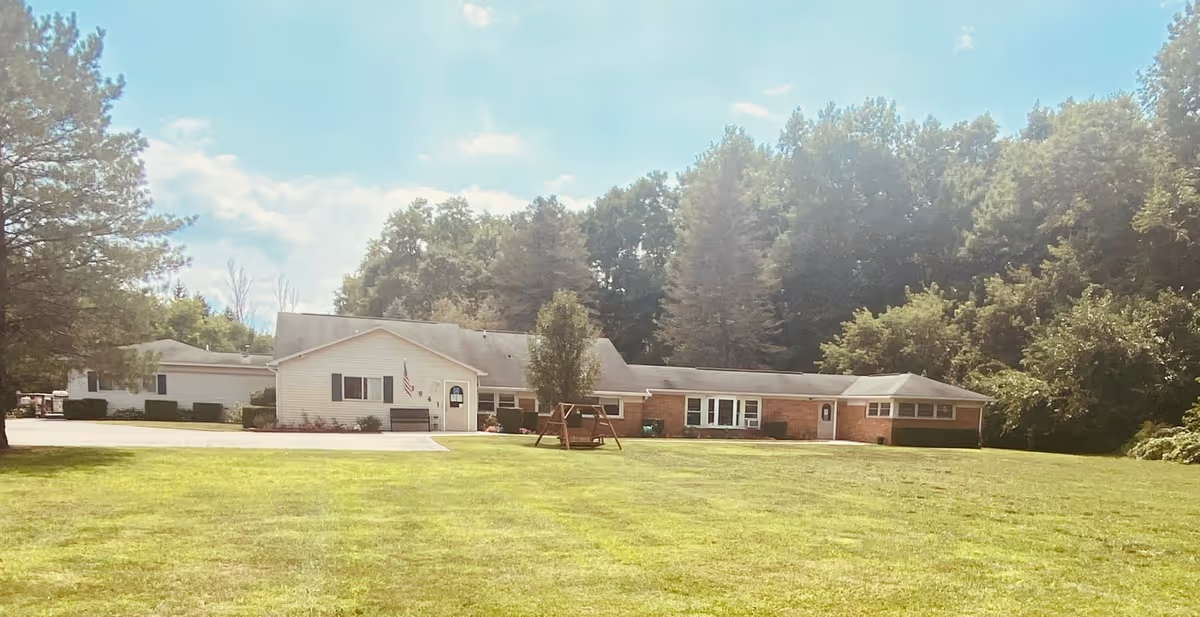
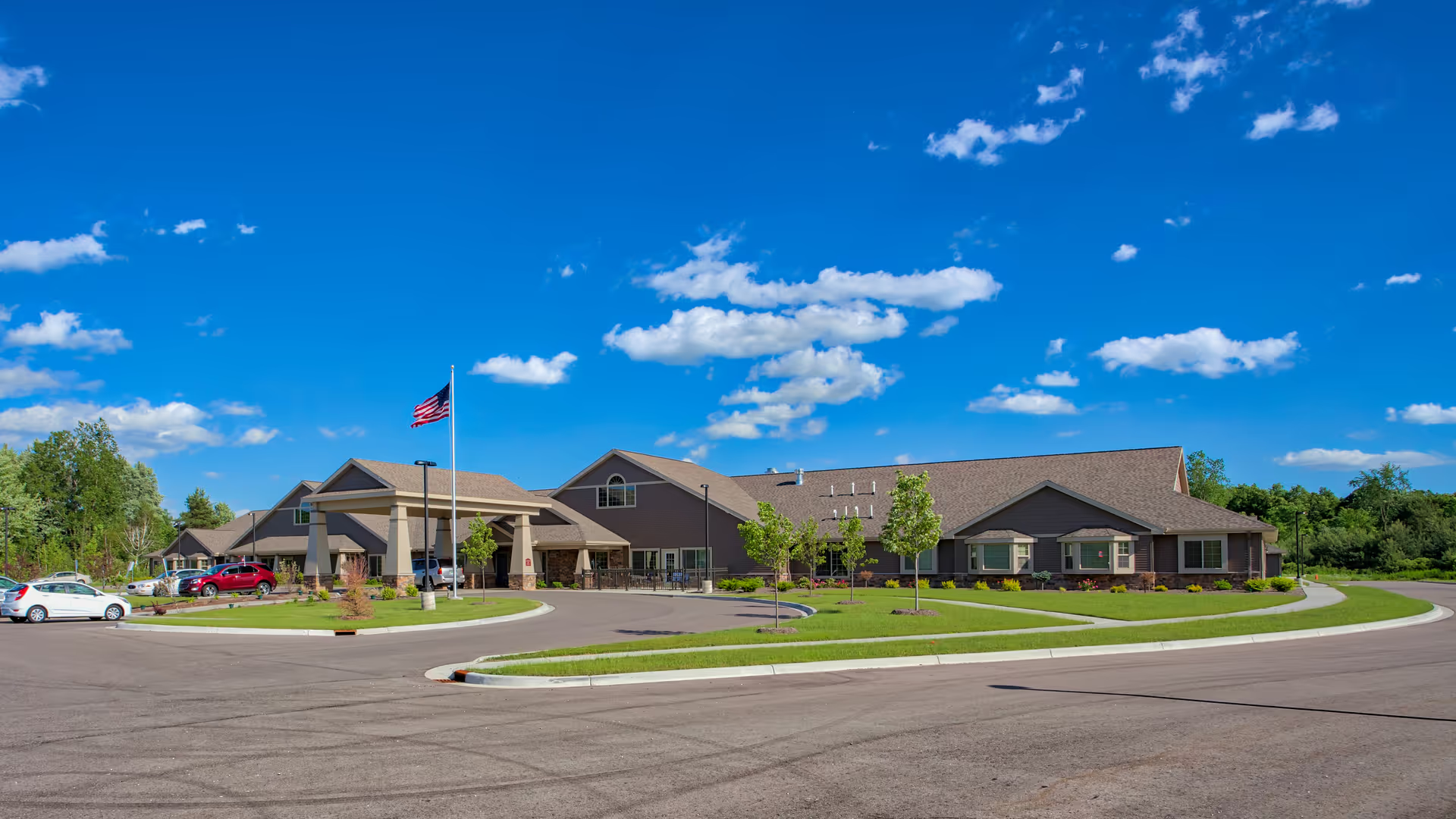
Stonegate Health Campus elicits mixed but distinctive impressions. Many families and residents describe compassionate, attentive frontline caregivers and a strong therapy program; others describe operational and clinical gaps that materially affected care for some residents. The facility’s physical plant and amenities are frequently praised: newer construction, private rooms, multiple dining options, enclosed outdoor courtyards, and a generally clean, welcoming environment are recurring positives.
Clinical care experiences vary. A substantial number of accounts highlight skilled nurses and aides, effective physical and occupational therapy, 24/7 nursing availability, successful short‑term rehabilitation outcomes, and supportive end‑of‑life care. At the same time, there are consistent concerns about variability in clinical performance—examples include delayed responses to basic needs (drinking, pain management, assistance with hygiene), inconsistent wound‑care and pressure‑injury follow‑up, and breakdowns in medication or glucose management. These patterns suggest that family advocacy often plays a decisive role in the quality of an individual resident’s care.
Staff and culture show a similar duality. Many reviewers emphasize courteous, dedicated, and compassionate staff members who go above and beyond, including specific mentions of helpful admissions support, equipment coordination, and attentive dietary accommodations. Contrasting accounts point to high turnover, understaffing, and uneven training or supervision; some families felt frontline staff were overextended and that management did not always provide timely corrective action when concerns arose.
Dining and activities are generally strengths. Multiple comments describe three hot meals daily, flexible options (including room service), and dietary accommodations. Activity programming—Bingo, Happy Hour, crafts, outings, and social events—receives frequent praise for variety and resident engagement, though a few reviewers noted that certain activities did not feel age‑appropriate for all participants. A number of families called out specific inconsistencies in meal preparation (texture and seasoning) that may warrant confirmation during a tour.
Operational and management issues are a recurring theme. Families describe inconsistent communication across shifts and departments, occasional billing or discharge coordination errors, and at least isolated allegations of inappropriate therapy billing and sedation practices. There are also isolated sanitation and pest‑control concerns that suggest a need to review housekeeping and infection/pest‑control protocols during any evaluation. Several reviewers recommended asking about staffing ratios, incident escalation processes, and the facility’s approach to training and supervision.
Notable patterns to weigh when considering Stonegate: the therapy department and many frontline caregivers receive strong positive feedback; however, care reliability appears to depend on staffing stability and active family involvement. Prospective residents and families should verify current staffing levels, ask for recent quality metrics and incident procedures, observe dining and activity periods, review medication-management and discharge workflows, and clarify billing practices before admission. Doing so will help align expectations with the facility’s demonstrated strengths and address the operational areas that have produced concern for some families.