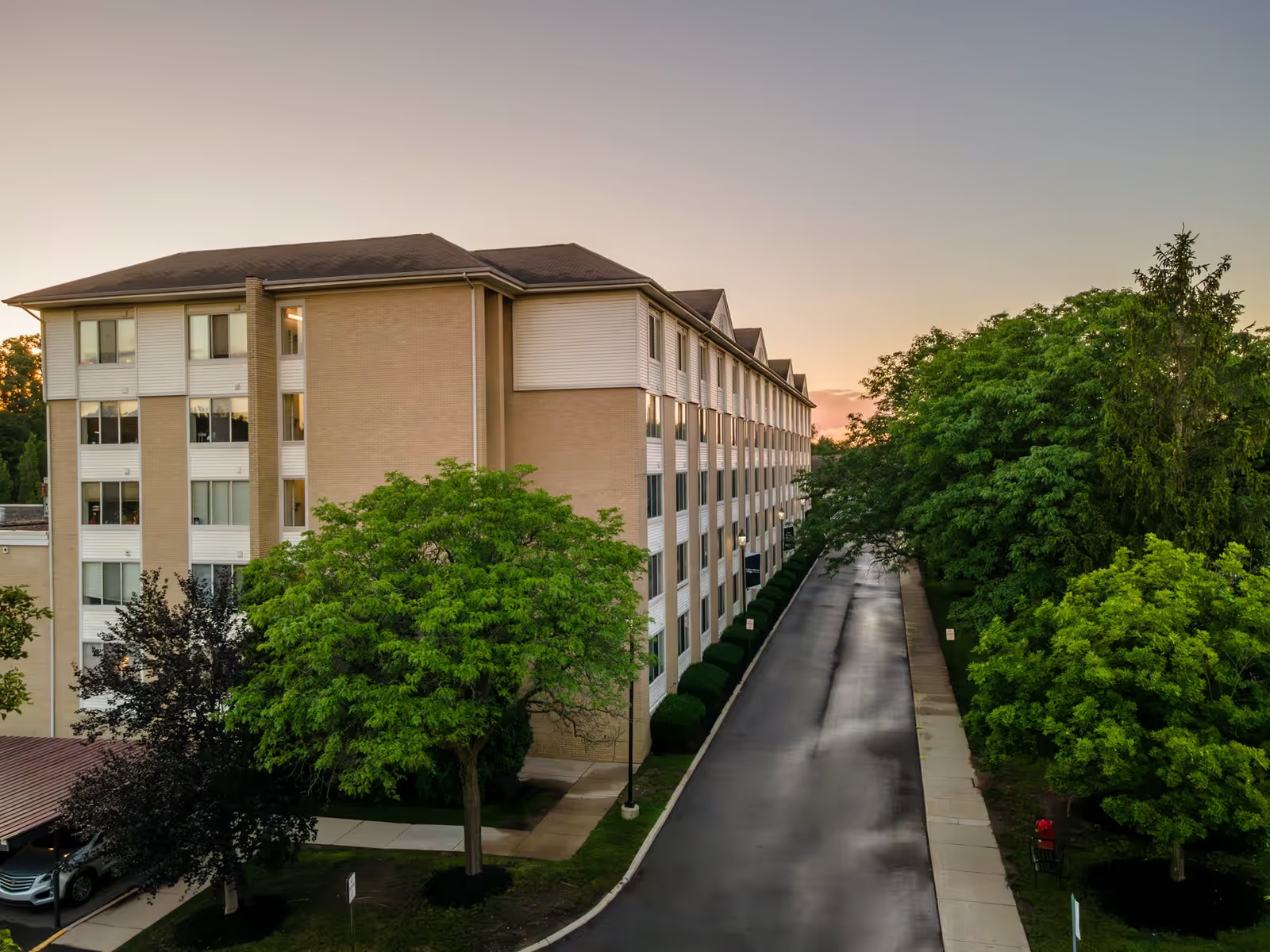
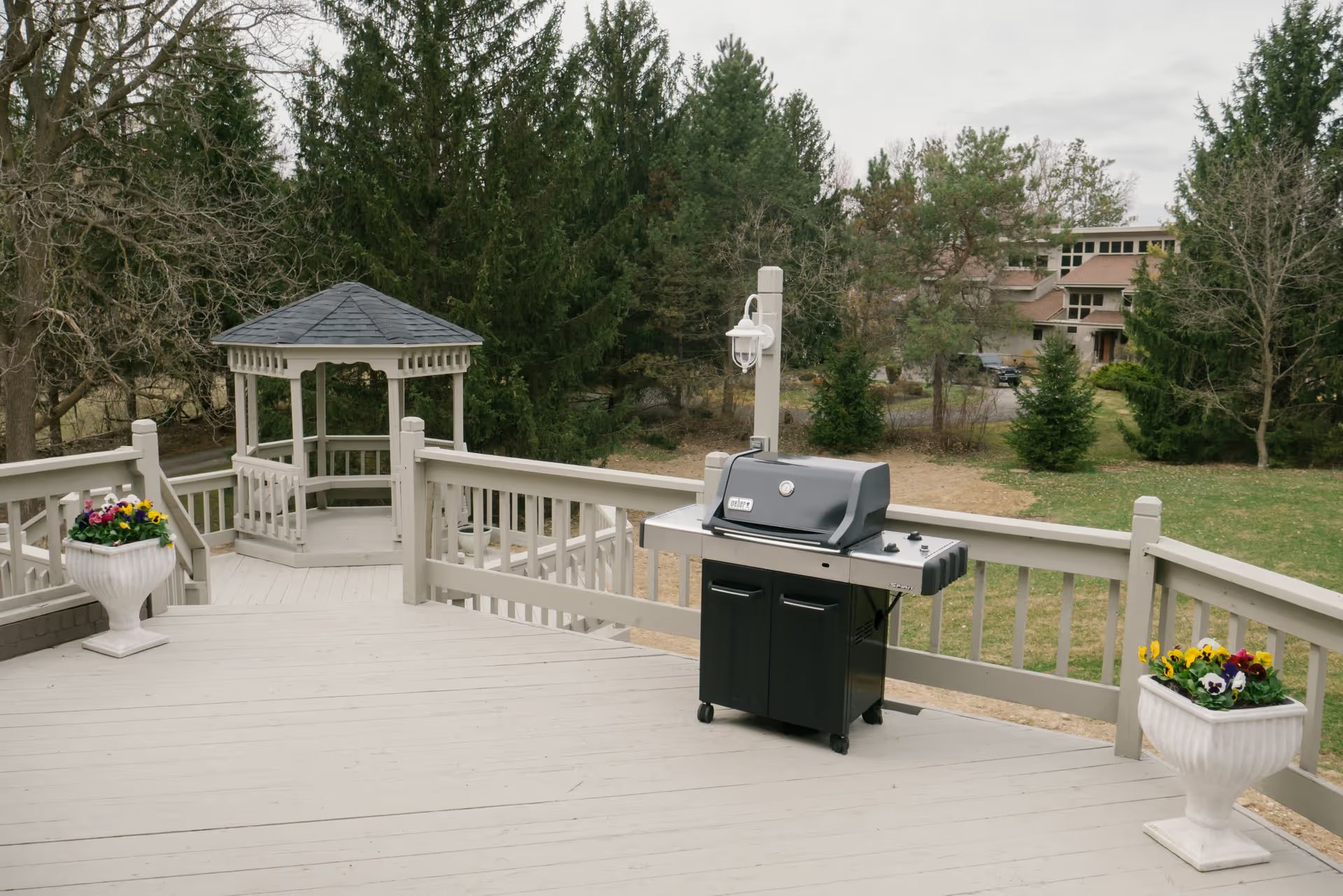
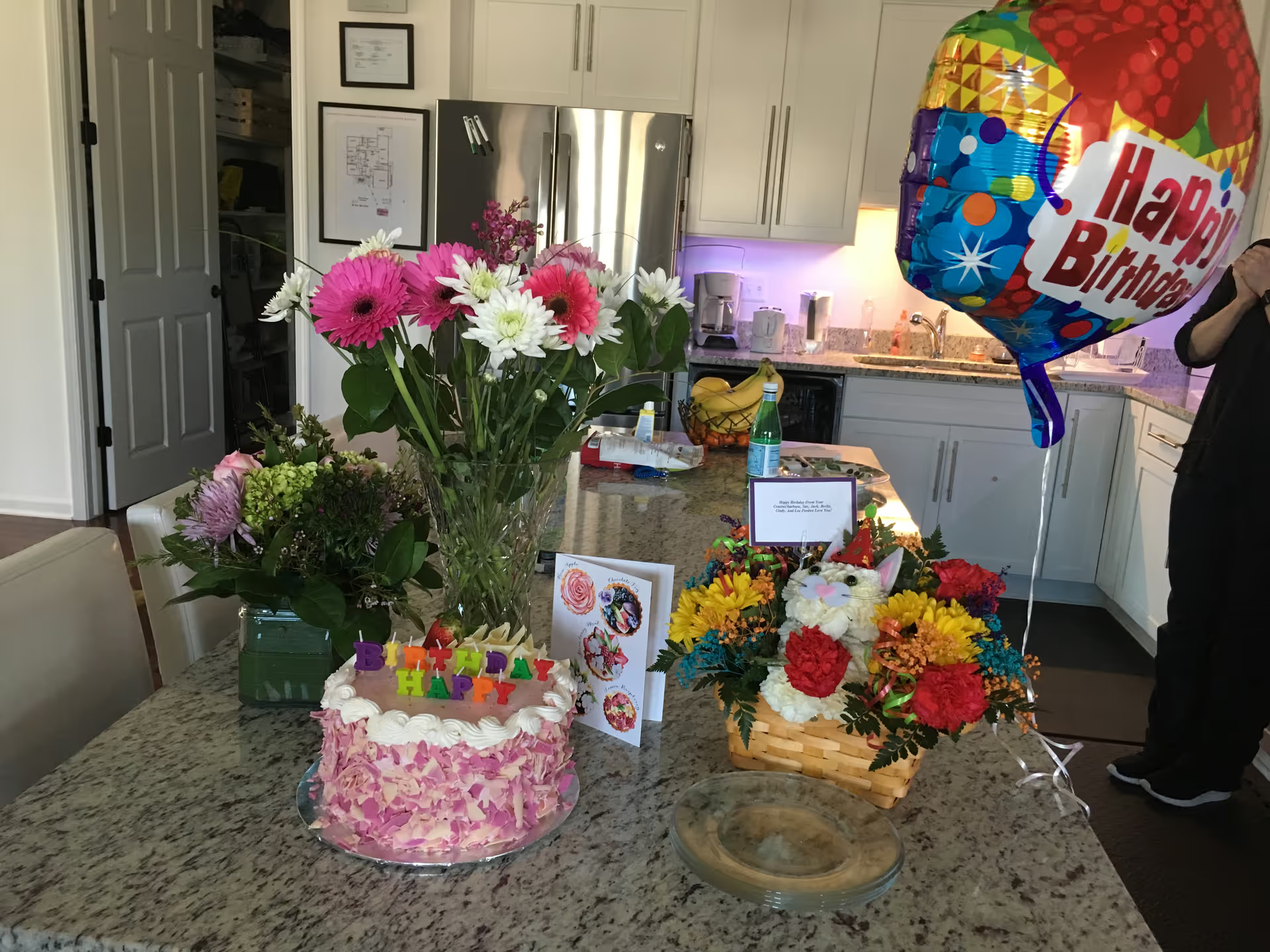
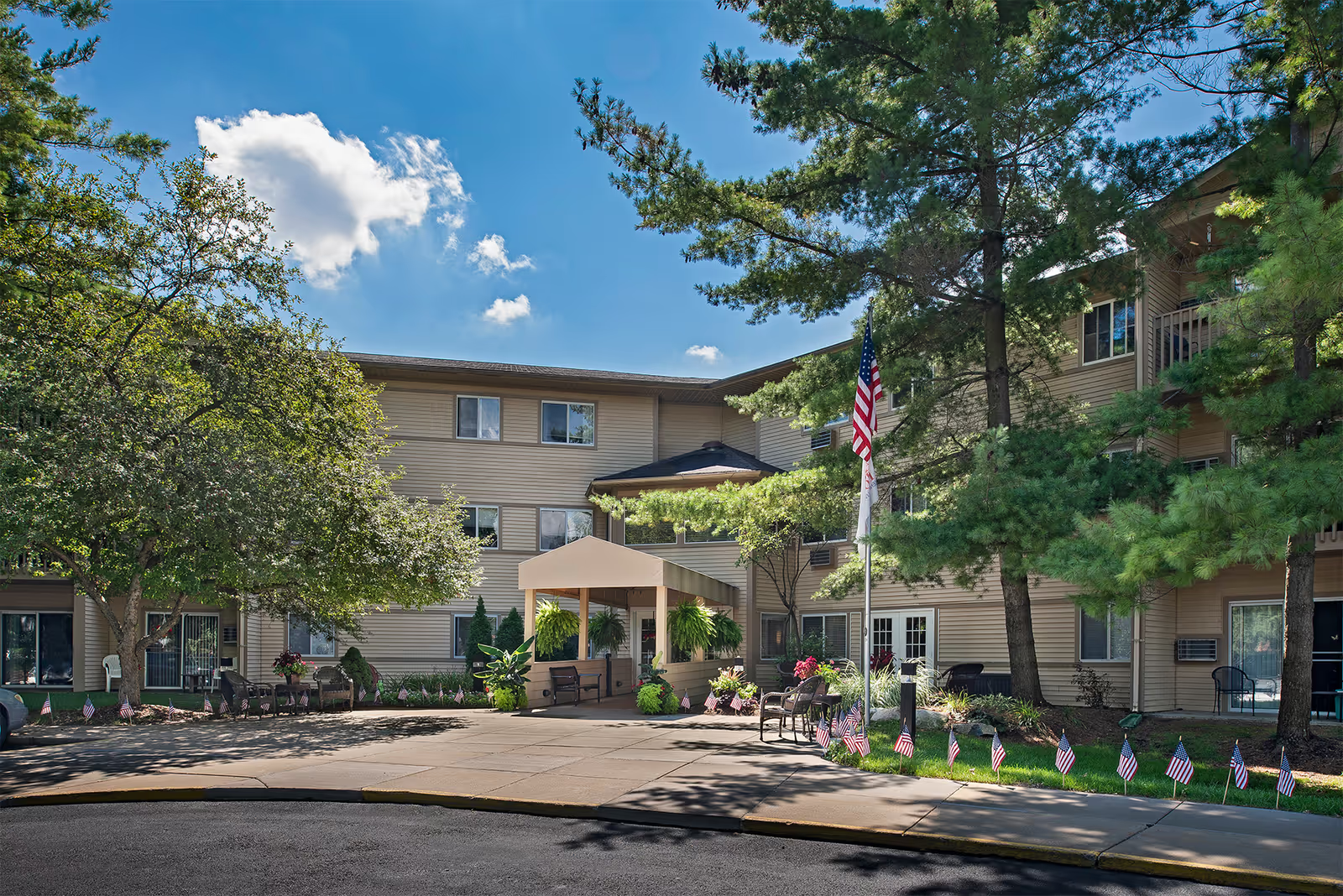
StoryPoint Northville is consistently described as a well-appointed, hotel-like community with spacious, well-lit apartments, thoughtful interior design, and active common areas. The dining program and culinary team receive frequent praise for quality meals, extended dining hours, and attentive wait-staff service. On-site therapy/rehabilitation, transportation, and a broad activities schedule — including music, arts, and frequent outings — are strengths that support resident engagement and socialization. Multiple accounts highlight a family-like atmosphere, strong concierge and move-in support, and several instances of effective hospice coordination and in-house nursing support.
Direct-care staff are commonly characterized as caring and personable, and leadership figures are singled out for visible, engaged management in many reports. Where care is praised, reviewers emphasize hygiene-focused practices, therapeutic involvement, and staff willingness to accommodate individual preferences. Memory-care programming is available and described by some families as purposeful and smaller in scale, which may suit residents with mild-to-moderate cognitive impairment.
However, a recurring operational pattern involves workforce instability and training gaps. High turnover and frequent use of agency aides correlate with inconsistent adherence to care plans, variable bathing and housekeeping frequency, and laundry-management problems. Reviewers also raise concerns about clinical responsiveness — delays in medication or post-incident follow-up — and about the facility’s capacity to manage residents with higher-acuity or advanced behavioral needs. Meal-service continuity has occasional interruptions (menu items out of stock, room-service fees or extra charges), which may affect families expecting fully inclusive dining.
Administrative and process issues appear in multiple accounts. These include weaknesses in sales and admissions processes, documented contract and licensing concerns, and instances where families describe poor follow-through on verbal commitments. Communication gaps between management and families are noted alongside inconsistent enforcement of housekeeping and maintenance standards. Financial transparency is another area of concern for some families, including rent increases not always tied to clear service enhancements.
Overall, StoryPoint Northville offers a high-quality physical environment, strong dining and activity programming, and many examples of compassionate frontline caregivers and engaged leadership. Prospective residents and families should weigh those strengths against operational risks related to staffing stability, clinical training for complex care needs, and the clarity of admissions/contracts. Recommended pre-move steps include confirming current staffing ratios and training protocols for dementia/stroke care, reviewing the contract and licensing status closely, asking about housekeeping and laundry schedules, and speaking with current resident families about communication and incident follow-up practices to determine fit for the intended level of care.