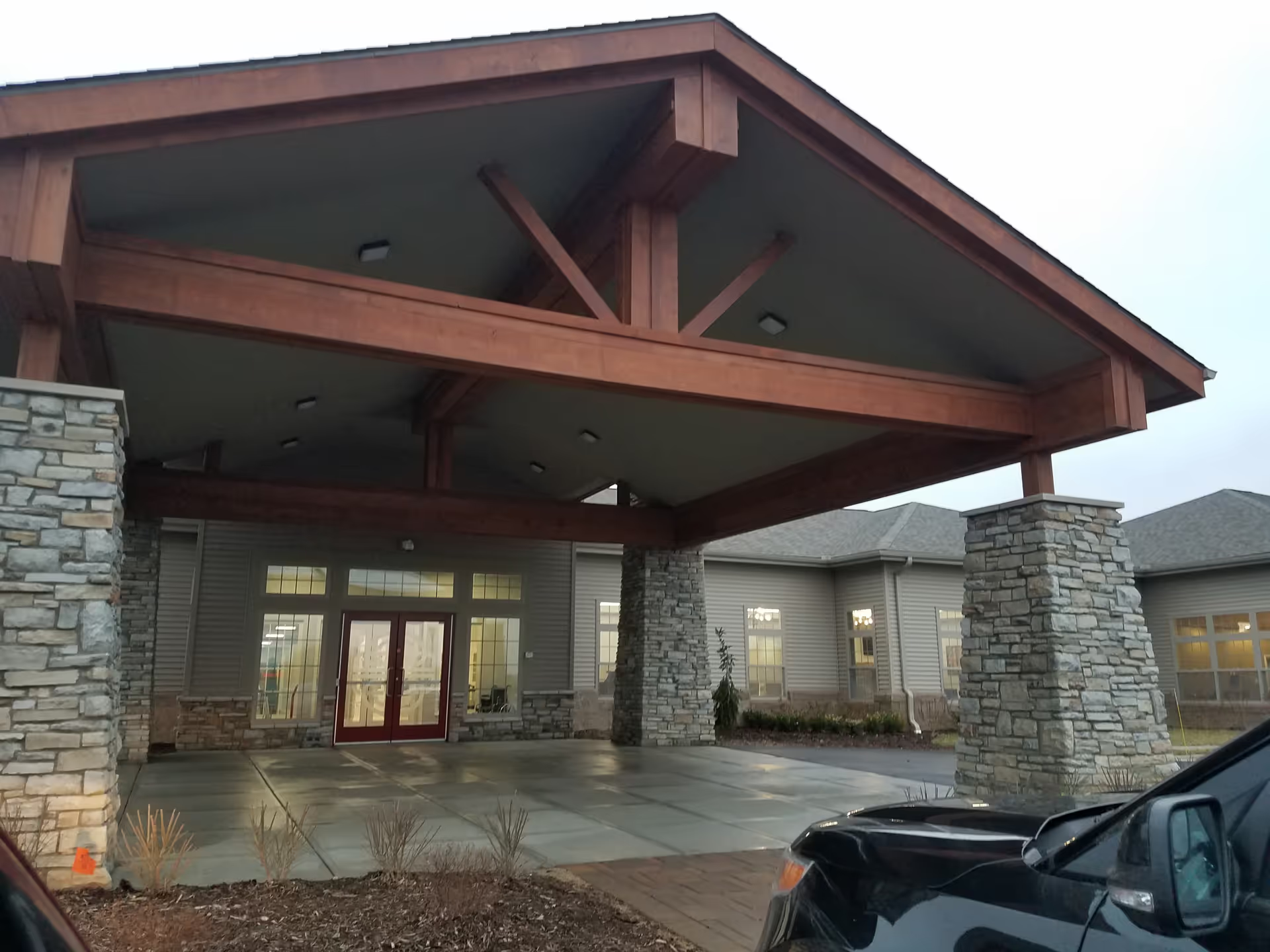
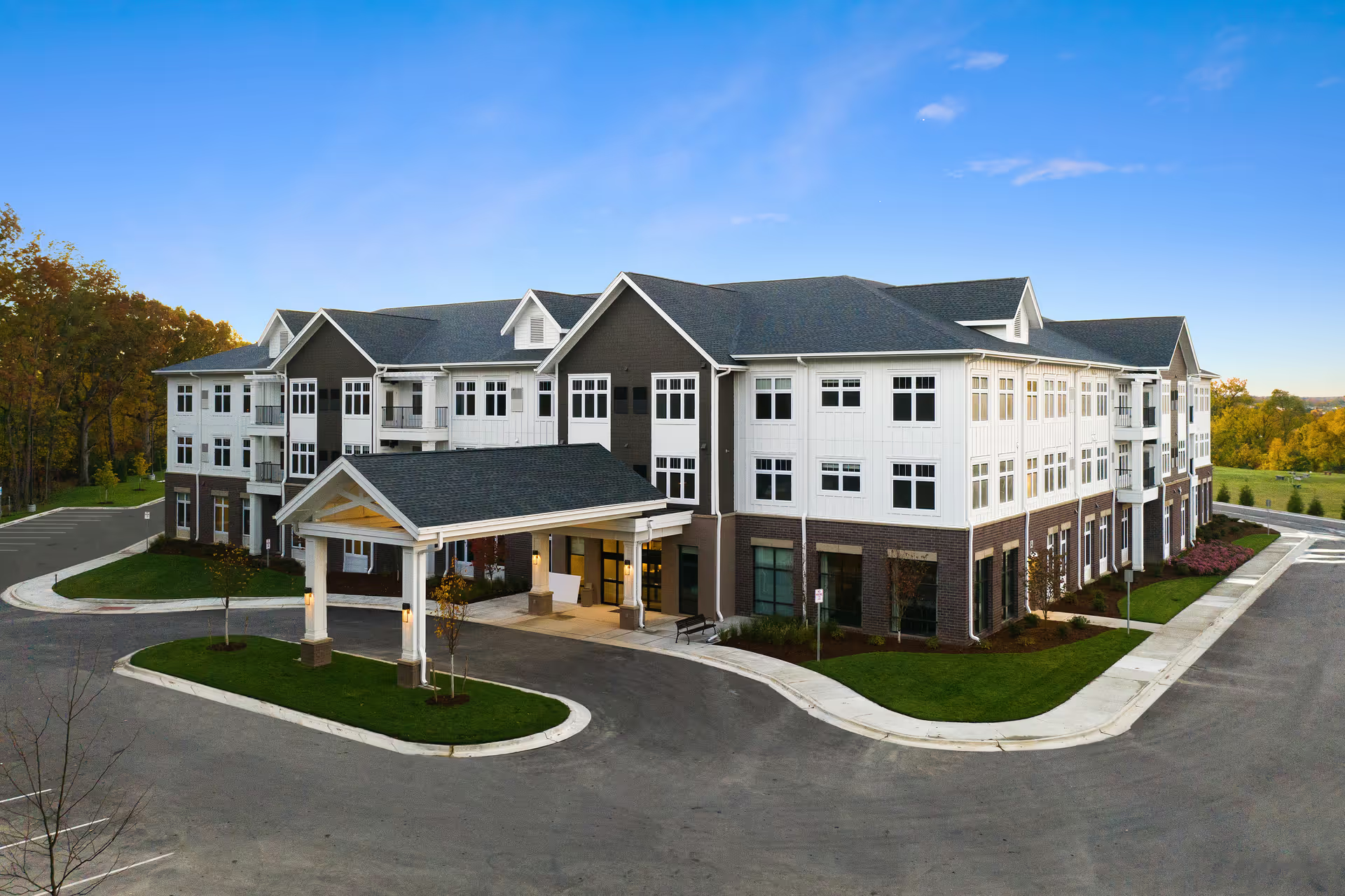
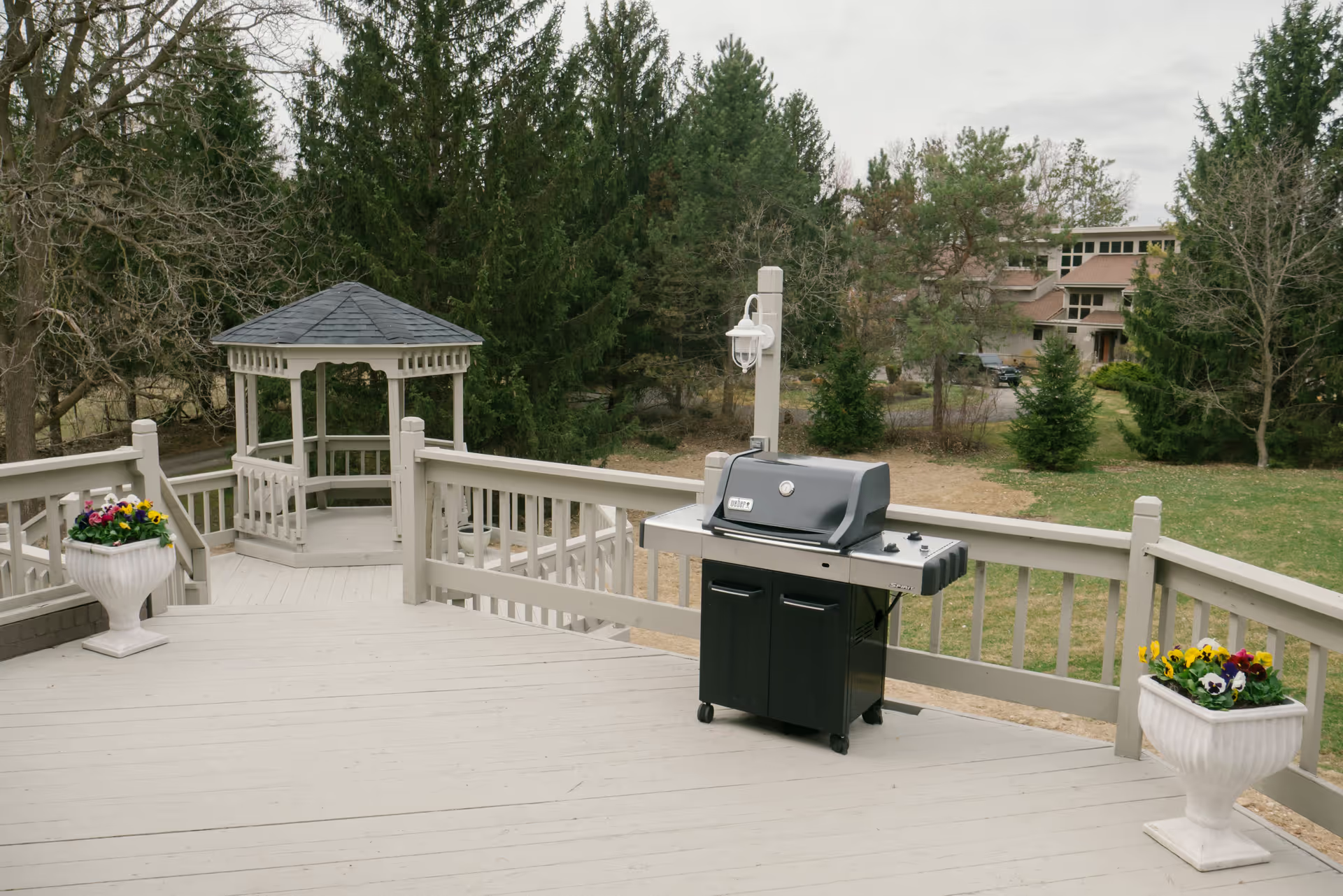
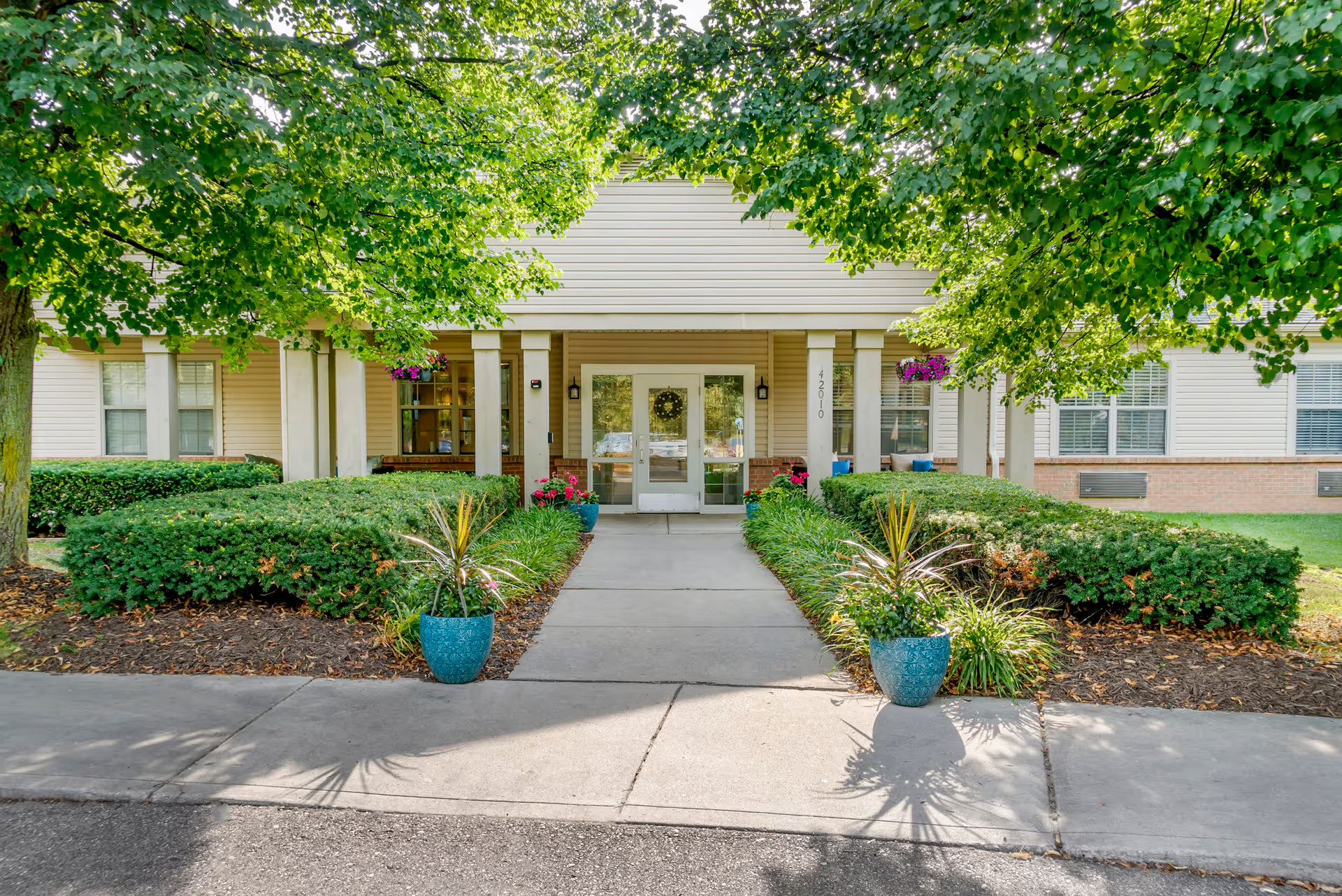
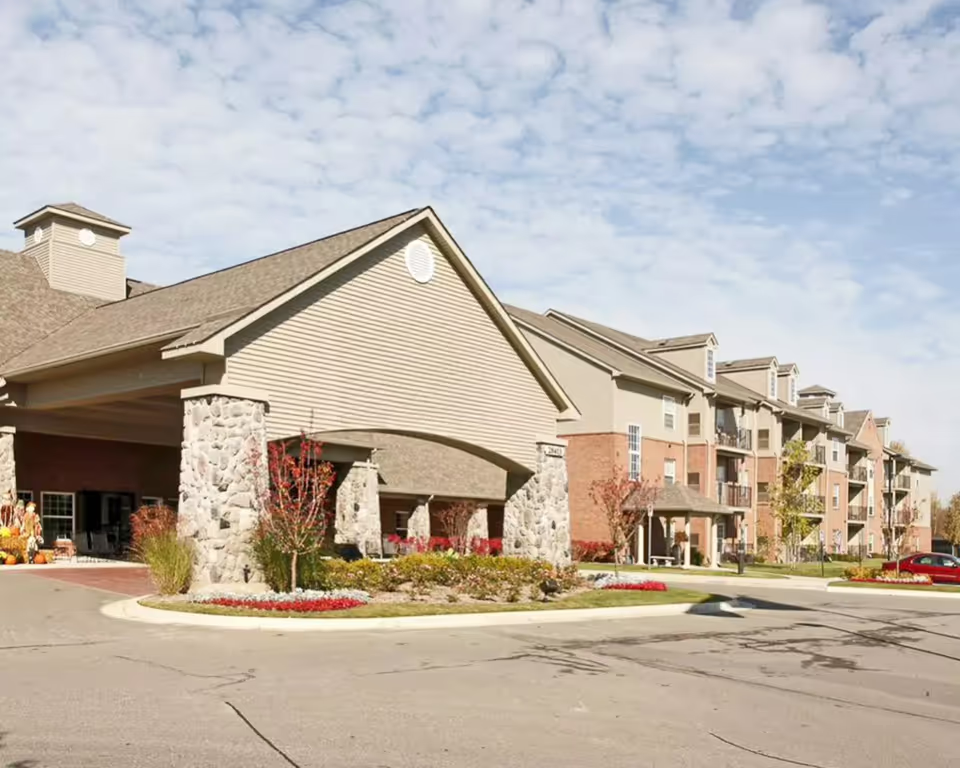
Rose Senior Living Providence Park is consistently described as a modern, upscale campus with extensive on-site amenities and attractive apartment finishes. Many families and residents highlight the facility’s physical attributes: bright, well-maintained interiors, private outdoor spaces (balconies or patios) in many units, landscaped grounds with trails and courtyards, and a wide range of communal venues including a fitness center, movie theater, pub, salon, and library. The campus supports multiple levels of care and offers on-site rehabilitation and therapy spaces, which several reviewers cited as a convenience when transitioning between levels of care.
Care quality and frontline staffing generate mixed but instructive patterns. Numerous reviews praise compassionate, attentive caregivers and nursing staff, noting 24/7 nursing coverage, a high staff-to-resident ratio in some units, and standout clinical leaders (including a well-regarded memory-care director). Several families emphasized thoughtful end-of-life support and strong transition/onboarding assistance. Counterbalancing these positives are repeated comments about inconsistent staffing, frequent turnover, and variable training; these operational issues appear to contribute to uneven experiences across shifts and units and to gaps in clinical follow-up and incident response in some cases.
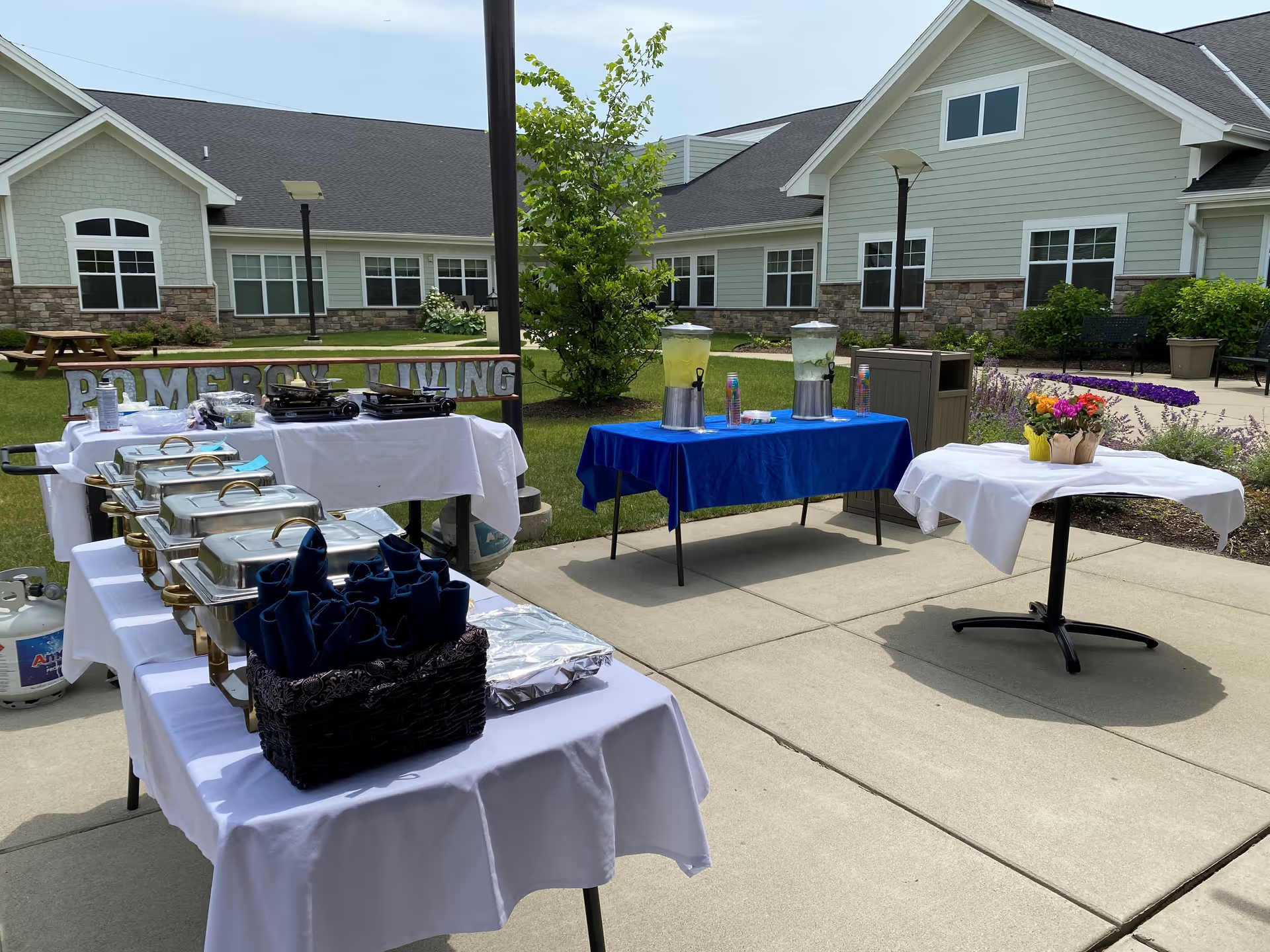
Dining and activities are major strengths for many residents: reviewers describe a varied menu, multiple dining venues, daily social hours/pubic-style happy hours, and an active events calendar with outings, exercise classes, and crafts. The facility’s dining-credit option and reasonable menu pricing appeal to some families. However, reviewers also described variability in meal quality and service consistency, occasional temperature and preparation issues, and dissatisfaction with mandatory dining or housekeeping charges in certain plans. Activity programming is robust overall but may be uneven between independent living and other care neighborhoods; prospective residents should ask about the day-to-day schedule for the specific household they are considering.
Management and operations present a clear pattern of polarized experience. Several accounts praise supportive, responsive leadership and staff who go above and beyond; others describe weak leadership presence, lapses in communication, and administrative process gaps (including billing transparency and onboarding information). Operational weaknesses noted across reviews include inconsistent follow-through on family communication, lapses in personal-belongings and laundry handling, and variability in clinical incident follow-up. These recurring themes suggest the facility can deliver strong care and lifestyle services when leadership and staffing are stable, but that outcomes are vulnerable to turnover and process breakdowns.
For prospective residents and families: the campus and program offerings are strong and will suit those seeking an amenity-rich, active community with on-site therapy and a continuum of care. To gauge the likely experience for a particular unit or household, visitors should ask specific questions about current staffing ratios, turnover history, dining-service practices (including mandatory fees and what is included), memory-care protocols, and documented processes for clinical incidents and personal-belongings handling. A targeted tour that includes named clinical and leadership staff, a meal service observation, and a review of the most recent staffing and incident-communication procedures will help clarify whether the facility’s strengths align with your expectations and care needs.