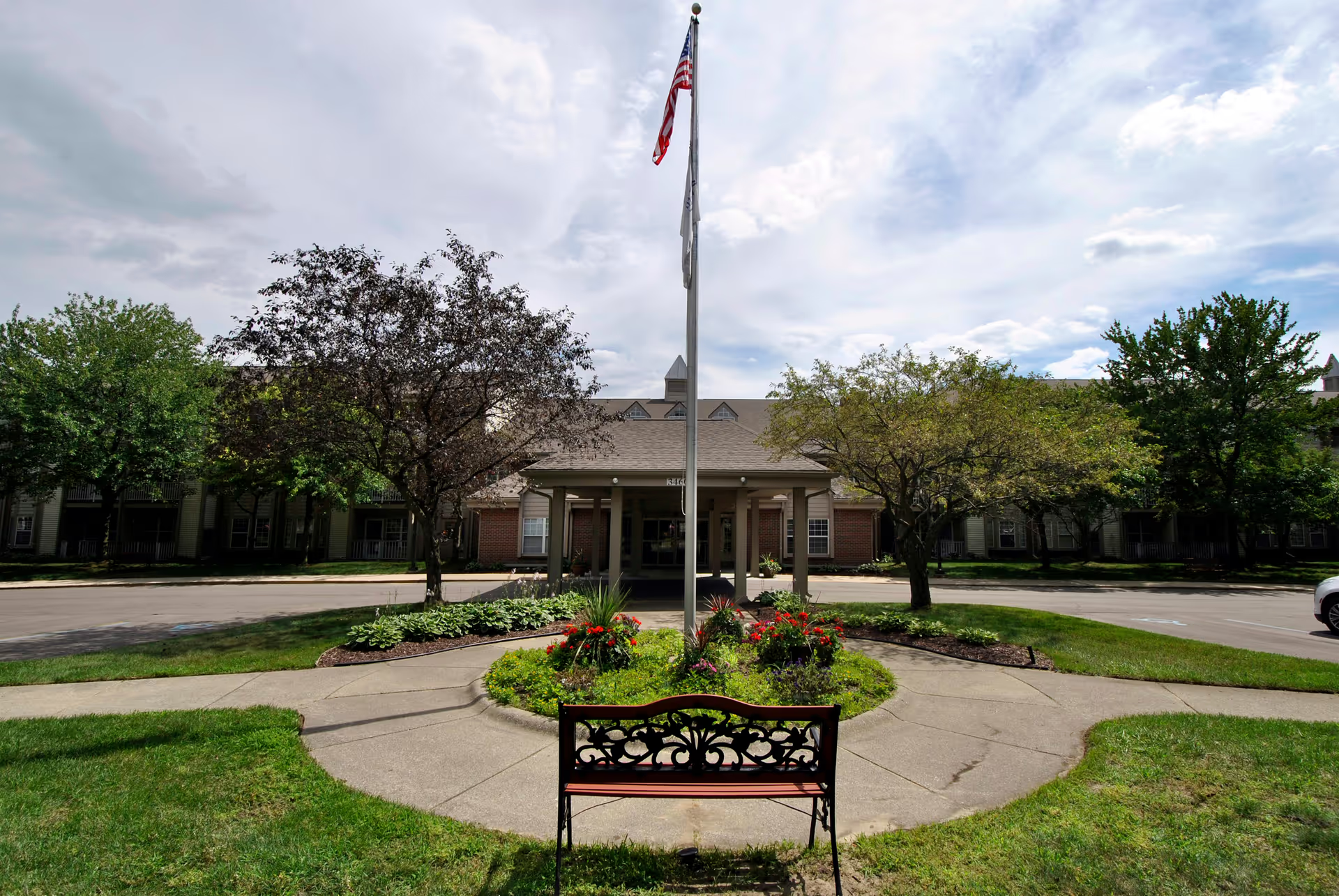
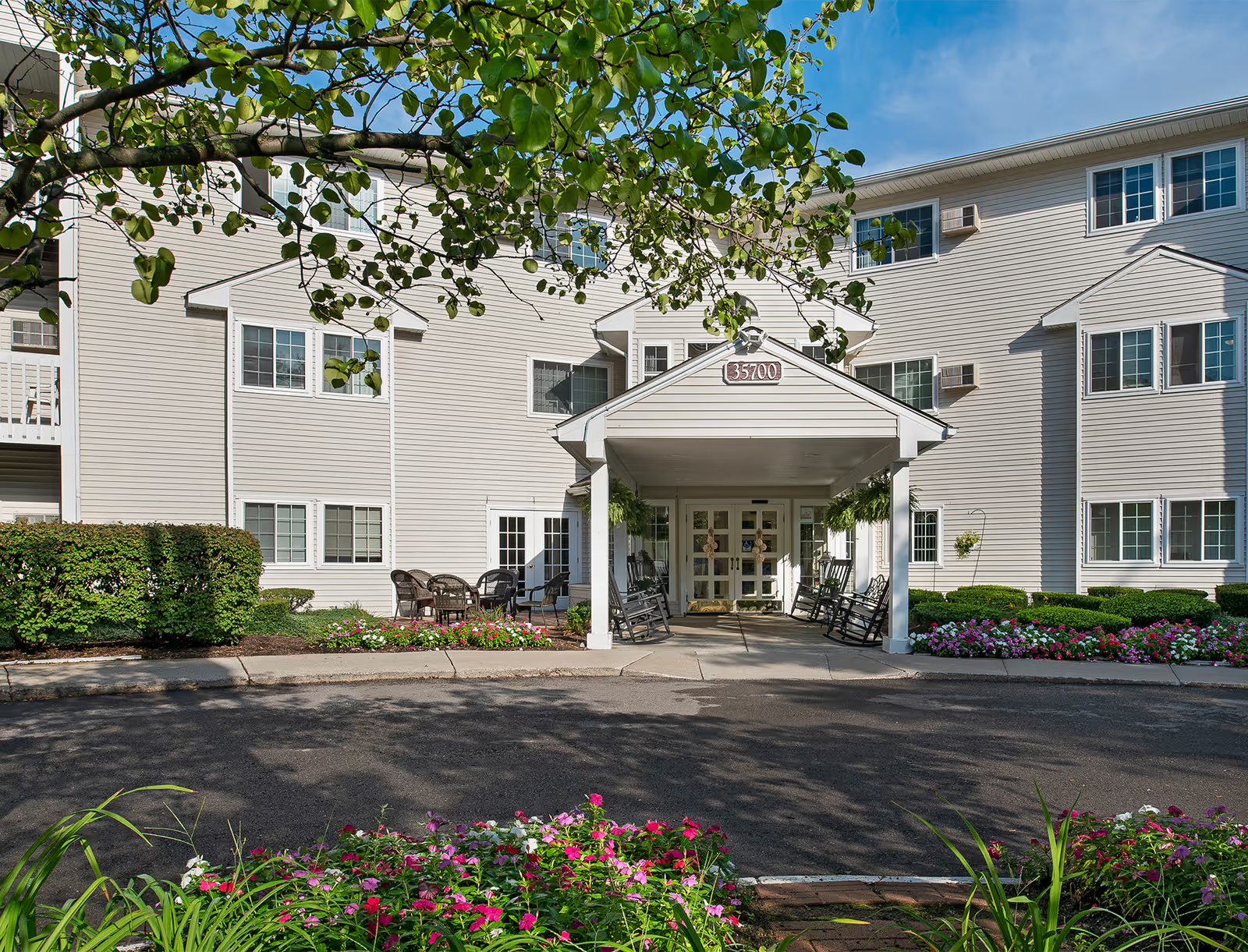
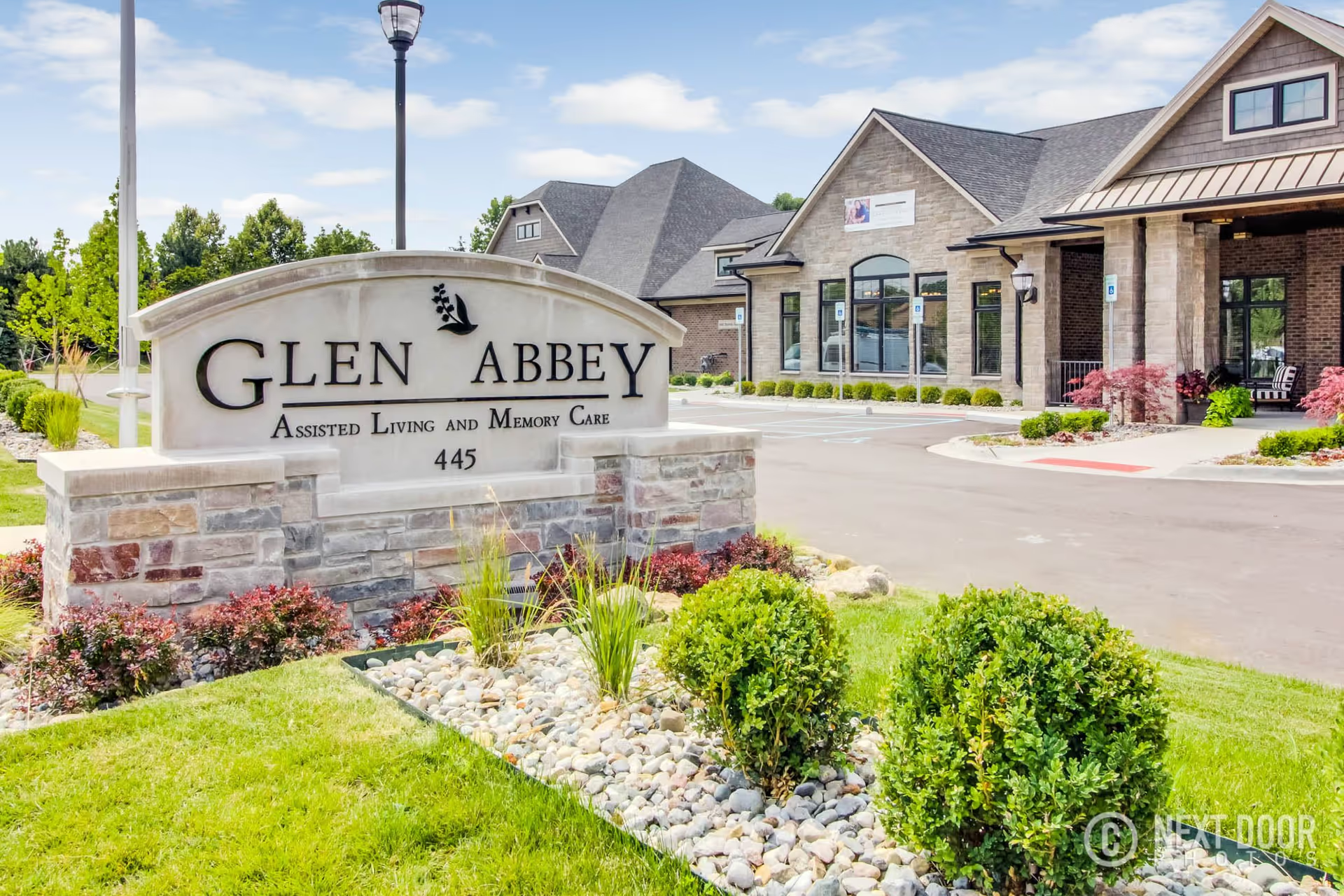
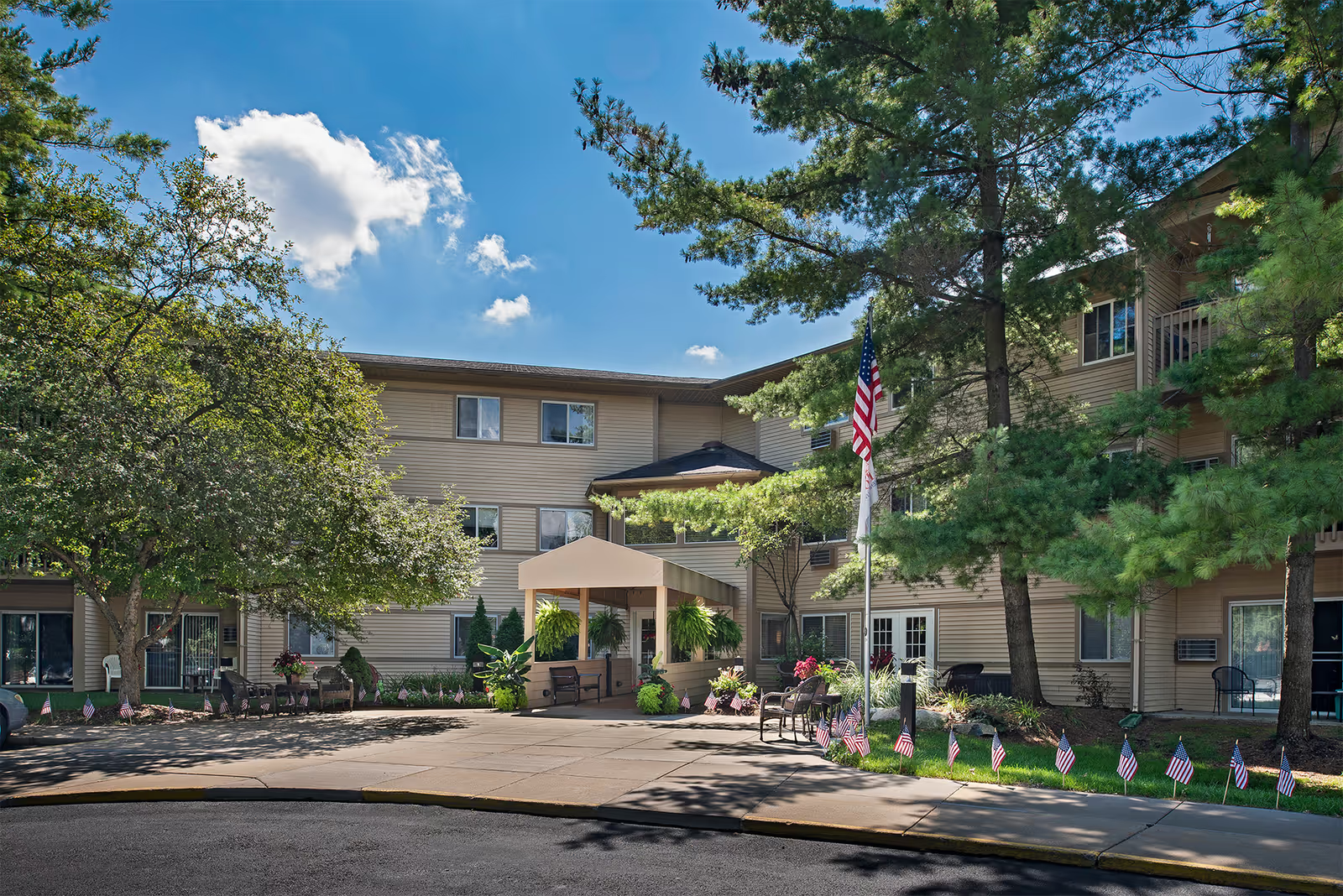
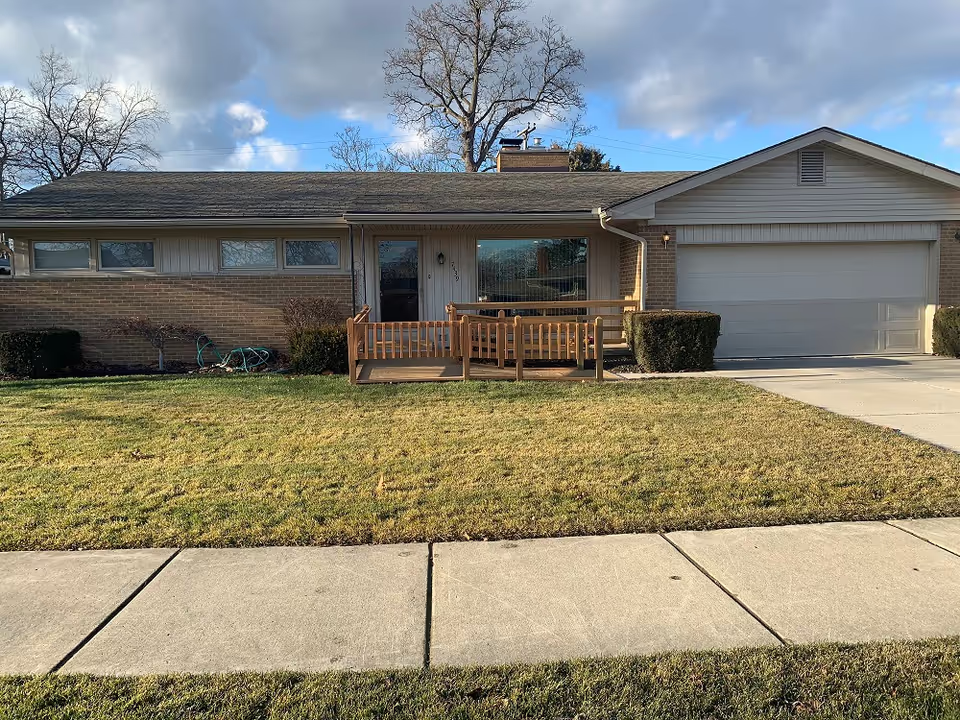
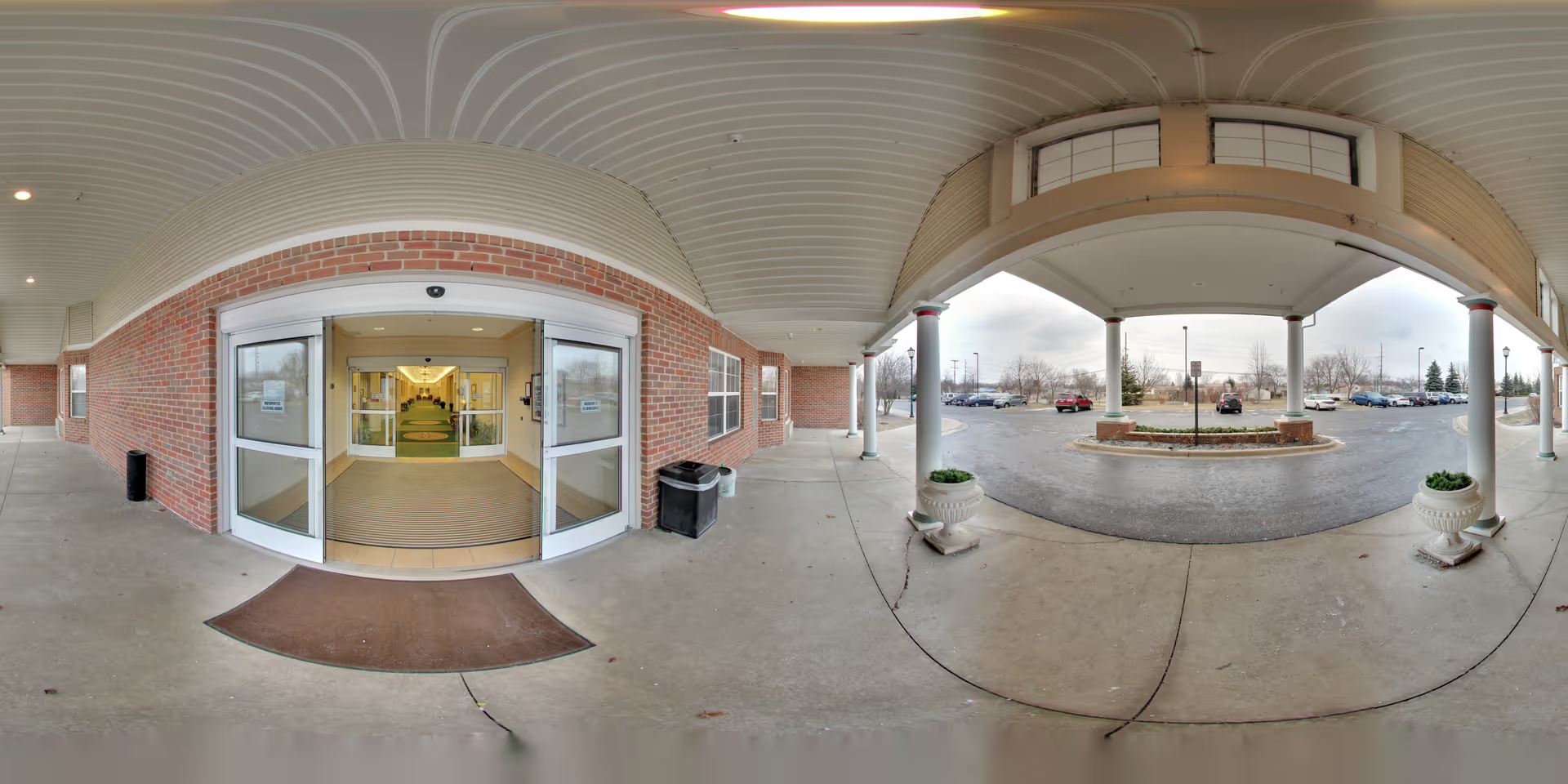
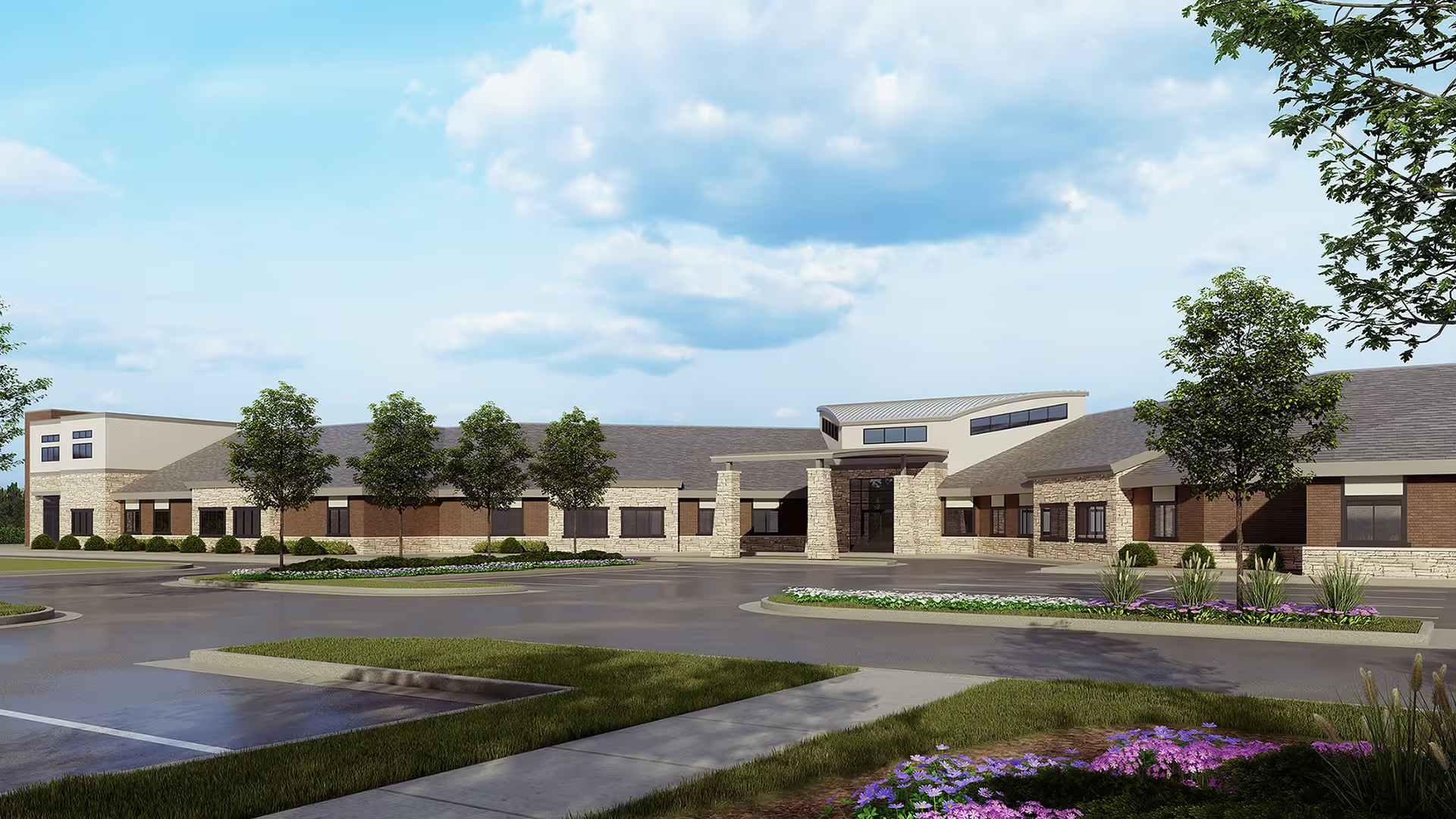
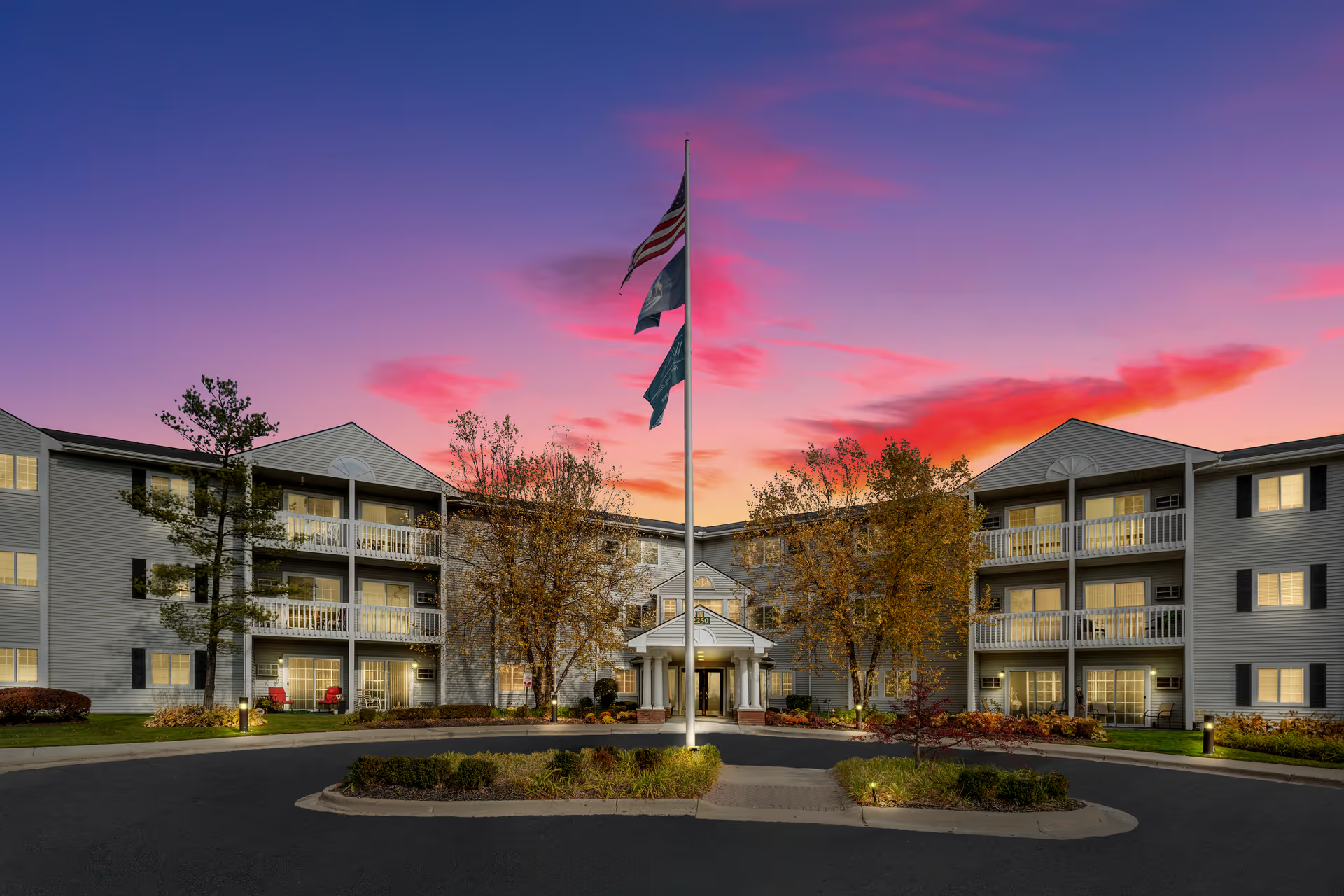
The Westland House elicits a sharply divided set of experiences. Many families and visitors describe a bright, renovated facility with attractive common areas, large studio apartments, and scenic views. Units often include useful safety features such as emergency pull cords and basic kitchenettes that residents and families cited as supporting independence. Several accounts praise the dining — described as high quality with appealing meal presentation — and note available on-site clinical services (weekly physician visits, physical therapy coordination) and social amenities including a beauty salon, library, and regular activities such as bingo and movie nights.
Staffing and hands-on care are the areas with the most variation. Numerous reviewers highlight compassionate, responsive caregivers and named administrators who address concerns promptly. At the same time, other reviewers described operational weaknesses: inconsistent staffing levels, frequent turnover, reliance on temporary agency personnel, and lapses in cross-shift communication. These staffing patterns are linked in several accounts to clinical issues such as missed or incorrect medication administration and gaps in supervision overnight, which families found significant when higher-acuity care was required.
Housekeeping, laundry, and maintenance show a mixed picture. The facility's public and recently renovated spaces are frequently described as clean and welcoming, but there are recurrent sanitation concerns in some resident rooms and bathrooms, plus delays and errors in laundry and personal-item handling. Maintenance responsiveness is another common theme: some repairs and equipment failures (elevators, refrigerator controls, plumbing backups) were reported as slow to resolve, creating safety and convenience problems for residents.
Dining and programming scores well for food quality and social options, yet there are operational limitations. Meal service is generally praised for taste and variety, but reviewers also note limited menu flexibility for texture-modified diets, occasional slow service in the dining room, and added fees for in-room delivery. Activity offerings exist and can foster engagement, but families report inconsistent scheduling and variability in the activities director’s presence, resulting in uneven engagement across units and floors.
Communication, admissions, and financial transparency are additional recurring concerns. Several families reported discrepancies between marketing or admission promises and the level of care actually delivered, as well as frustration over billing practices, move-in fees, and inconsistent follow-through on promised assistance with benefit applications. Conversely, other families found administration helpful and responsive during transitions, indicating variation tied to individual managers and recent leadership changes.
Bottom line: Westland House presents as a community with many structural strengths — attractive rooms, good dining, some very attentive staff members, and clinical/therapy services — but with operational inconsistencies that can materially affect care quality for residents with higher medical or memory-care needs. Prospective residents and families should verify staffing ratios and clinical competencies for the specific unit, review contract and billing terms carefully, inspect housekeeping and maintenance responsiveness, and observe activity programming cadence before making a placement decision. If memory care or complex clinical oversight is required, arrange a focused discussion with leadership about staffing, supervision, medication administration protocols, and recent regulatory or quality outcomes prior to committing.