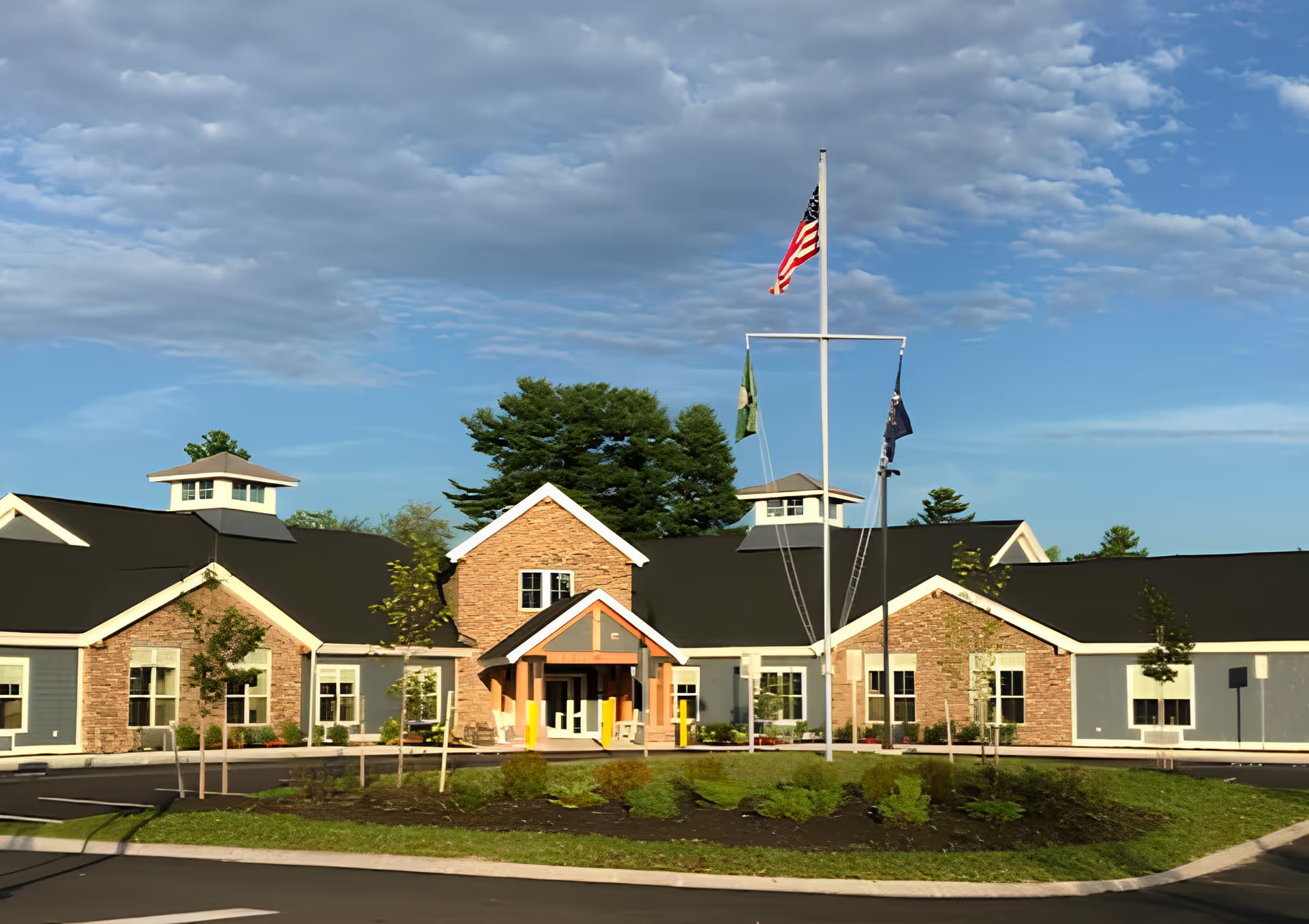
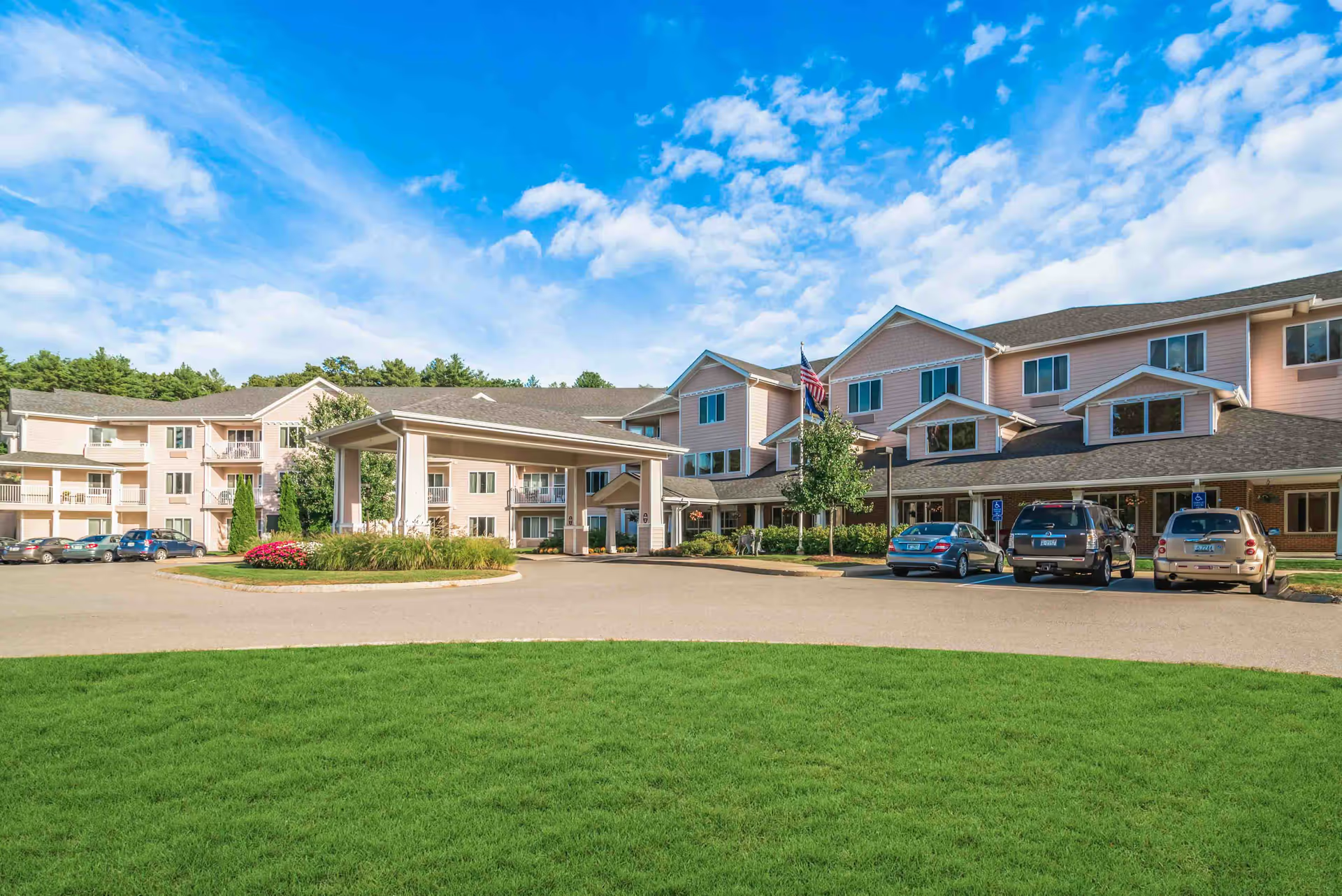
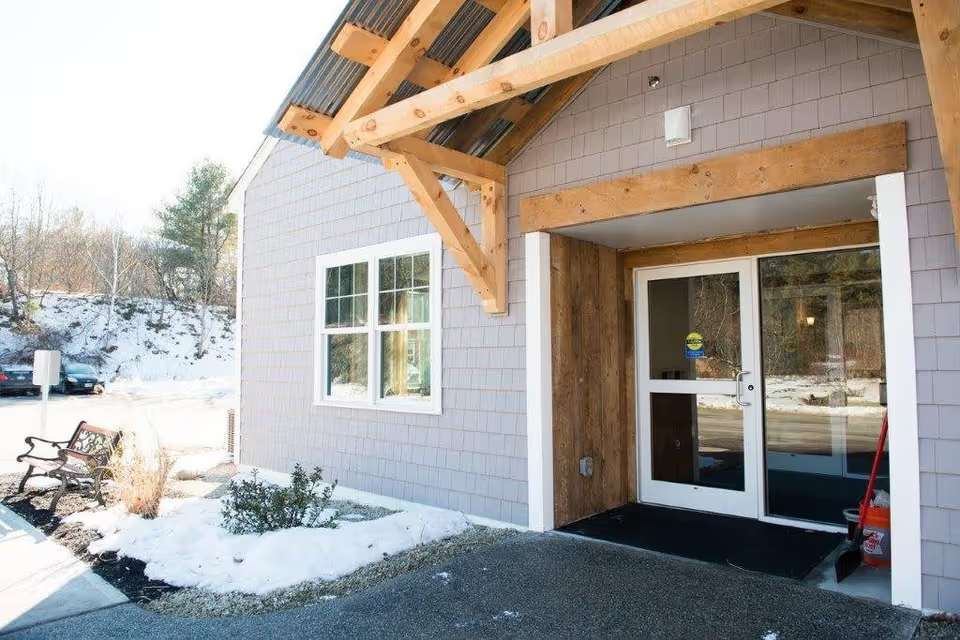
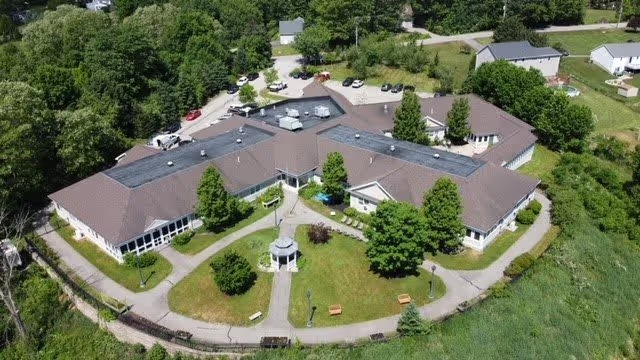
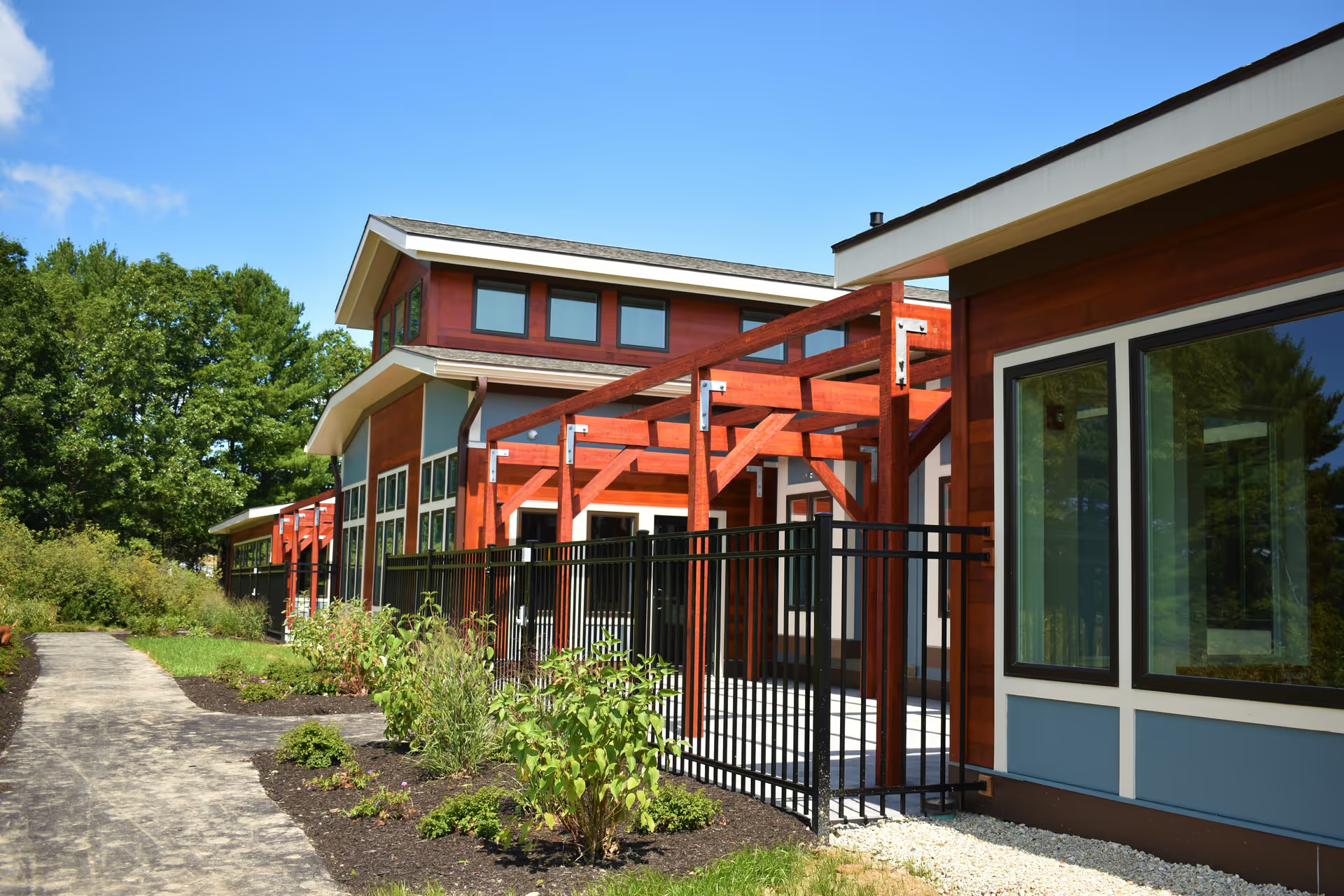
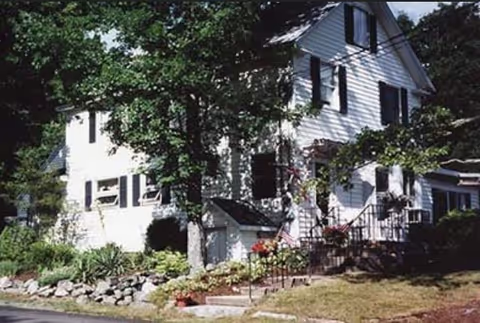
Langdon Place of Dover elicits a broad range of experiences. Many families and residents describe strong clinical and social supports — notably compassionate nursing and caregiving teams, robust rehabilitation services (PT/OT/SLP), and an active, community-oriented program of activities and outings. The campus offers attractive amenities for many residents, including a heated indoor pool, fitness areas, library, restaurant-style dining with chef-driven menu items and baked goods, and bright, spacious apartments. Admissions and social-work staff receive frequent praise for being welcoming and proactive, and reviewers commonly highlight smooth short-term rehab stays, hospice transitions, and a warm sense of community.
At the same time, recurring operational issues appear across reviews. Staffing inconsistency and turnover are common themes and are tied to longer call-response times, delayed medication administration, and variability in the quality and attentiveness of care. Families noted lapses in medication management and delays in basic care tasks and monitoring. Cleanliness and sanitation problems in specific rooms or units, along with maintenance backlogs and HVAC issues, were reported, suggesting uneven housekeeping and facilities upkeep across the building.
Dining and programming show mixed performance. While many residents praise the dining experience, chef-prepared entrees, and varied activities (music programs, book clubs, outings), other accounts describe inconsistent meal timing, tray delays, limited special-diet accommodations, and variability in food quality. Memory-care programming is described as home-like and engaging in some accounts, but other families experienced insufficient one-on-one stimulation and limited activity options for residents with cognitive impairment.
Communication and management are additional areas of divergence. Admissions and certain administrative staff are often praised for clear upfront pricing and helpful transitions; conversely, some families reported poor communication during clinical incidents, slow follow-up from leadership, or frustration during ownership/management transitions. There are also intermittent accounts of professionalism and ethical concerns involving staff conduct that warrant direct inquiry.
For prospective residents and families: the facility demonstrates clear strengths in rehabilitation, social programming, and compassionate interpersonal care, and many residents thrive there. At the same time, the patterns above suggest it is important to clarify operational details before placement. Recommended questions include staffing ratios and turnover, medication‑administration safeguards, sanitation and housekeeping schedules, meal accommodation processes for special diets, on-site physician coverage and care-coordination protocols, memory-care staffing and programming, and procedures for family notifications after incidents. An in-person tour that inspects both common areas and potential resident rooms, and direct conversations with nursing leadership and the social worker, will help assess whether Langdon Place’s strengths align with a particular resident’s needs and risk profile.