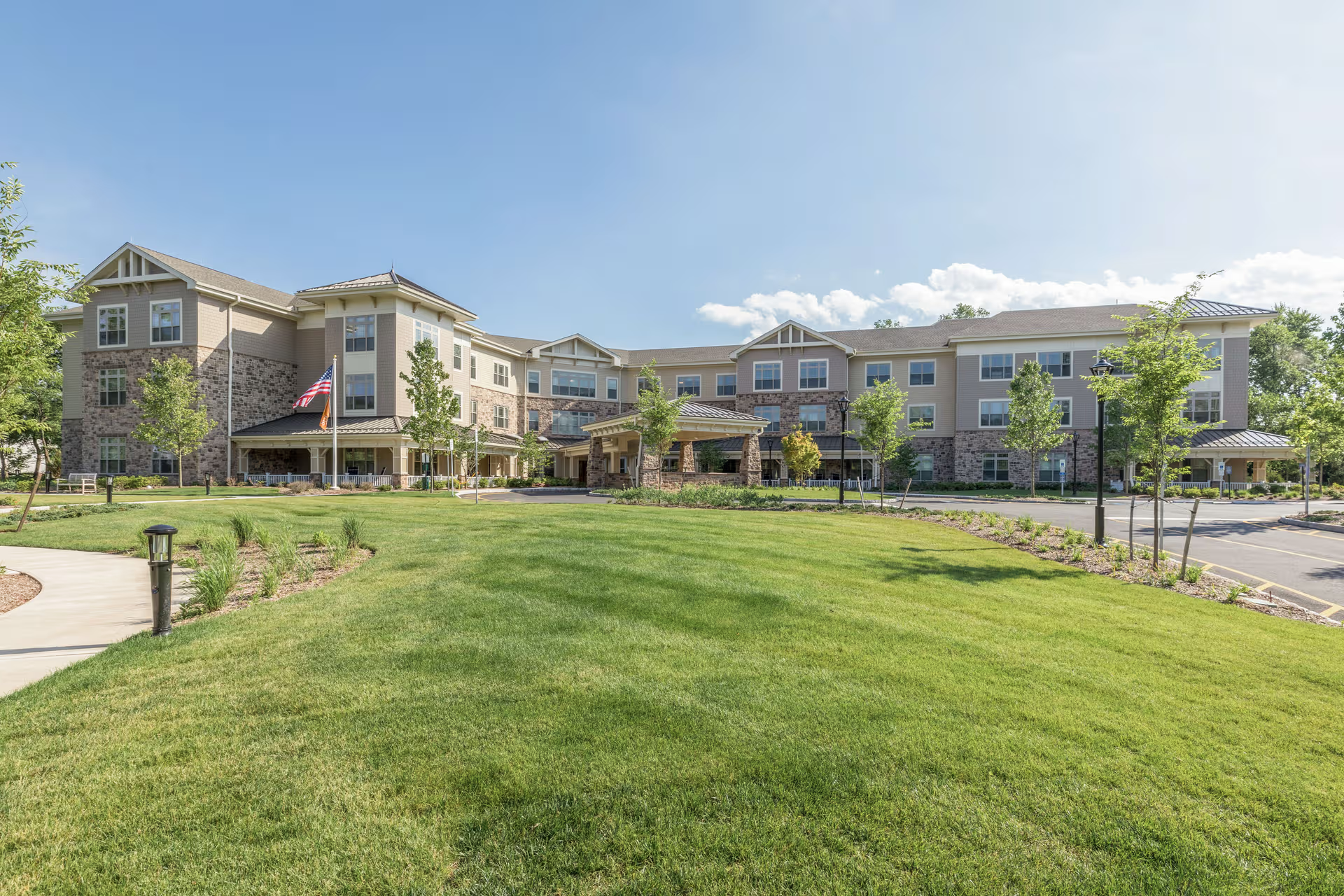
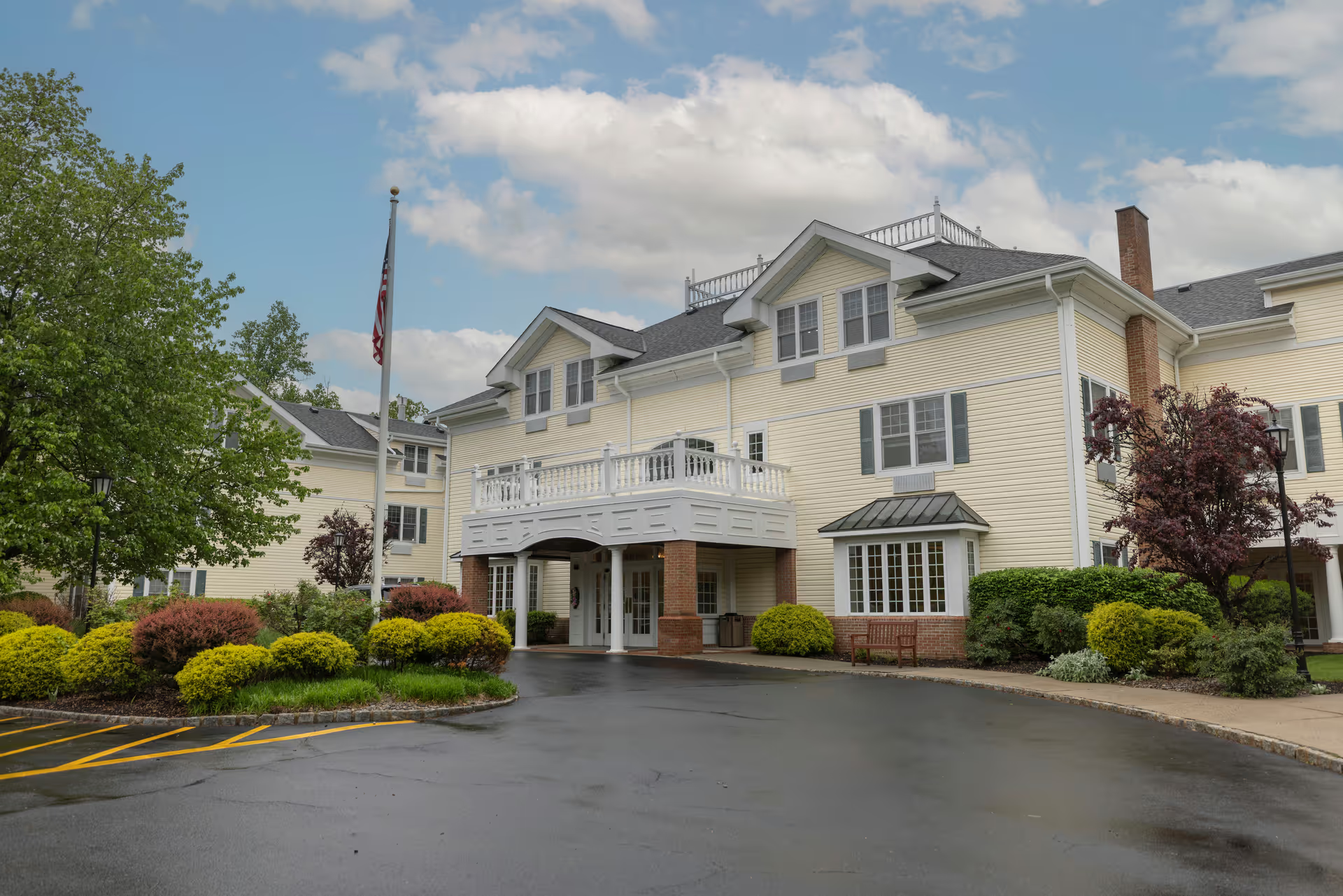
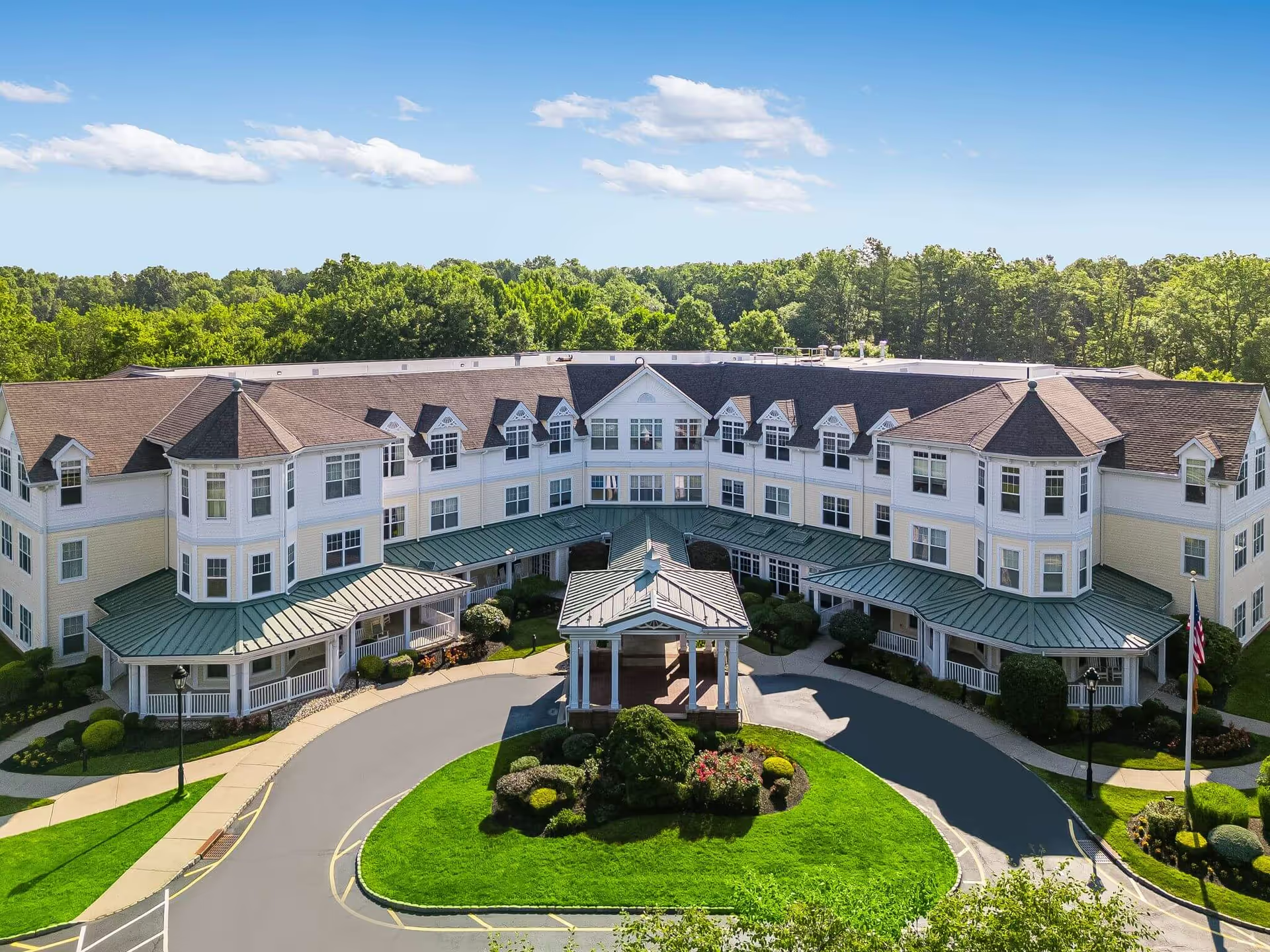
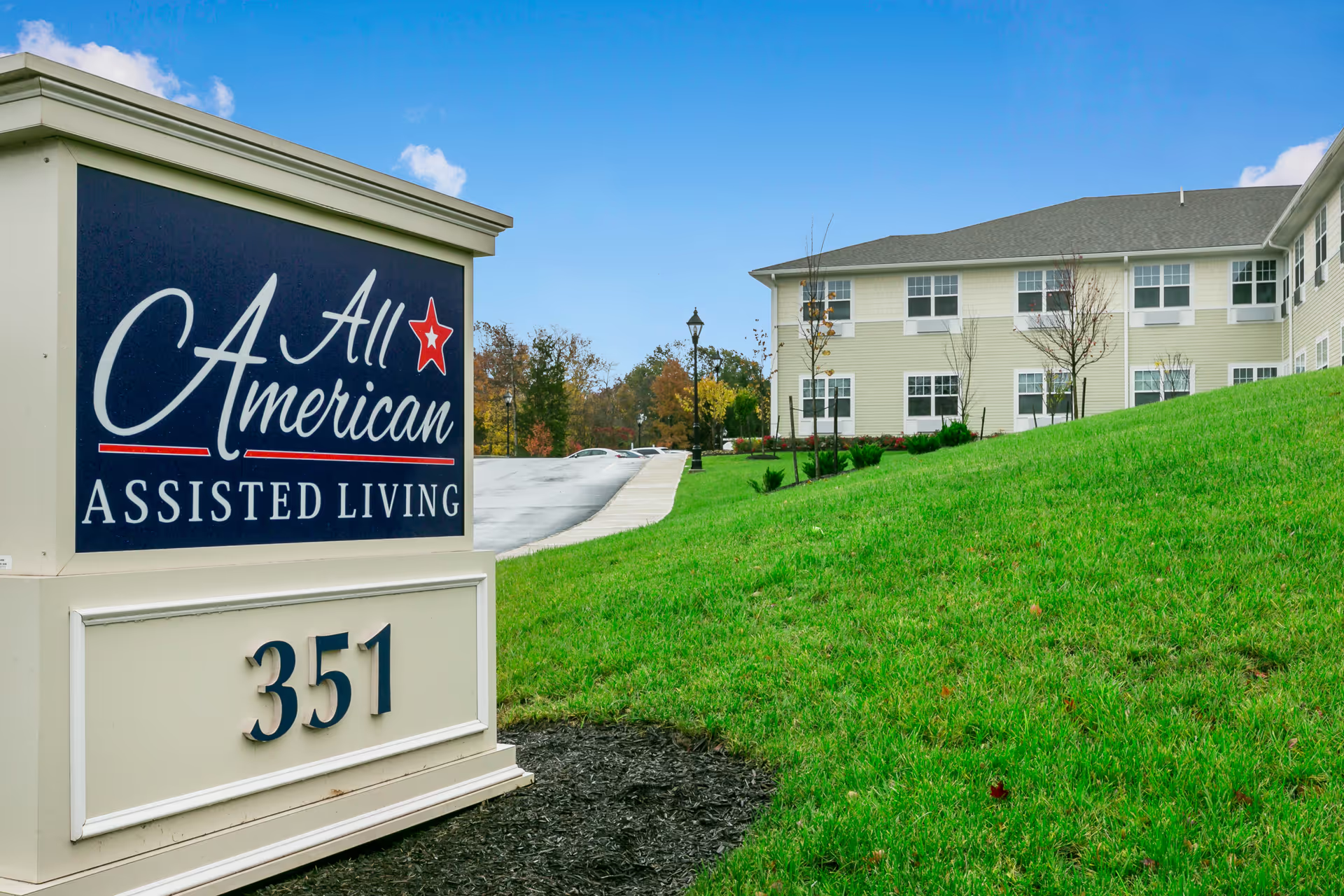
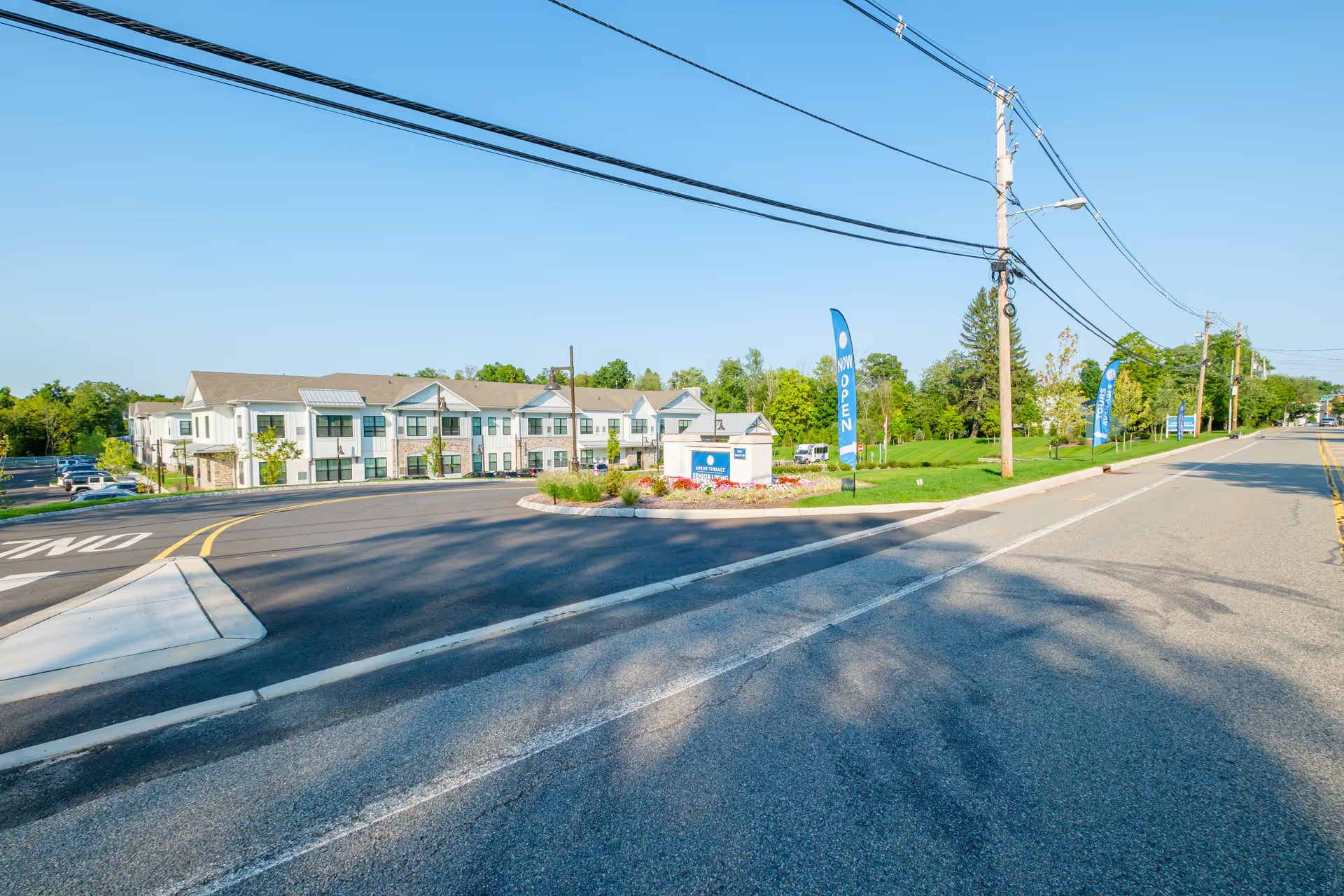
The Delaney of Bridgewater receives consistently strong feedback for its setting, accommodations, staff, and move-in support. Residents and families describe a bright, modern, well-maintained community with spacious apartments, attractive common areas, landscaped grounds, and appealing views. Independent living, assisted living, and memory care are available on one campus, which families value as a way to accommodate changing needs. Reviewers also appreciate the monthly rental approach and the community’s proximity to shopping, medical appointments, and major roads.
Staff support is one of the most frequently praised aspects. Families describe employees as friendly, knowledgeable, responsive, and attentive to individual preferences. Sales and move-in teams are often credited with clear communication and detailed assistance before and after a move, including help with orientation and apartment setup. Families also speak positively about nursing communication and the responsiveness of memory-care leadership. Many describe residents as welcomed, treated with dignity, and helped to feel at home. One family, however, recounted a sharply negative experience with an initial memory-care placement and raised concerns about the assessment and response to their loved one’s needs. This individual account contrasts with numerous positive accounts of memory-care support and does not establish a broader pattern, but families considering higher-acuity care may want to discuss assessment, escalation, and hospital-transfer procedures directly with the community.
Dining feedback is generally favorable: residents and visitors often praise the meals, menu, and restaurant-style setting. Other comments describe meal quality as variable, including concerns about food temperature, fried-food frequency, and the ability to accommodate a prescribed renal diet. Prospective residents may wish to ask how dietary needs are documented and followed through in daily meal service. Activities are commonly described as varied and engaging, with exercise, games, clubs, outings, and live entertainment. A less favorable view is that activities can feel repetitive or insufficient for some residents. Reviewers also value family events and opportunities for residents to socialize at their own pace.
The community’s amenities include fitness and recreation spaces, salons, common lounges, courtyards, transportation, and, in some living options, housekeeping and meal services. Practical limitations noted include the absence of Hoyer lifts for residents who need mechanical lifting support and the possibility that independent-living residents will need to arrange additional assistance separately. Cost is another consideration: reviewers describe the community as expensive and note rent increases, although some feel the quality justifies the price. One independent-living resident raised unspecified security and safety concerns without providing details. Overall, the reviews convey strong satisfaction with the physical environment, staff, and transition process, alongside areas for families to examine closely—particularly total cost, dining and dietary arrangements, activity preferences, safety questions, and the level of care available for changing mobility or medical needs.