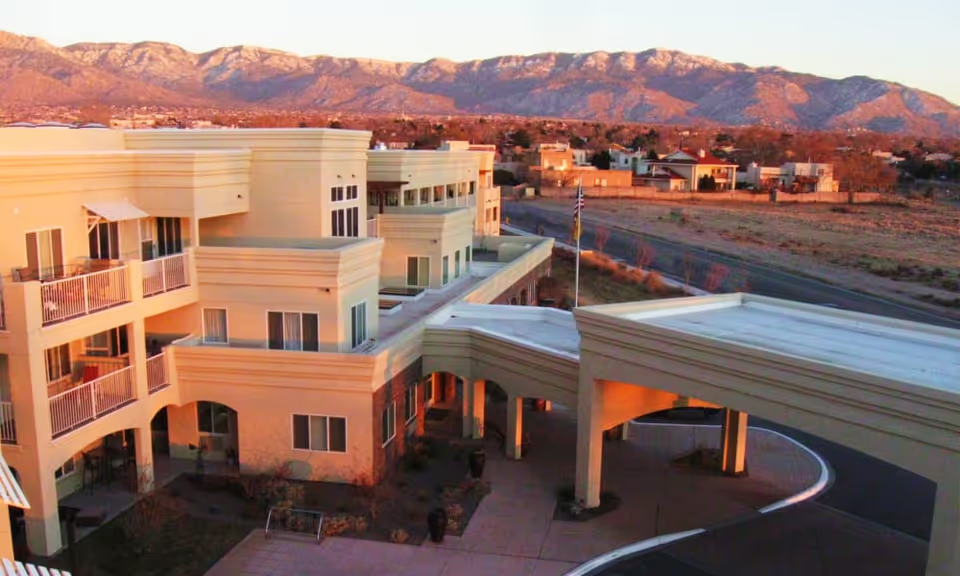
Overall impression: Reviews present a mixed but detailed picture. Many families and residents emphasize a warm, attractive campus with compassionate employees and round‑the‑clock nursing; others describe operational and clinical inconsistencies that merit careful inquiry during a tour. The facility earns consistent praise for its environment, rehabilitation services, and elements of hospitality, while there are recurring concerns about how clinical leadership, medication oversight, and memory‑care programming are implemented.
Care and clinical oversight: Strengths include 24‑hour nursing coverage, responsive adjustments to care plans, and successful physical‑therapy outcomes for some residents. The facility’s perfect state audit (May 2024) is a notable regulatory achievement and supports an overall baseline of compliance. Counterbalancing that, reviewers raise concerns about clinical leadership experience and the functional scope of certain caregiver roles (for example, medication technicians who are not nurses). These issues point to potential gaps in medication knowledge and in consistent clinical decision‑making. Prospective families should ask about staff credentials, nursing‑to‑resident ratios by unit, and protocols for medication review and emergency response.
Staff and management: Many accounts describe staff as genuinely caring, welcoming, and helpful; staff members who “go the extra mile” are repeatedly mentioned. At the same time, there are reports of perceived favoritism, occasional unprofessional conduct, and an administrative tone that some families find disengaged. These themes suggest variable onsite management practices and differences in team culture between units. Questions about staff training, supervision, staff‑turnover rates, and how the facility addresses staff‑conduct complaints are advisable for prospective residents.
Dining and activities: Dining is a clear strength for many residents—restaurant‑style service, appealing dining areas, and a menu that ranges from simple to more elaborate offerings. However, meal quality appears inconsistent across time and units; some families praised the food highly while others found it unsatisfactory. Activity programming is robust in parts of the community (bingo, exercise classes, field trips, visiting performers, and social events), but activity frequency and appropriateness are described as uneven, particularly within memory care. Prospective visitors should request sample activity calendars for each care level and ask how programming is adapted for cognitive impairment.
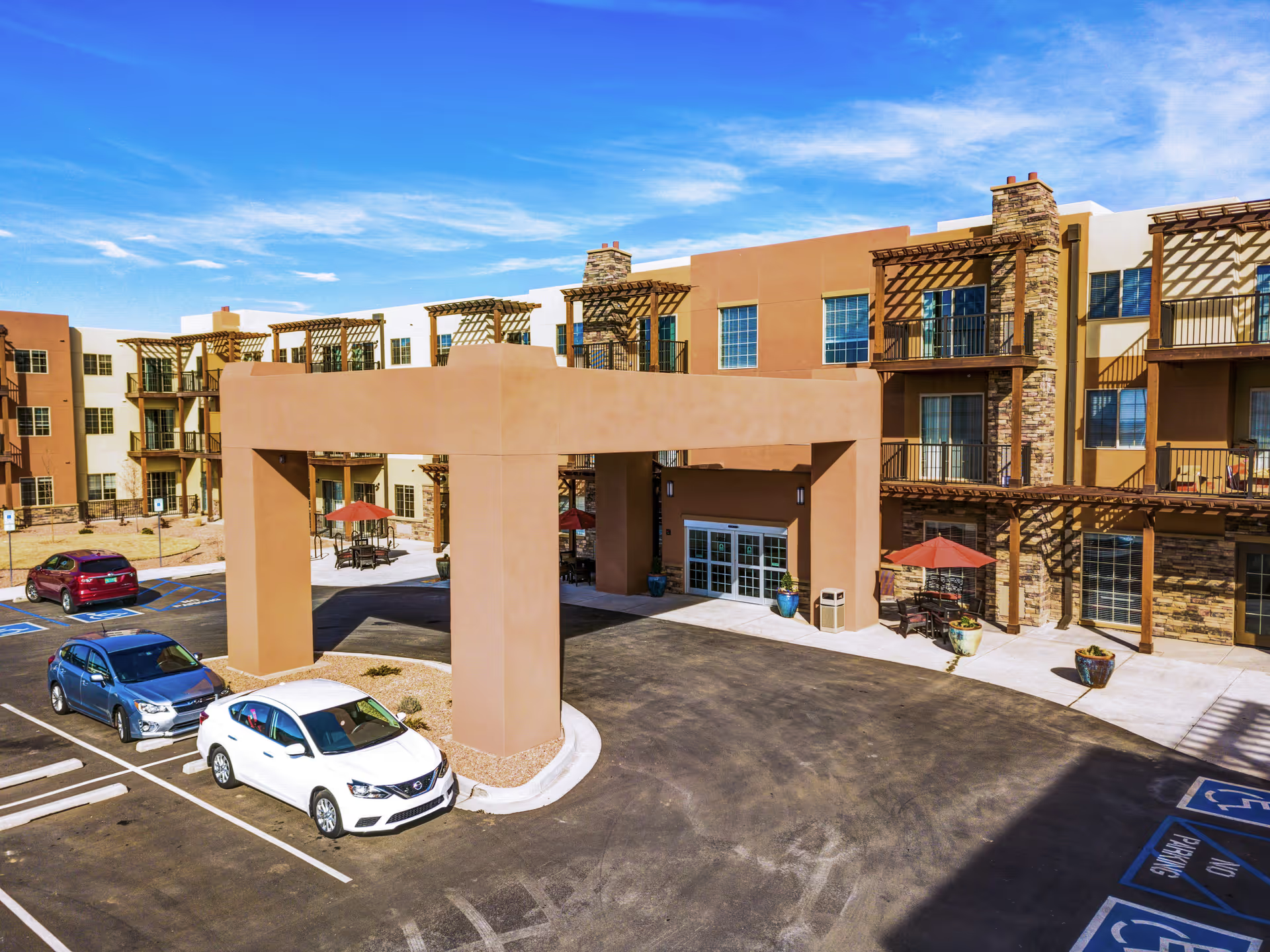
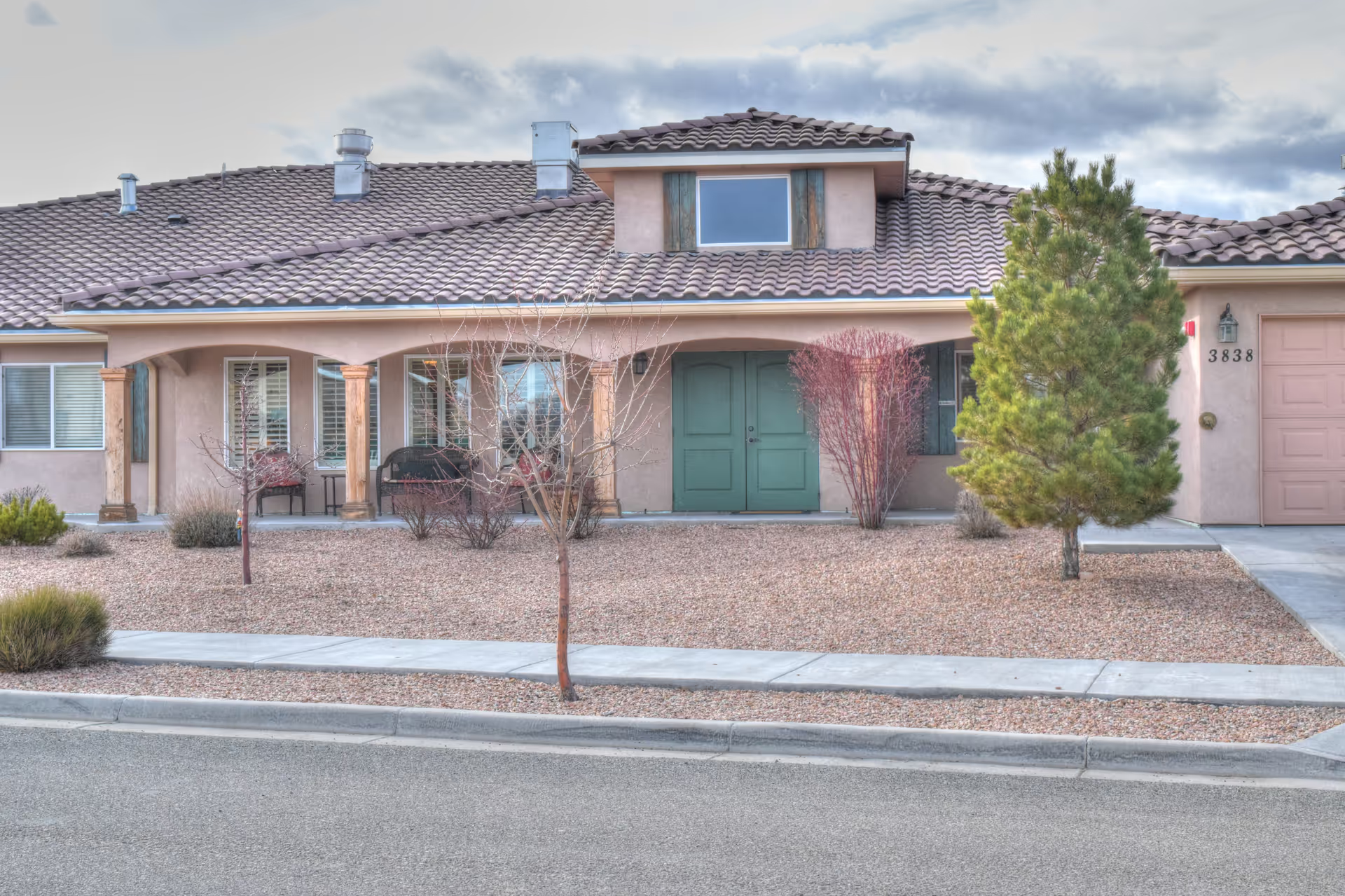
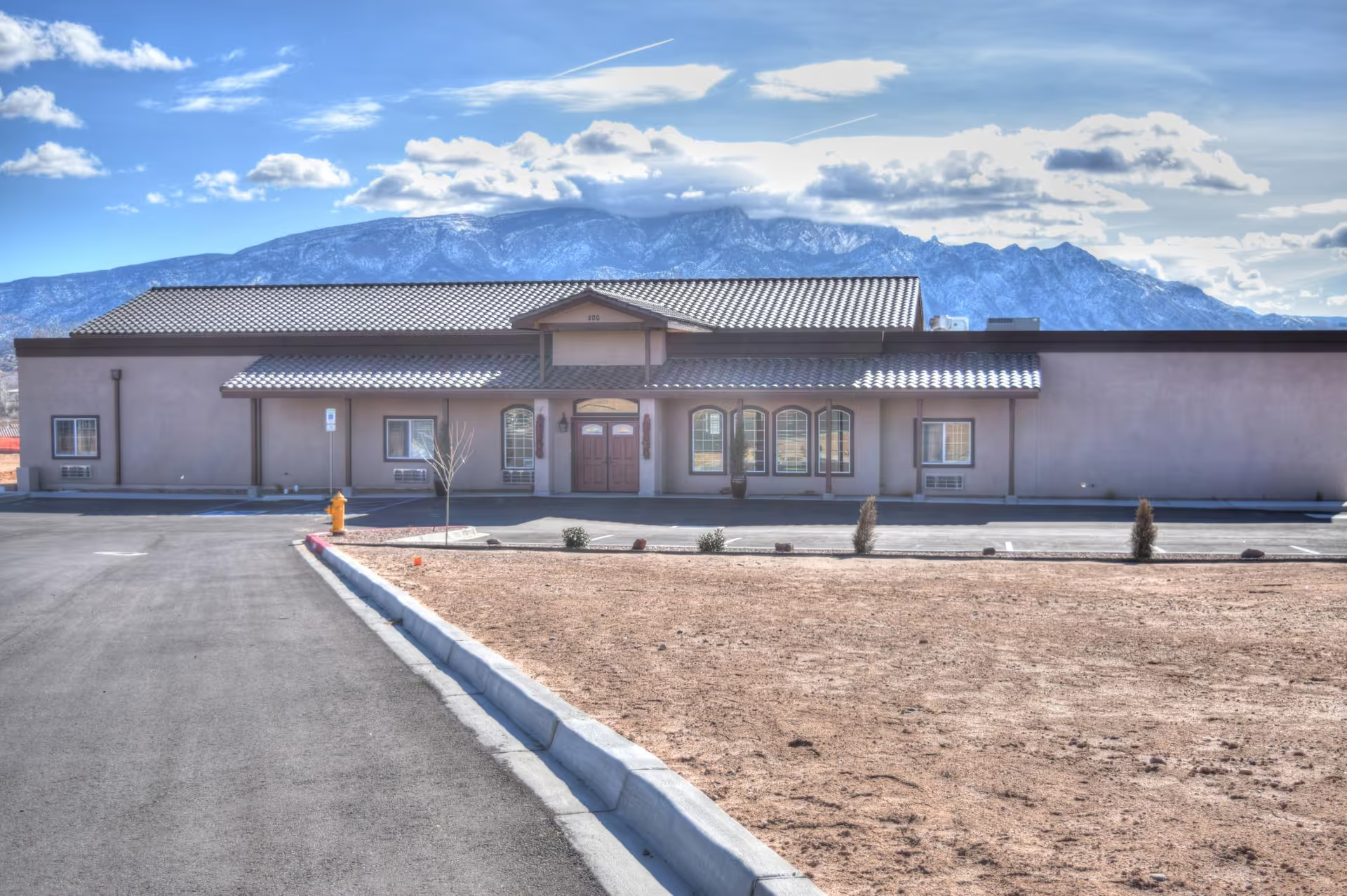
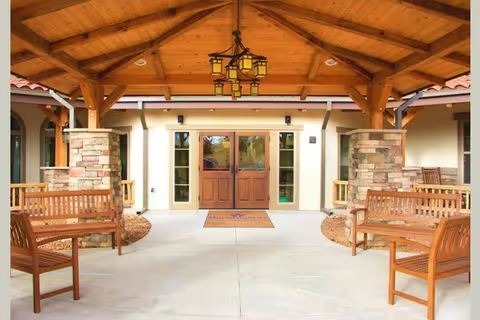
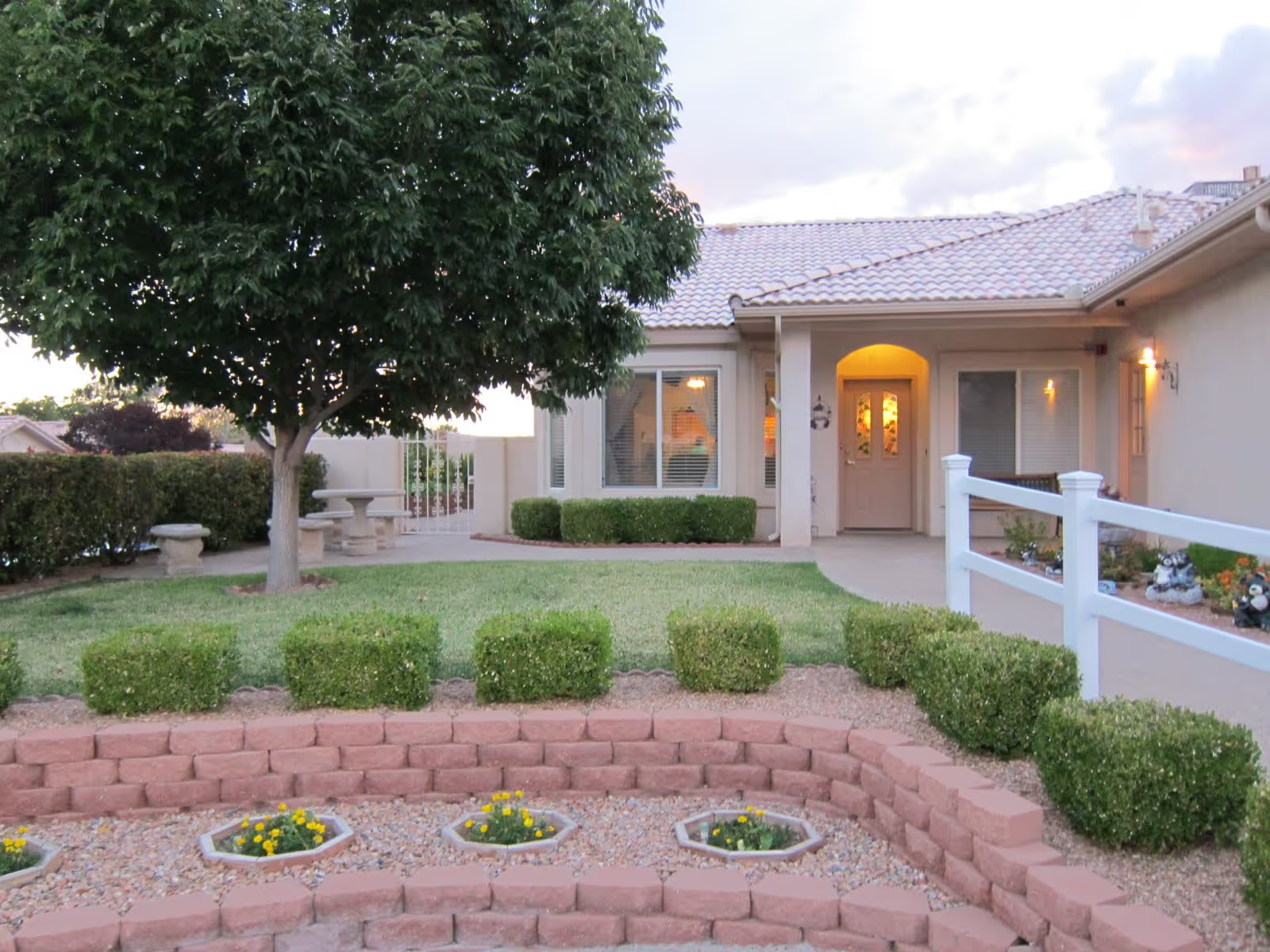
Facilities and housekeeping: The campus and common areas are frequently described as clean, well‑kept, and attractive, with pleasant views and comfortable communal spaces. Apartment sizes vary from large efficiencies to smaller memory‑care rooms; this variability has created differing resident experiences. Housekeeping is generally praised but several notes indicate irregularities in cleaning schedules and occasional sanitation concerns in specific rooms or units. There are also multiple comments about inconsistent temperature control in memory‑care rooms. Confirming unit layouts, heating/cooling controls, and routine housekeeping protocols during a visit is recommended.
Notable patterns and recommendations: The most consistent pattern is variability — excellent experiences coexist with more critical ones, and the differences often map to care level (independent/assisted vs memory care), staff on duty, or particular units. There are a small number of serious individual complaints, including delayed clinical responses and concerns following a resident’s death; these warrant direct discussion with administrators and, if needed, review of incident logs or regulatory follow‑up. Prospective residents and families should tour multiple unit types, meet nursing leadership, review recent inspection results, ask detailed questions about staffing and medication procedures, verify housekeeping and activity schedules, and obtain a clear explanation of fees and what higher‑level care includes.
Bottom line: Kingston Residence of Santa Fe offers many strengths — especially an appealing facility, active social programming in some units, and a staff base that many families find caring. However, the community shows operational variability in clinical oversight, memory‑care environment and programming, housekeeping consistency, and meal quality. A focused, unit‑level evaluation during a visit will help determine whether the community’s strengths align with a particular resident’s needs and expectations.