The Waterford on the Bay receives positive feedback for its waterfront setting, welcoming atmosphere, and staff interactions. Families often describe staff as kind, attentive, and helpful, and some report strong support from nursing and medical personnel. Several families say residents have adjusted well, formed friendships, or benefited from assistance with daily routines. Other accounts describe difficulty reaching staff or administrators, inconsistent follow-through, and concerns about whether staffing levels are sufficient for residents who require frequent help. A few families also raise serious concerns about clinical monitoring, safety checks, medication communication, and the consistency of personal care; these accounts contrast with the many positive descriptions of care and should be explored directly with the facility.
Dining experiences vary. Some residents enjoy the food, including kosher options, and families describe staff accommodating preferences and dietary needs. Others find meal quality uneven, menus repetitive, or food unsuitable for their family member. The kosher menu is an important feature for some households but may not suit every resident’s preferences. Prospective families may want to review current menus, ask how individual needs are handled, and clarify meal options on weekends.
Activities include games, exercise, movies, arts and crafts, entertainment, outings, and social events. Residents who participate may benefit from the opportunities to connect with others, and families sometimes praise recreation staff for encouraging involvement. However, reports differ on how engaging and varied the programming is, particularly for residents in memory care, who may have less access to broader community activities. Families should ask what programming is provided on the specific unit and how activities are adapted to a resident’s abilities and interests.
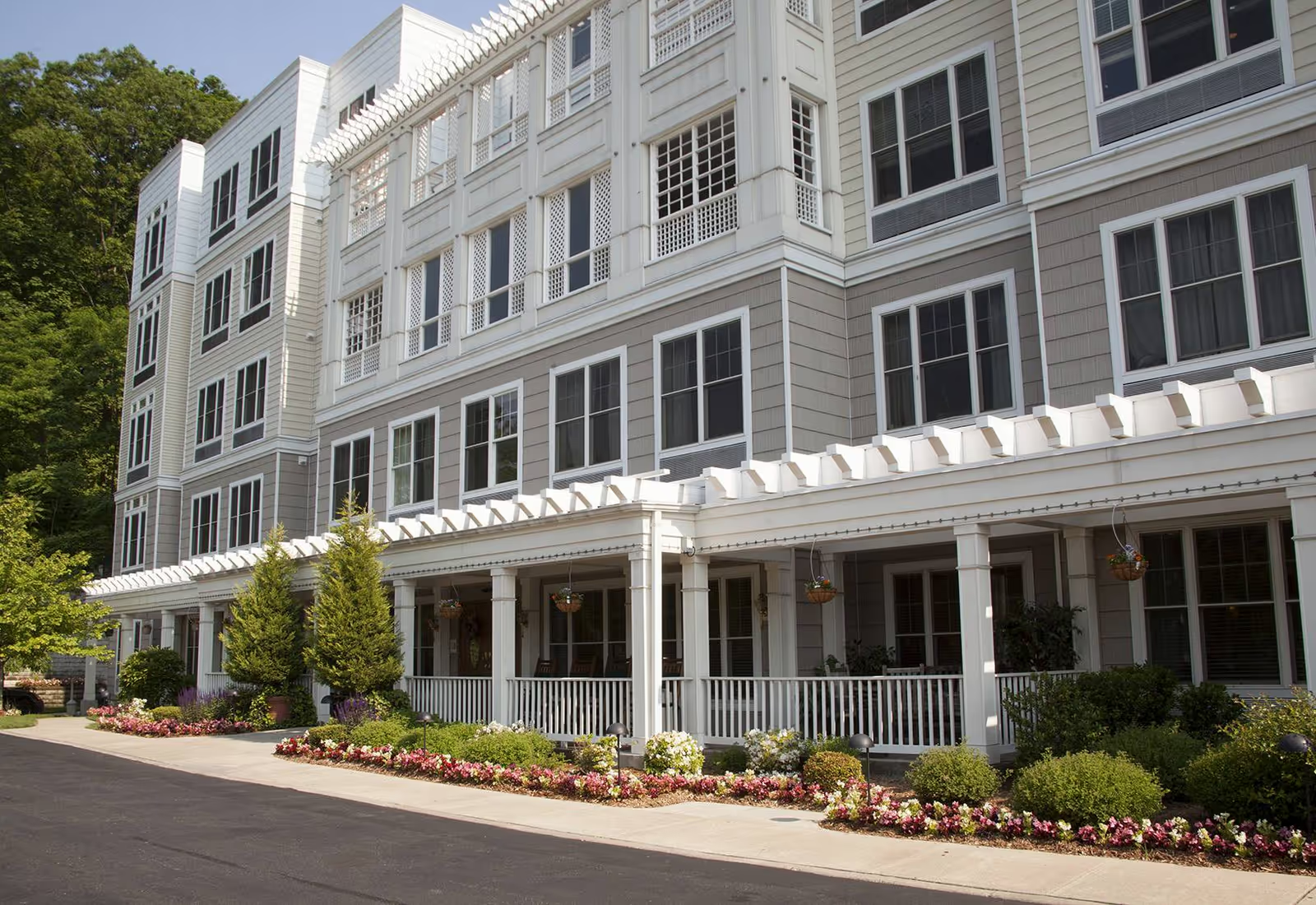
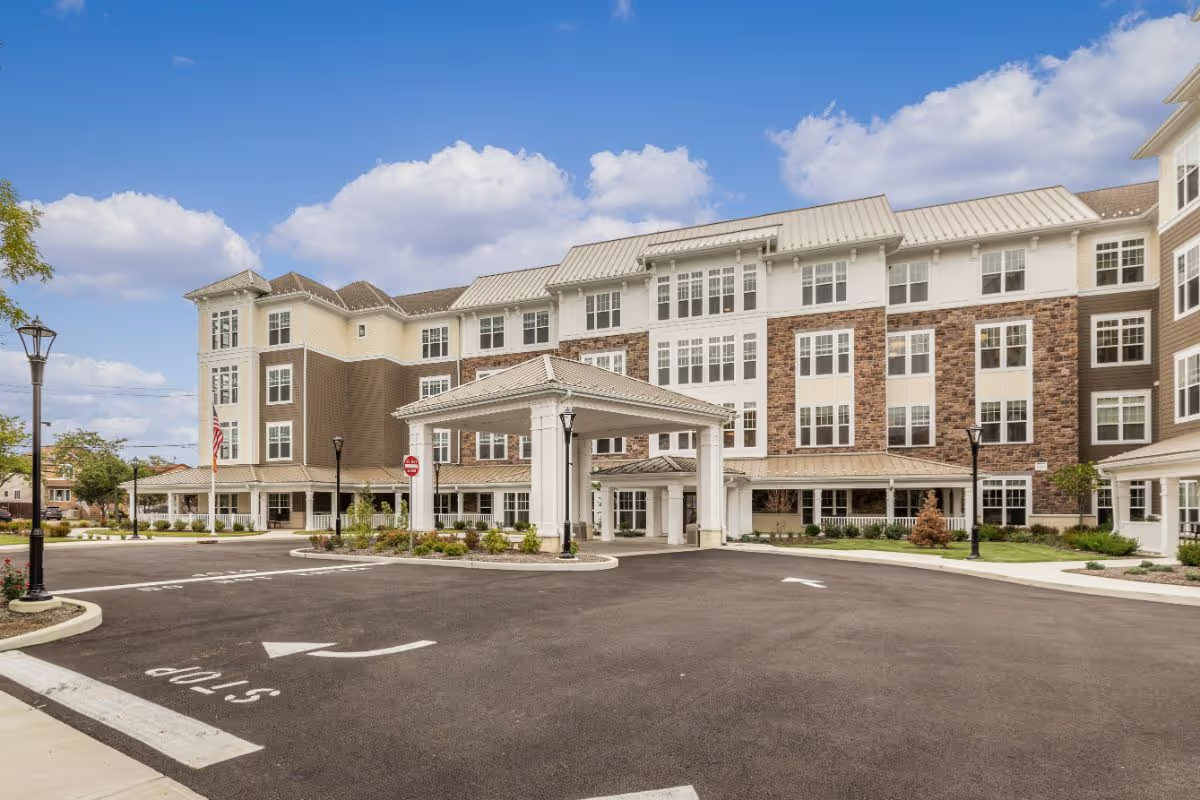
The building is frequently described as clean, bright, and attractive, with appealing bay views, dining and lounge areas, and on-site services such as hair care and therapy. At the same time, some visitors describe rooms as small and parts of the building, especially bathrooms and common areas, as dated or in need of updating. The scale and layout may feel more institutional to some prospective residents. Outdoor spaces and access to them also warrant a visit, particularly for families seeking a secure area for a resident with cognitive impairment.
Admissions staff are often praised for being informative and accommodating, and some families value the range of room arrangements and the relative value compared with nearby options. Experiences with pricing differ: some appreciate inclusive rates or clear fees, while others find the total cost and added care charges difficult to manage. Communication after move-in is a recurring area to assess, including who serves as the family’s primary contact and how concerns, health changes, personal belongings, and account or discharge matters are handled. Overall, the reviews reflect a community with notable strengths in location, staff warmth, cleanliness, and resident amenities, alongside meaningful variation in care coordination, dining, memory-care engagement, building condition, and family communication.