Overall impression Harbor House presents as a small, non‑corporate assisted living community that many families characterize as warm, home‑like, and staffed by compassionate caregivers. Strengths commonly highlighted include close family‑style relationships between staff and residents, accessible management, on‑site clinical resources (including physicians and neurologists), and programming geared toward memory‑care needs. The facility’s size appears to be an asset for personalized attention and continuity of relationships; reviewers frequently describe staff knowing residents by name and active family communication.
Care quality and clinical oversight Clinical oversight and medication support are recurrent positives: reviewers note neurologist involvement, on‑staff doctors or nurses, 24/7 coverage, and active assistance with activities of daily living. Memory‑care expertise is emphasized in multiple accounts, with structured groups organized by cognitive ability and staff trained to support Alzheimer’s and dementia needs. At the same time, there is variability in how higher‑dependency needs are handled—some families report attentive, tailored care while others describe delays in attending to residents who require more intensive supervision. Concerns about medication handling and the transparency of ancillary medication fees also appear across reviews and warrant clarification during tours or admission.
Staff, culture, and communication Most reviewers praise staff as caring, patient, and emotionally supportive; management is often described as approachable and responsive. Recreation staff and activity directors receive frequent commendation for keeping residents engaged. However, there are recurring notes of staff turnover and uneven staff performance. A limited number of stronger complaints involve staff conduct and communication breakdowns; these accounts stand in contrast to the majority of favorable descriptions and suggest the need to ask specific questions about staffing stability and supervision during any assessment.
Dining and activities Dining receives mixed feedback: many families report good, varied meals with menu choices and a pleasant dining environment, while other accounts indicate occasional cold meals or inconsistent food quality. Activities are a clear focus of the community—arts and crafts, bingo, exercise, musical entertainment, religious services, and outings are frequently cited. The experiential tone varies: some find the programming stimulating and frequent, while others describe repetitive offerings and wish for more physical or varied activities. Contributing factors include limited dedicated activity space and a small communal footprint, which can constrain group size and variety.
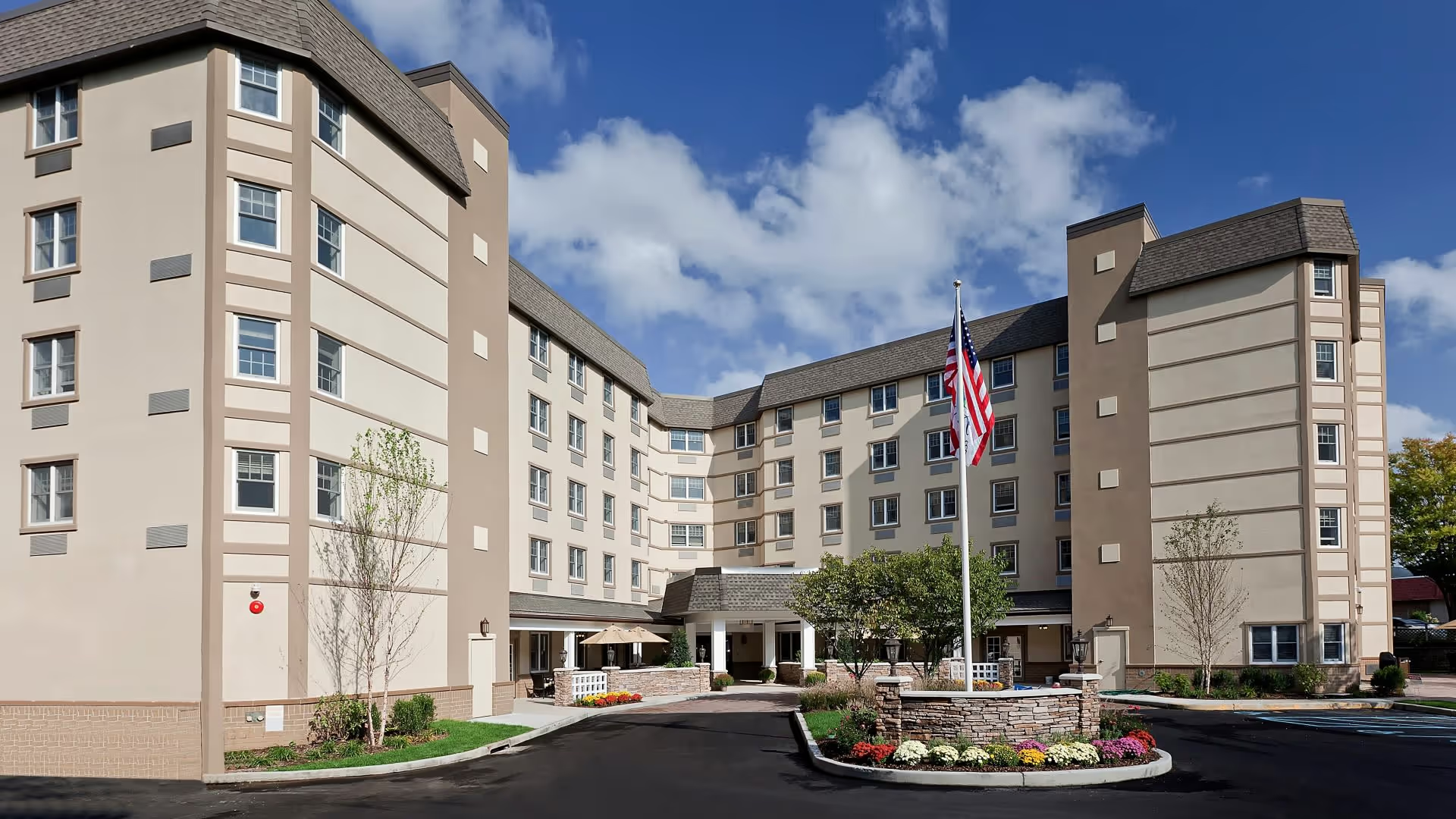
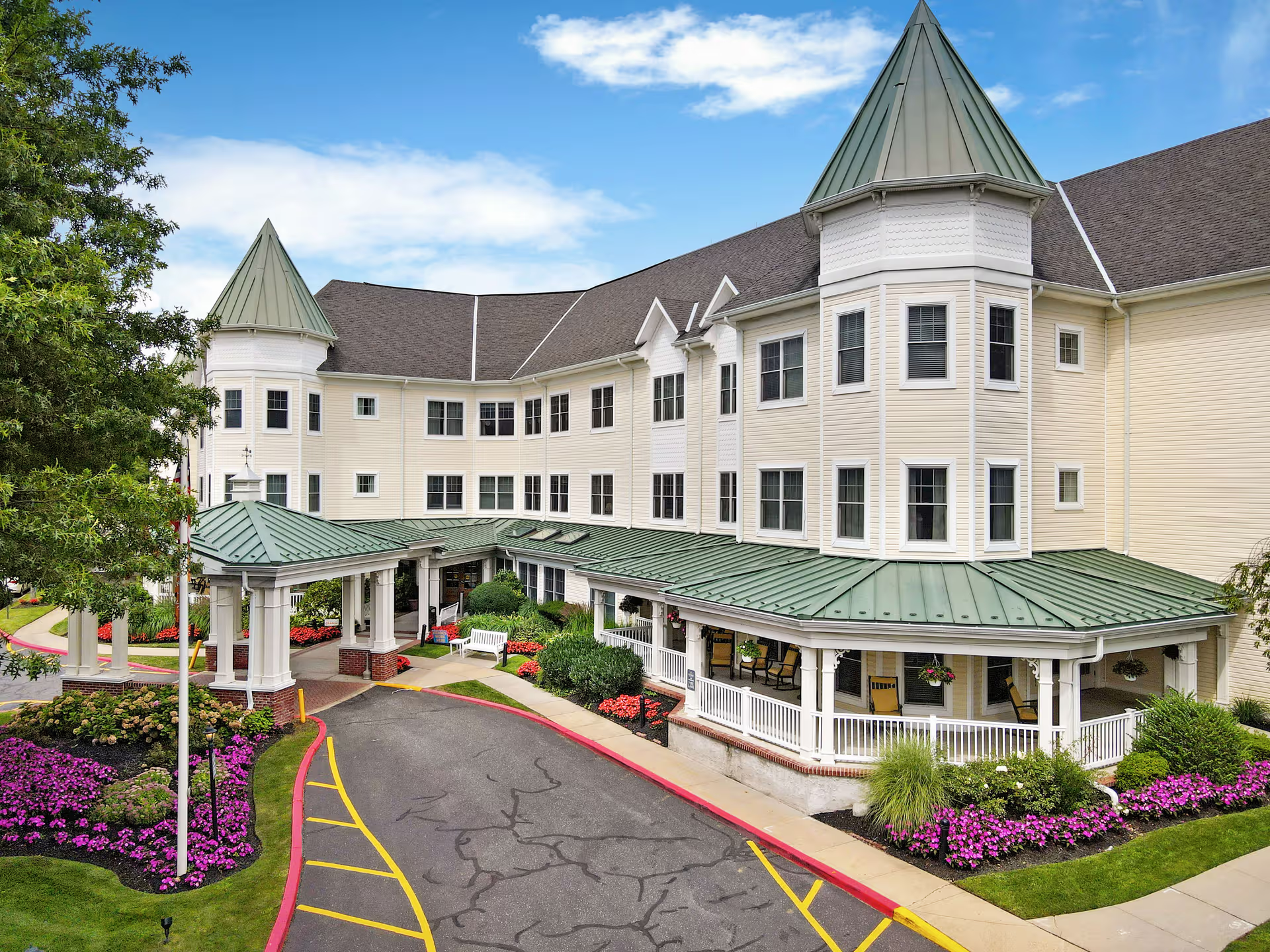
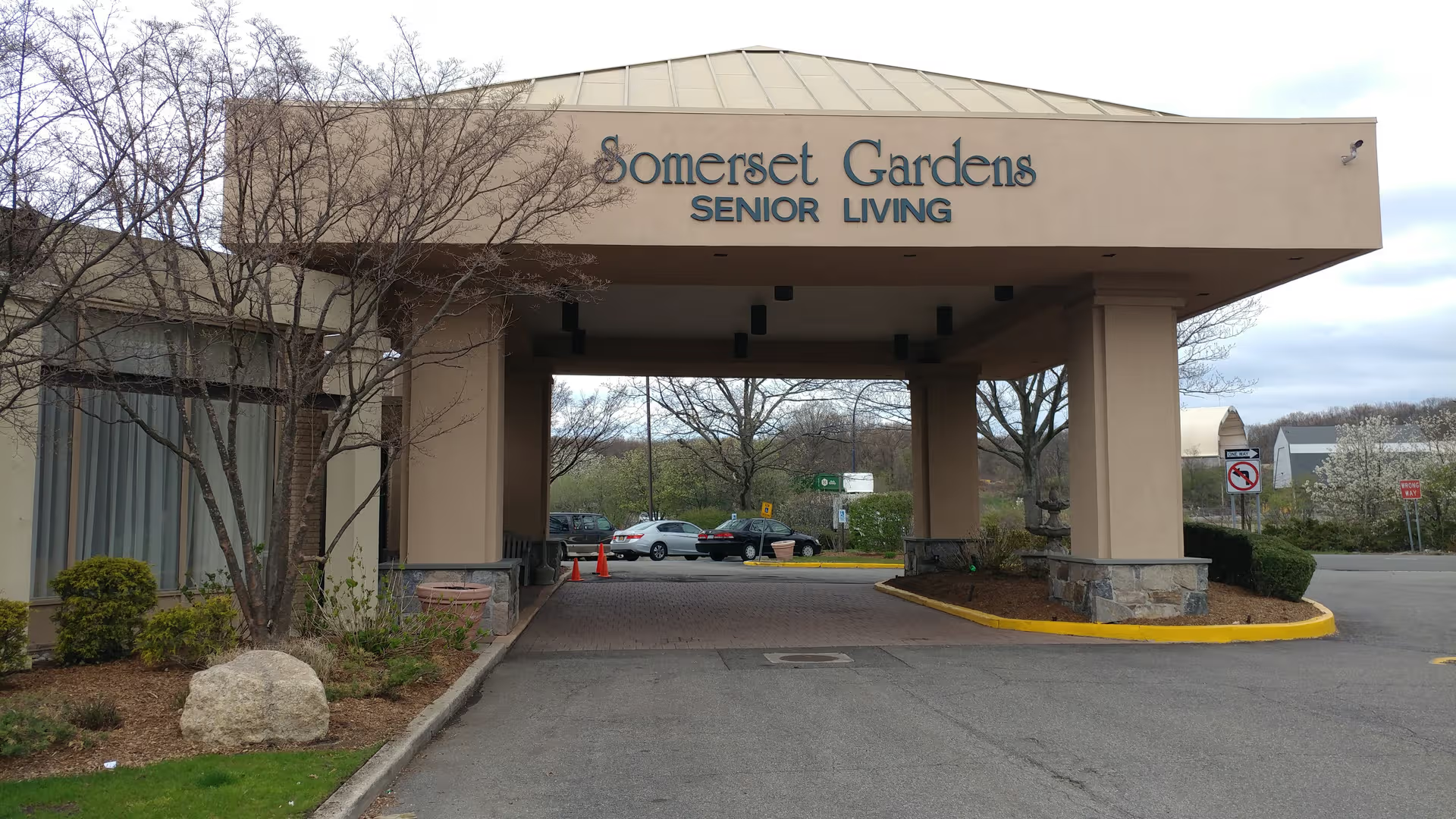
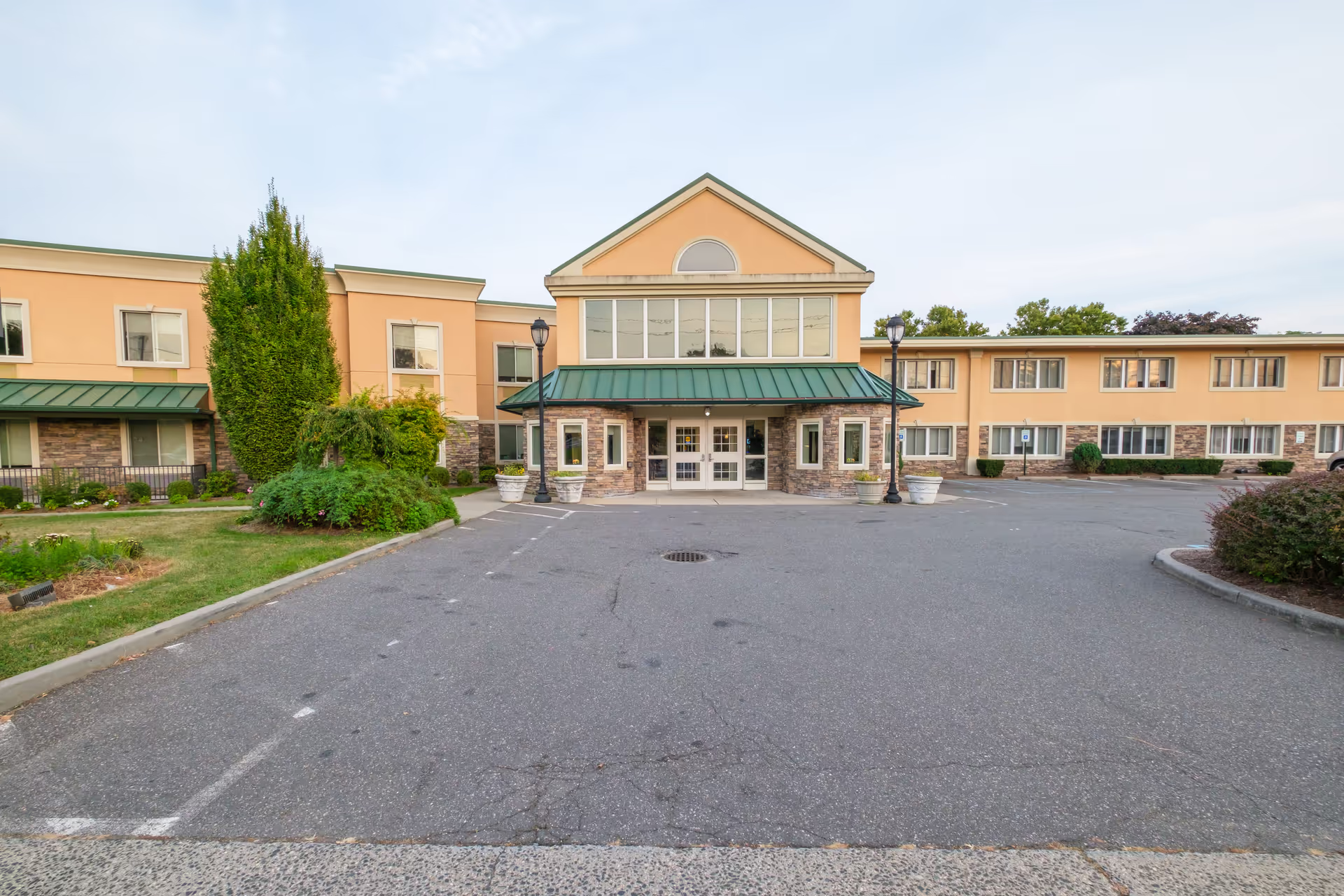
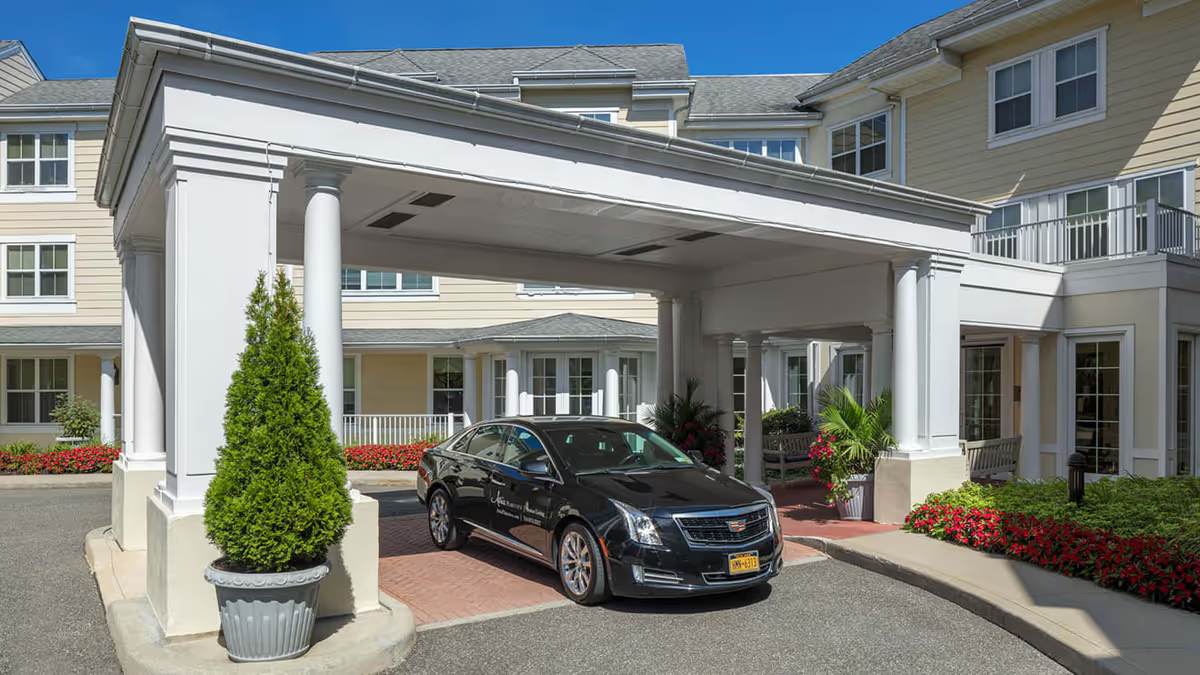
Facilities and infection control Physical facilities and grounds are often described as attractive, clean, and well maintained, with pleasant outdoor seating and garden areas. Conversely, reviewers also note small, dorm‑like resident rooms with limited closet space and a need for updates in some areas. Sanitation and incontinence‑care handling concerns are mentioned for particular units or floors; these represent operational issues to probe further. Several reviewers referenced disruptions related to infection‑control events (including COVID restrictions), which affected visitation and programming—ask about current policies and historical responses when evaluating the community.
Management, admissions, and costs Management is generally viewed as professional and communicative, and many families appreciate proactive updates and accessible leadership. At admission, however, multiple reviewers requested clearer written policies, per‑resident contact lists, and explicit explanation of staff roles by unit to reduce confusion. Cost structure questions arise frequently: some families consider the facility good value compared with corporate alternatives, while others point to high ancillary charges (for example, fees for showers or medication administration) and advise obtaining a full schedule of fees in writing prior to moving in. Limited bed availability and periodic waiting lists are mentioned as practical constraints.
Notable patterns and recommendations for prospective families In summary, Harbor House appears to offer strong personalized care, robust memory‑care programming, and a small‑community environment that many families appreciate. The primary areas to evaluate in person are staffing stability, the handling of higher‑dependency needs, clarity around medication management and ancillary fees, sanitation practices in specific units, and the scope and frequency of activities given the facility’s limited communal space. Prospective families should tour multiple times if possible, request written policies and fee schedules, meet clinical leadership, and ask about recent infection‑control responses and staff turnover to form a balanced view.