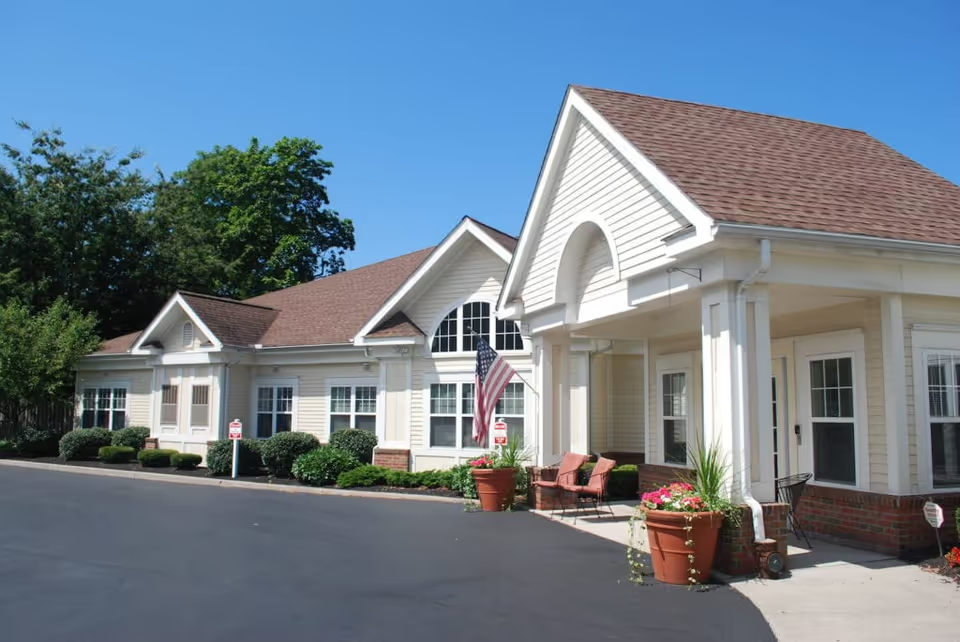
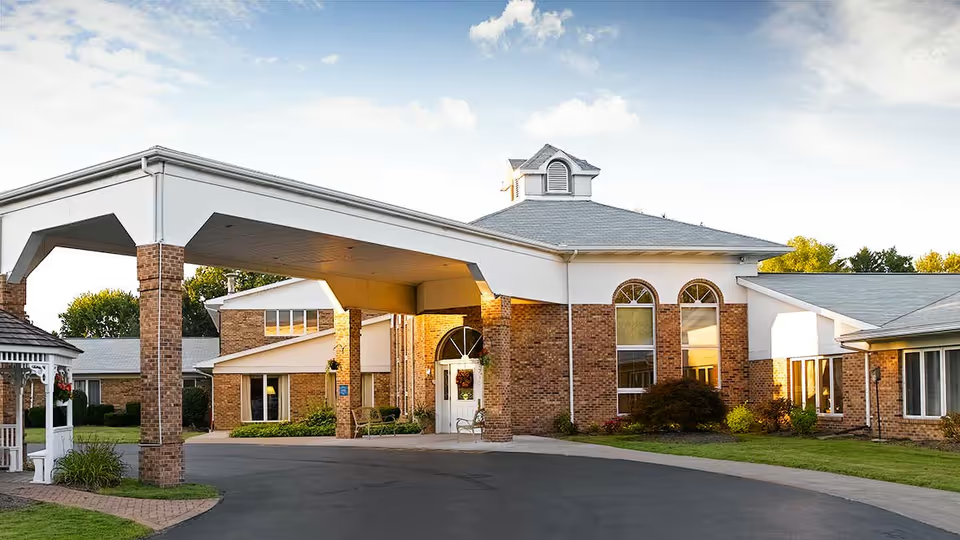
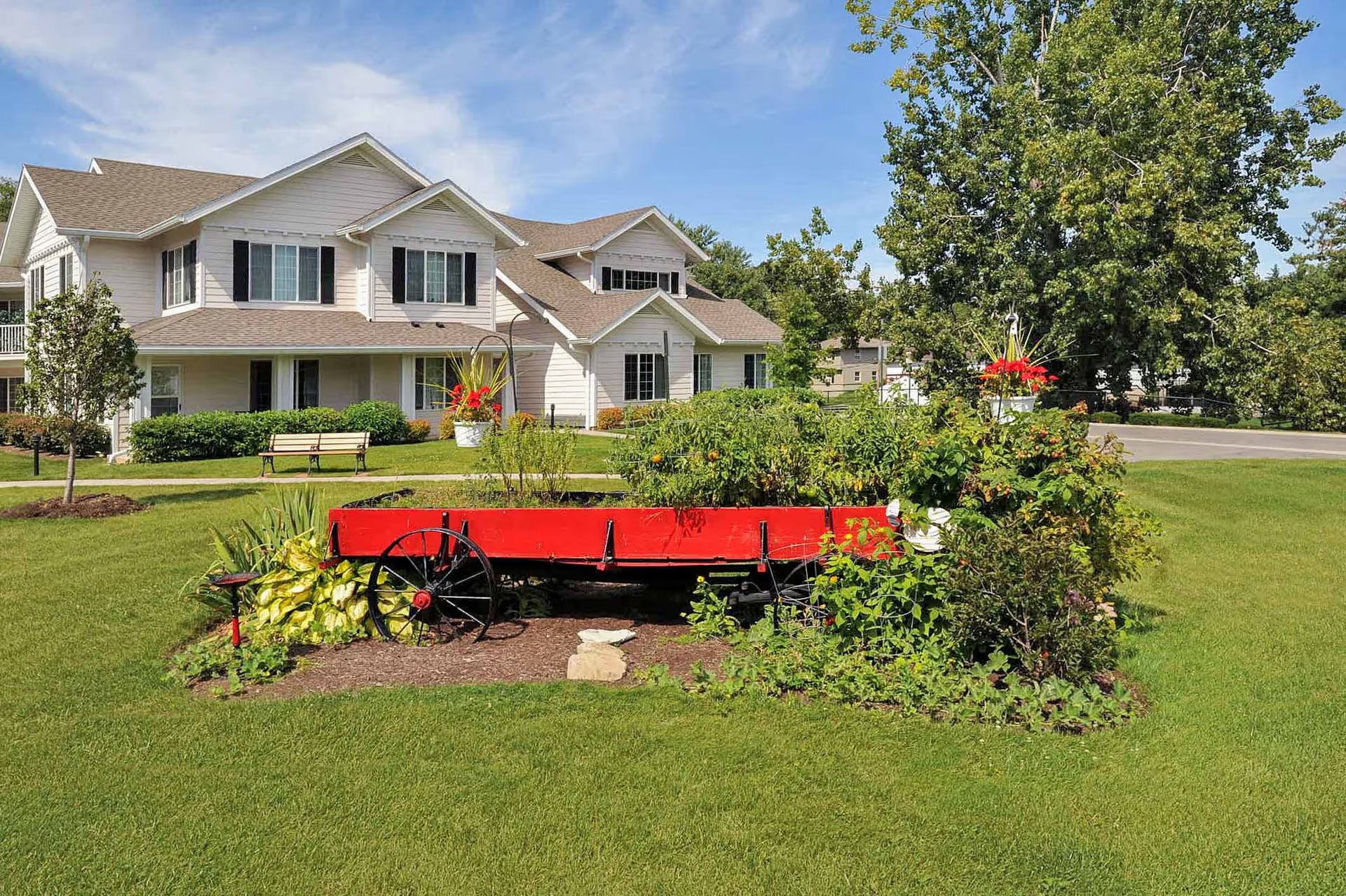
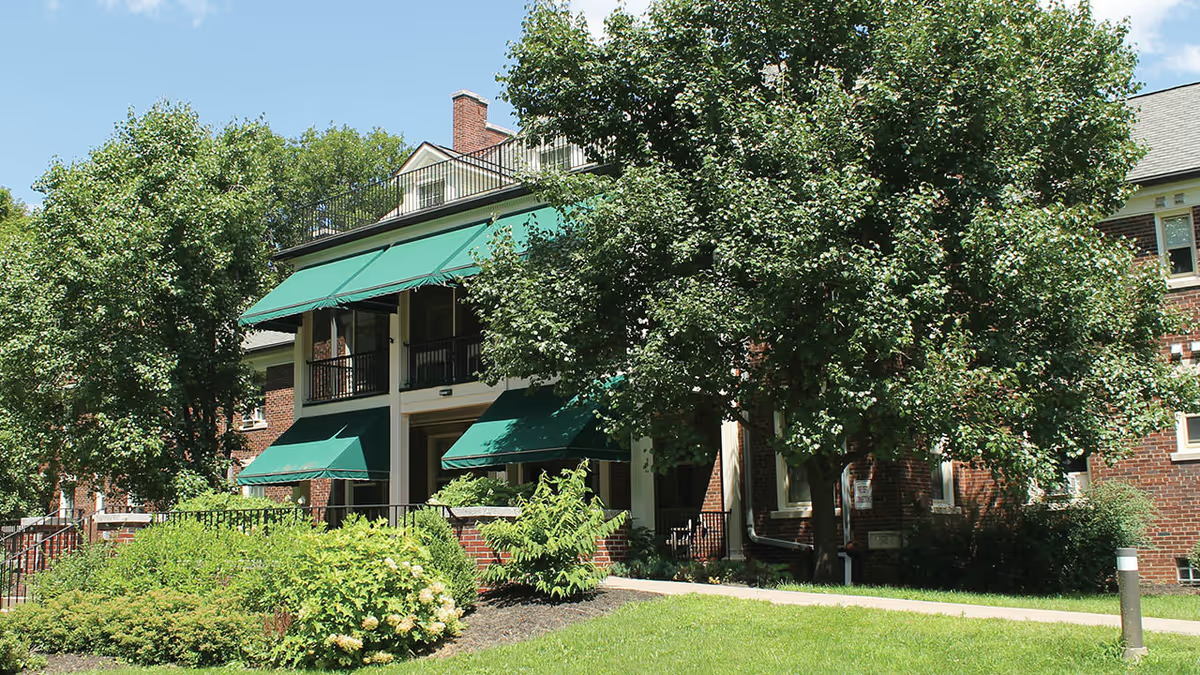
Legacy at Cranberry Landing presents a mixed but informative picture for prospective residents and families. Strengths frequently described include a warm, welcoming environment, engaged activities programming, and a set of on-site amenities (library, game room, movie room, beauty salon) that support social engagement. The community accommodates pets and offers multiple levels of care—independent living, assisted living, memory care, and enhanced rehab—which can simplify transitions for residents who change care needs.
Care and staff performance are areas of both praise and concern. Many families emphasize compassionate, resident-centered interactions, individualized attention, and staff who learn residents’ names and preferences. Admissions and move-in processes are commonly described as responsive and supportive. At the same time, reviewers indicate variability in staff conduct and clinical oversight: reviewers cite high turnover, uneven nursing responsiveness, and occasional delays in personal-assistance tasks. Evenings and some shifts appear to be understaffed at times, which reviewers linked to slower response times and frustration among families.
Dining and activities are notable features but show inconsistency. Several accounts describe restaurant-style meals with fresh vegetables, vegetarian options, and attentive dining staff; other accounts describe limited meal-service hours, heavy reliance on continental or starch-heavy offerings, and variable food quality. Activities programming is often highlighted as a strength—regular social events, outings, movies, games, and transportation to local shopping—but availability can be affected by infection-control measures or staffing shortages.
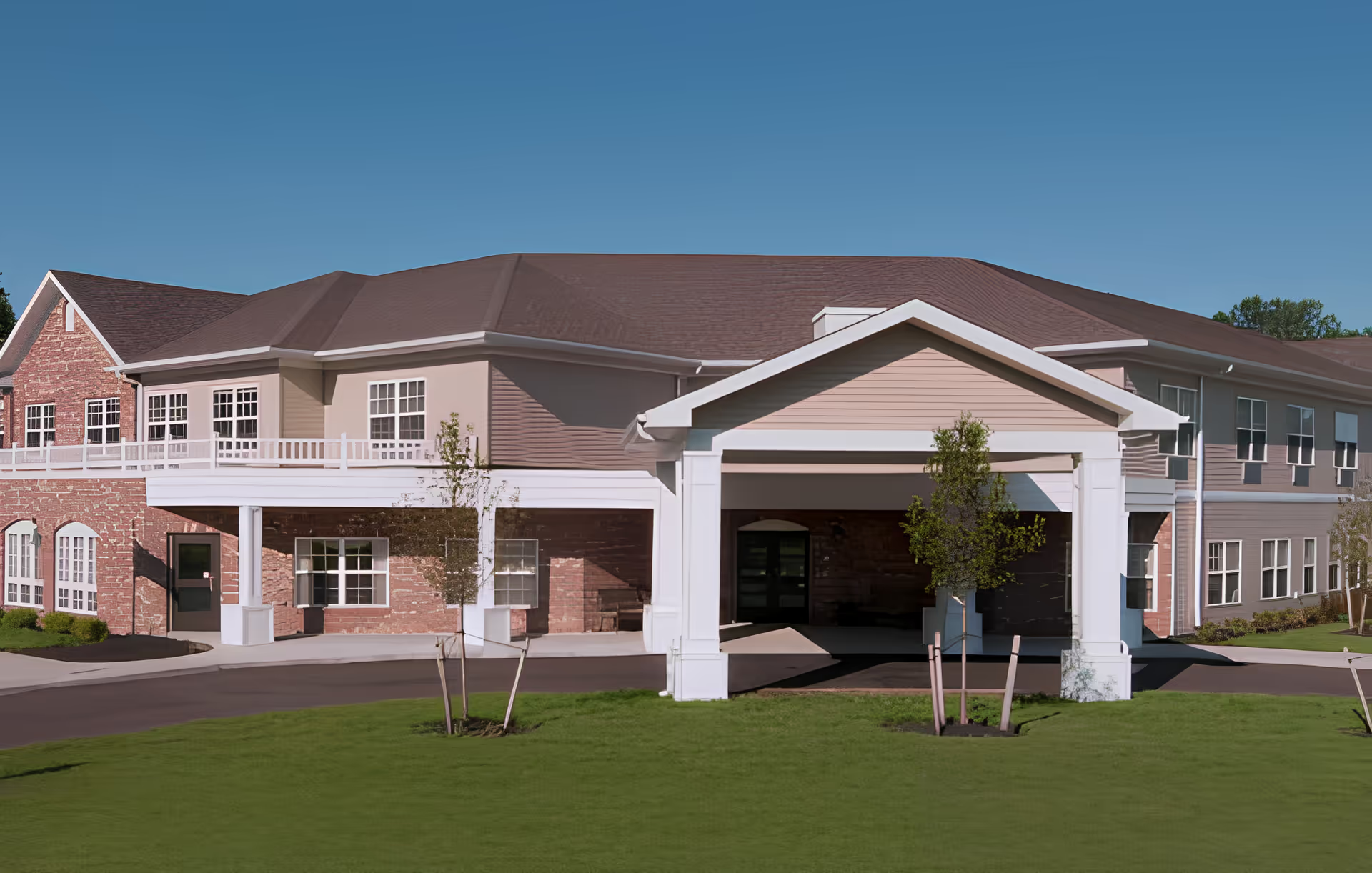
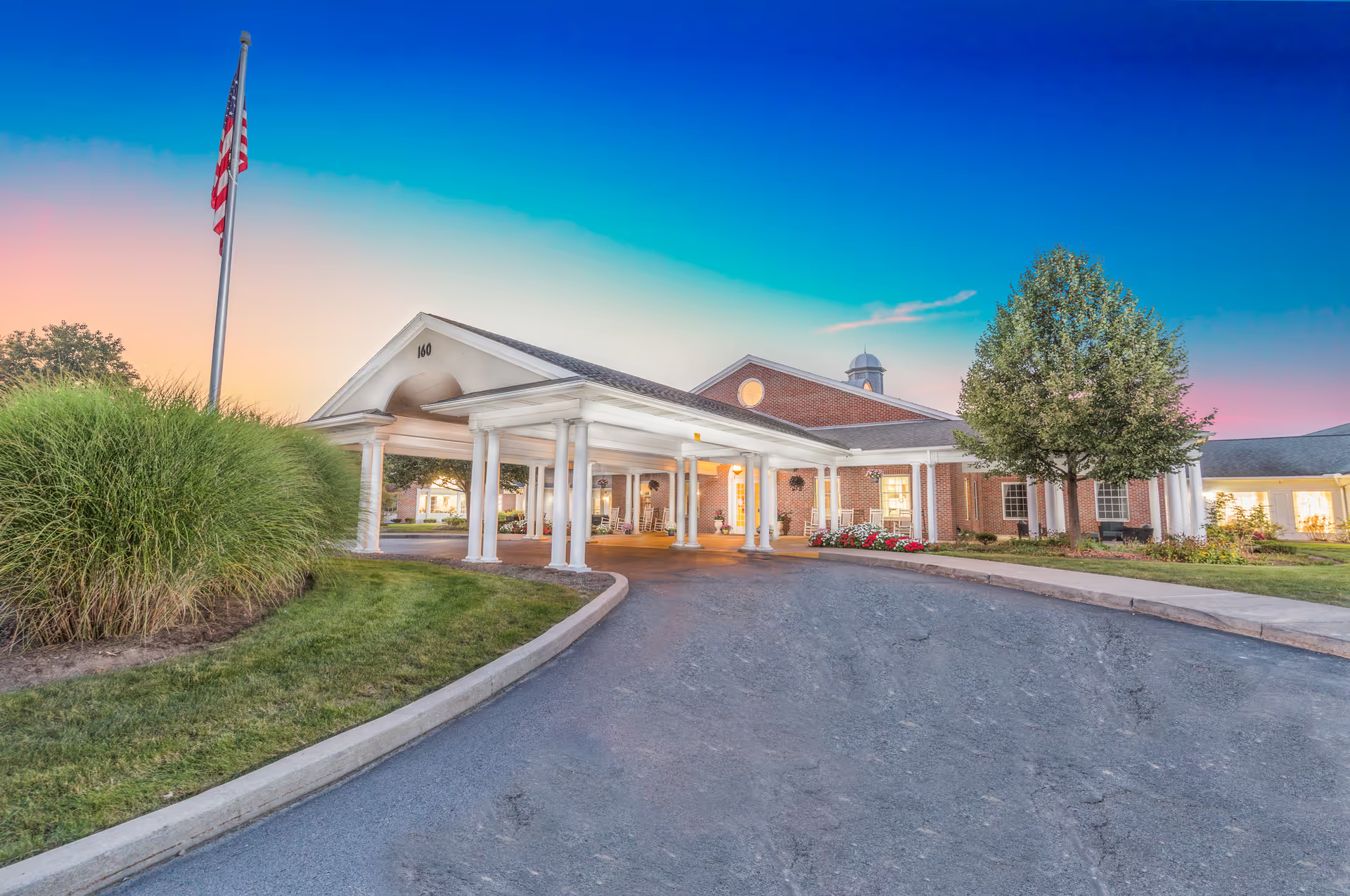
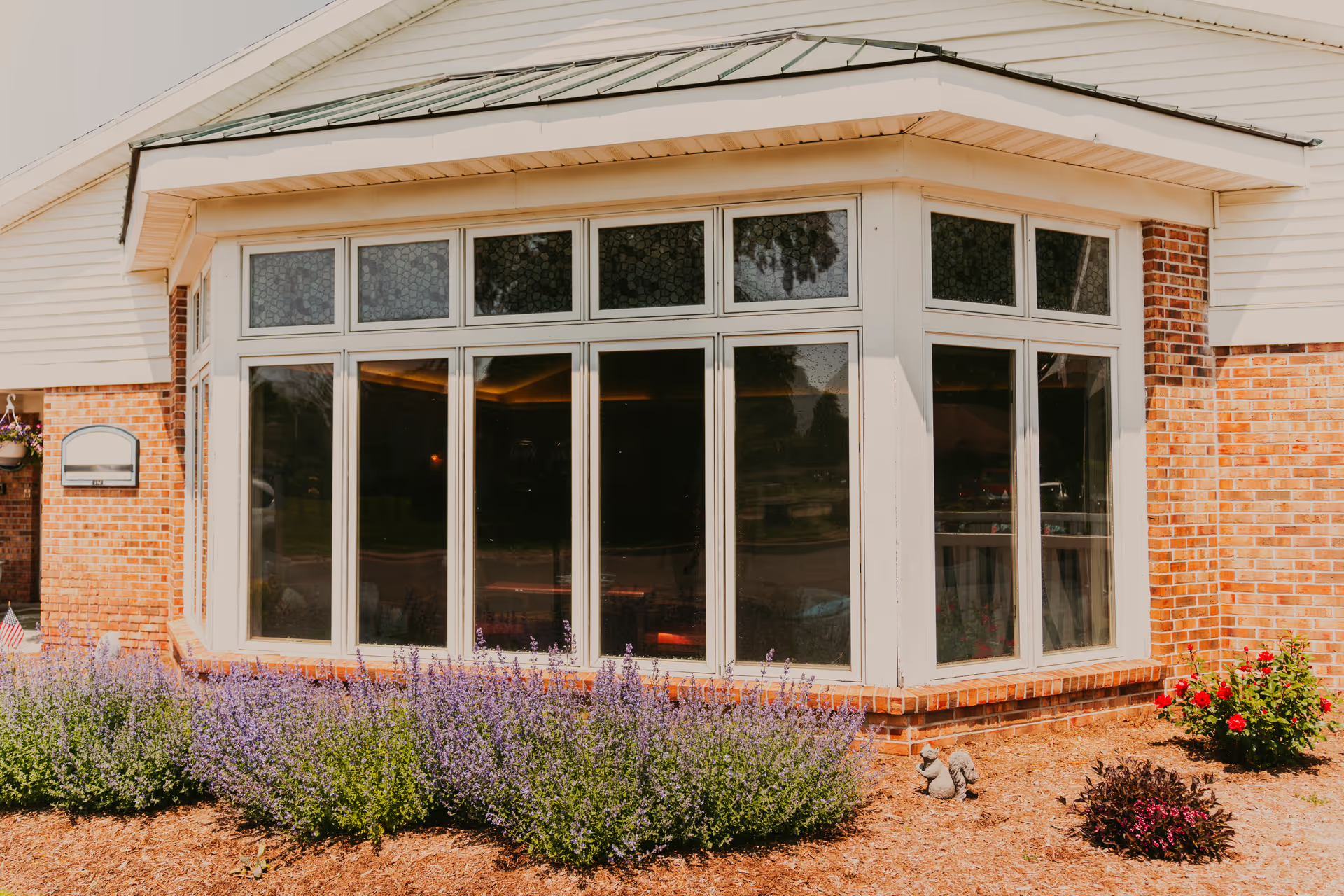
Facilities and apartments generally receive positive comments for cleanliness, a home-like lobby, and well-kept common areas. However, some residents find certain apartment layouts small, dark, or lacking storage and kitchen appliances; walk-in showers and apartment sizes are sometimes noted as restrictive. Operational issues raised include sanitation and food-handling concerns in parts of the operation, occasional laundry and missing-belongings problems, and maintenance limitations in older units.
Management and organizational patterns are a recurring theme. Some reviewers describe accessible, caring leadership that supports staff and residents; others note management instability, perceived favoritism, and leadership changes that correlate with declines in service continuity. Communication with families is inconsistent across accounts—while some families report good updates and collaboration, others describe gaps in communication and unsatisfactory responses when raising clinical or operational concerns. Cost and perceived value are a consideration for some families, with at least one comment referencing higher monthly fees relative to expectations.
In summary, Legacy at Cranberry Landing offers many of the amenities and social programs families look for in a senior community, and it has demonstrable strengths in compassionate caregiving and a welcoming environment. Prospective residents should weigh those strengths against recurring operational concerns: staffing consistency, variable clinical oversight, uneven dining quality, and signs of management turnover. Visiting the community during different shifts, asking about recent leadership changes, reviewing current staffing patterns, and clarifying meal-service schedules and housekeeping/laundry policies are recommended steps to assess current performance and fit for an individual resident’s needs.