Overall impression: The community receives strong and consistent praise for its hospitality, dining, and programming. Staff are frequently described as warm, helpful, and highly engaged; many families highlight individualized attention, accommodating meal arrangements, and active efforts to integrate new residents. The campus offers a resort-like environment with multiple restaurants, an all-day café, bakery options, and a food-credit system, which, together with a broad activities calendar, contributes to a vibrant social life.
Care quality and clinical supports: Clinical offerings and on-site therapy services are seen as assets, with occupational/physical therapy, weekly physician visits in some units, and prescription delivery noted. Emergency-response systems (pull cords, wrist pendants) are available. However, operational gaps affecting care continuity are also evident: inconsistent personal-care scheduling (including bathing), sanitation and laundry management problems, and occasional gaps in escalation after safety or health incidents. Memory-care operations in particular show variability; training inconsistencies and staff turnover have been associated with confusing interactions and a perception that admission criteria and independence expectations are strict.
Staff and management: Staff demeanor and resident engagement are a major strength, contributing to a sense of community and strong social connections. At the same time, there are recurring concerns about management responsiveness, communication with families, and staffing stability. Reports indicate variability in staff training and interpersonal consistency; management acknowledgment of training shortfalls has been noted in some cases. Prospective families should probe staffing models, turnover rates, and dementia-care training during tours.
Dining and activities: Dining is a standout feature for many residents—multiple restaurant venues, diverse menus, and social dining are frequently praised. The community also offers abundant activities: exercise classes, movies, music, bingo, outings, and volunteer programs that promote engagement. Nevertheless, reviewers note periodic service reductions such as shortened restaurant hours or restricted dining during infection-control events; meal-choice limitations during isolation were mentioned as an operational weak point in those circumstances.
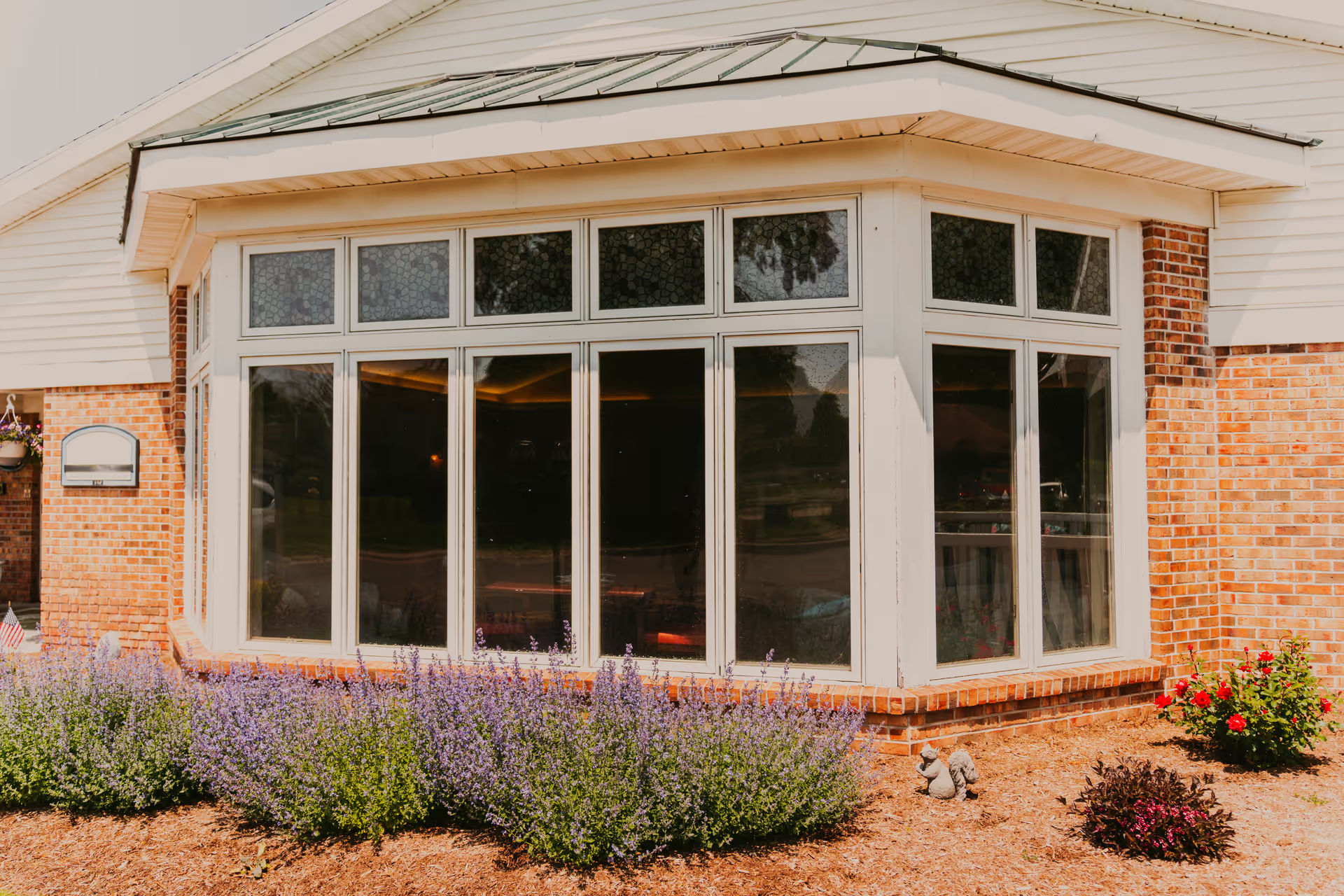
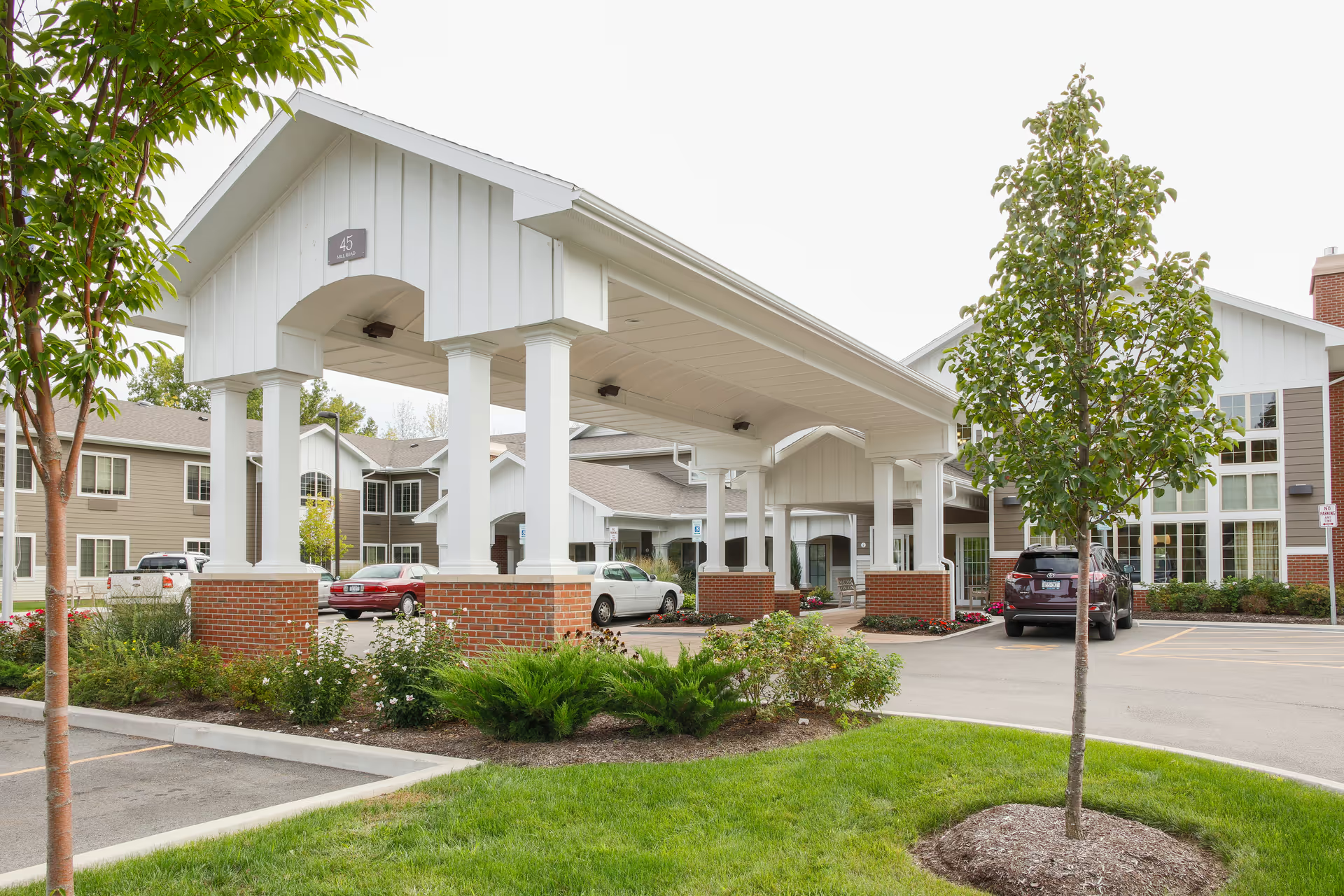
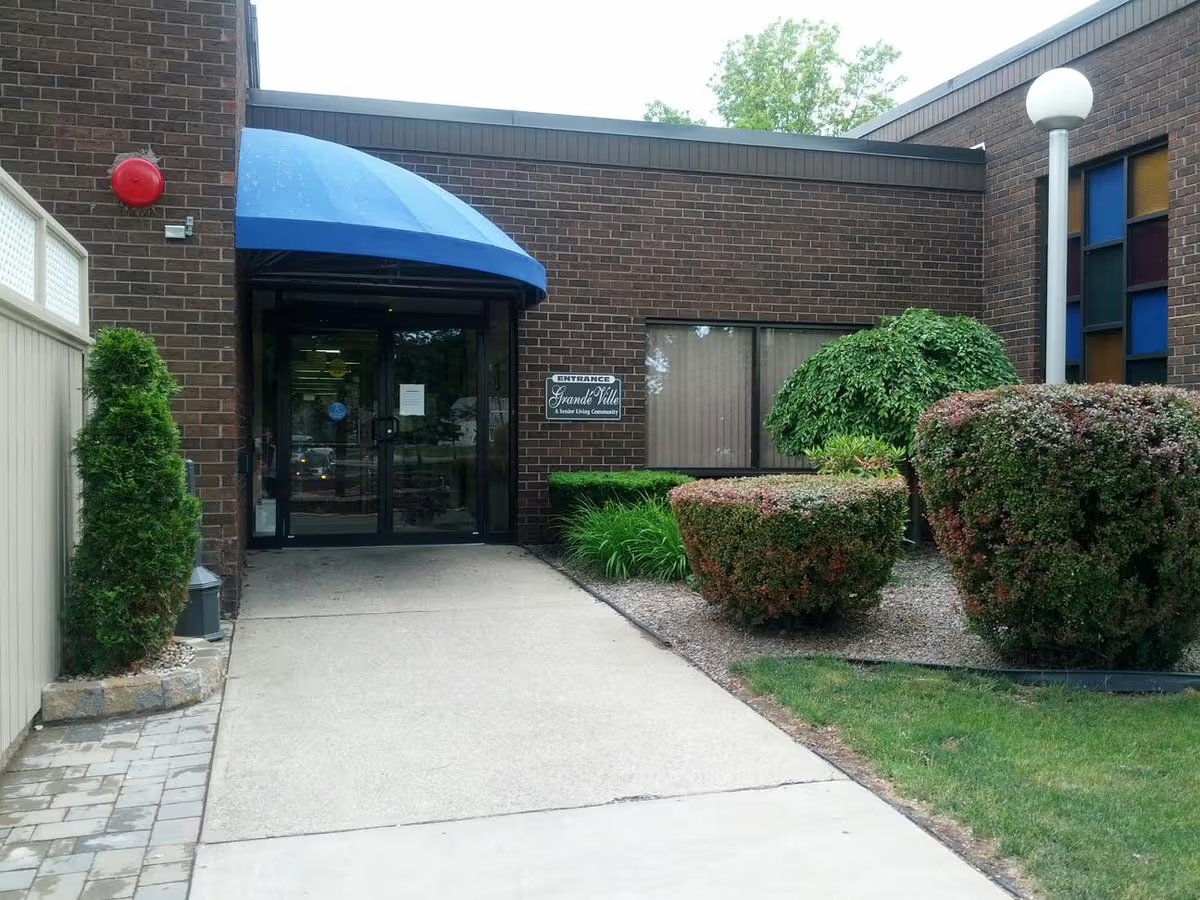
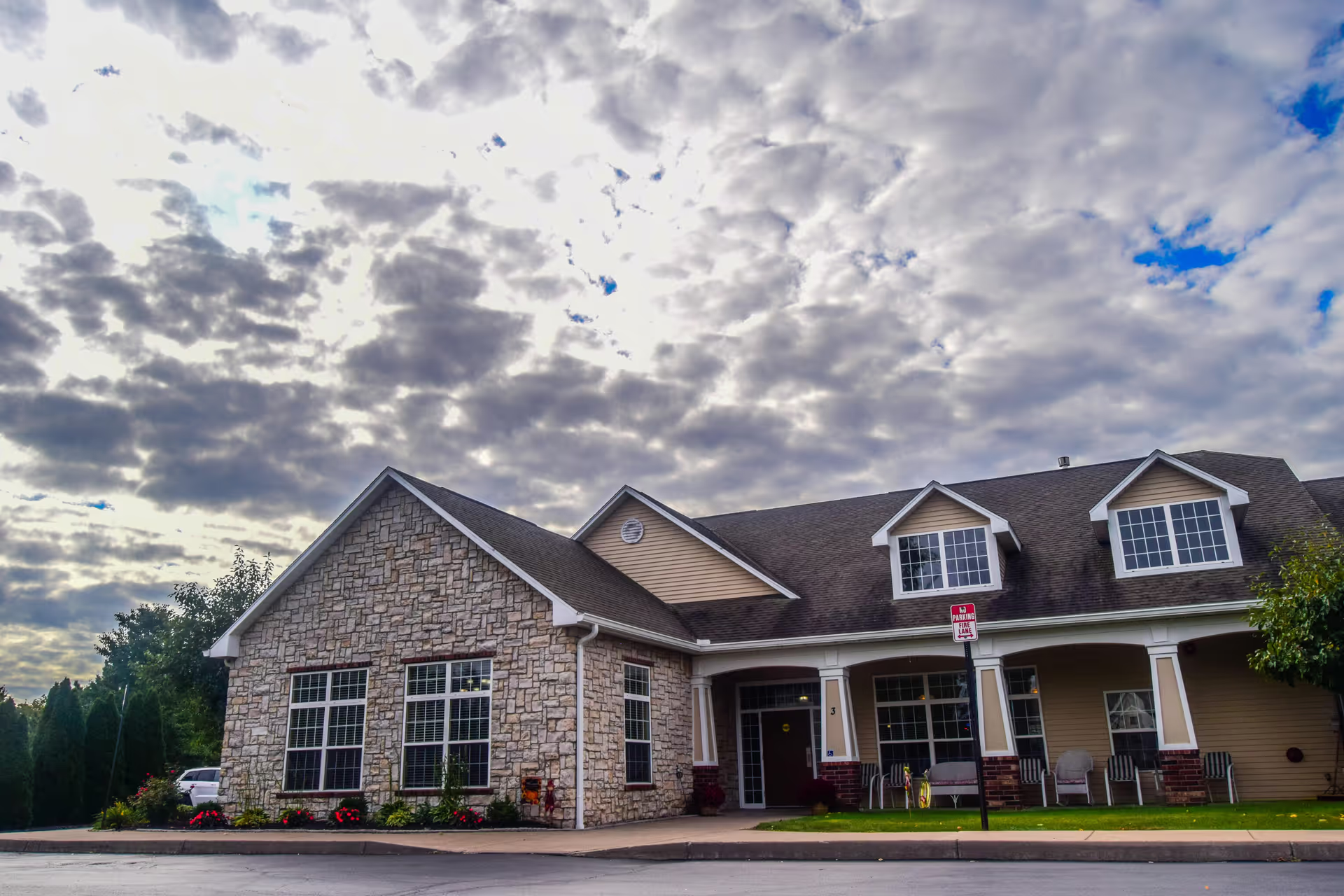
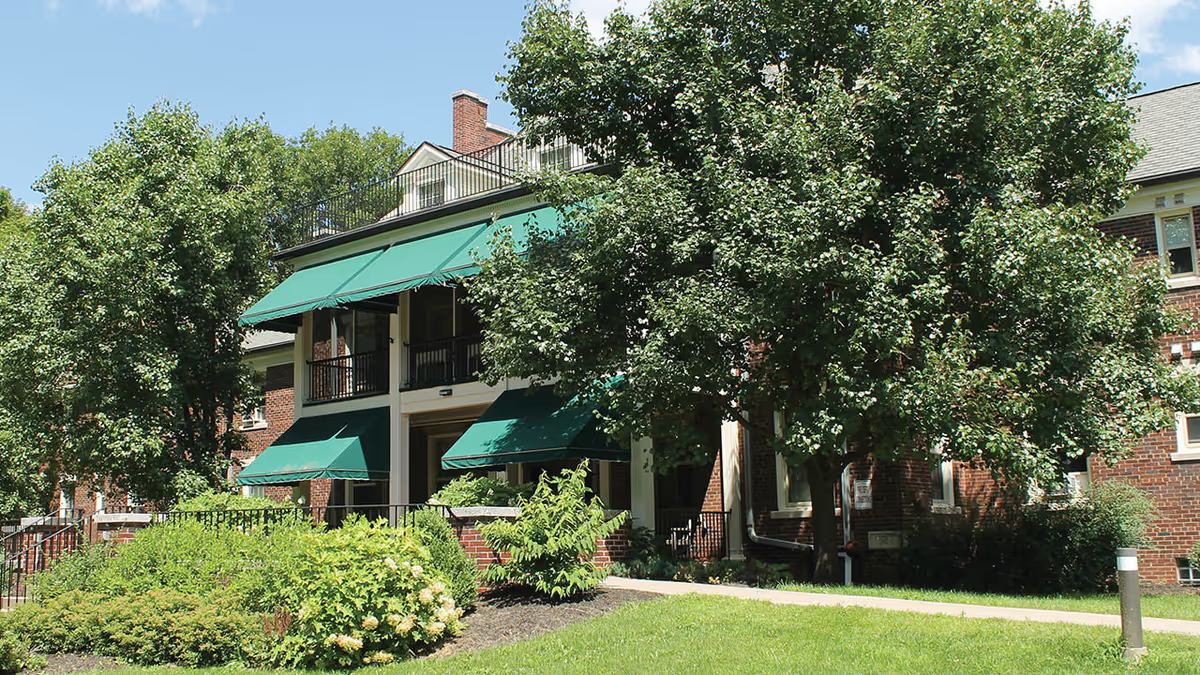
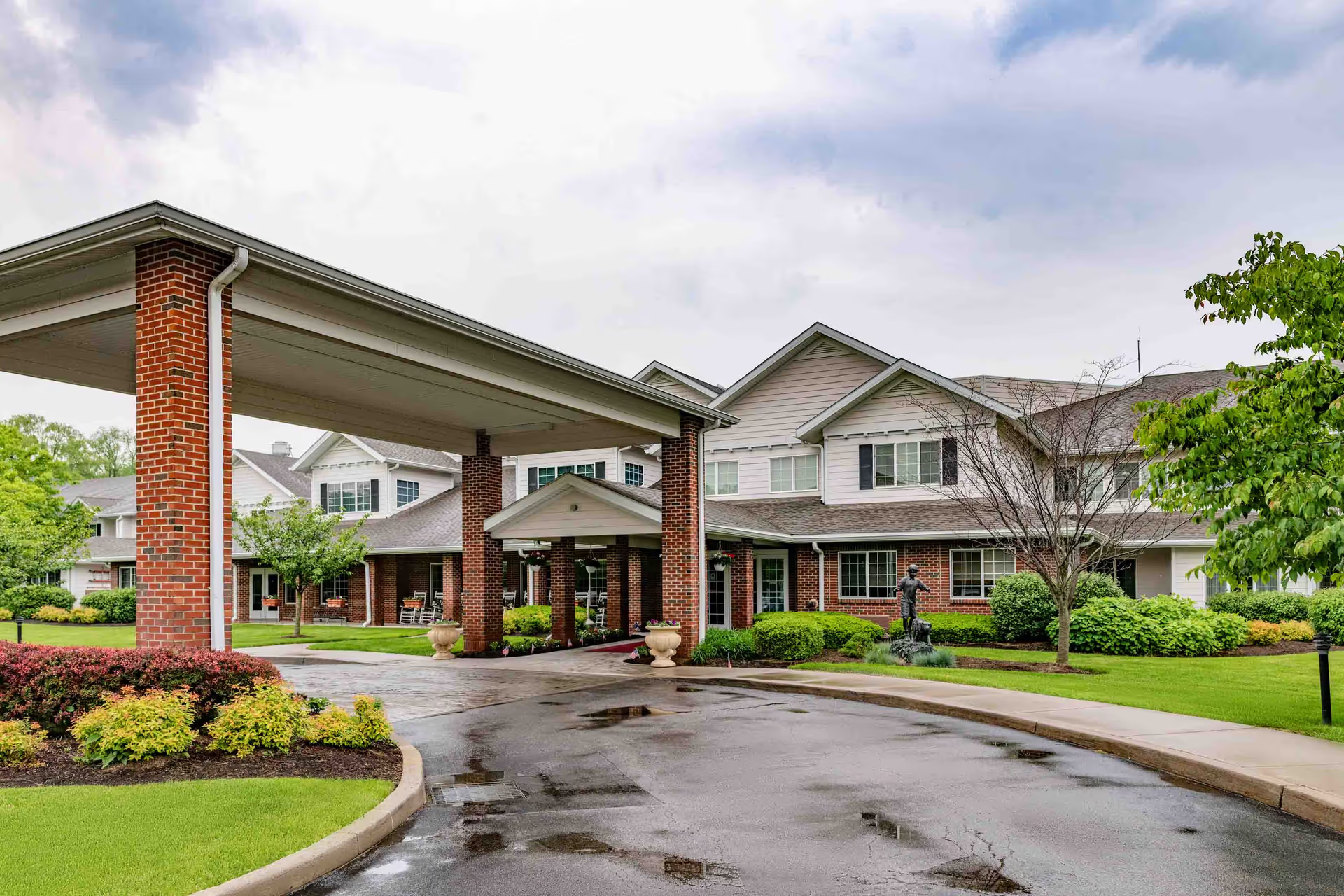
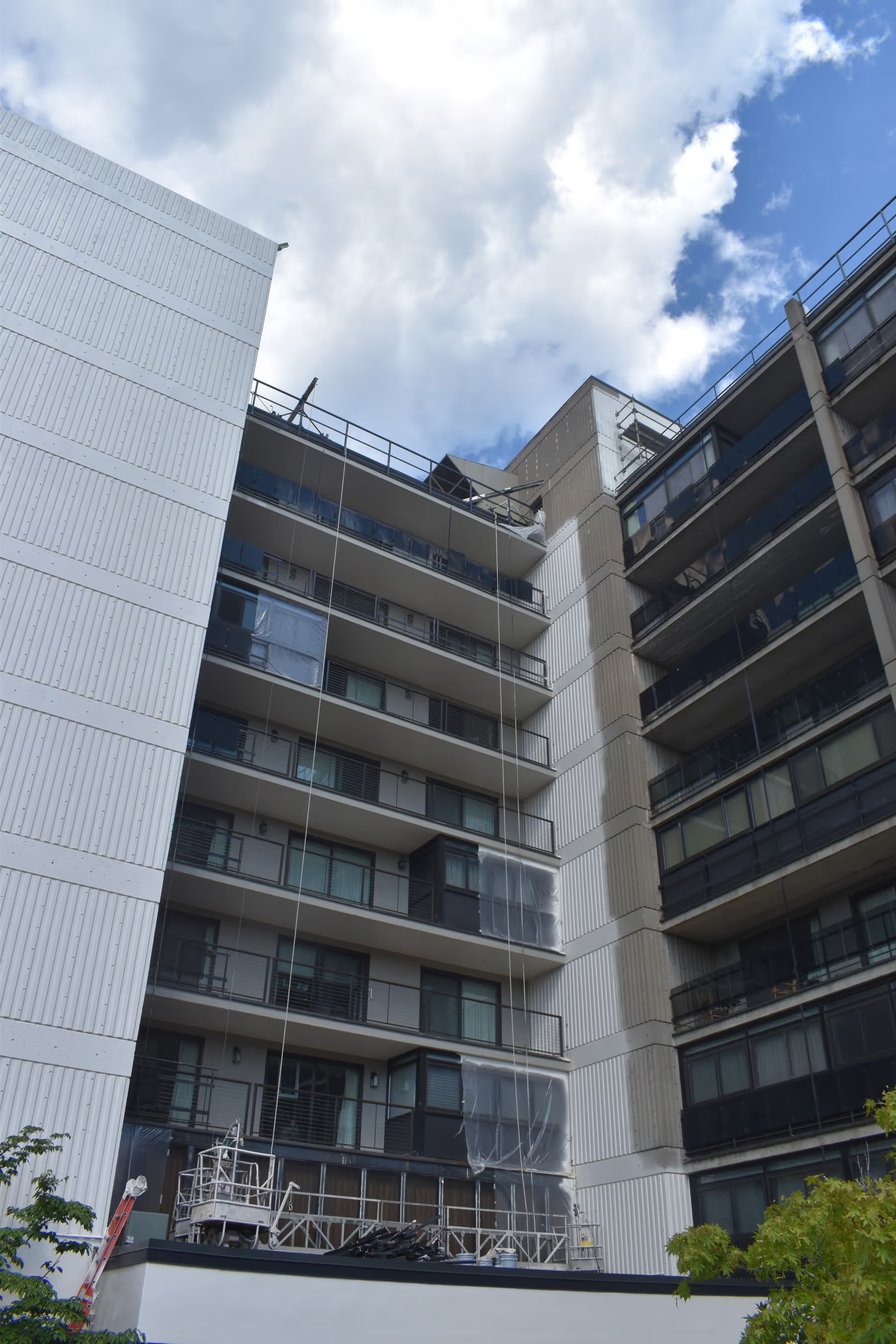
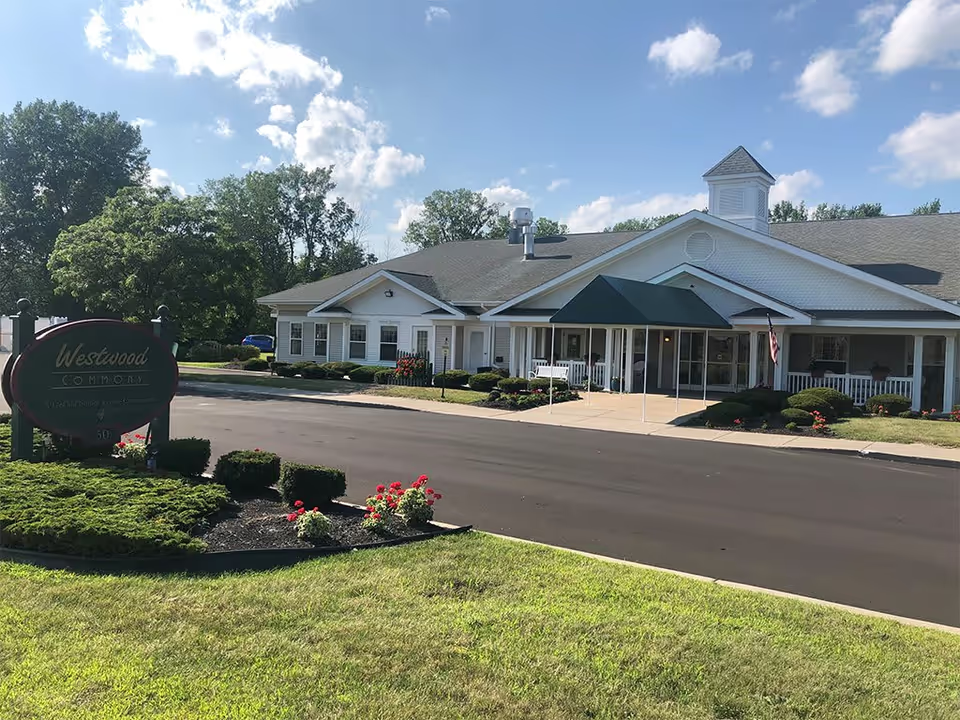
Facilities and services: Physical plant and amenities are generally described as clean, modern, and well appointed, with many residents noting spacious apartments, screened porches, in-unit laundry, salon, chapel, convenience store, and well-kept grounds. Maintenance responsiveness is mixed: while many cite prompt assistance with apartment needs, others describe delayed repairs, temperature-control problems, or inconsistent move-in readiness and unit finishing. The campus size and layout can feel large or complex to navigate for some residents.
Notable patterns and practical considerations: The dominant positive themes are high-quality dining, plentiful programming, and a welcoming staff culture. The dominant negatives are operational: inconsistent sanitation and personal-care scheduling, variable staff training (notably for memory care), communication and management responsiveness issues, maintenance delays, and periodic service cutbacks. Pricing and perceived value are also a recurring concern for some families.
For prospective residents and families: arrange a tour that includes a meal, ask for documentation of staffing ratios and dementia-care training, review recent maintenance response metrics and incident escalation protocols, and confirm infection-control dining procedures and laundry/housekeeping standards. These targeted inquiries will help evaluate whether the community’s strong social and dining offerings align with an individual’s clinical and safety needs.