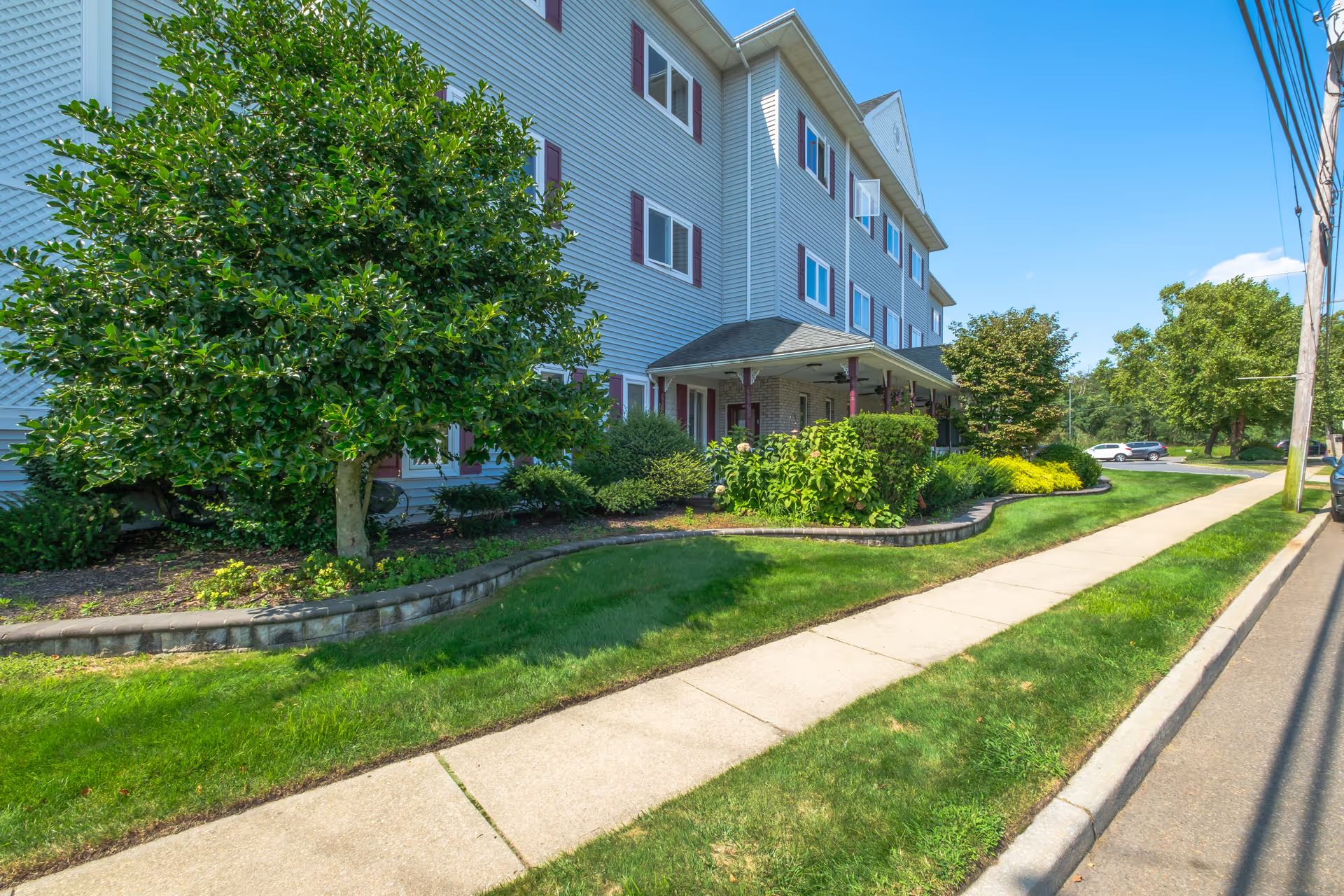
The reviewer corpus presents a facility with many operational strengths centered on direct resident care, amenities, and programming, alongside recurring operational weaknesses. Families frequently highlight compassionate, personable caregiving staff and strong memory-care coordination; several reviews name individual staff members who provided exemplary support during move-in, milestone events, and day-to-day care. On-site rehabilitation (physical, occupational, and speech therapy) is viewed positively and credited with functional improvements for some residents. Admissions and move-in logistics are often described as smooth and supportive, with residency counselors and administrative staff praised for personalized attention.
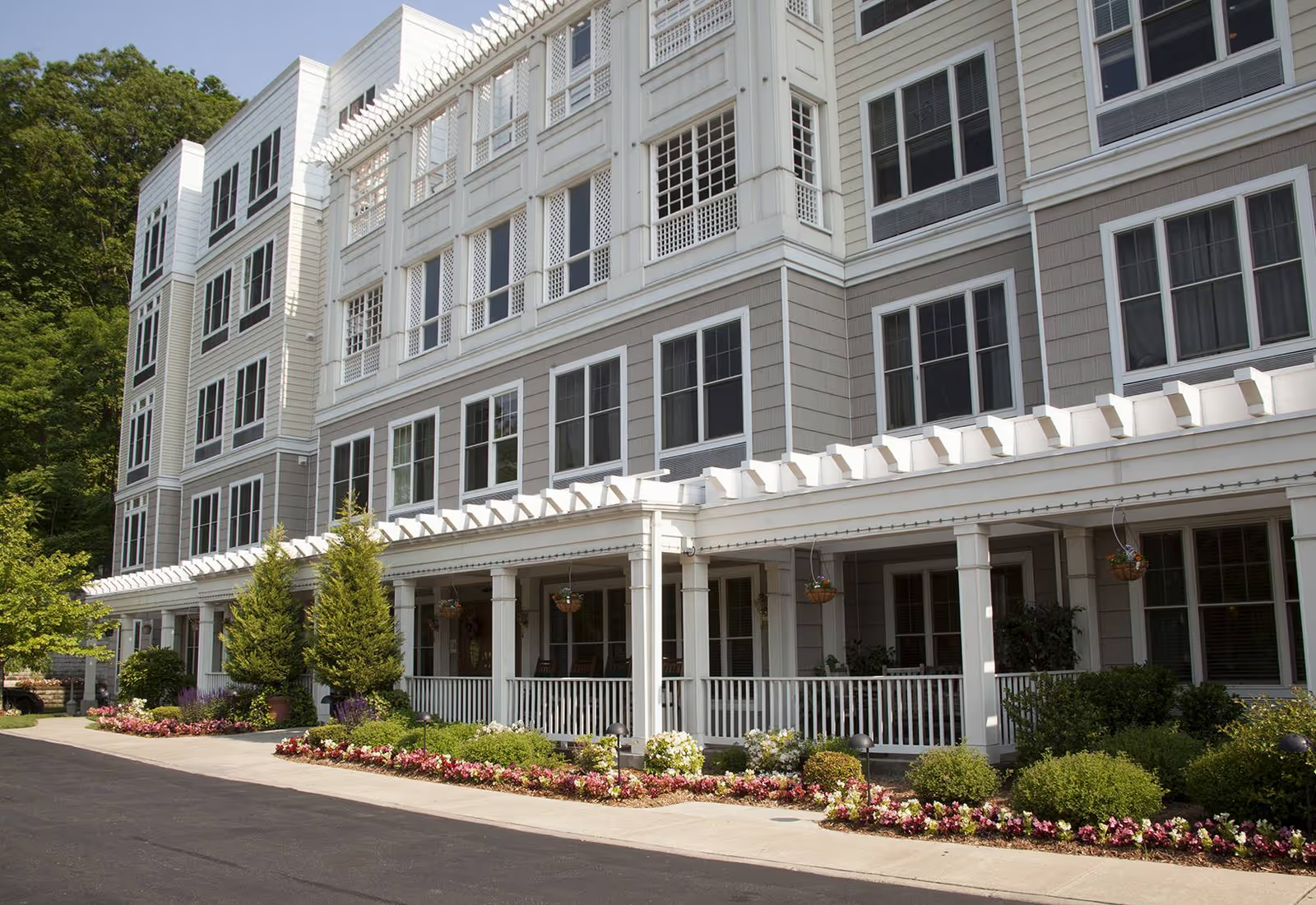
Programming and daily life are commonly cited as assets. The community offers a wide range of activities — music, games, reading groups, outings to local shops and churches, and special events — that contribute to social engagement. Dining is presented variably: some families describe restaurant-style service, accommodating dining staff, and enjoyable meals, while others report inconsistency in meal temperature, presentation, and the availability of in-room service. Amenities such as a library, salon, gym, and outdoor wooded grounds are repeatedly praised; many reviewers noted bright, modern apartments and clean common areas.
Operational and management concerns recur in the feedback. Staffing levels and turnover are the most consistent operational weaknesses: aides and nursing staff are described as overworked at times, which reviewers link to slow responses to call buttons, delays in assistance (particularly for residents with mobility needs), and reduced weekend coverage. Several accounts point to variability in medication handling and refill communication, indicating gaps in medication-management workflows. Administrative stability and transparency are uneven: while some families commend responsive leadership, others describe disorganization, inconsistent communication from management, unexpected price increases, and unclear fee disclosures.
Facility-level safety and environmental issues appear intermittently in the feedback. There are references to sanitation and pest-control concerns and to water-quality or remediation events; reviewers express a desire for clearer, more timely communication from the facility when such events occur. Construction noise and demolition activity, sometimes scheduled without advance notice, is another operational stressor for residents and families. Transportation availability is inconsistent in practice: the community runs outings and occasional trips, but some reviewers report limited or no resident transportation or on-call transport options.
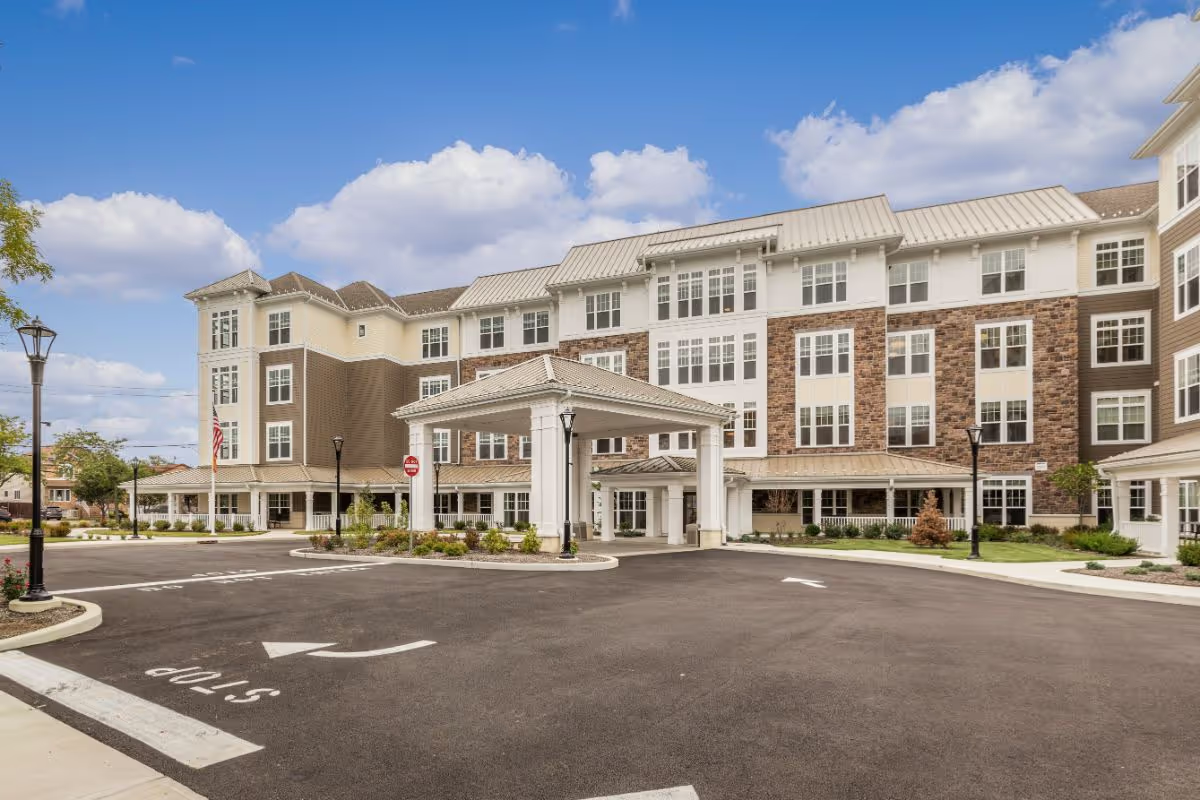
In summary, The Brielle demonstrates clear strengths in person-centered caregiving, memory-care programming, rehabilitation services, and social engagement within a new, attractive facility. These strengths provide meaningful quality-of-life benefits for many residents. Prospective residents and families should weigh those advantages against documented operational risks: staffing variability (especially on weekends), responsiveness to assistance requests, occasional sanitation and environmental concerns, inconsistent dining experiences, and administrative transparency around pricing and safety communications. For families considering placement, direct questions about staffing ratios, medication protocols, weekend supervision, transportation policies, construction timelines, pest-control measures, and a written fee schedule are recommended to clarify whether the facility’s current operational practices match their expectations and care needs.