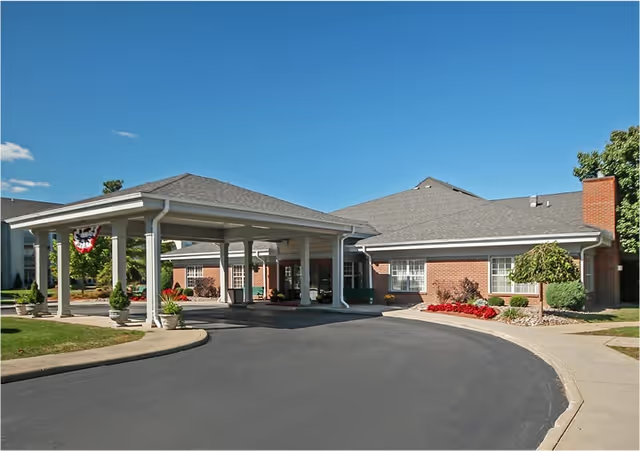
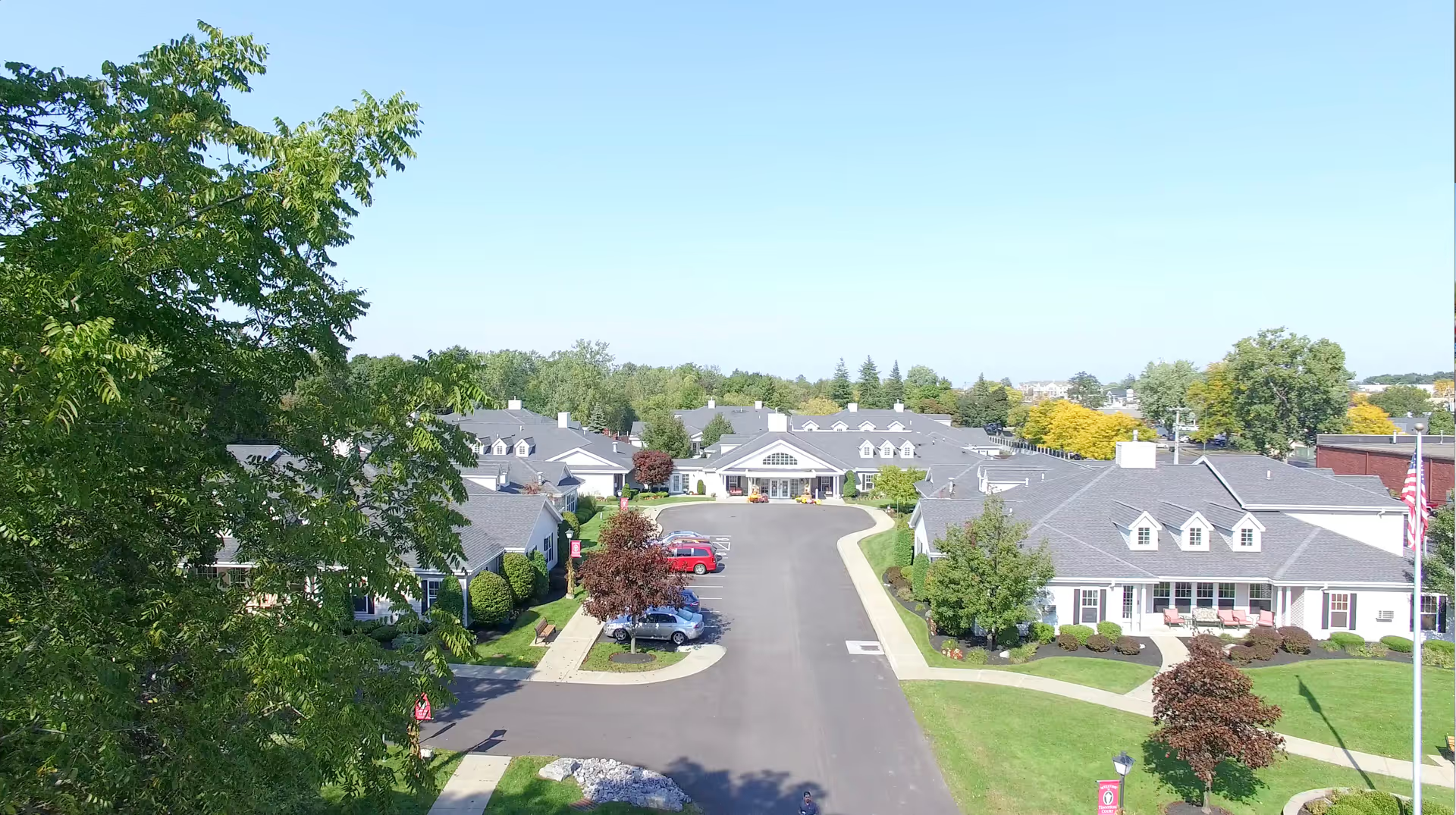
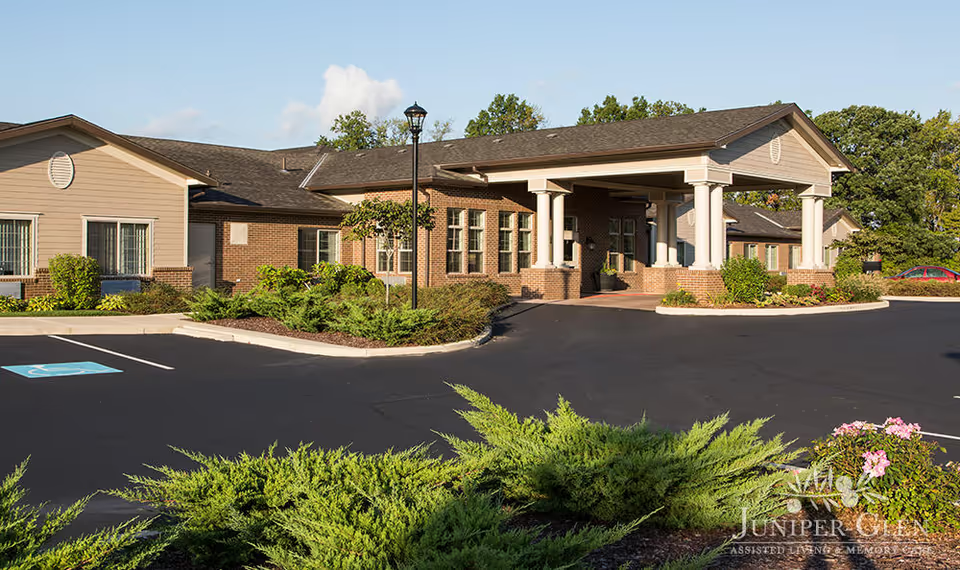
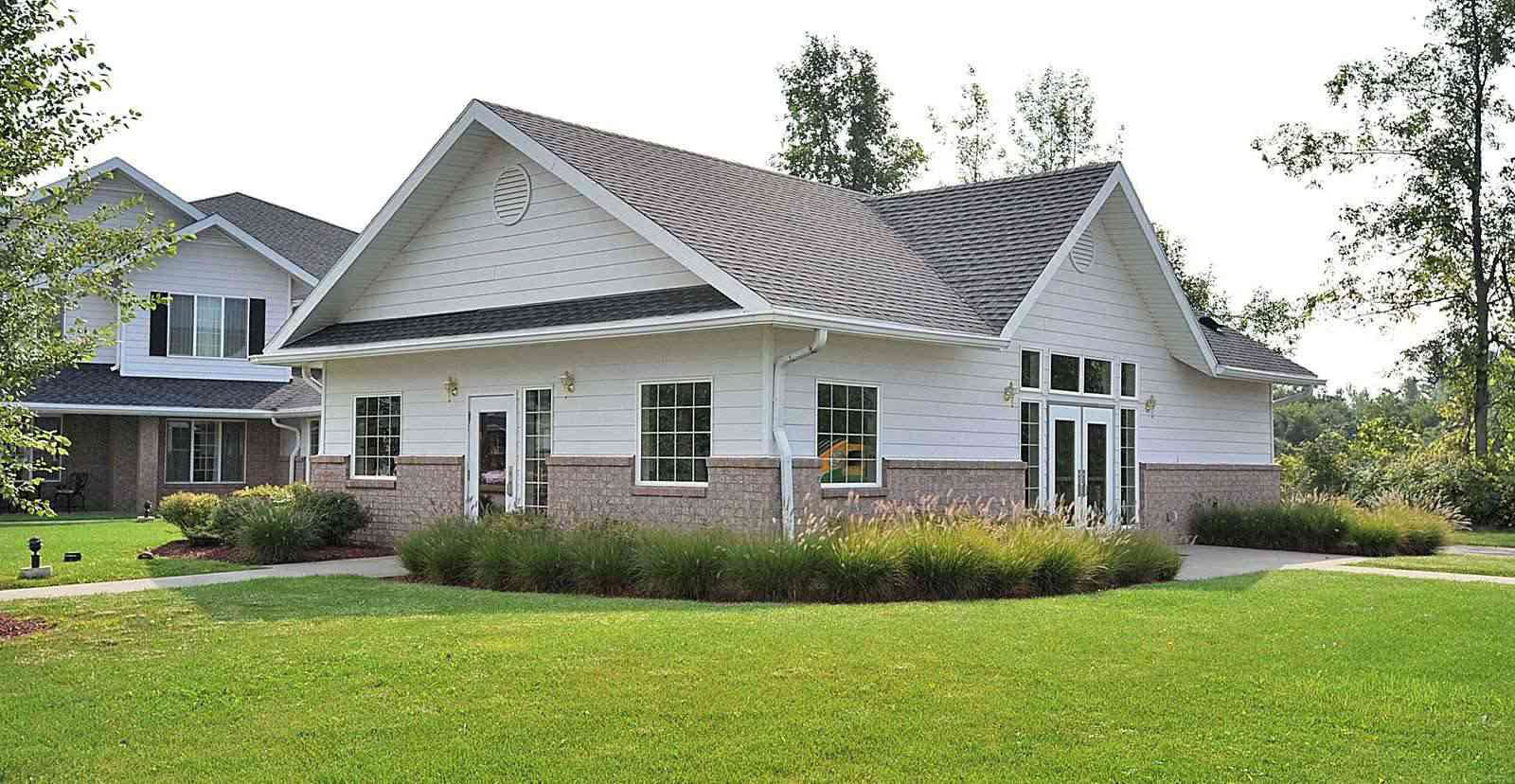
Elderwood Assisted Living at Tonawanda presents a mixture of clear strengths and notable operational inconsistencies. Strengths highlighted across feedback include a generally clean, well-maintained facility with pleasant outdoor space and multiple on-site amenities (such as an ice cream parlor and beauty salon). Many families and residents praise particular staff members and front-line teams as caring, courteous, and accommodating; when staffing and communication are functioning well, residents report enjoyment of meals, group dining, and an active schedule of daily activities.
Care quality descriptions are mixed. Some families describe satisfactory to excellent day-to-day care, responsive assistance, and helpful short-term/respite support. However, other accounts point to variability in clinical reliability — especially around medication administration and weekend coverage — suggesting that care consistency depends heavily on which staff are on duty. There is also a clear pattern of concern about the facility’s suitability for people with dementia: reviewers mention wandering risk, a dementia-heavy population in some areas, and limited dedicated memory-care programming, prompting families to consider other options when memory-care needs are primary.
Staff and management themes are similarly mixed. Positive comments emphasize thoughtful, accommodating staff and an outstanding director in some cases; negative comments emphasize high turnover, uneven training, inconsistent communication with families, and morale issues. These operational inconsistencies have downstream effects on family experience: requests may be handled differently at different times, and enforcement of policies can feel uneven. A small number of serious complaints and legal/regulatory actions were also referenced, which prospective families should investigate further with state resources.
Dining and activities are a relative strength in many accounts: several reviewers praise the food, the communal dining atmosphere, and a broad calendar of activities (bingo, movie nights, outings). At the same time, other reviewers describe bland or inconsistent meals and large portion sizes; the takeaway is that culinary quality appears variable. Activities and social programming are often highlighted as well-run and frequent, contributing to a bright, community-oriented ambiance when staffing allows.
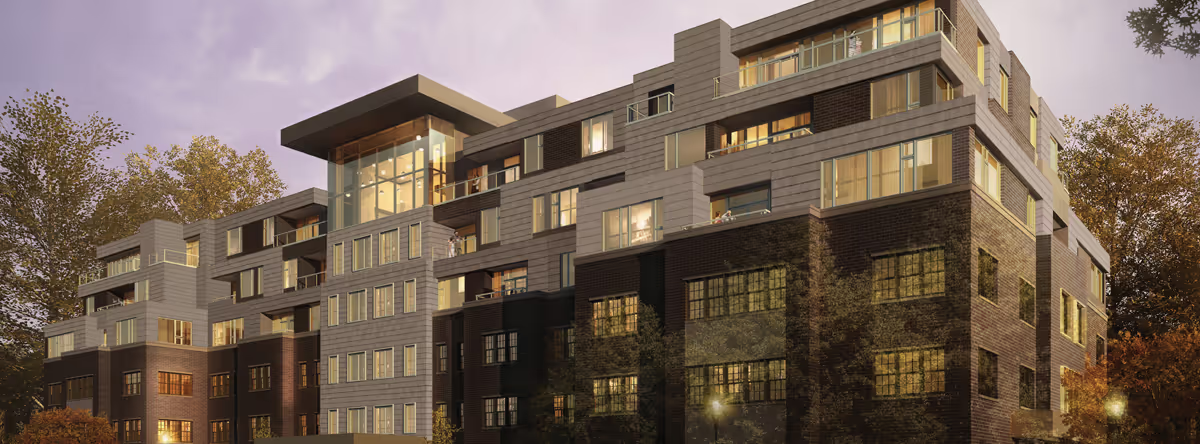
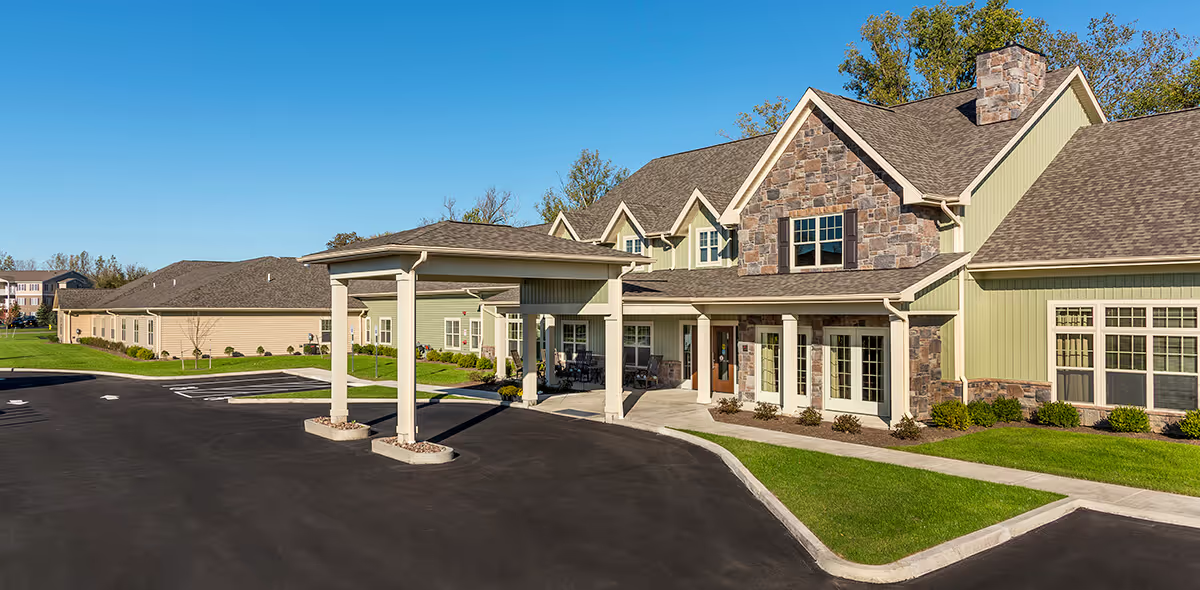
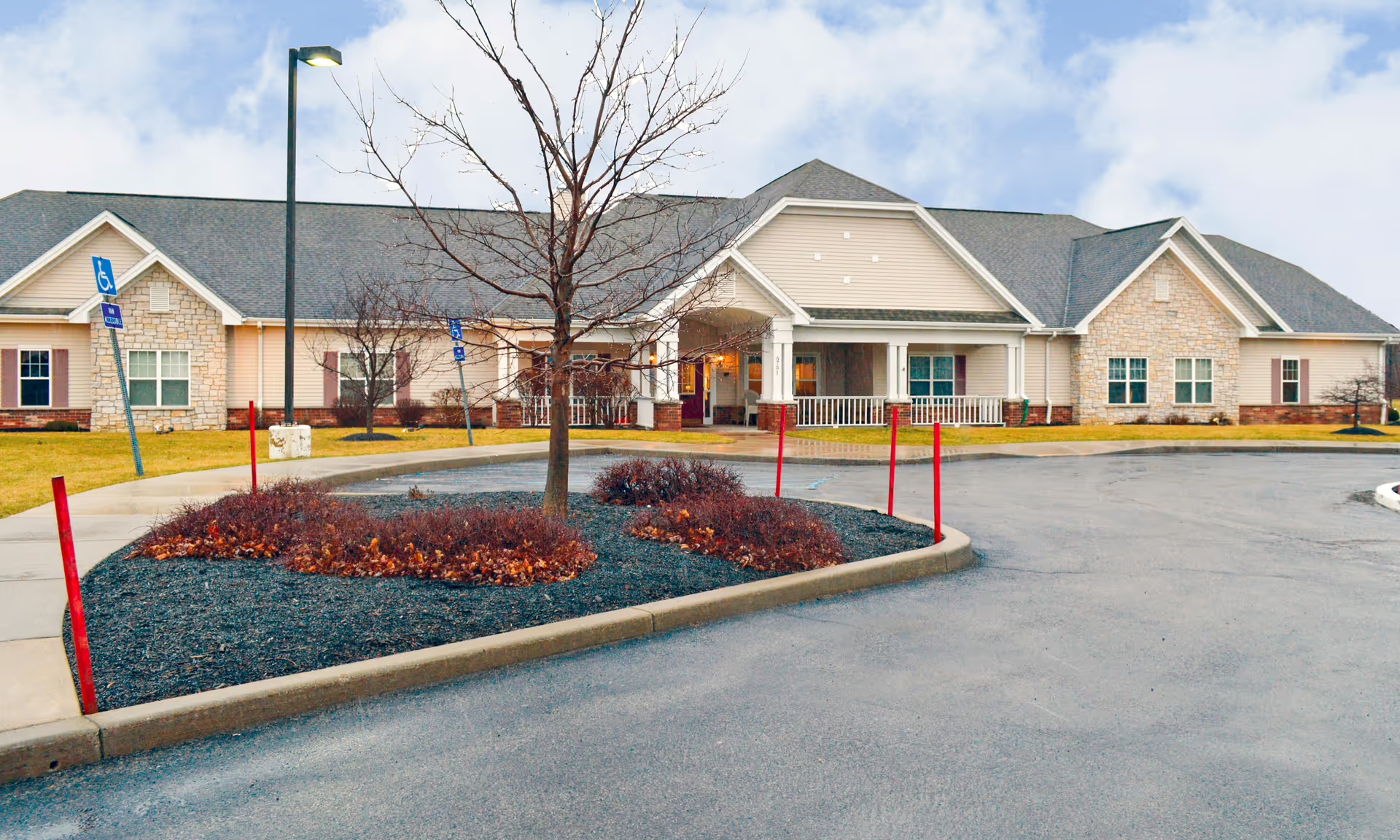
Facility and logistics: the building is generally described as clean and bright, with attractive common areas and garden space. Safety features such as coded doors, emergency pull cords, and safety rails are noted. Shortcomings include small shared rooms in some units, aging areas in need of updates, limited parking and off-site transit access, and inconsistent internet connectivity. Private rooms are available but can be costly, and families should be aware of Medicaid waitlist delays and pricing differences between private and shared accommodations.
What this pattern suggests for prospective residents and families: the community can provide a warm, activity-rich environment with caring staff and useful amenities, but operational variability is an important consideration. Visit multiple times (including different days and times), ask specifically about staffing ratios at nights and weekends, review medication-management procedures, confirm memory-care capabilities and door/security arrangements, and inquire about current regulatory status and any formal complaints. Those with primary memory-care needs or who require consistently robust clinical oversight should verify that the facility’s services match those needs before committing.