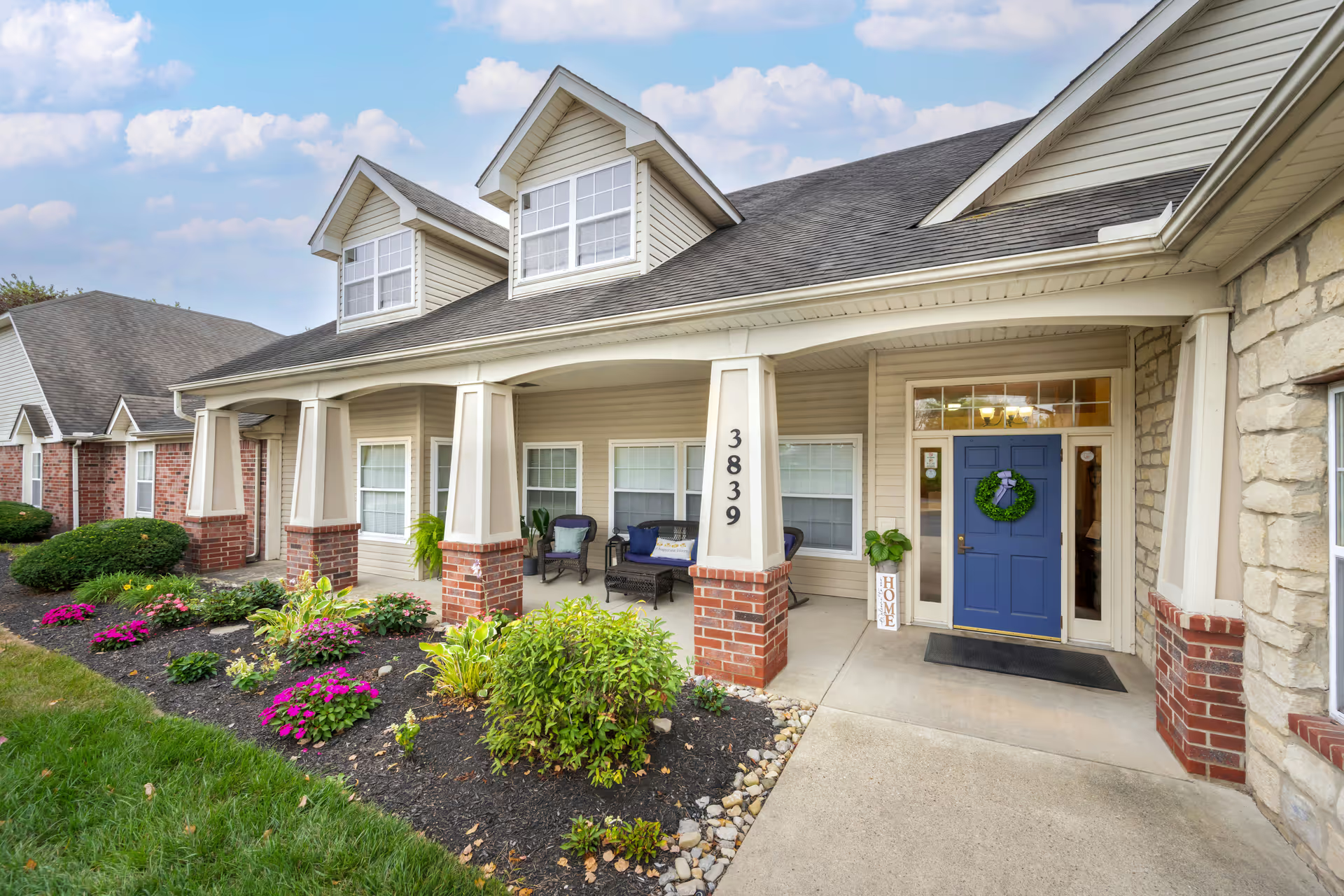
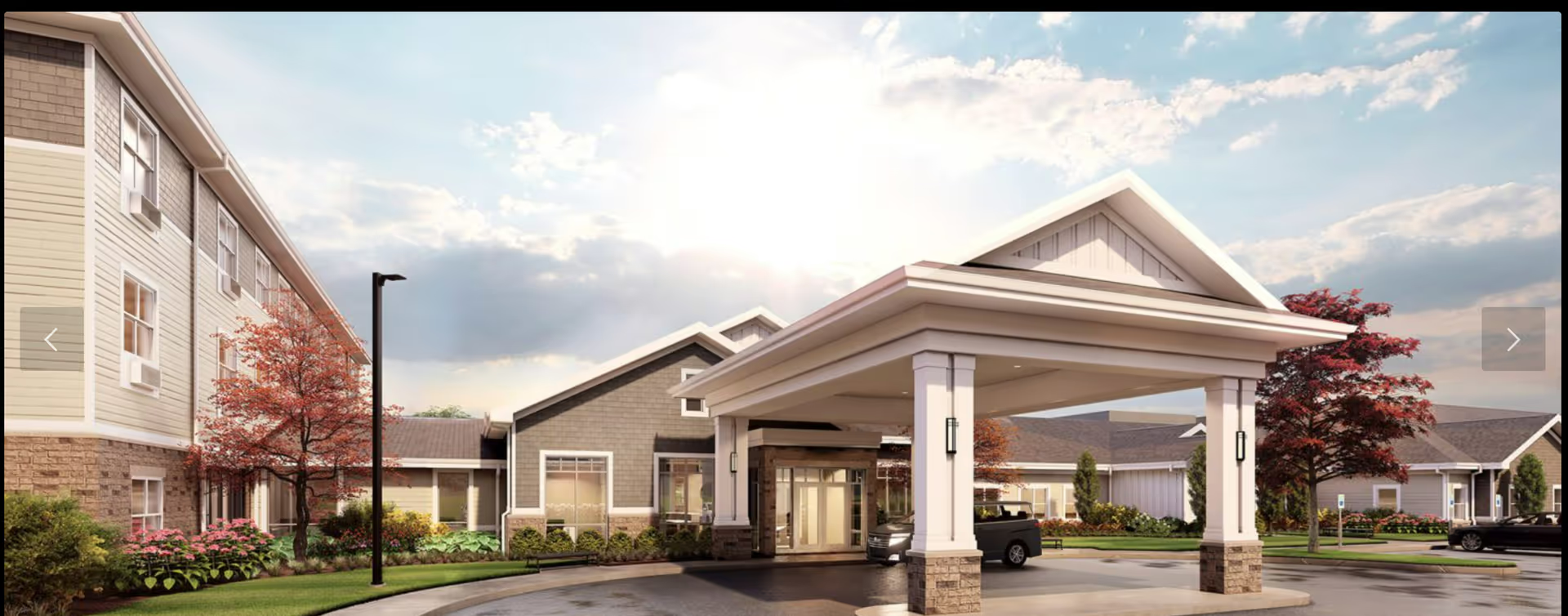
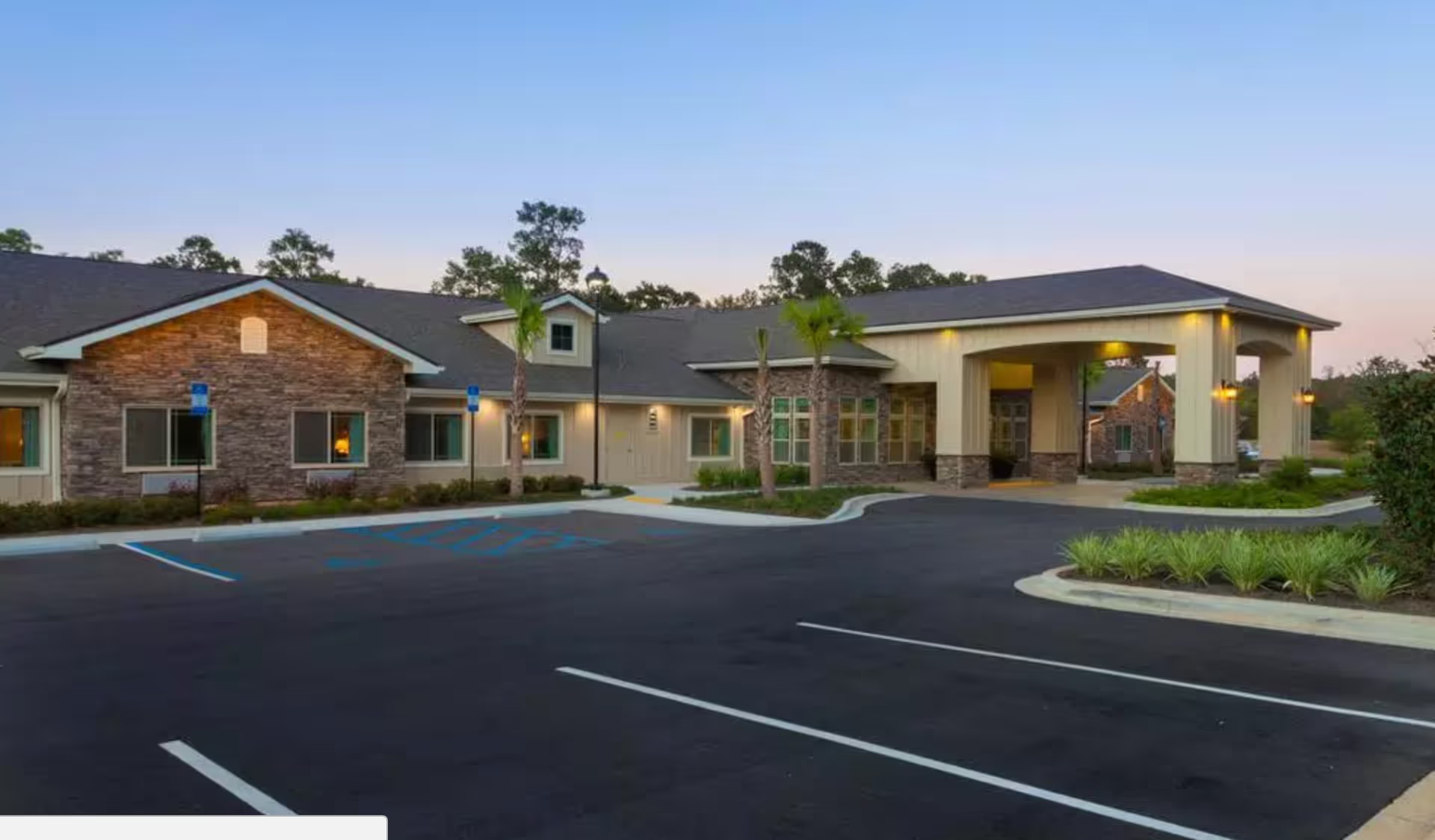
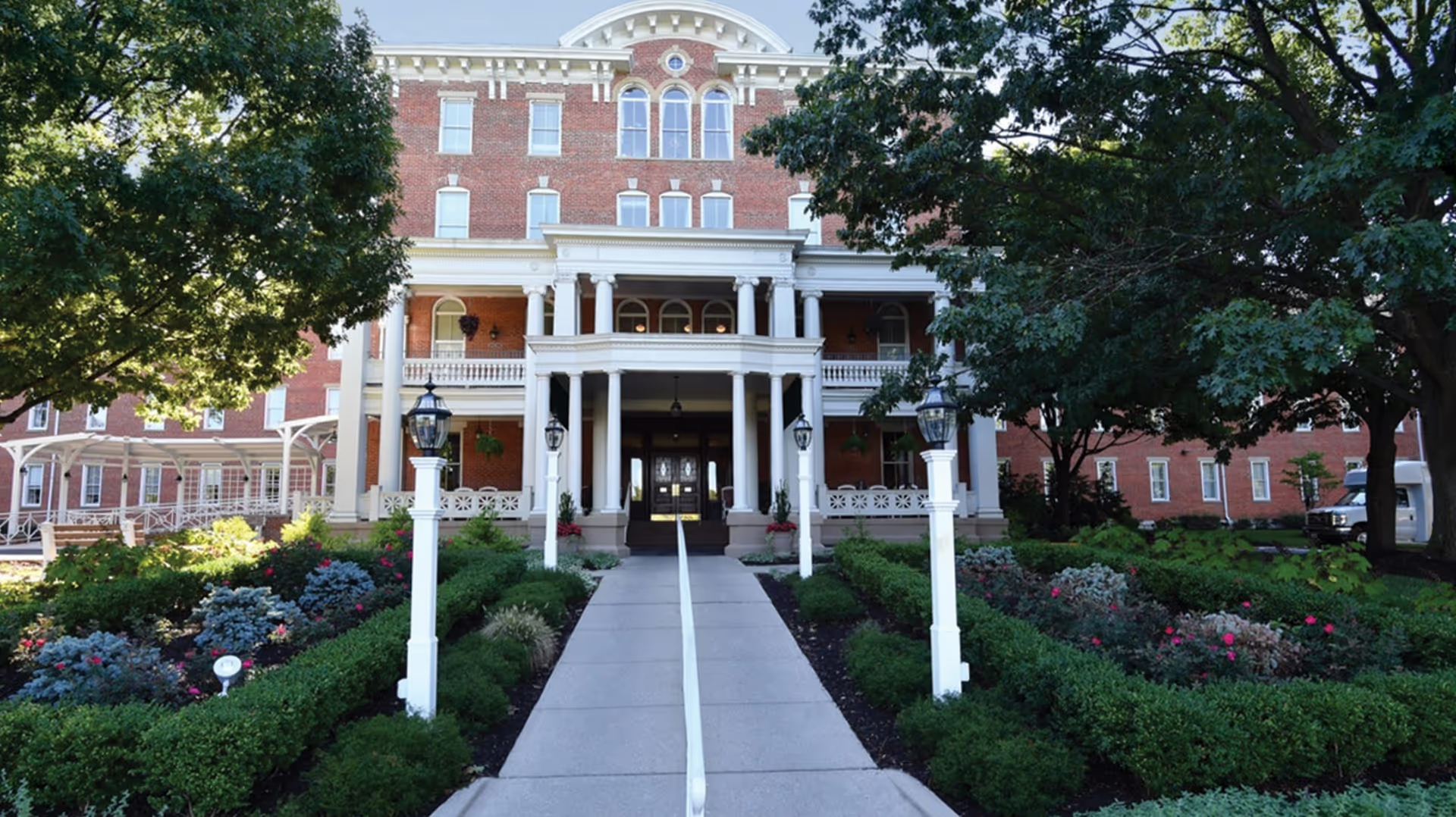
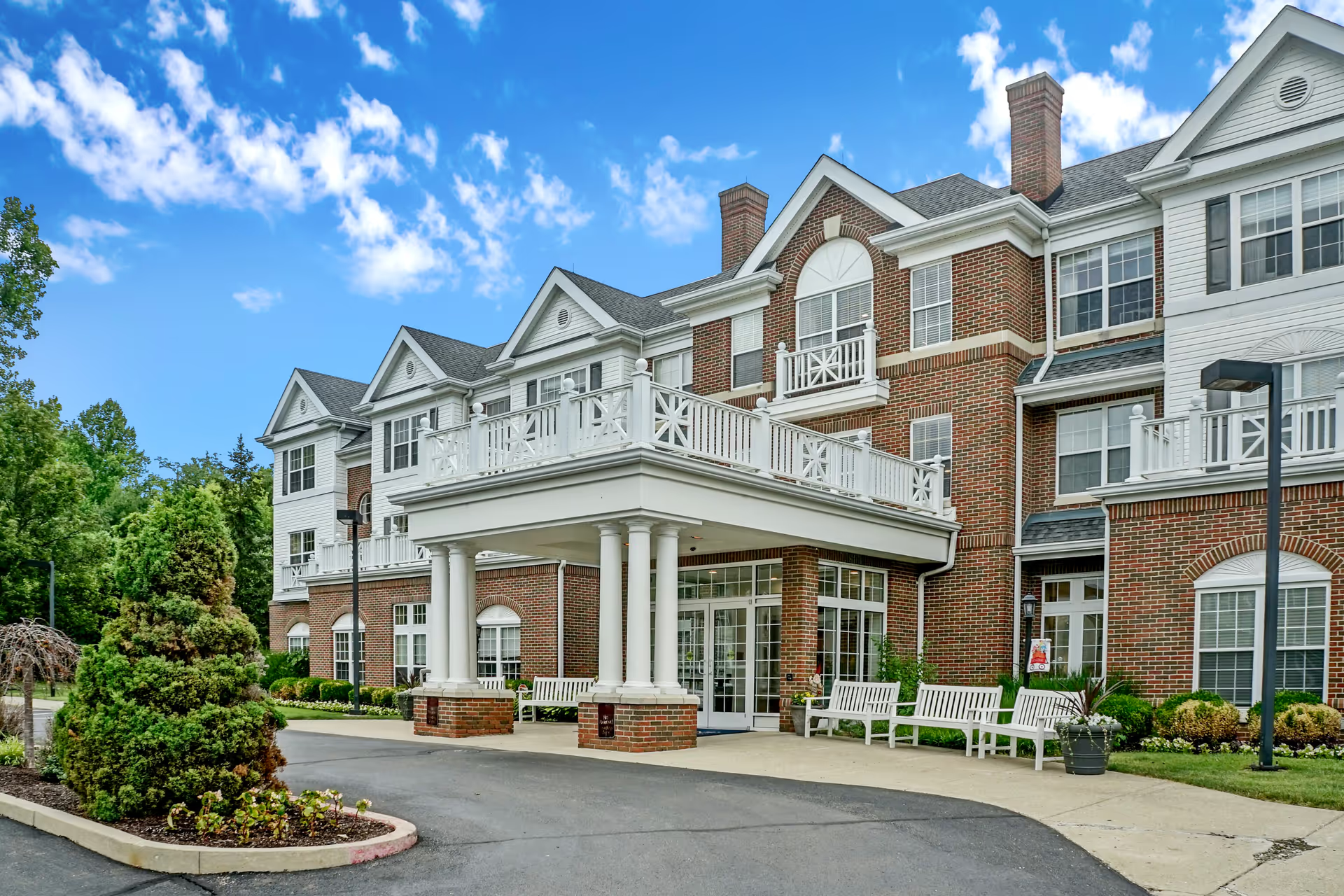
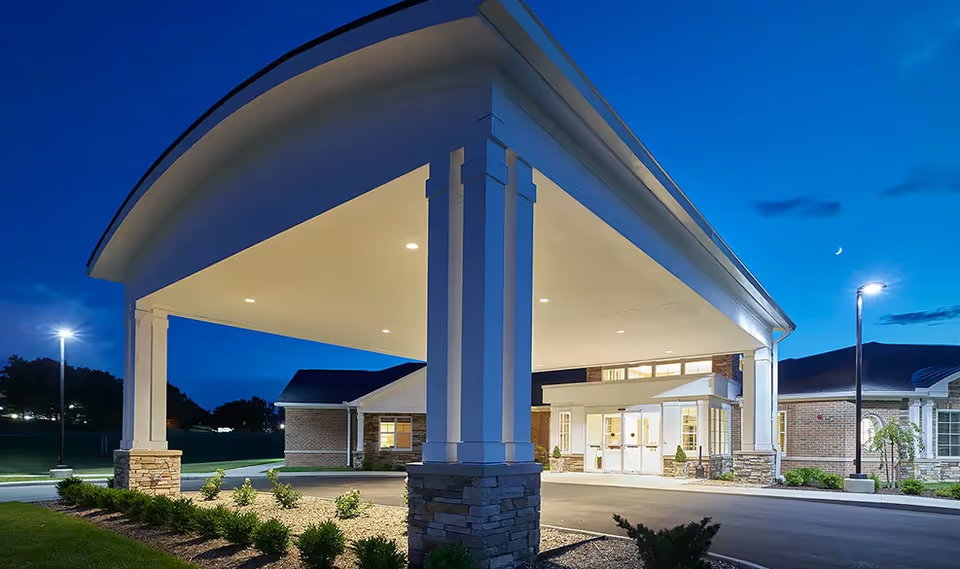
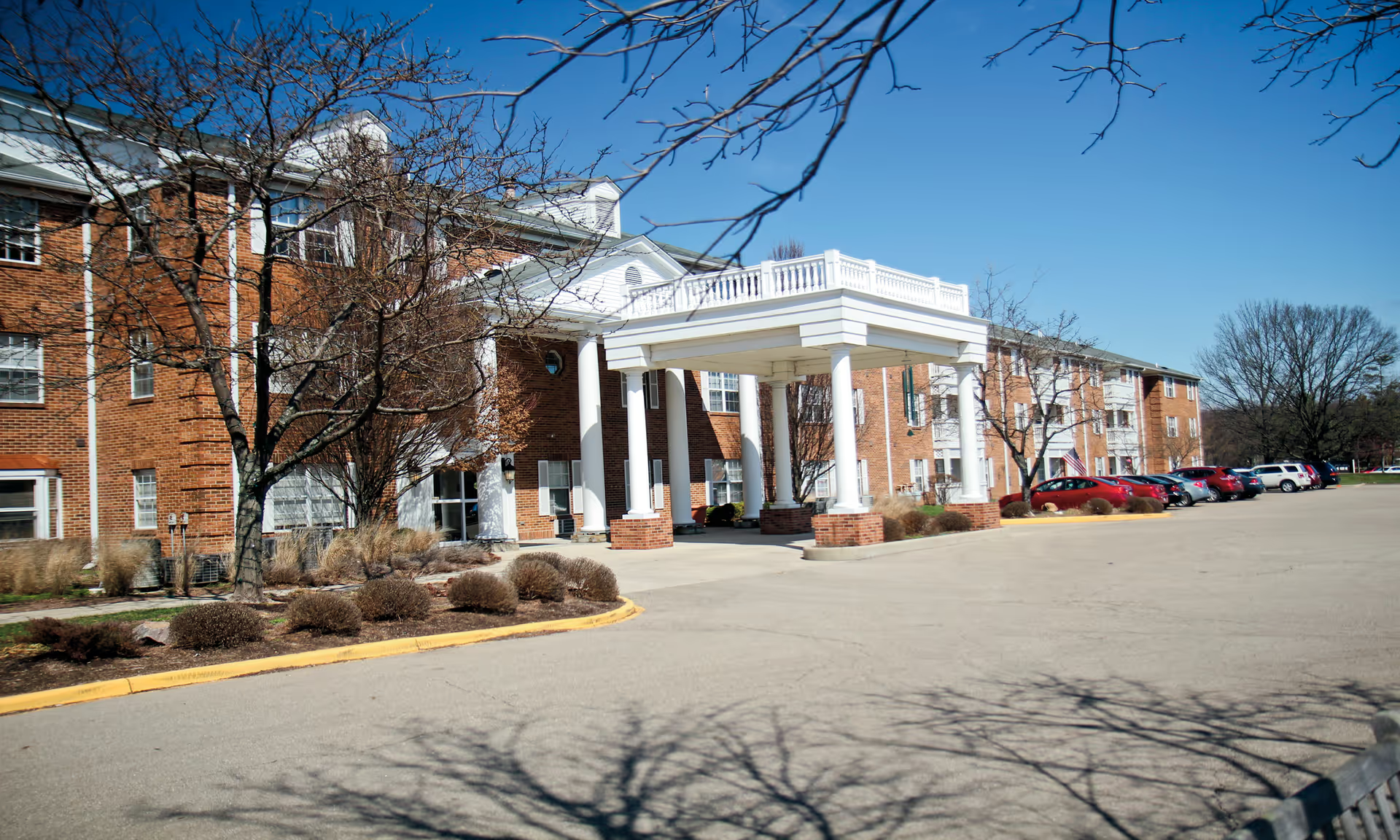
Traditions of Beavercreek is consistently described as a new, high-end community with well‑designed, apartment-style residences and a wide array of onsite amenities. Reviewers emphasize the tasteful, spacious units, appealing common areas, and thoughtfully maintained grounds; features frequently noted include restaurant-style table service, an on‑site salon, fitness center, theater, pub/casual café, chapel, and scheduled transportation and excursions. The campus is pet‑friendly and offers independent living villas and garden homes, weekly housekeeping and linen service, responsive maintenance, and an option to transition to higher-acuity care, which many families find reassuring.
Staffing and direct care experience are the most mixed elements. Numerous accounts praise compassionate, attentive employees — admissions staff, certain nurses, and individual aides are described as warm, responsive, and family‑oriented; move‑in coordination and initial follow‑through are often noted positively. At the same time, reviewers describe persistent staffing shortages, high turnover, and instances of limited aide availability, particularly on weekends and holidays. These operational gaps are associated with long waits for assistance, inconsistent bathing/mobility support, and reports of delays or errors in medication administration. The overall pattern suggests stronger performance for independent, low‑need residents and more fragile performance in assisted and memory‑care settings where clinical staffing demands are higher.
Dining and activities are generally seen as strengths but with variability. The dining program’s restaurant model, varied menu, and social dining environment receive favorable comments, and many residents enjoy the activity schedule (cards, puzzles, bingo, excursions, exercise programs). However, reviewers also note inconsistent meal timing, occasional food-temperature issues, and menu items that some residents find unappealing. Activity variety and excursion offerings are frequently highlighted as promoting engagement, though a few reviewers wished for more diversity in programming.
Facility operations and leadership present a mixed picture. Several reviewers praise individual leaders (director of nursing, certain admissions staff) for being proactive and caring, and they report smooth admissions and well‑orchestrated transitions. At the facility level, however, there are recurrent concerns about management accessibility, poor internal communication, and an organizational culture that some describe as unsupportive of staff. These leadership issues are cited as contributors to turnover and uneven enforcement of policies (for example, visitation and admission processes, parking logistics). A small number of reviews raise serious safety and incident‑response concerns; while such claims are not uniformly corroborated across reviews, they represent important items for prospective families to investigate.
In sum, Traditions of Beavercreek offers a modern, amenity‑rich environment that many residents and families find attractive and comforting, particularly for independent living. The primary operational weaknesses to weigh are staffing levels and consistency of clinical care in assisted/memory settings, variable meal-service reliability, and leadership/communication gaps. Prospective residents and families should tour the specific care neighborhood they are considering, ask detailed questions about current staffing ratios and turnover, medication‑administration protocols, bathing and mobility assistance schedules, pest‑control measures, and the facility’s policies on admissions, visitation, and public‑pay options to determine whether the community’s strengths align with their care needs.