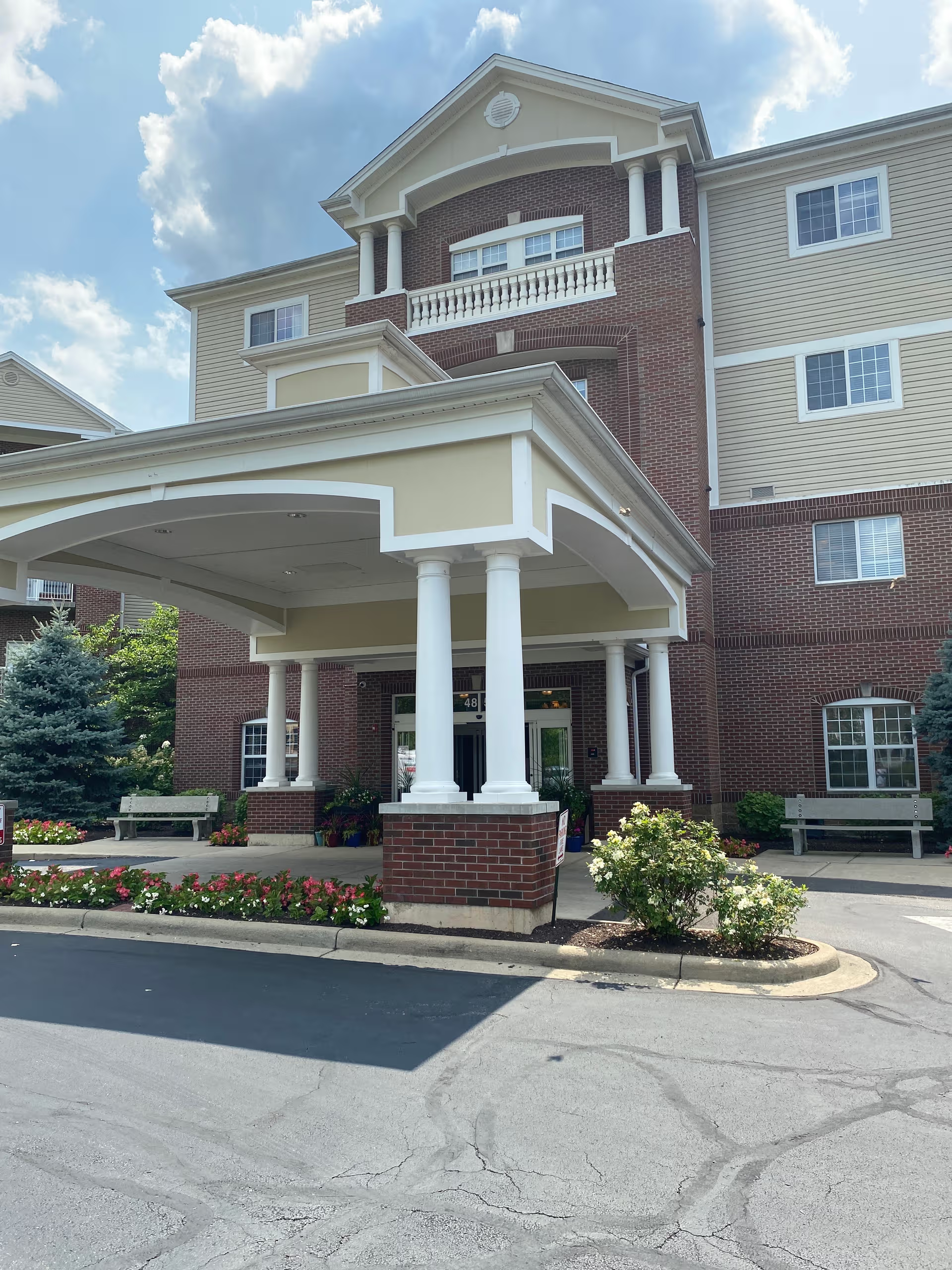
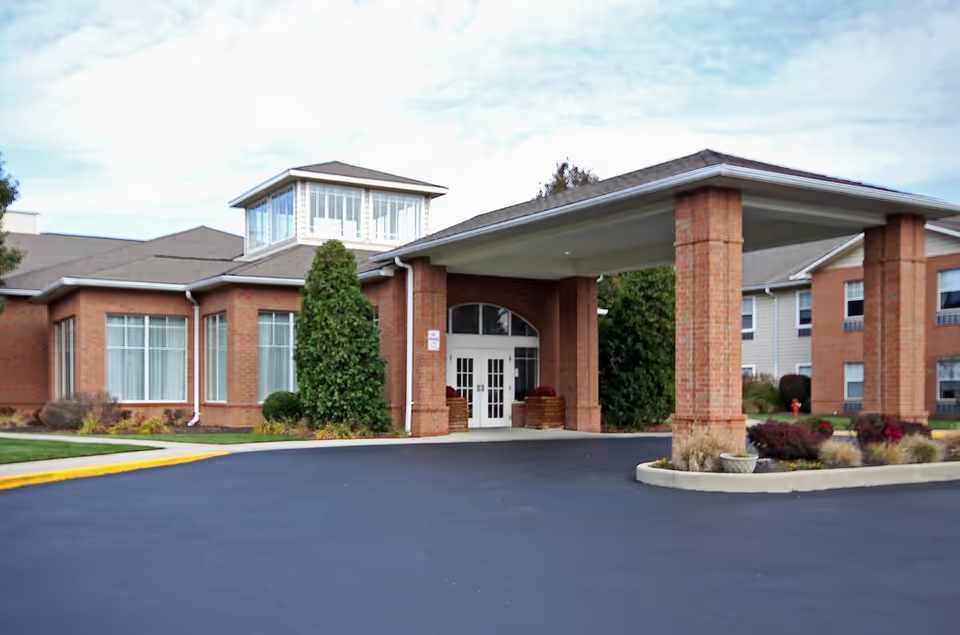
Reviews present a mixed but consistent picture: Brookdale Finneytown is frequently praised for its physical environment, amenities, and warm interactions from many individual staff members. The community offers bright, well-maintained common spaces, a range of activity rooms, secured outdoor seating, and amenities such as a salon and occasional specialty features (e.g., ice-cream parlor). Admissions staff and some long-term caregivers receive frequent commendation for their welcoming approach and efforts to personalize the move-in experience.
Care quality and staffing are the most recurrent themes in reviewer feedback. Several reviews describe strong clinical resources on-site and compassionate individual caregivers; however, a countervailing pattern points to high frontline turnover, reliance on agency staff, and inconsistent training. These staffing dynamics are associated with variability in everyday care: delayed or inconsistent responses to call buttons, inconsistencies in medication timing and administration practices, and uneven implementation of care plans. Reviews also indicate real concerns about clinical monitoring and response in acute situations, suggesting the need for clearer protocols and oversight when complex medical needs are present.
Dining and activity programming elicit mixed responses. Many families appreciated the variety of activities, recurring social events, and occasional outings; at the same time, reviewers noted insufficient backup when activity staff are absent and fewer day-trip opportunities than expected. Dining is frequently described as having both strengths (a la carte options, room delivery, some high-quality meals) and weaknesses (limited menu flexibility, inconsistent meal temperature/quality, texture-modified foods not always meeting needs, and occasional sanitation lapses). Prospective residents who prioritize robust culinary programs or therapeutic dining should confirm current menus and texture-modified food processes during a visit.
Facility maintenance and cleanliness are generally cited as positives—many reviewers describe a bright, renovated, and home-like atmosphere—but there are reports of sanitation and pest-control concerns, localized odors, and inconsistent housekeeping in some units. Laundry and personal property handling have produced errors for some families, indicating a need to verify inventory and labeling processes on move-in. Physical layout features (an X-shaped footprint, limited outdoor access for assisted-living residents) may affect navigation and independence for people with visual or mobility limitations.
Management and administrative practices show mixed performance. Several reviewers praised improvements under newer leadership and named directors who created positive change, while others raised concerns about billing errors, unclear contract terms, deposit-pressure during admissions, and occasional lack of transparency (for example, transportation fee disclosure and medication administration policies). These patterns suggest variability in operational controls and in how policy exceptions are handled.
Notable patterns and practical takeaways for families: Brookdale Finneytown offers many desirable amenities and has examples of strong, compassionate caregiving. At the same time, variability in staffing, training, clinical response, and administrative follow-through appears to drive much of the negative feedback. Before committing, families should observe current staffing levels on multiple shifts, verify emergency-response functionality (call buttons), confirm written policies on medication forms and administration, clarify transportation and other out-of-pocket fees in writing, review activity staffing/backup plans, and request documentation of pest-control and sanitation practices. These steps can help align expectations with the facility’s present capabilities and identify whether it meets an individual resident’s clinical and social needs.