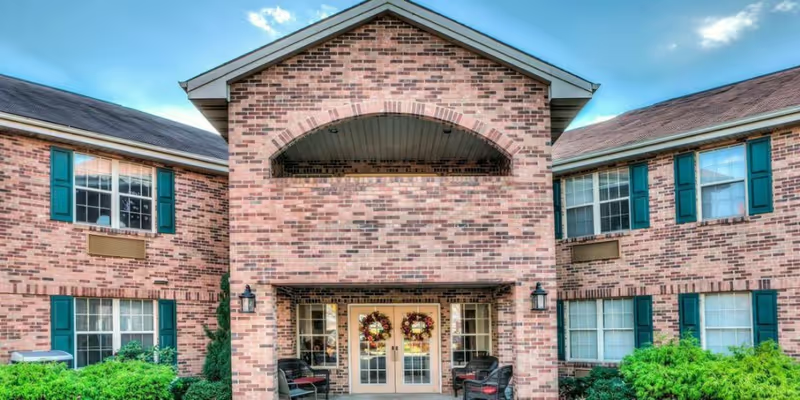
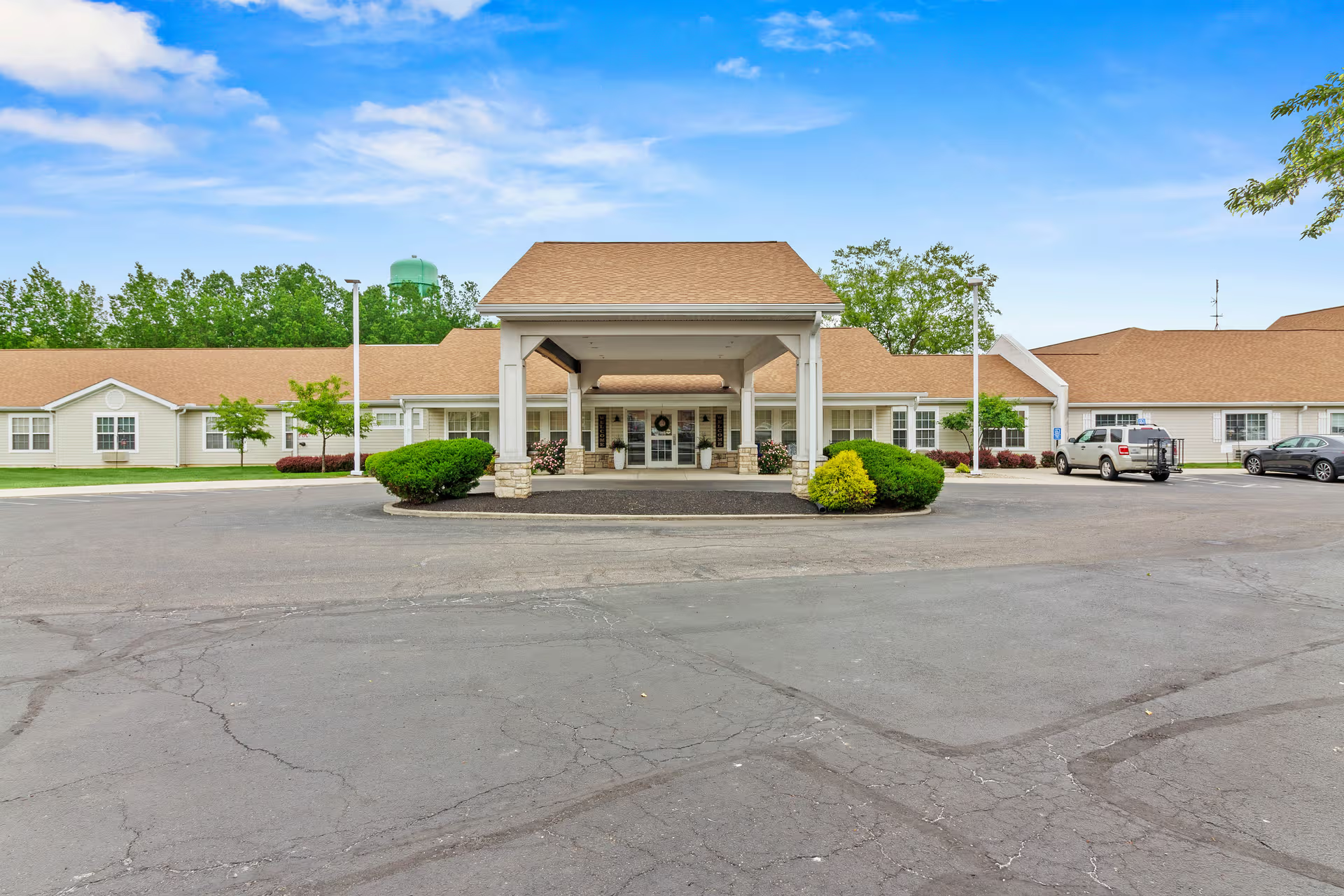
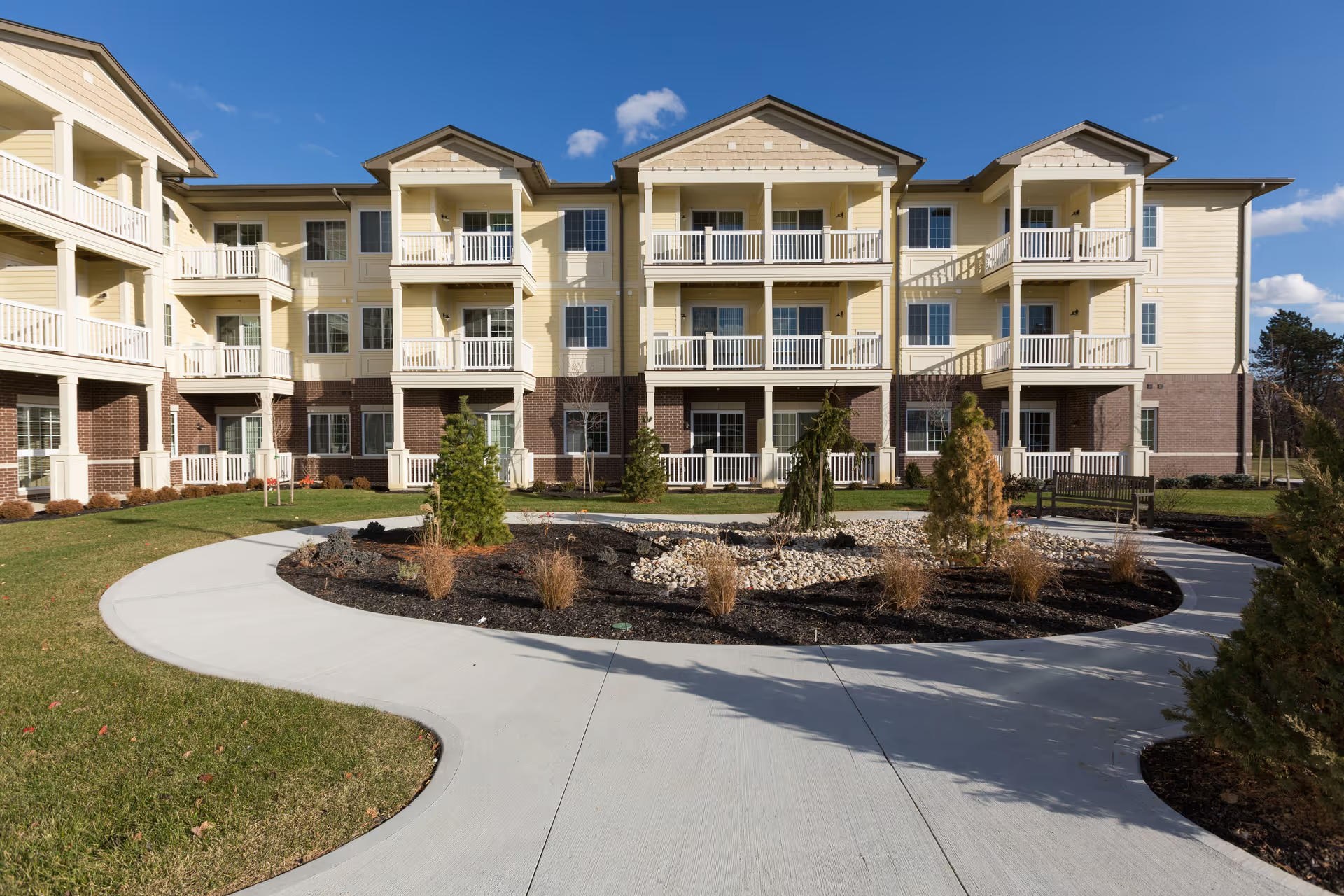
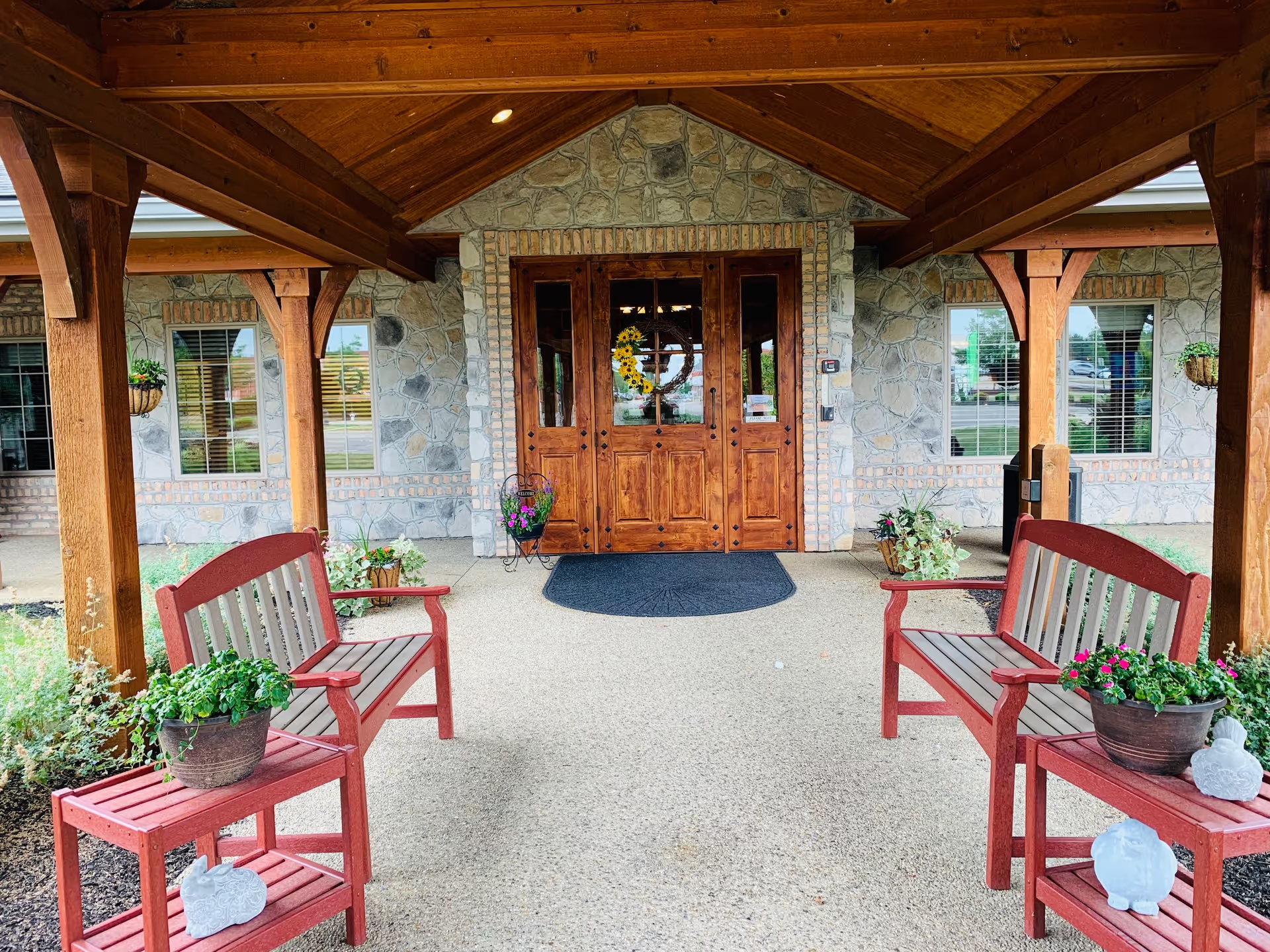
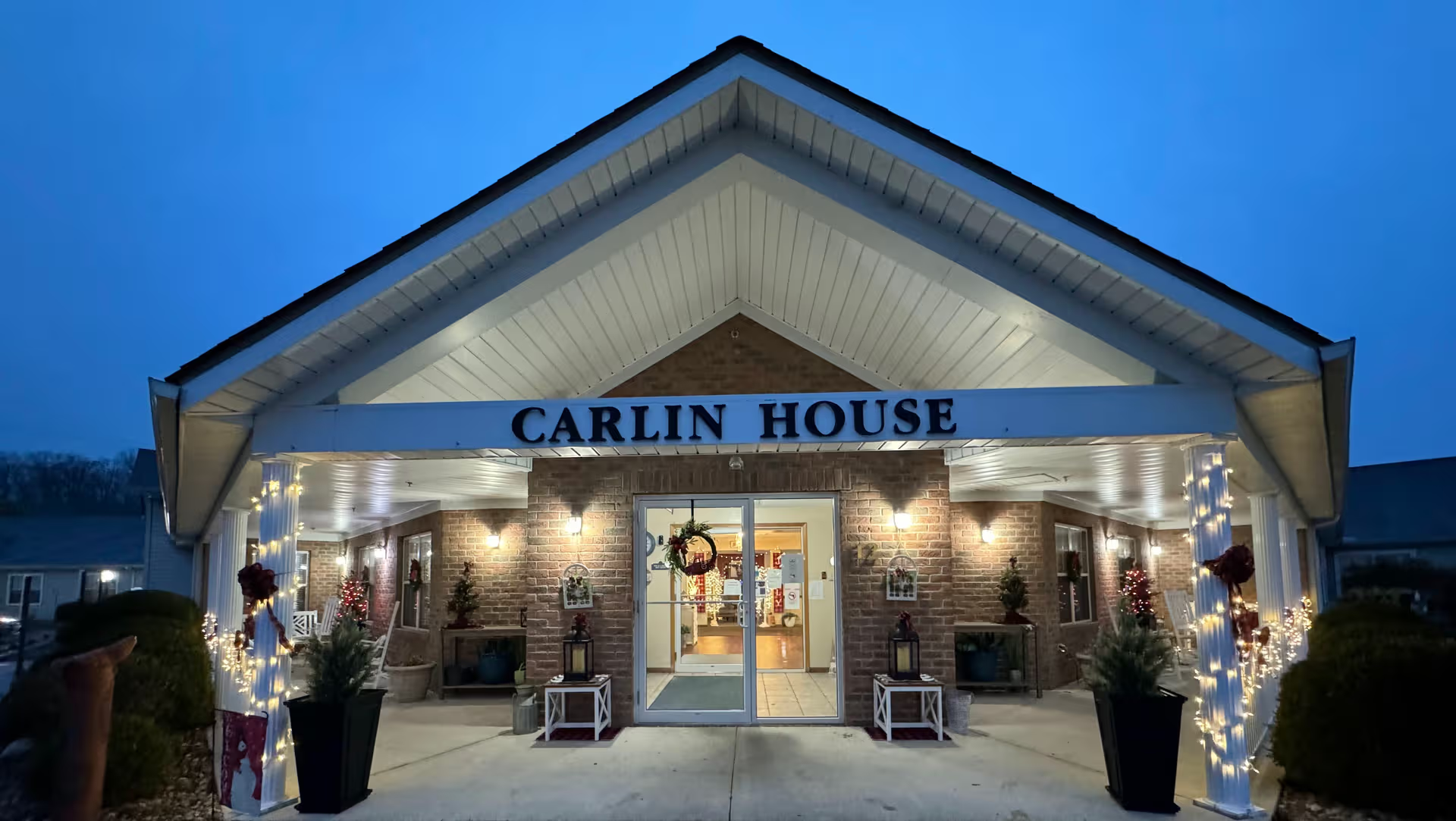
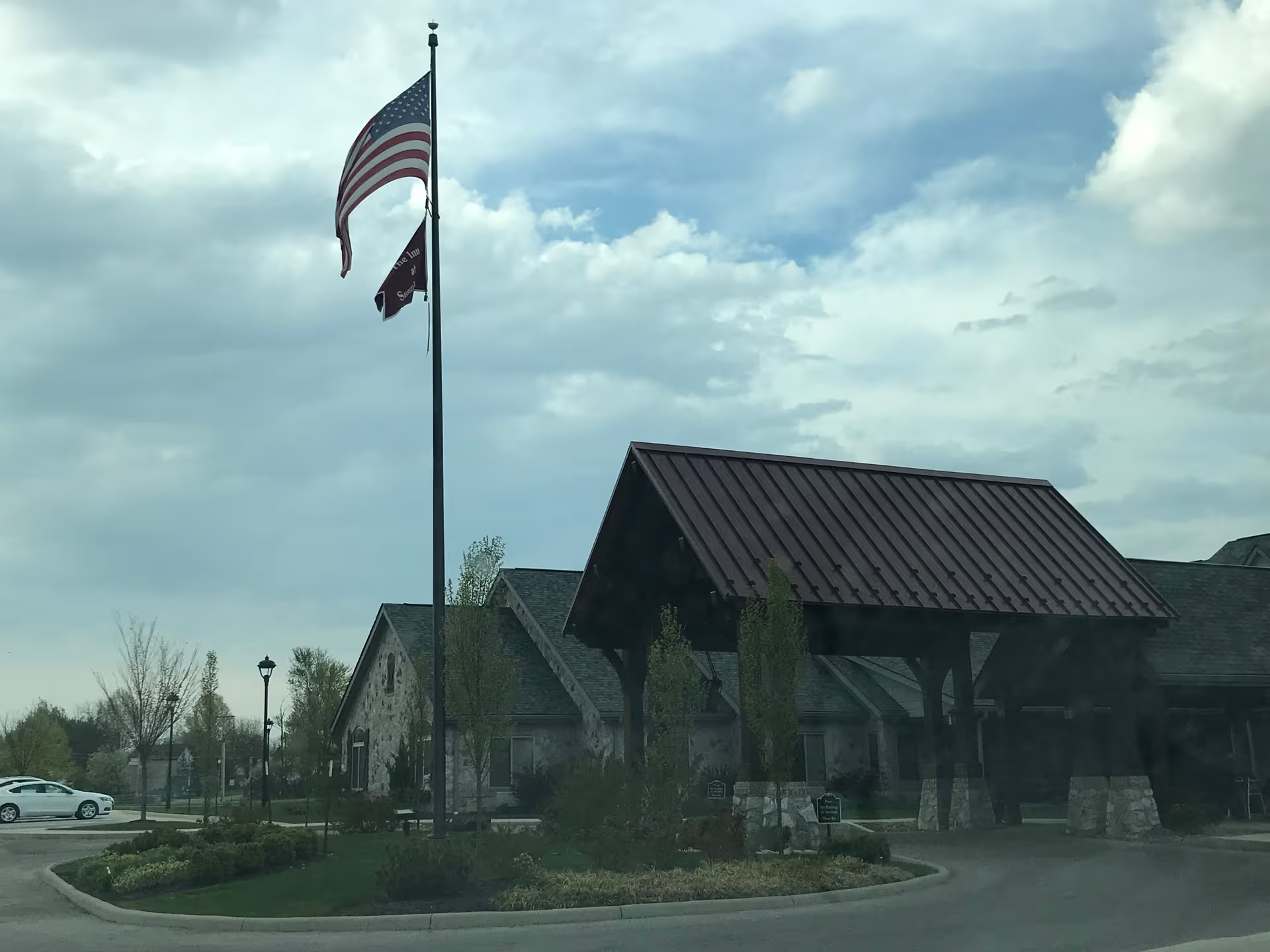
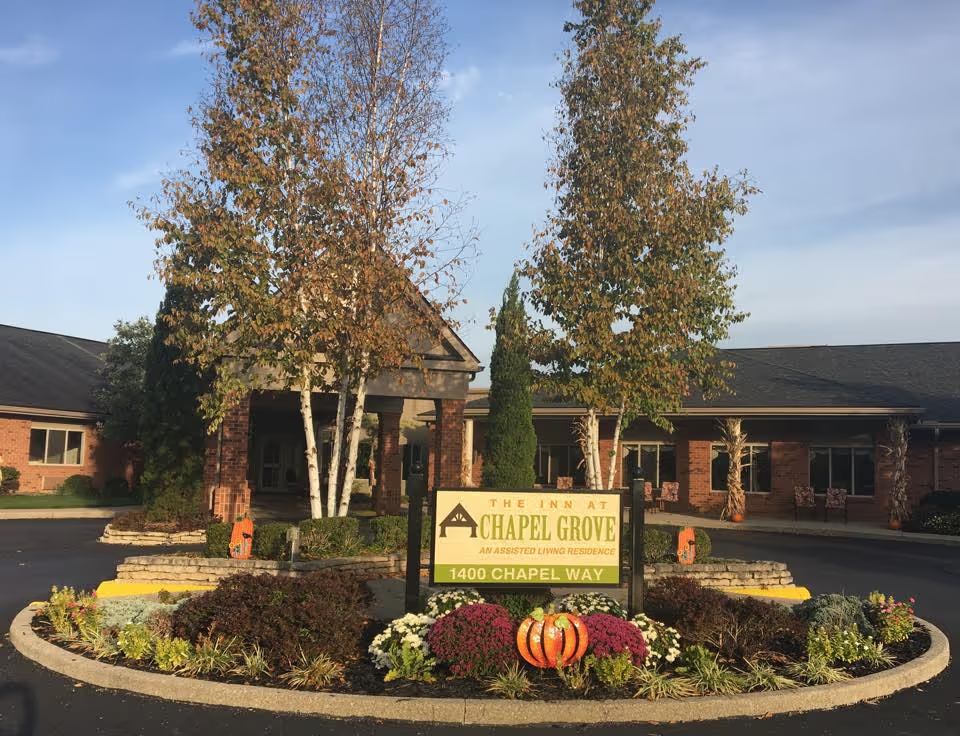
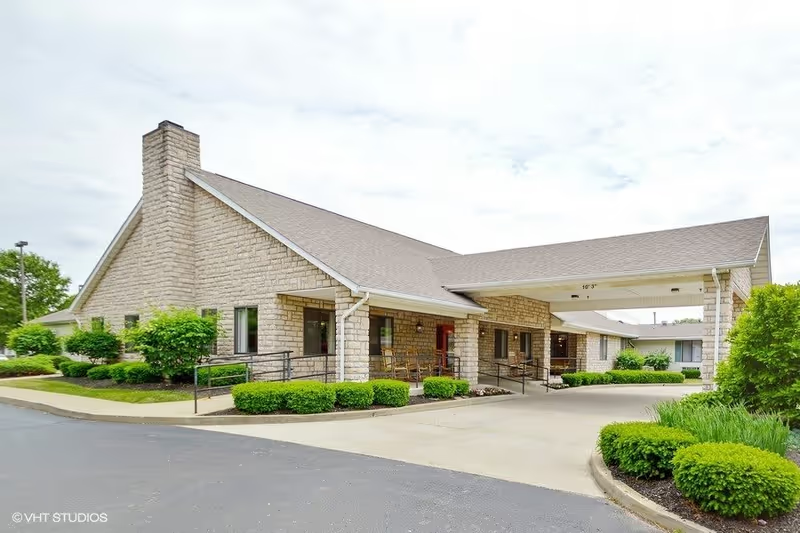
Bickford of Lancaster is consistently described as an attractive, well‑maintained campus with a strong emphasis on social programming and resident comfort. The community layout supports multiple levels of care (independent, assisted living, and nursing) and offers a range of apartment styles and communal spaces: large activity rooms, private dining and family gathering spaces, therapy and fitness areas, salon and library, and accessible outdoor landscaping with a walking trail. Many families and visitors highlighted the clean, inviting interior and the availability of amenities that support social engagement and independent living.
Staff and direct care are the most frequently cited strengths. Reviewers commonly describe staff as compassionate, personable, and engaged; leadership and some named managers are also praised for accessibility and thorough tours. Clinical and therapy resources receive positive notes where used, including effective physical therapy and supportive hospice interactions. At the same time, there are recurrent operational concerns related to staffing levels and internal communication. Several comments indicate variability in coverage (including nights and shift changes) and gaps in shift‑to‑shift handoff or follow‑up with families. These patterns have been associated with delays in clinical responsiveness and scheduling coordination.
Dining experiences are mixed. Many reviewers praise a restaurant‑style dining room, chef touches, and hospitality details (fresh‑baked items, family‑style menus). However, others note a decline tied to kitchen leadership changes, inconsistencies in menu execution, and problems accommodating special diets. Meal delivery continuity and variable food quality are recurring practical issues for prospective residents to evaluate during a tour.
The activity program and enrichment options are consistent highlights: diverse offerings include music, singing, crafts, games, exercise classes, and off‑site dining or field trips. The activity spaces are described as large and flexible, enabling multiple concurrent programs. Memory‑care programming receives a mixed assessment: some families commend individualized approaches and engagement stations, while others identify insufficient one‑to‑one attention, weak separation between memory care and assisted living, and limited dementia‑specific activities in parts of the unit.
Administrative and financial practices are another area to scrutinize. Multiple reviewers mention pricing opacity, extra fees (laundry, dressing assistance, transport), limited availability of Medicaid beds, and occasional billing or refund disputes. These are facility‑level traits that affect move‑in decisions and long‑term affordability rather than single incidents. Prospective families should request a clear, itemized fee schedule and written policies on refunds, upgrades, and ancillary charges.
Practical considerations for visitors and families: some apartment types are described as compact and may have limited privacy depending on location relative to activity spaces; confirm unit size and placement during a visit. Also ask about staffing ratios during nights and weekends, clinical response timelines, medication management protocols, and how dietary accommodations are handled. Overall, this community is often recommended for those prioritizing social programming, a home‑like dining environment, and an engaged staff culture; careful advance inquiry about staffing, memory‑care specifics, and the fee structure is advised to align expectations with operational realities.