The Meadows of Leipsic presents a generally positive clinical and residential profile, particularly for families seeking strong short-term rehabilitation and long-term residency options. Reviewers consistently highlight attentive nursing and aide care supported by on-site clinical resources — wound-care nursing and physical therapy are specifically noted — and many describe coordinated, personalized care plans that facilitate recovery. Several long-term residents praise the continuity of care and the facility’s home-like, small-community atmosphere.
Staff and leadership receive mixed but largely favorable commentary. Many accounts describe warmth, respect, and a unified care team that communicates openly with families through in-person meetings. Therapy and rehabilitation personnel are frequently framed as patient and effective. At the same time, there are operational concerns about inconsistent staff competence and the tone of management in some interactions; prospective families should ask about staffing patterns and oversight during a visit.
Dining and social programming are strengths for the community. The dining room, accommodating kitchen staff, and appealing menus are often praised, and reviewers point to a wide range of activities — happy hours, church services, Bible studies, bingo, and frequent social events — that support socialization. That said, some residents or families note that meal selections can carry additional costs and there are self-prepare kitchen options for those who prefer them; clarifying meal pricing and included services is advisable.
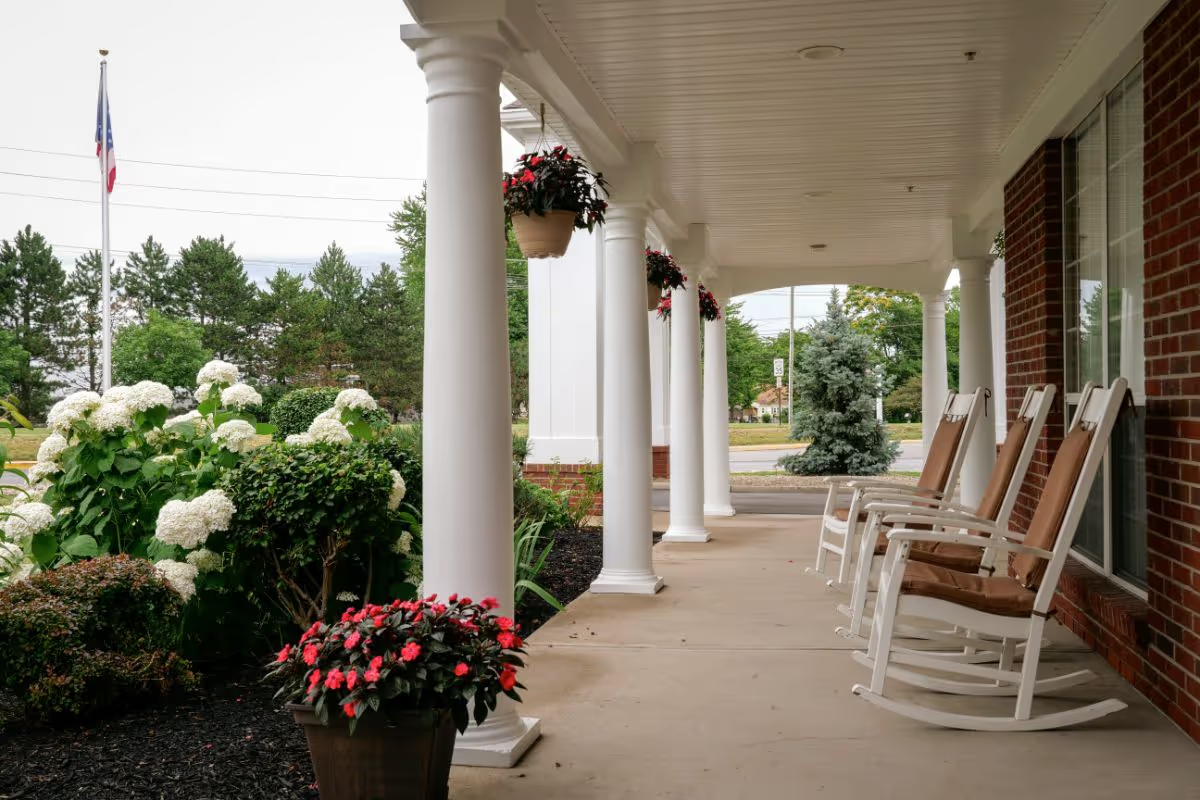
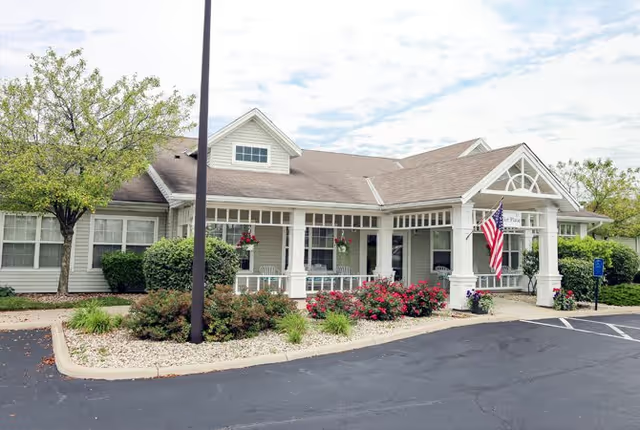
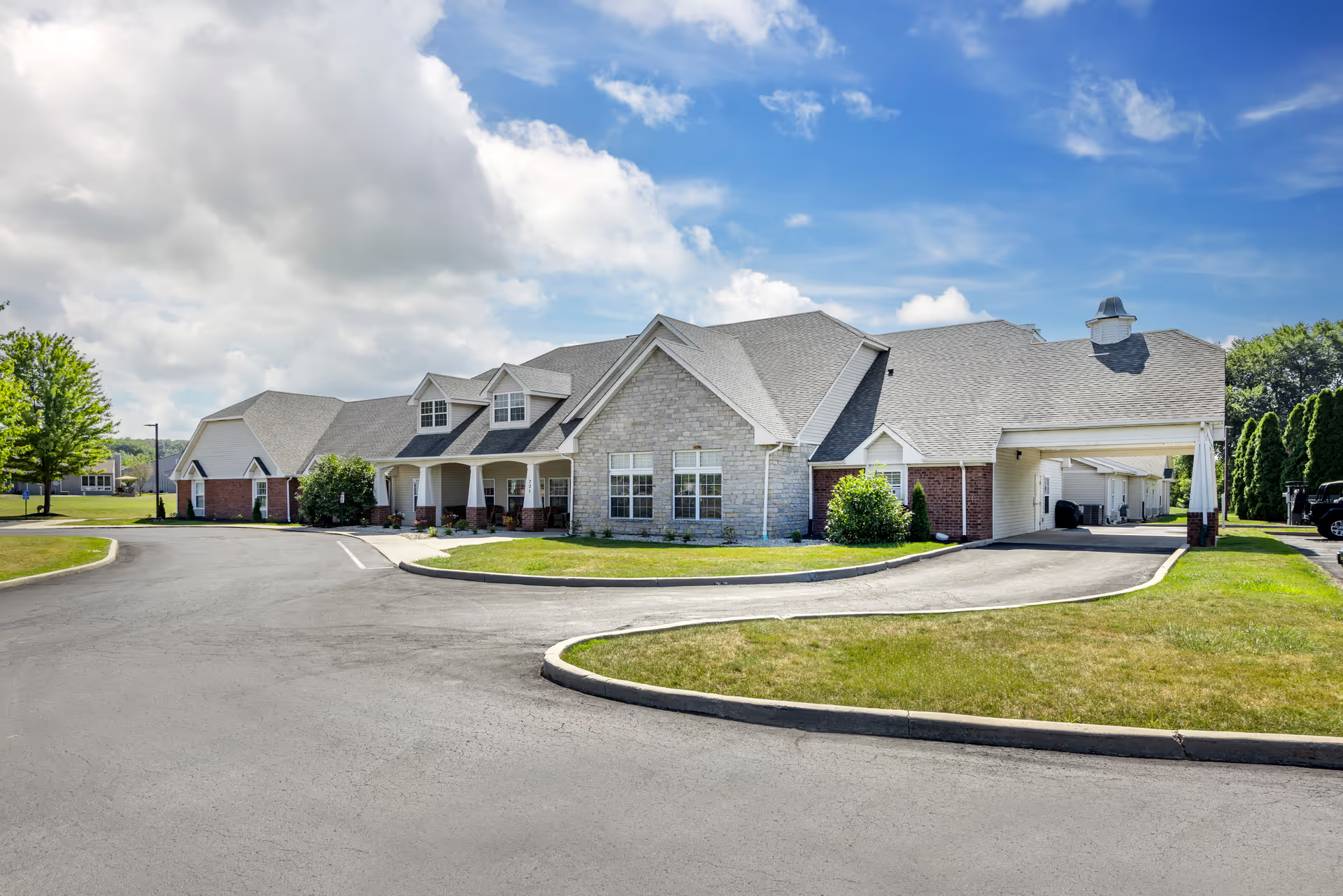
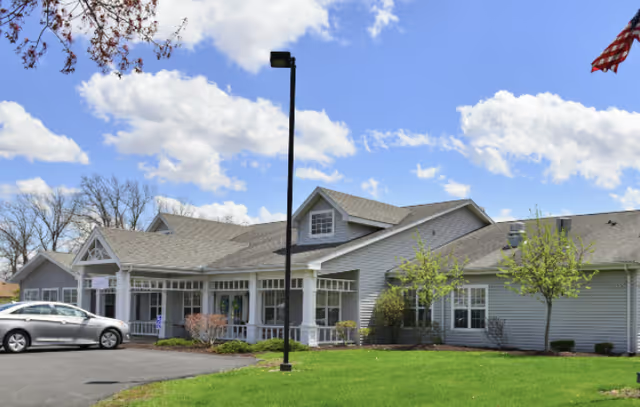
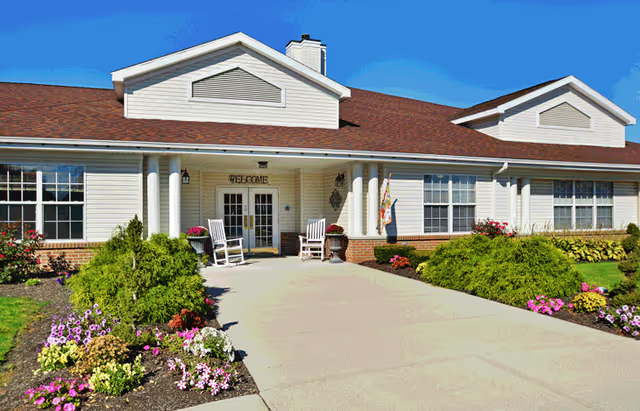
The property and accommodations are generally described as well maintained, with attractive grounds and villa living options that many find comfortable and affordable. However, reviewers report tangible accessibility limitations: wheelchair access and certain room configurations can be restrictive, and common-use appliances such as dishwashers and dryers may be difficult to access. These are operational issues that affect resident independence and should be confirmed in a tour.
A few additional patterns merit attention. There are mentions of resident-to-resident verbal conflict and sporadic behavioral-management gaps, which can lead some residents to avoid group activities; inquiring about behavioral-support protocols is recommended. Pet-policy enforcement, including breed-verification requirements, has blocked some companion-animal requests; prospective residents who require or wish to keep an animal should verify policy and documentation requirements. Finally, a small number of comments referenced rumors or uncertainties about financial or policy stability; families may want to ask for clarity on contractual terms and financial safeguards.
Overall, The Meadows of Leipsic appears to offer robust rehabilitation services, a supportive social environment, and long-term affordability for many residents, balanced by operational limitations in accessibility, some management and conduct inconsistencies, and a few policy-related constraints. A focused visit that observes mealtimes, activities, unit accessibility, and discusses staffing, pet rules, and meal pricing will help prospective residents and families evaluate fit.