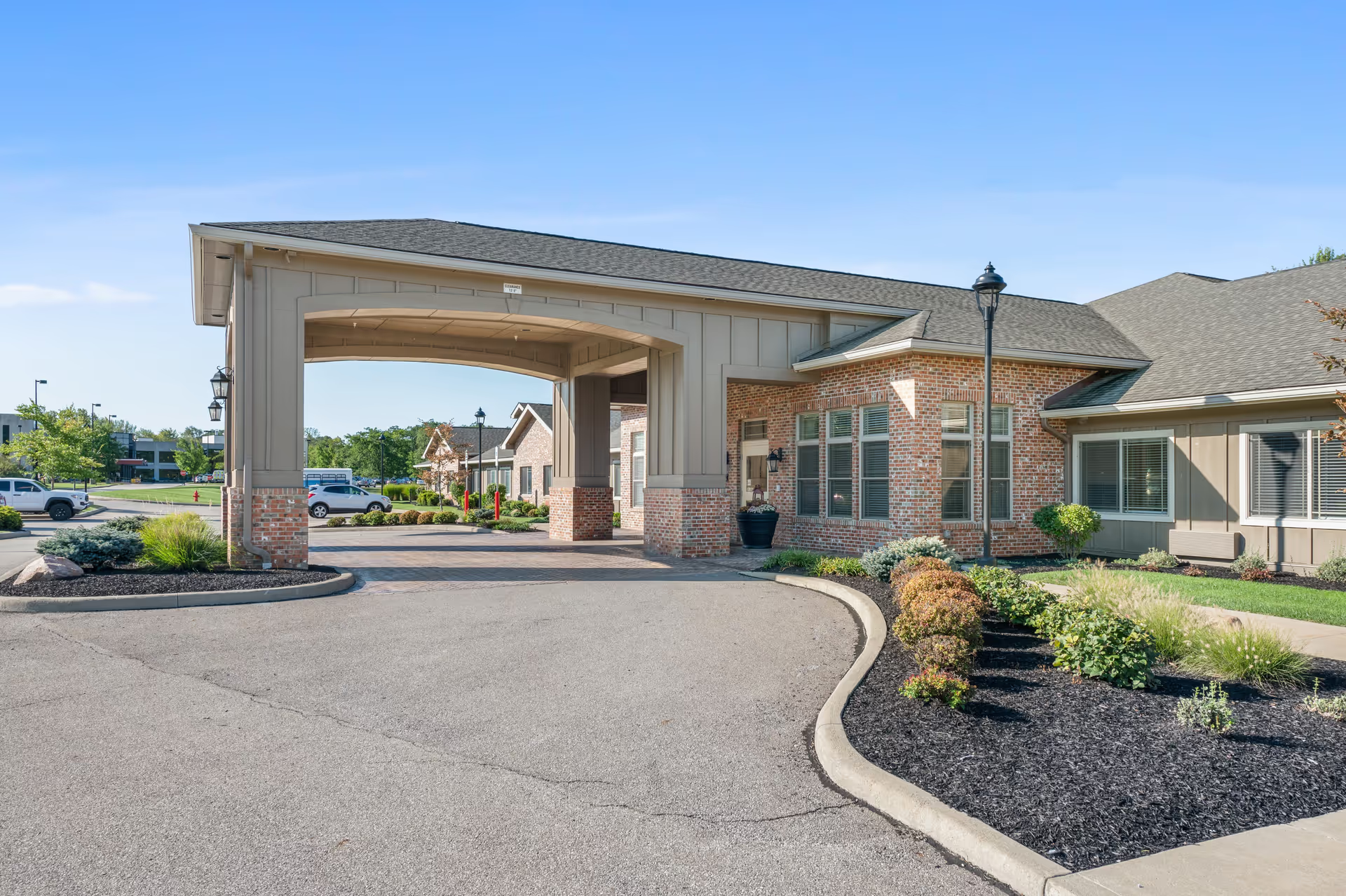
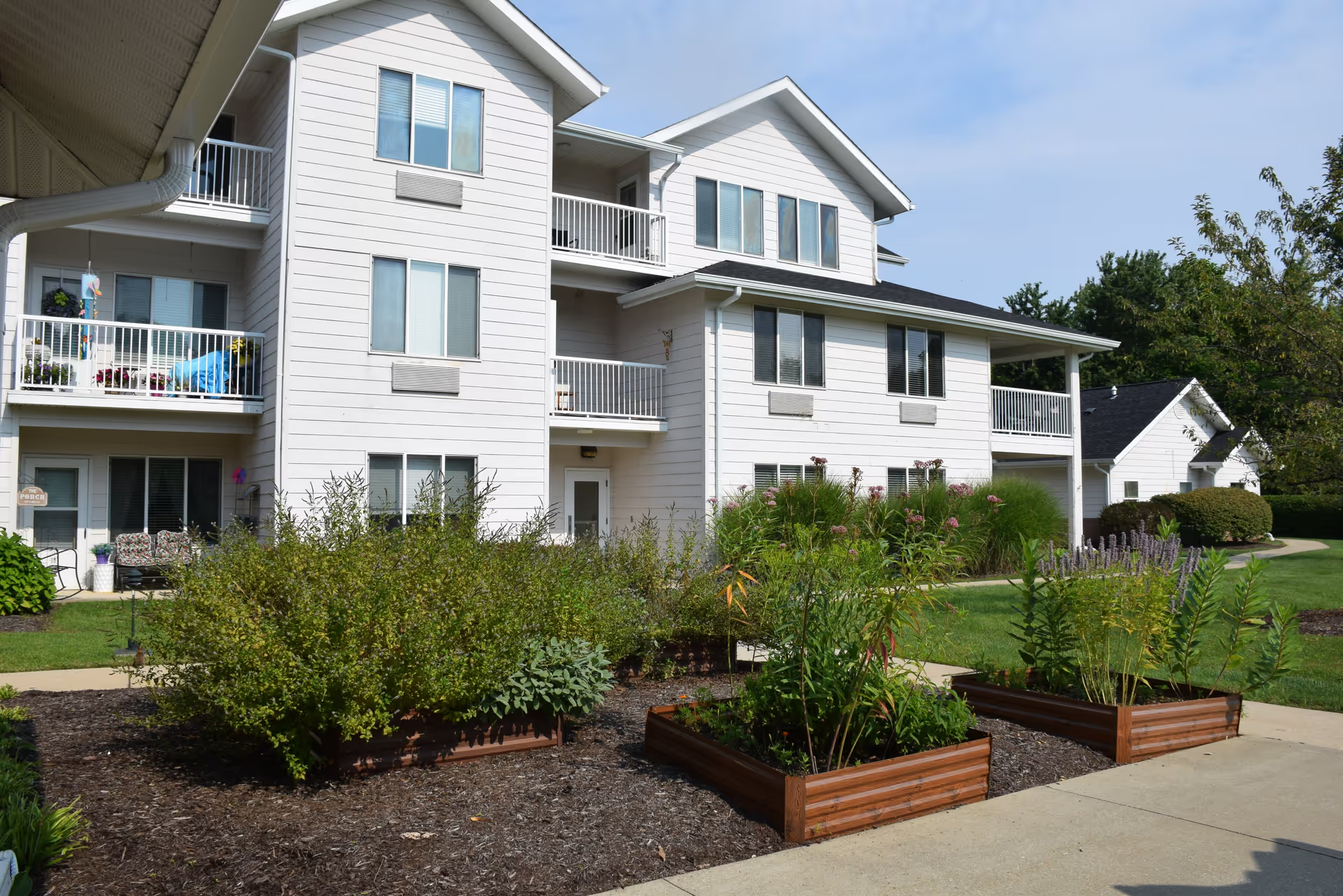
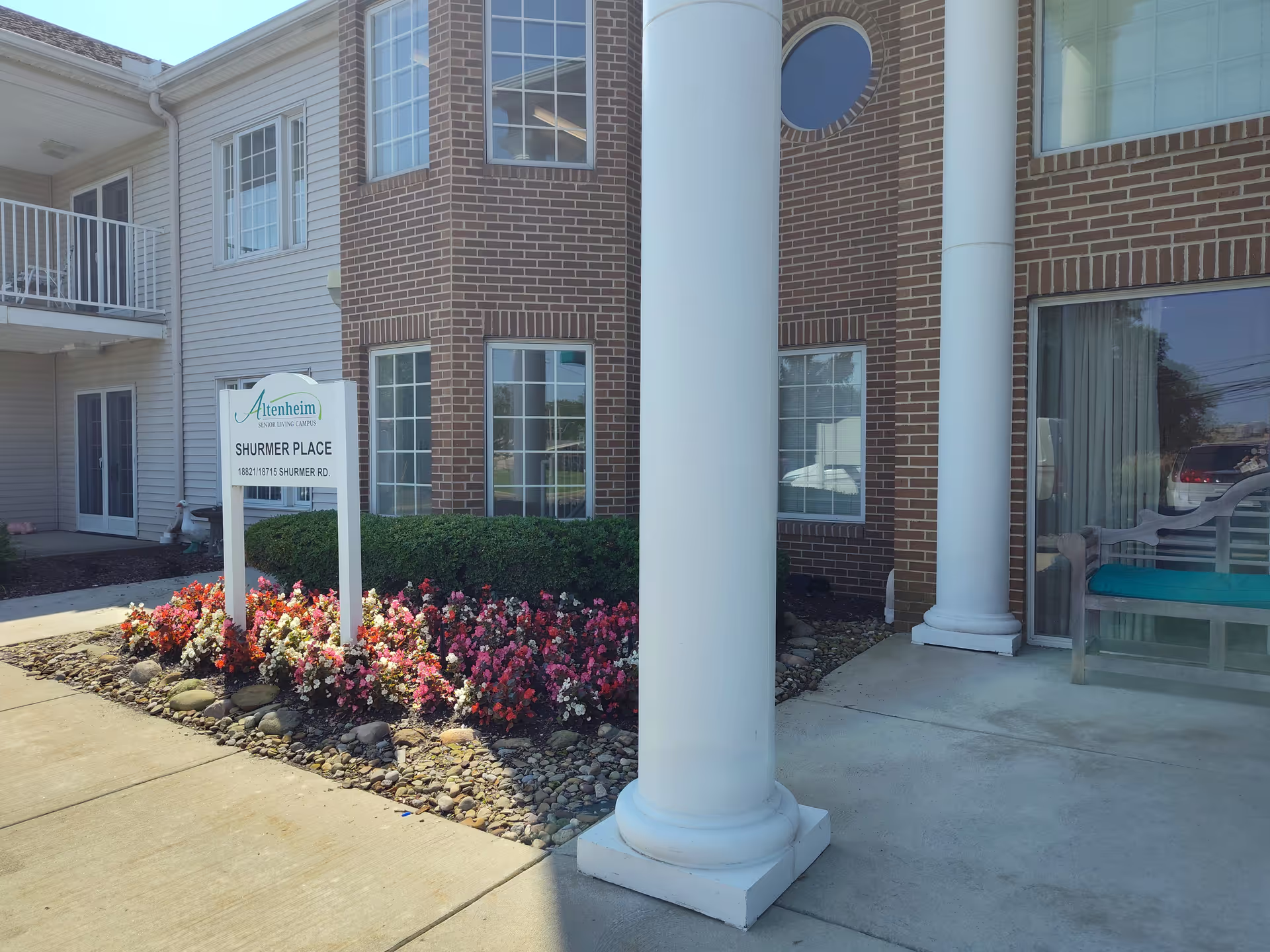
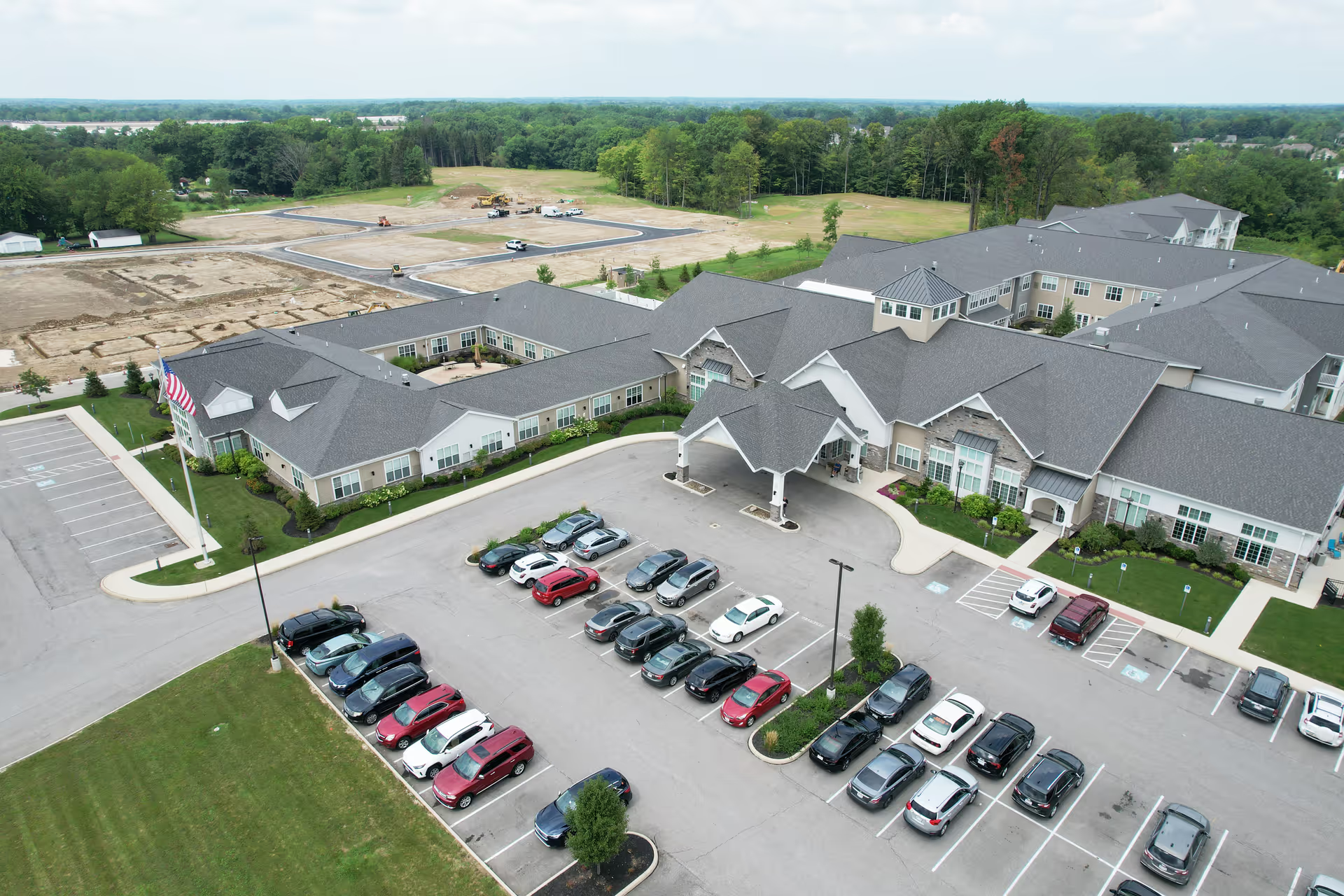
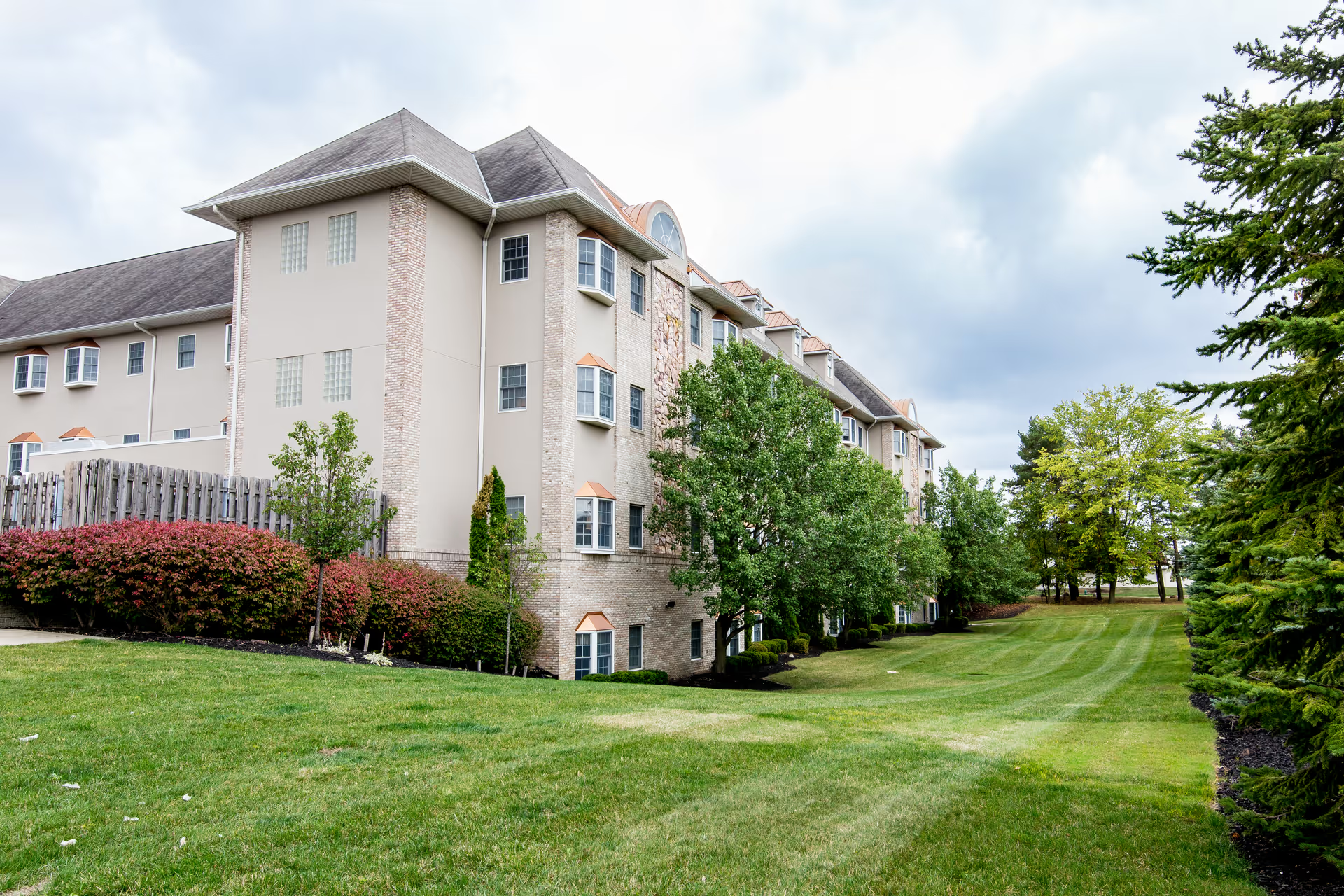
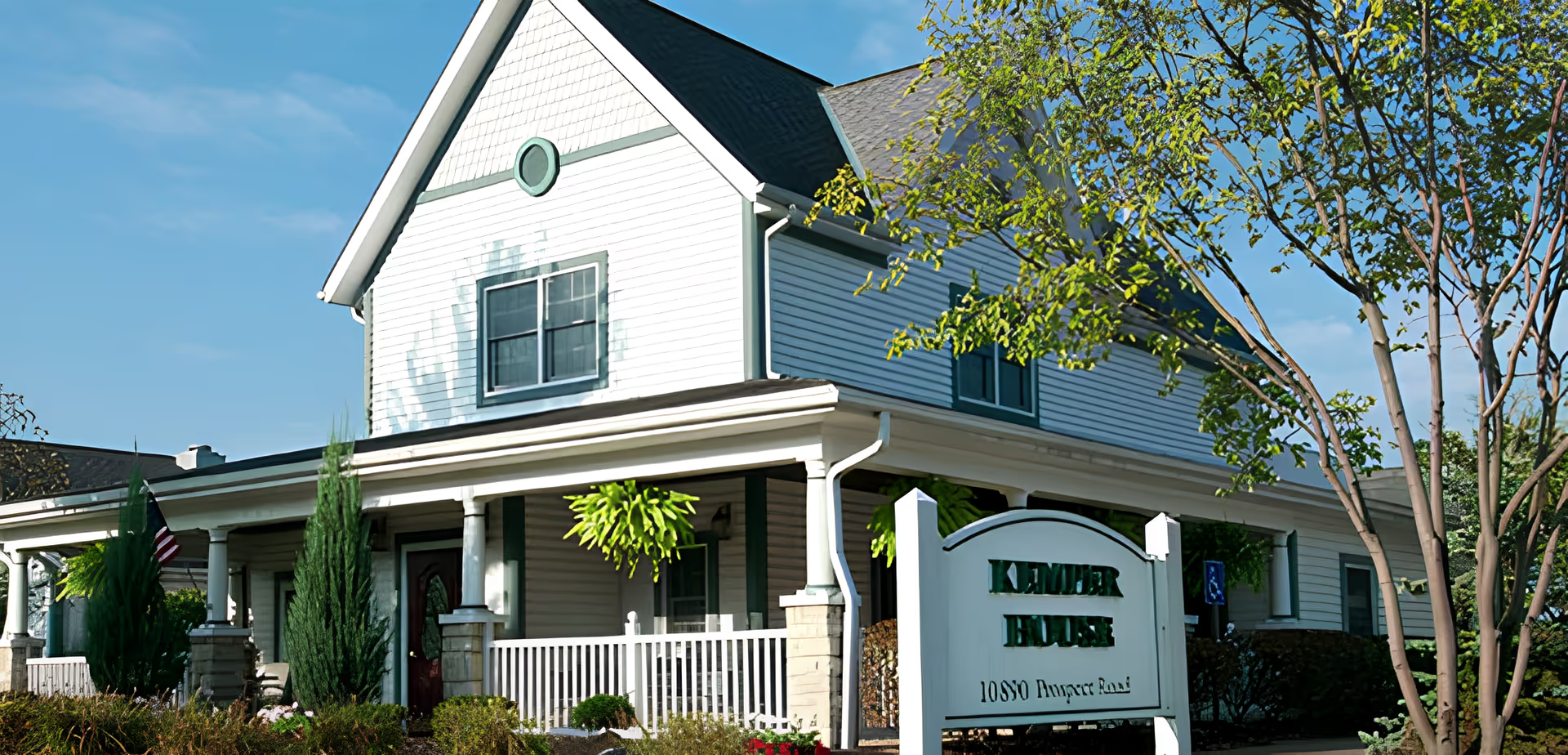
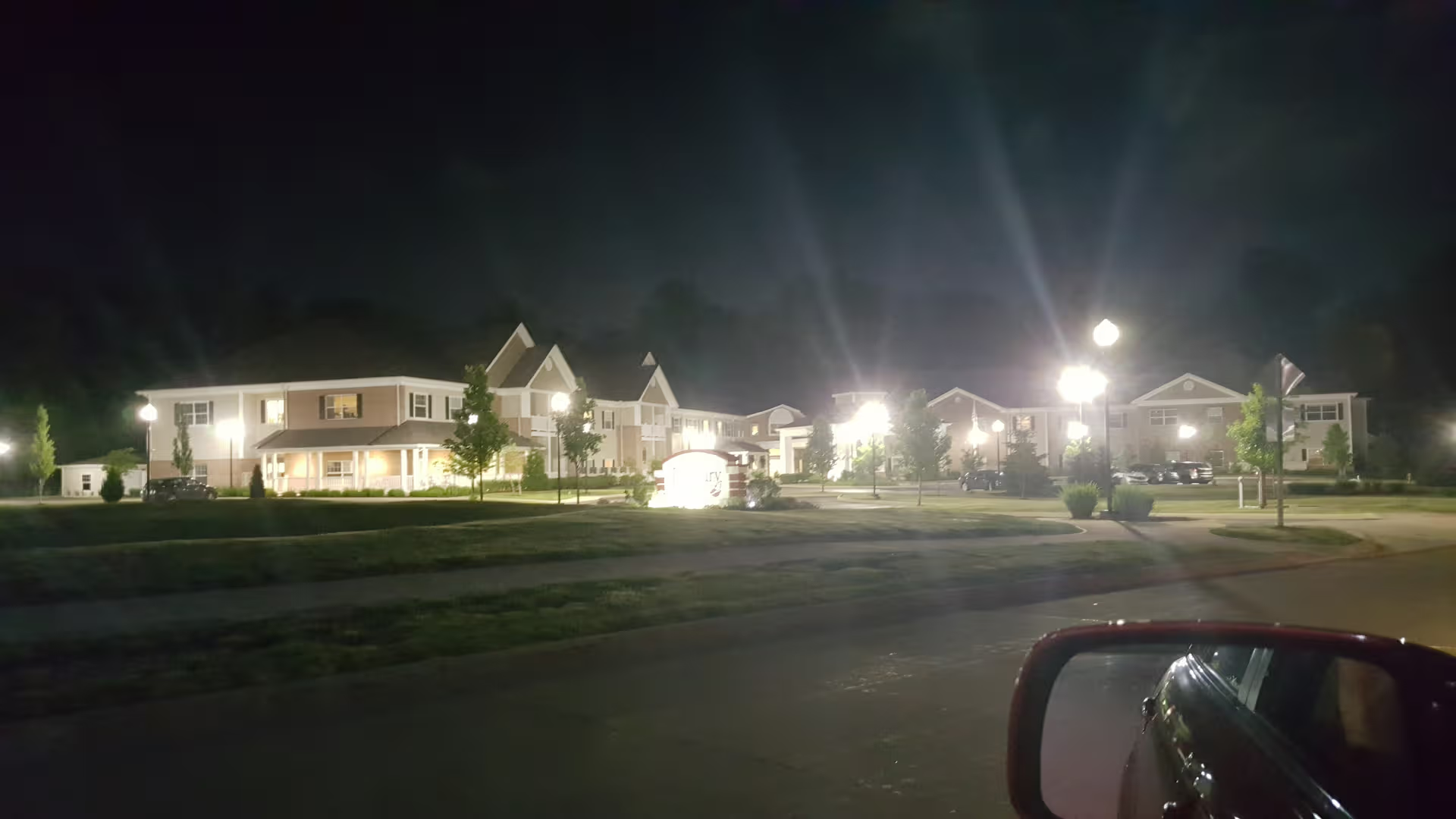
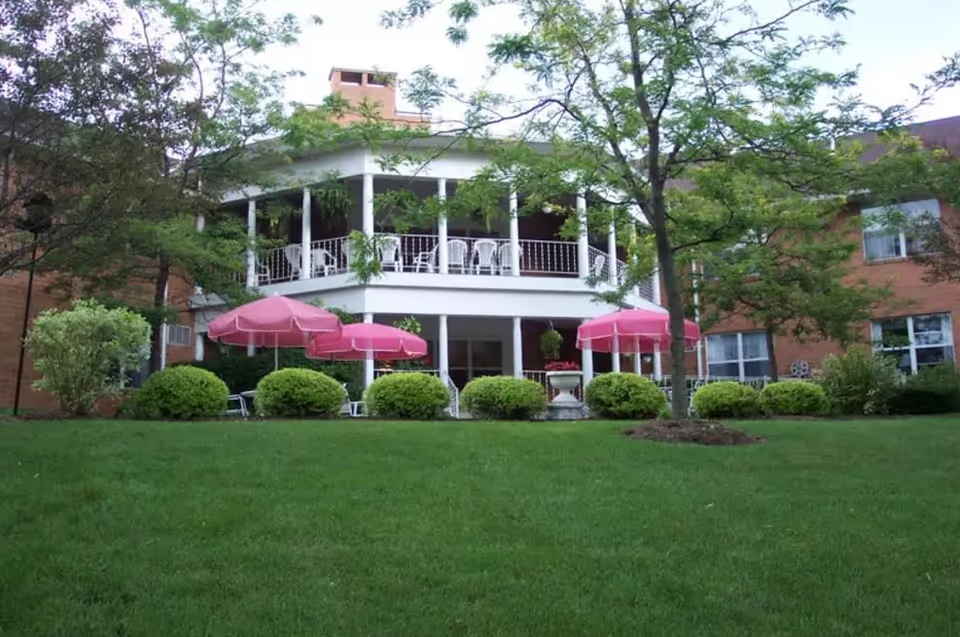
SouthWest Commons by New Perspective elicits strongly mixed impressions. Many families and residents describe a warm, home‑like community with compassionate direct caregivers, active programming, and a social dining environment. Strengths frequently mentioned include an on-site nursing presence and primary-care access, acceptance of Medicare/Medicaid waiver funding, a variety of apartment floor plans, routine housekeeping and linen service, accessible van transportation, and an outdoor courtyard. Several accounts note efficient move-in processes and staff members who go beyond basic duties to assist families and residents.
At the same time, a pattern of operational weaknesses appears across accounts. Chronic understaffing and variability in staffing levels — especially limited licensed nursing coverage on night shifts — is a recurrent concern. Reviewers describe inconsistent caregiver training and certification, which ties into reports of medication-management lapses and family concerns about consent and dosing changes. Safety monitoring gaps are also described, with several families reporting falls and issues indicating shortcomings in fall-prevention and pressure-injury prevention practices. Some accounts describe weight loss and increased reliance on hospice services for higher-acuity residents, which suggests variability in clinical oversight as resident needs increase.
Dining and housekeeping experiences are inconsistent across reports. Many reviewers praise the food, fellowship at mealtimes, and responsive dining staff; others describe cold or poorly timed meals and lapses in meal-service continuity. Facility cleanliness and maintenance are also described in divergent terms: multiple families report a clean, well-kept community and timely laundry service, while others note sanitation and laundry-service lapses, odor concerns in specific areas, and inconsistent room-level housekeeping. High staff turnover and administrative changes are frequently cited as drivers of declining consistency in care, and some families have noted price increases without perceived service improvements.
Communication and management responsiveness vary by case. Several experiences highlight managers and directors who quickly resolve issues and who provide attentive, reassuring updates. Conversely, other families describe miscommunication about resident care, delayed responses to calls, and administrative problems that complicated care transitions. A few families have used family-installed monitoring cameras to maintain oversight and document care patterns.
Overall, SouthWest Commons appears to offer strong social programming, a supportive culture among many direct-care staff, and practical on-site clinical resources, but prospective residents and families should explicitly evaluate operational consistency. Recommended questions for tours and conversations: current staff-to-resident ratios (day and night), licensed nursing coverage hours, CNA training and certification, medication-review and informed-consent processes, fall-prevention protocols, linen/housekeeping schedules, recent staffing turnover rates, sample menus and meal-service timing, hospice coordination procedures, and policies on rate increases. These focused inquiries will help determine whether the facility’s strengths are reliably sustained for a given resident’s needs.