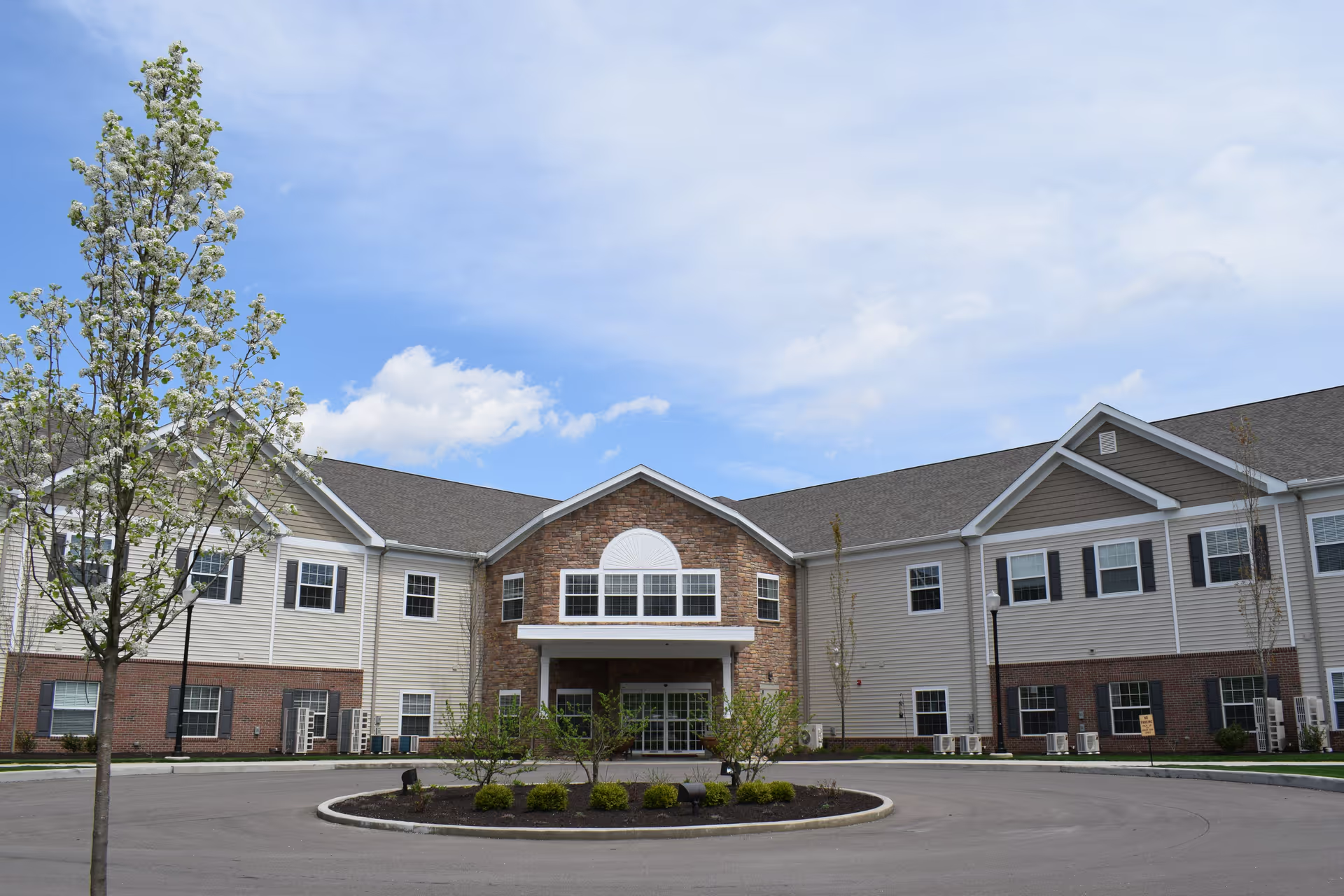
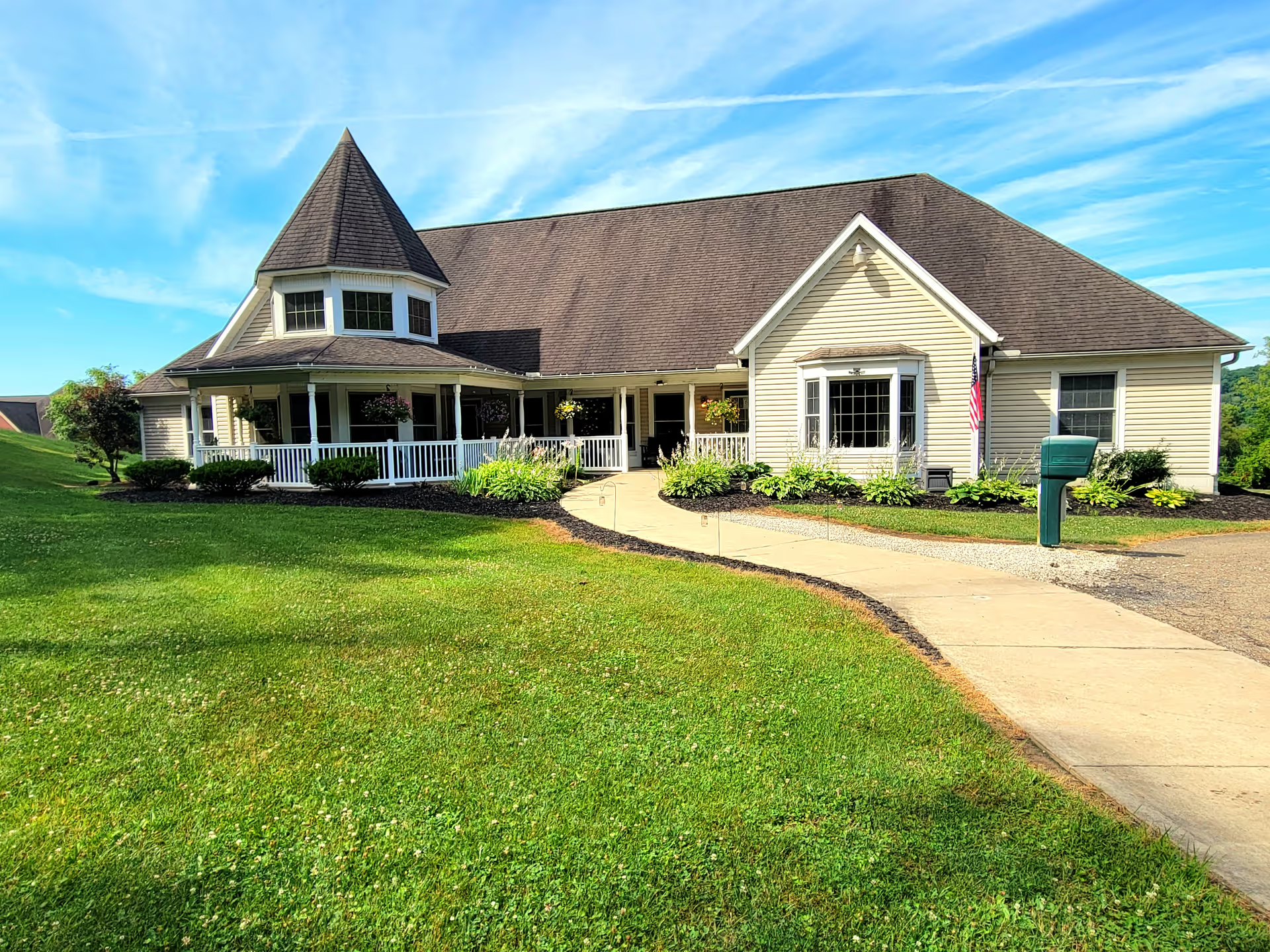
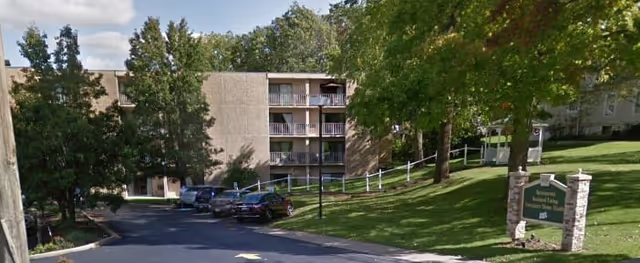
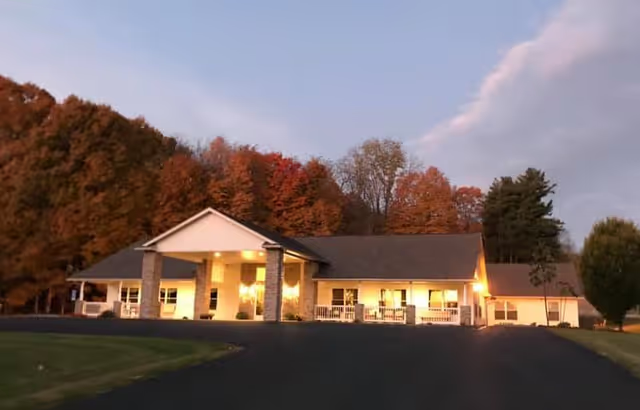
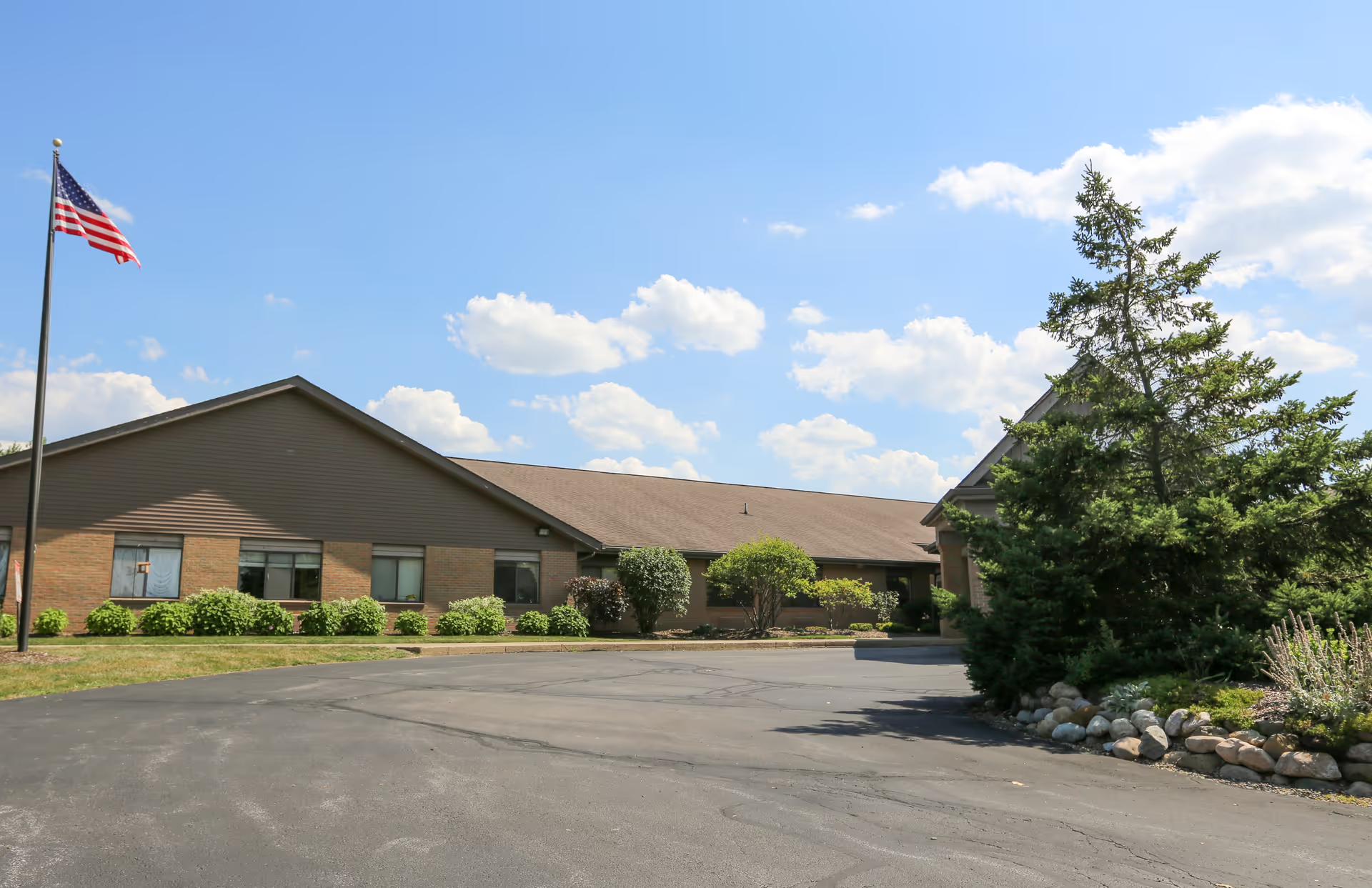
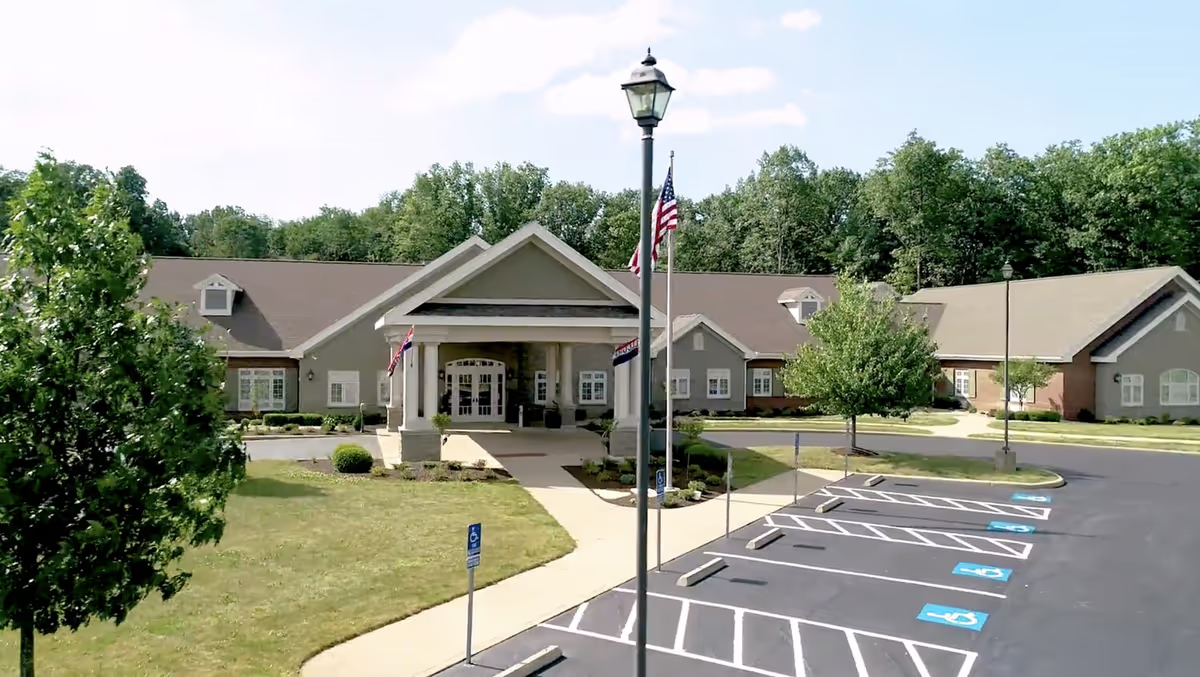
Brookdale Wooster presents a mixed but informative profile for prospective residents and families. Strengths most consistently described include a caring and engaged frontline staff, a generally clean and home-like environment, and a range of apartment types with accessible layouts that allow residents to bring personal furnishings. The community offers an active social program—puzzles, Bingo, crafts, field trips and continuous activity programming—and visible memory-care investments such as newly renovated memory-care units and secured programming tailored to cognitive needs. Families also noted useful services like on-site occupational therapy, transportation to medical appointments, housekeeping, and a pleasant courtyard and grounds that support outdoor time.
Care quality and staffing earned both positive and critical comments. Many reviewers praised individual caregivers, certain nurses, and the dining staff for dementia-aware service; several accounts described attentive move-in assistance and staff who personalize care around residents’ interests. At the same time, reviewers identified recurrent operational issues: intermittent understaffing, use of agency staff, and measurable staff turnover—including in activity-director and clinical positions—appear to affect continuity of care. These workforce pressures were linked in some accounts to slower response times to resident requests and occasional lapses in oversight during particular shifts.
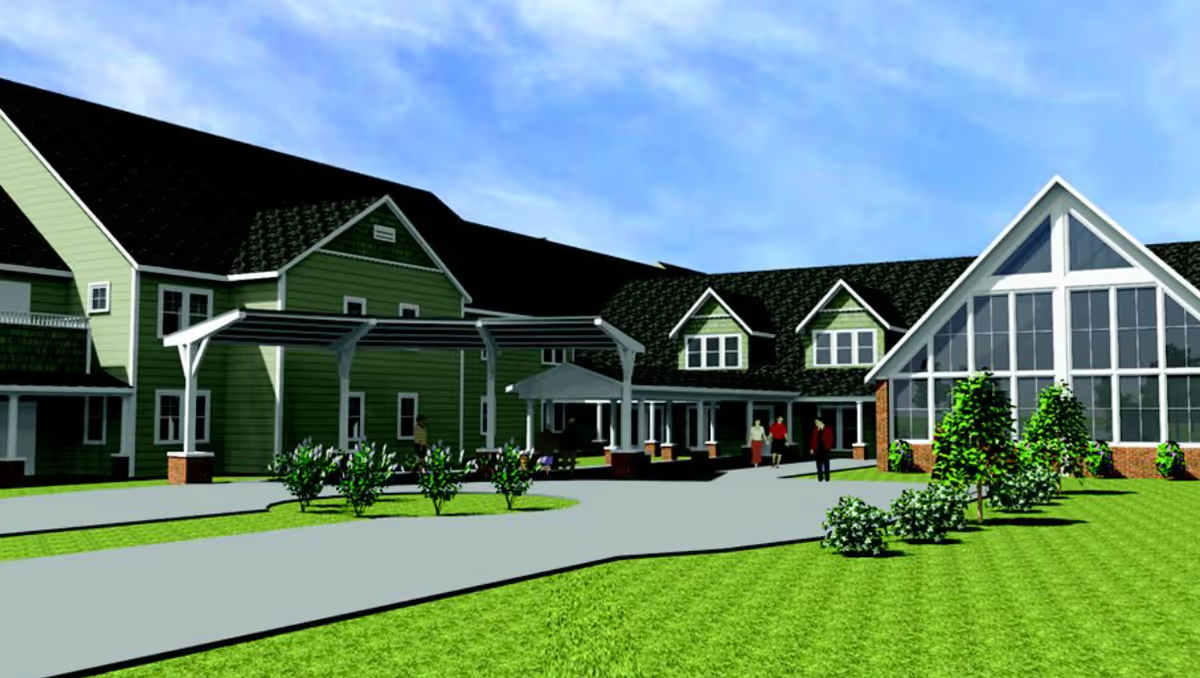
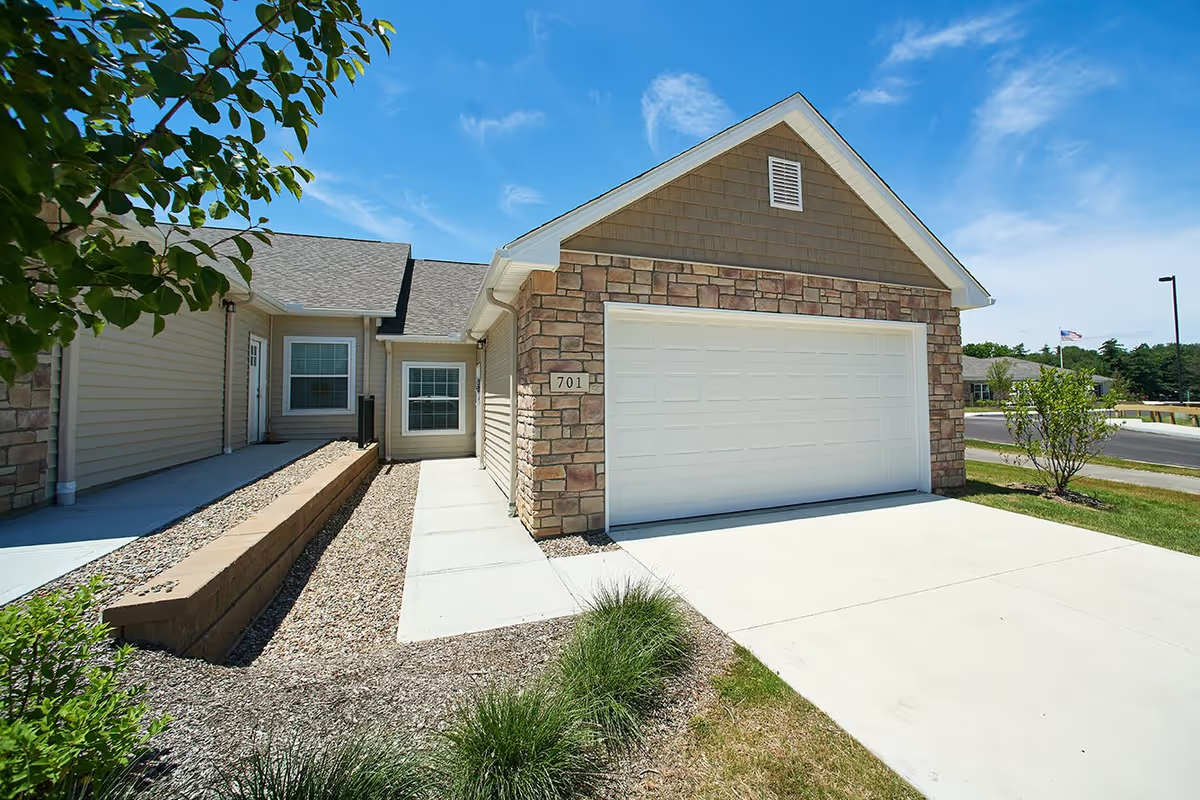
Dining and activities are strengths for numerous residents, with multiple meal choices and some highly regarded menu items noted, along with robust programming that fosters engagement. However, food quality and perceived value were inconsistent across reviews, and activity scheduling continuity was uneven when leadership changed. Facilities are a mix of renovated, modernized spaces (notably the memory-care building and some apartments) and older areas showing wear; overall grounds and communal spaces were described positively, while a minority of private units raised sanitation or lingering-odor concerns.
Management and administrative areas showed a clear pattern of mixed experiences. Positive impressions of local managers and certain staff members contrast with recurring criticisms about billing practices, autopay and refund handling, and slow or ineffective responses to complaints. Several families described frustrations with corporate-level procedures, unclear staged-care transition policies, and limited flexibility around dining access for visitors. Cost was frequently described as high relative to perceived value, which amplifies concerns about inconsistent service levels.
In short, Brookdale Wooster offers many of the amenities and person-centered features that prospective residents seek—engaged caregiving, memory-care infrastructure, active programming, and a well-maintained communal environment. The principal trade-offs to evaluate in person are staffing consistency and responsiveness, clarity and reliability of billing and administrative processes, and variability in some dining and private-unit maintenance experiences. A focused visit that observes staffing at different times, reviews recent billing practices, and speaks with both local management and current families will help determine whether the community’s strengths align with an individual resident’s needs and expectations.