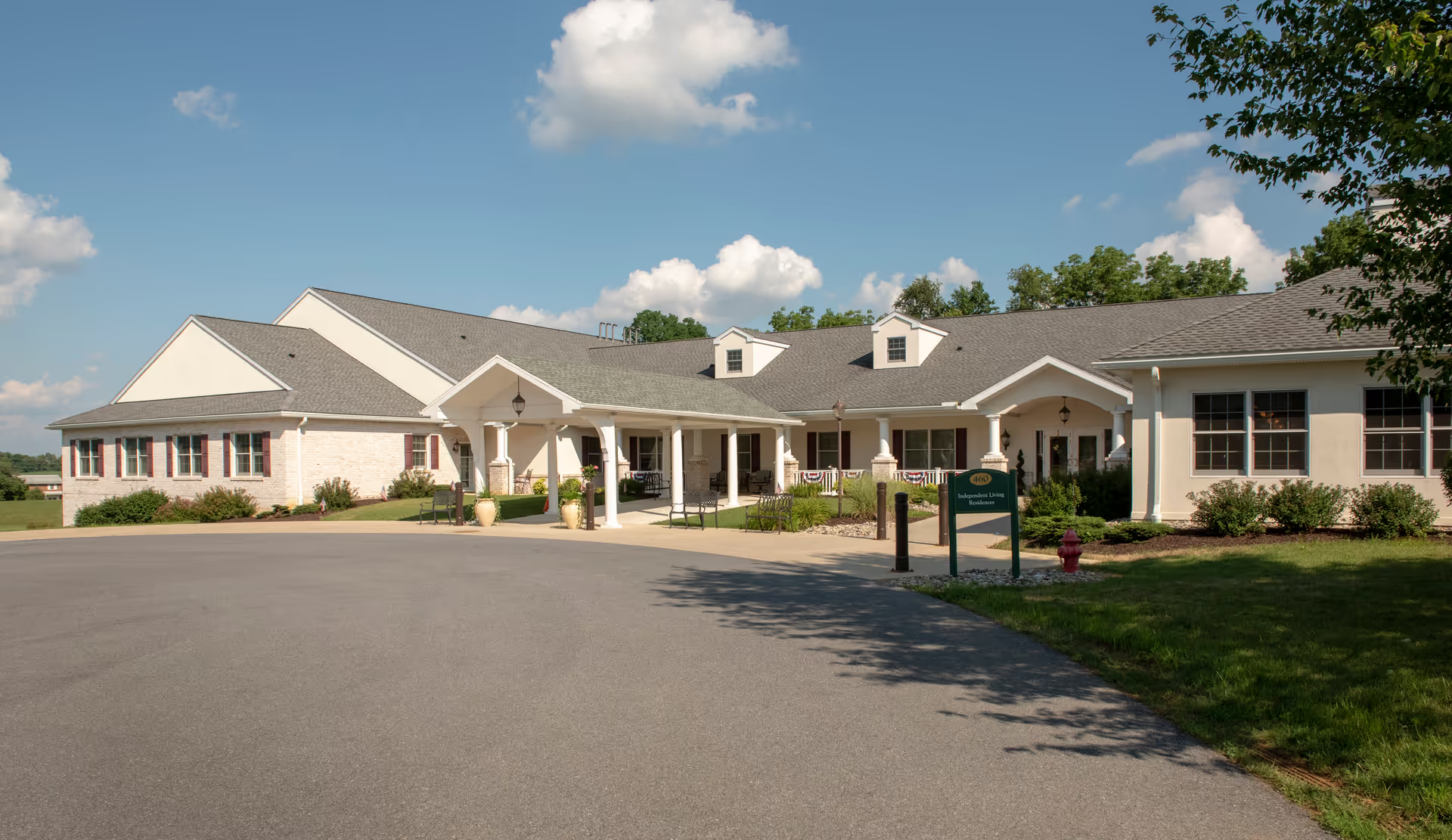
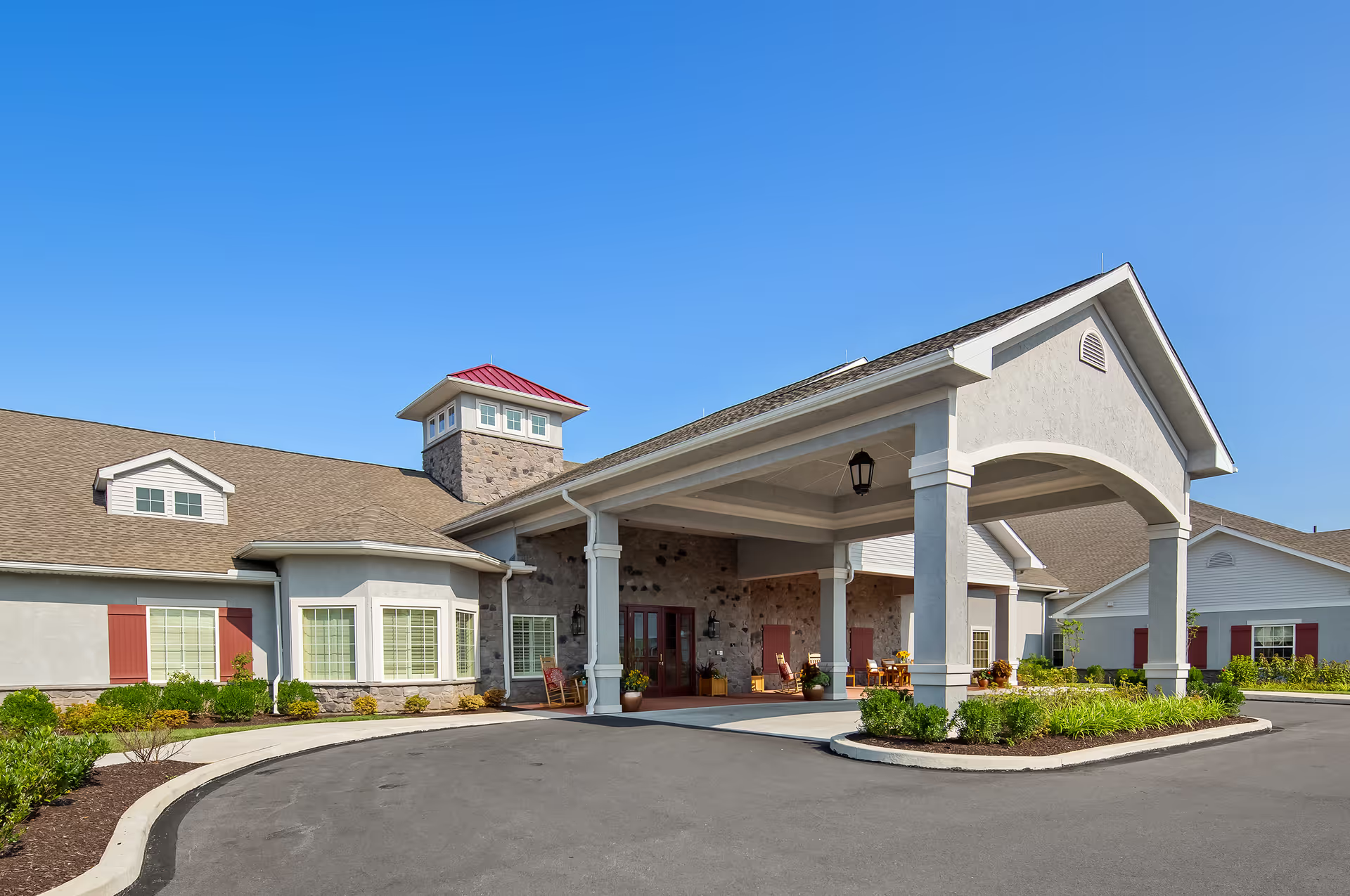
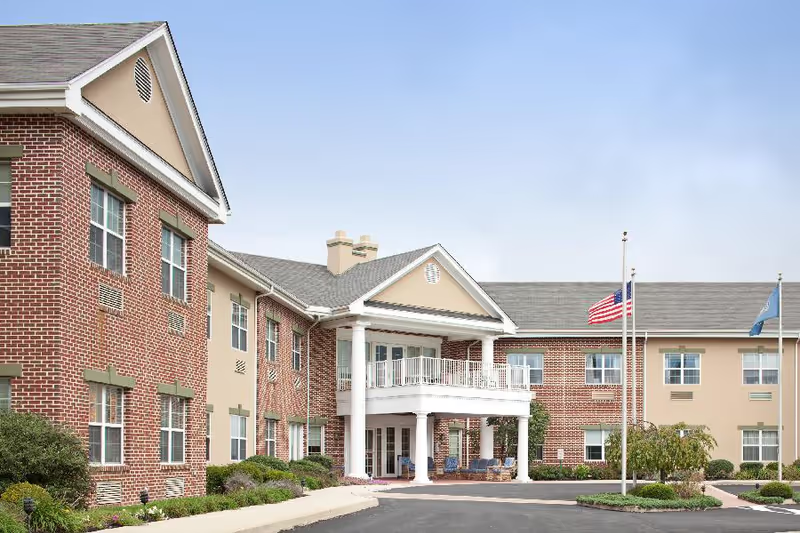
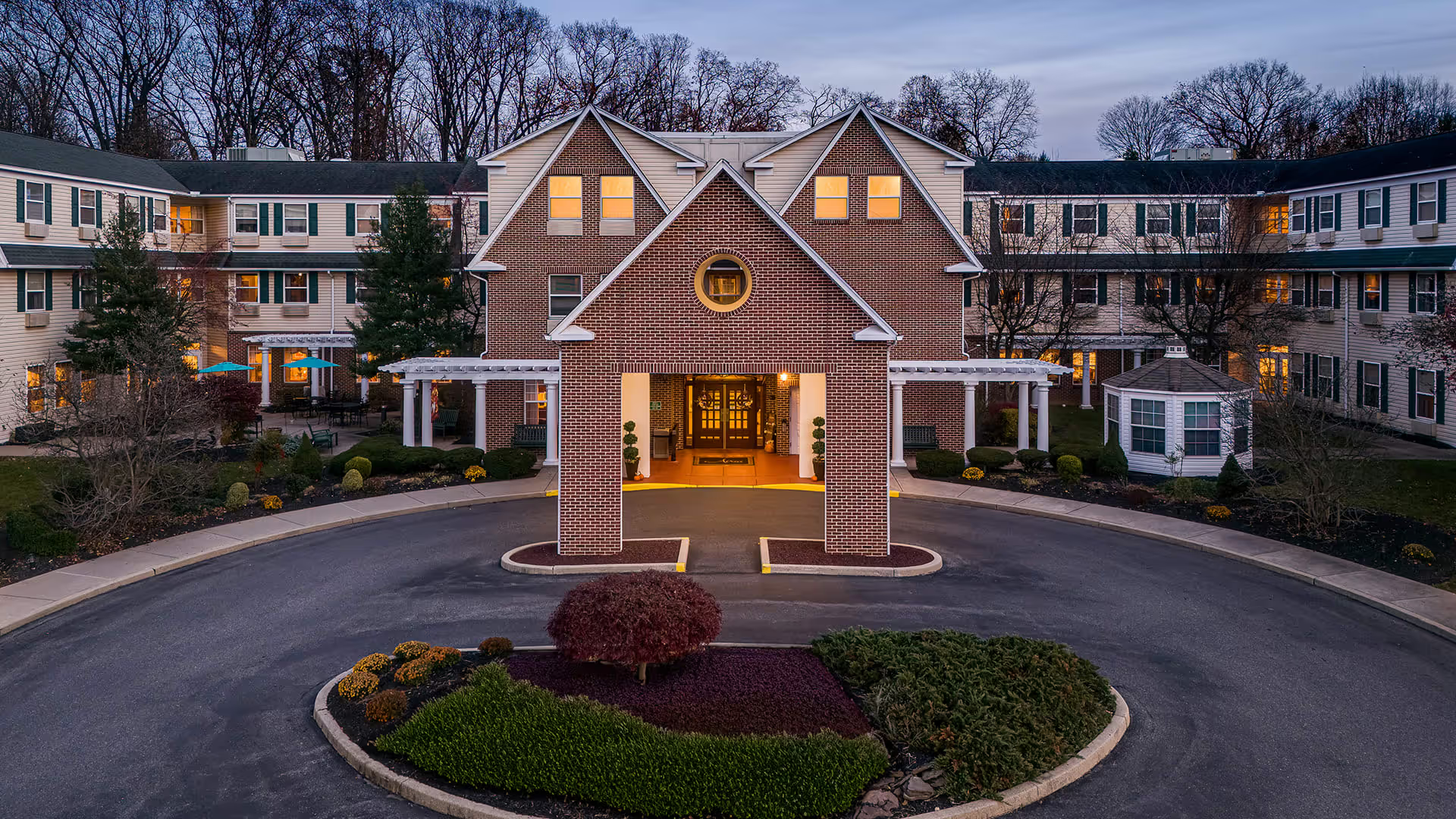
Atrium of Allentown elicits strongly polarized impressions. Many families and residents praise the physical environment and lifestyle offerings: the building is frequently described as new, modern, and well maintained, with attractive, updated decor, hotel-like bathrooms, and spacious rooms. Common spaces — including a cozy restaurant-style dining room, movie theater, recreation rooms, salon/barbershop, chapel, and enclosed courtyards — receive consistent positive comment. The facility’s activities program is a clear strength; a named activities director is credited with an energetic calendar that includes bingo, chair yoga, themed parties, BBQs, shopping trips, outings, holiday events, and frequent communal programming that many residents find engaging and life-enriching.
Dining and hospitality are often highlighted as standouts. Multiple accounts reference high-quality, varied meals, accommodating kitchen staff, and an attentive dining experience described as restaurant-like. Several families note noticeable improvements in residents’ quality of life tied to meal quality and social dining. That said, there is also commentary about variability in food quality and texture preparation for residents with special dietary needs, so consistency in meal service appears mixed.
Care and clinical services present a mixed picture. Positive reports describe attentive, compassionate caregivers, family-like interactions, and on-site clinical access including nurses and visiting physicians. Conversely, several accounts raise substantive operational concerns: delays responding to call bells, missed medications or clinical follow-through, and unreliable housekeeping/laundry processes. There are also specific safety-related concerns in memory care—supervision gaps and wandering risk are cited—along with mentions of inconsistent bathing and hygiene routines. Together these point to variability in day-to-day clinical reliability and resident-assistance responsiveness.
Staffing and management emerge as another area of marked variability. Many reviewers commend frontline staff, activities personnel, and in some cases a hands-on executive director or marketing leadership who quickly address issues. Other reviewers describe high staff turnover, allegations of a toxic management culture, and poor follow-through on commitments. This inconsistency suggests that resident experience can depend considerably on staffing levels, shift coverage, and which managers are present or engaged on a given day.
Operational and maintenance issues are raised alongside the facility’s positives. Aside from laundry and housekeeping reliability, reviewers mention front-desk coverage gaps, sanitation and maintenance variability (including pest-control concerns in some accounts), and accessibility limitations in certain rooms (for example, wheelchair accessibility to sinks). There are also notes about organizational challenges typical of newer communities still ramping up operations — some services and processes appear to be still being refined.
Notable pattern: the overall profile is one of a well-appointed, activity-rich community with strong hospitality and programmatic strengths, coupled with recurring operational weaknesses related to staffing consistency, clinical process reliability, housekeeping, and management stability. For prospective residents and families, an in-person tour and targeted questions are advisable: ask about current staffing ratios and shift coverage, medication administration protocols, memory-care supervision practices, laundry and housekeeping schedules, front-desk hours, and exactly which services are included in fees. These checks will help clarify whether the facility’s many programmatic and environmental strengths are matched by steady operational execution for an individual resident’s needs.