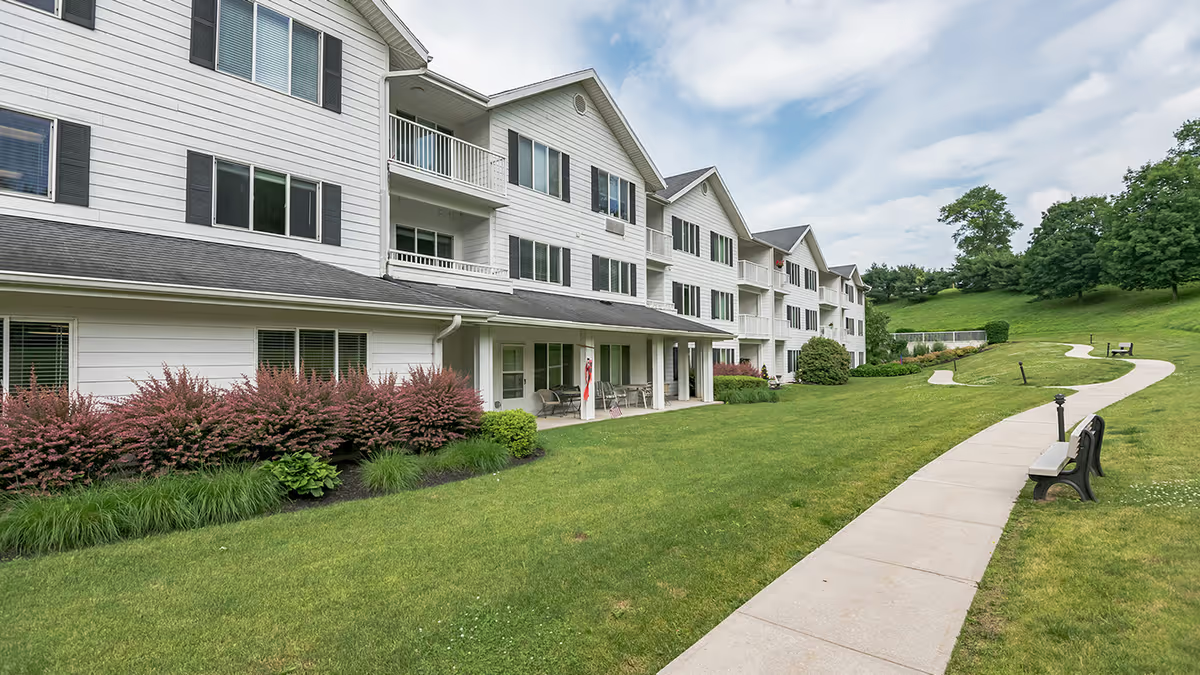
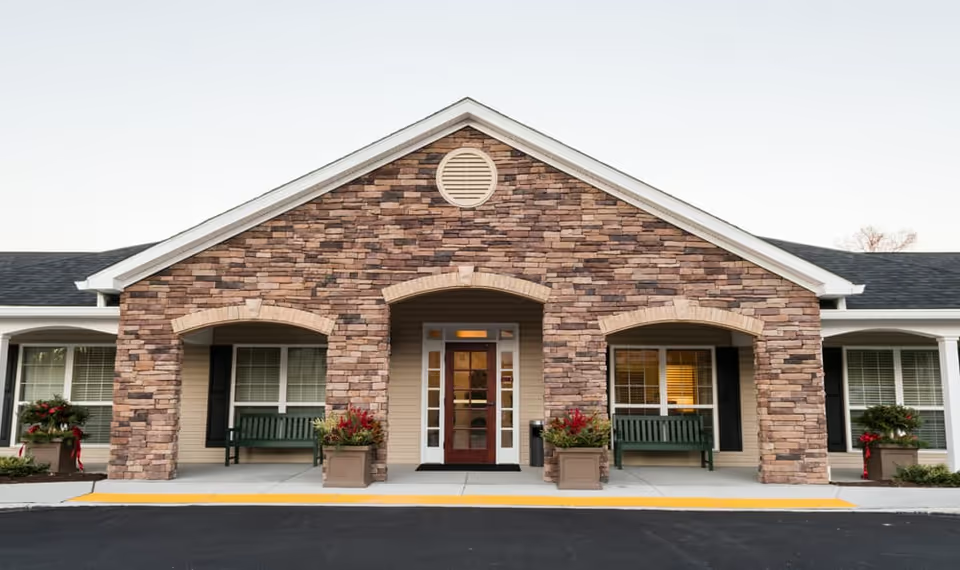
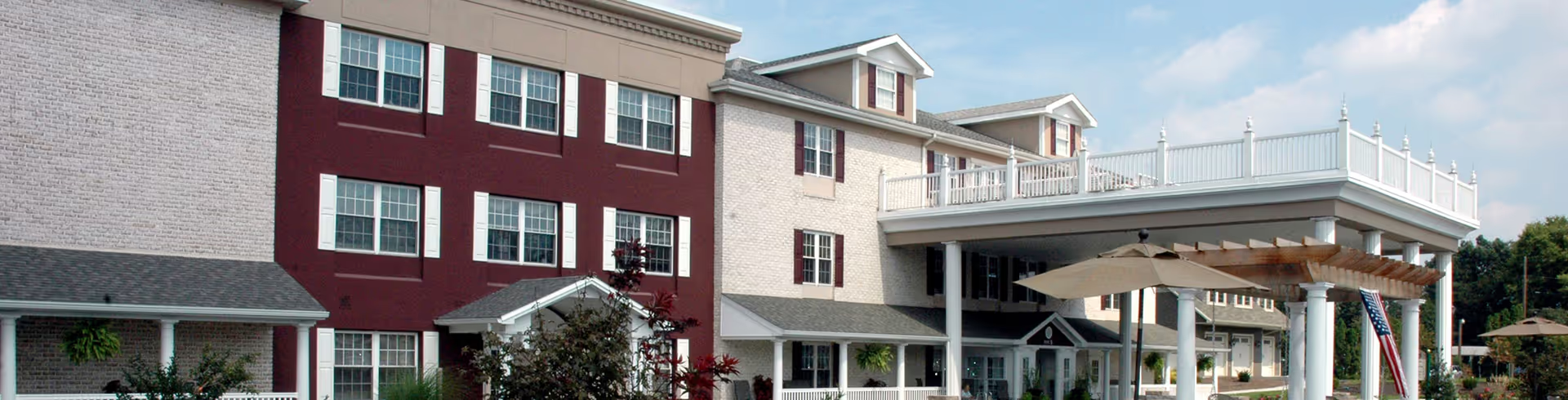
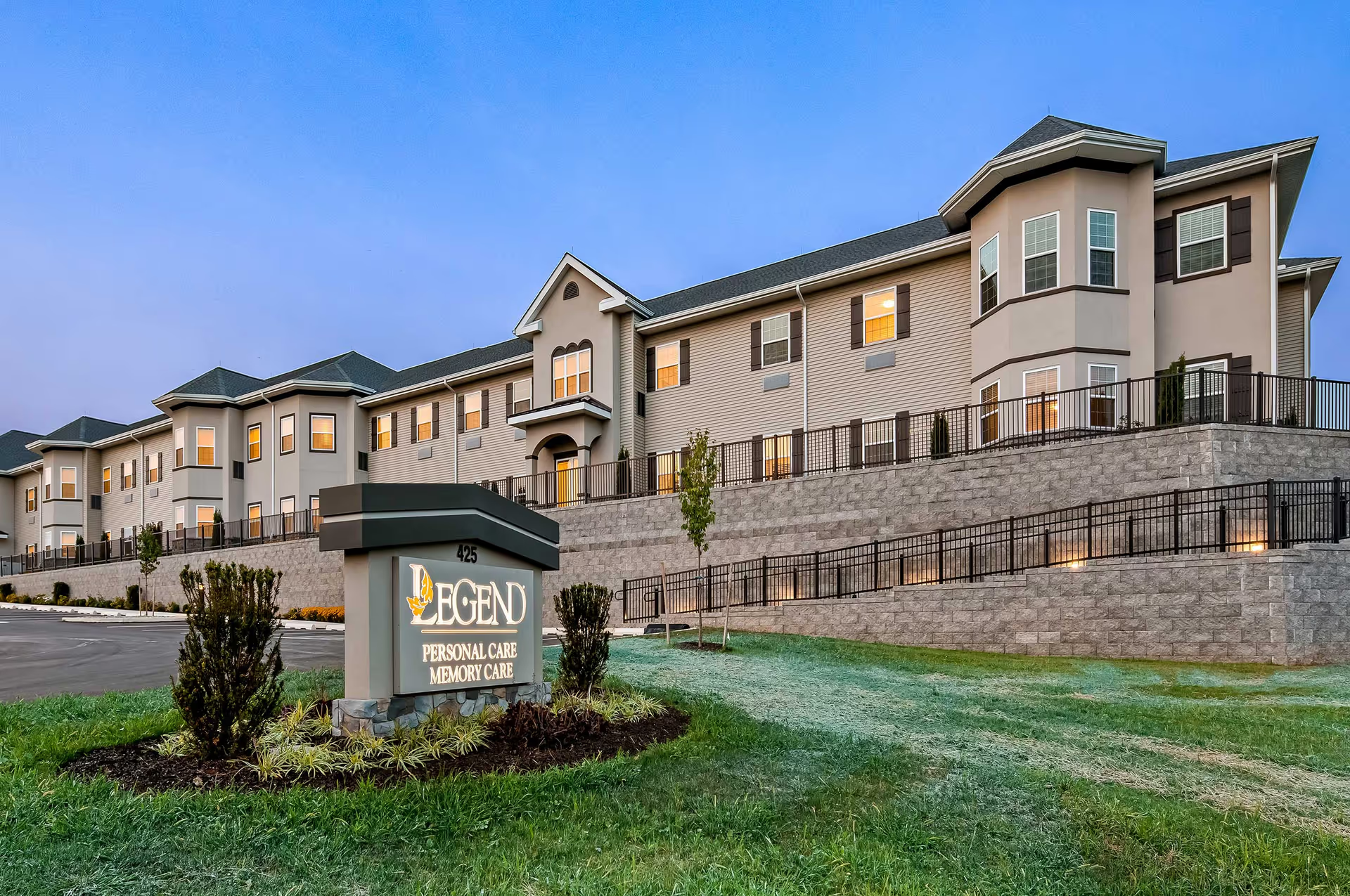
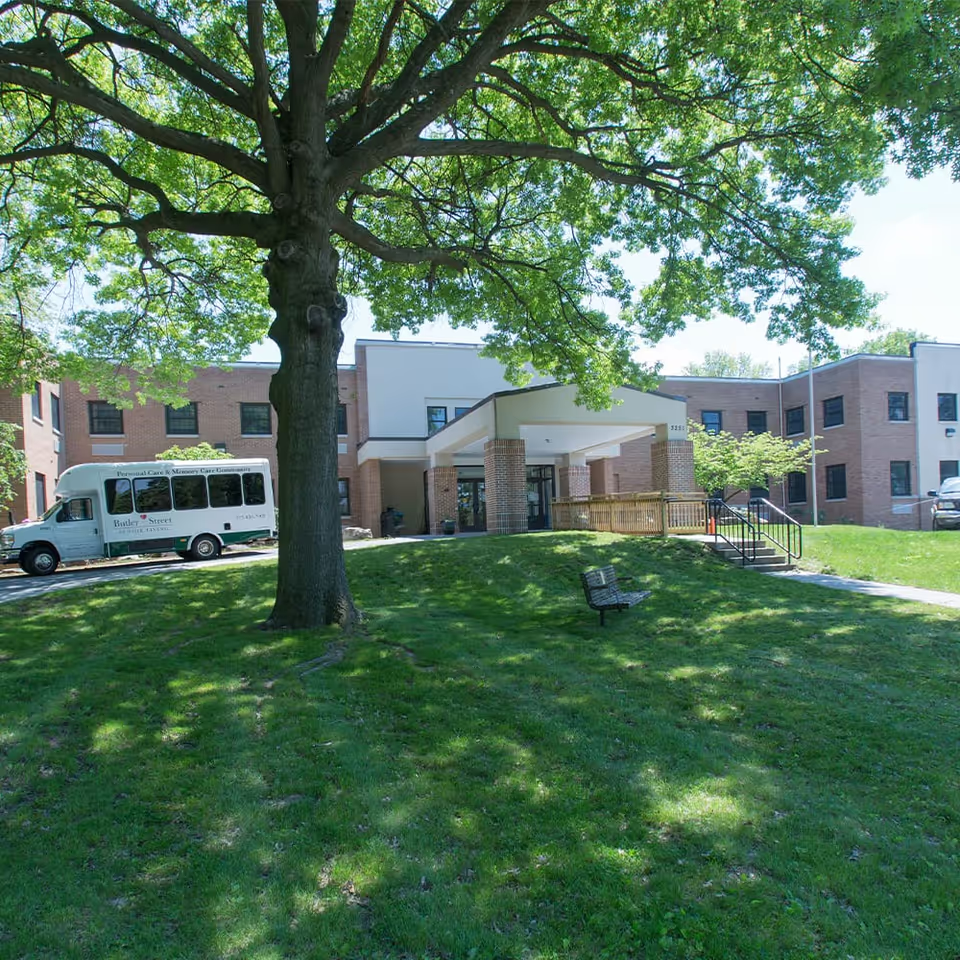
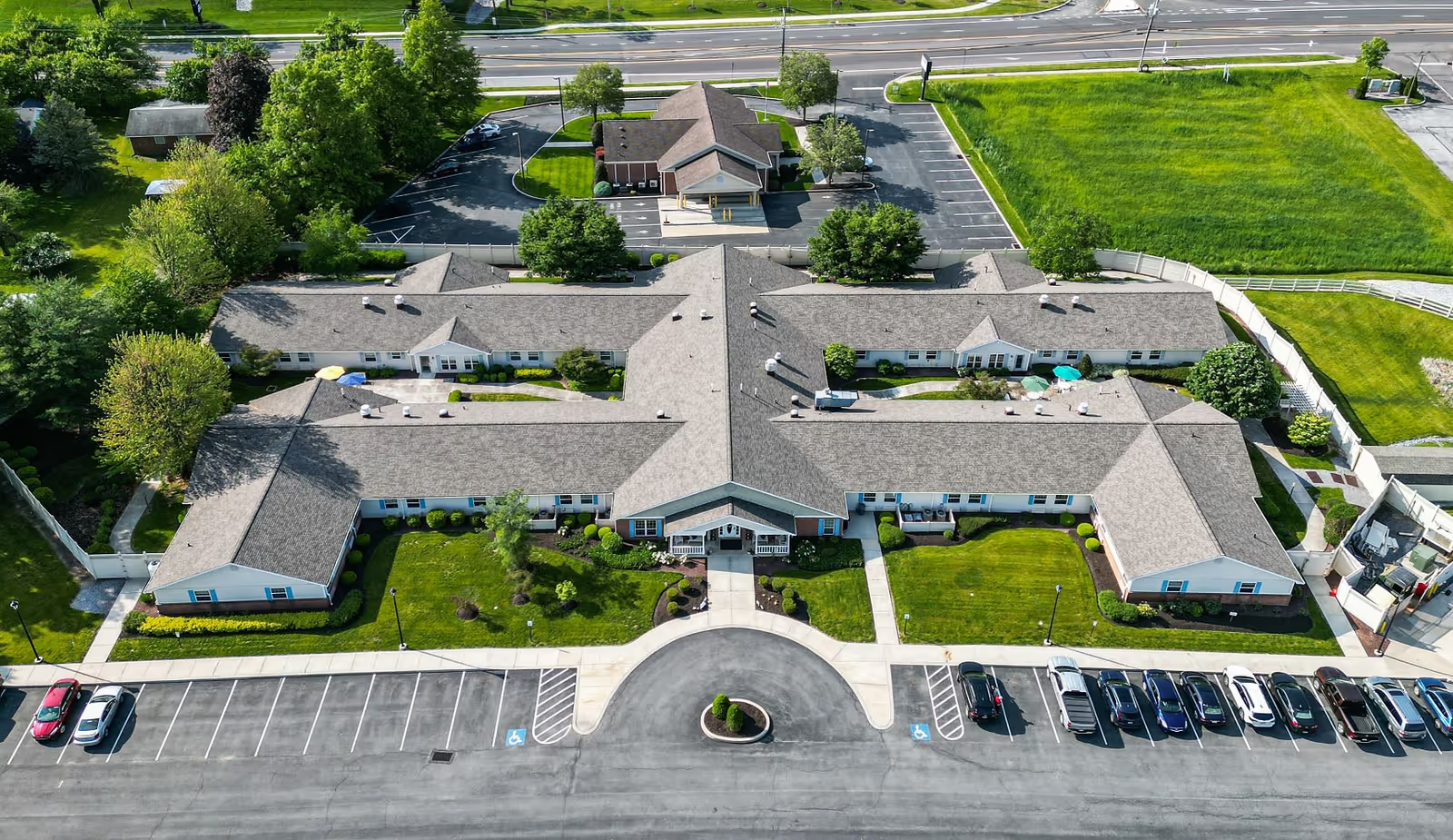
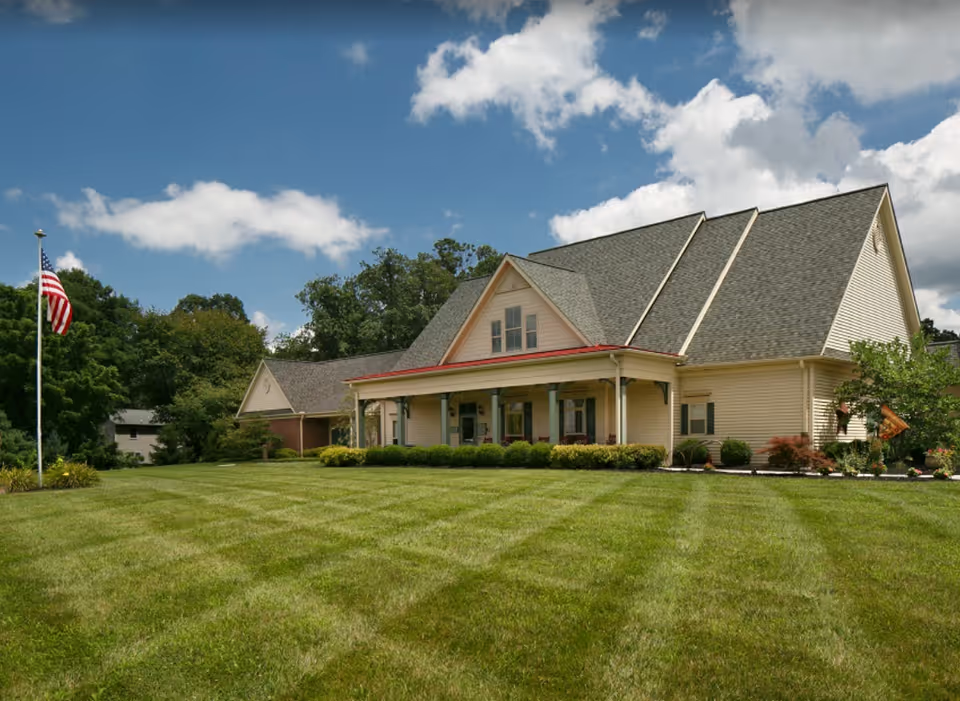
The Woods at Cedar Run presents a mixed but clear profile: many reviewers praise the setting, amenities, and day‑to‑day warmth of the community, while operational and clinical consistency emerge as the main areas of concern. The campus is frequently described as scenic and well kept, with attractive common spaces, multiple on‑site amenities (dining venues, bistro, salon, chapel, theater, library), and accessible outdoor paths. Apartment offerings span compact efficiencies to larger one‑ and two‑bedroom units, some with full kitchens and in‑unit laundry; the community is also noted as pet friendly and offers regular transportation and grocery runs.
Direct‑care staff receive substantial positive comment for being caring, familiar with residents by name, and responsive in many situations. Admissions and concierge staff are commonly described as helpful and efficient, and long‑term residents often report a strong community feel. At the same time, staffing patterns are an important recurrent theme: reviewers describe inconsistent staffing levels (including overnight coverage), frequent staff turnover, and periodic reliance on temporary agency personnel. Those operational staffing issues are linked in several accounts to delays in personal care, inconsistent bathing and oral‑care routines, and gaps in activity delivery for residents with cognitive impairment.
Dining and activities are strengths for many residents but are reported unevenly. The dining program includes chef‑prepared options, solarium and private dining experiences, and regular social meals that some families compare favorably to restaurant dining. However, other accounts describe inconsistent food quality, cold meals, and limited dietary accommodation. The activities calendar is broad — plays, clubs, exercise classes, outings, and religious services — and many residents thrive on this programming. Conversely, families of residents with dementia or higher support needs describe inconsistent execution of activities and one‑to‑one engagement promised at move‑in not always occurring.
Facility condition and maintenance present a dual picture. The grounds and public spaces are generally well maintained and attractive, but several reviewers raised specific maintenance issues in resident units and building systems: window seals and coverings, heating control variability, elevator reliability and related safety responses, and aging finishes. Those unit‑level maintenance shortfalls, together with some small bathroom footprints, can limit accessibility for residents with mobility impairments.
Management and policy patterns merit careful consideration. Many families commend individual staff members and note smooth move‑ins and supportive interactions; others highlight inconsistent communication from administration, difficulty obtaining timely responses, abrupt fee increases or ancillary charges, and a revolving leadership/management presence. Clinical capacity is another important pattern: the community does not offer skilled nursing, and multiple reviewers cautioned that staffing and clinical resources may be insufficient for residents with rapidly progressing or active dementia; some families described being encouraged toward hospice when higher‑acuity needs arose. There are also a small number of serious practice concerns raised by families — for example, about medication handling or consent and about post‑death procedures — which prospective families should investigate directly with management and through licensing/inspection records.
In summary, The Woods at Cedar Run offers many appealing features—beautiful grounds, varied amenities, a robust social calendar, and numerous staff who are described as compassionate and engaged. Prospective residents and families should balance those strengths against documented operational variability: confirm current staffing levels and turnover, ask for specifics on clinical capabilities and informed‑consent practices, review meal‑service procedures and dietary accommodations, inspect unit maintenance status (window, heating, bathroom accessibility), and obtain clear written explanations of fees and housekeeping schedules. Visiting at multiple times of day (including evenings and weekends) and speaking with current residents and family members can help clarify whether the community’s strengths align with an individual’s care and lifestyle needs.