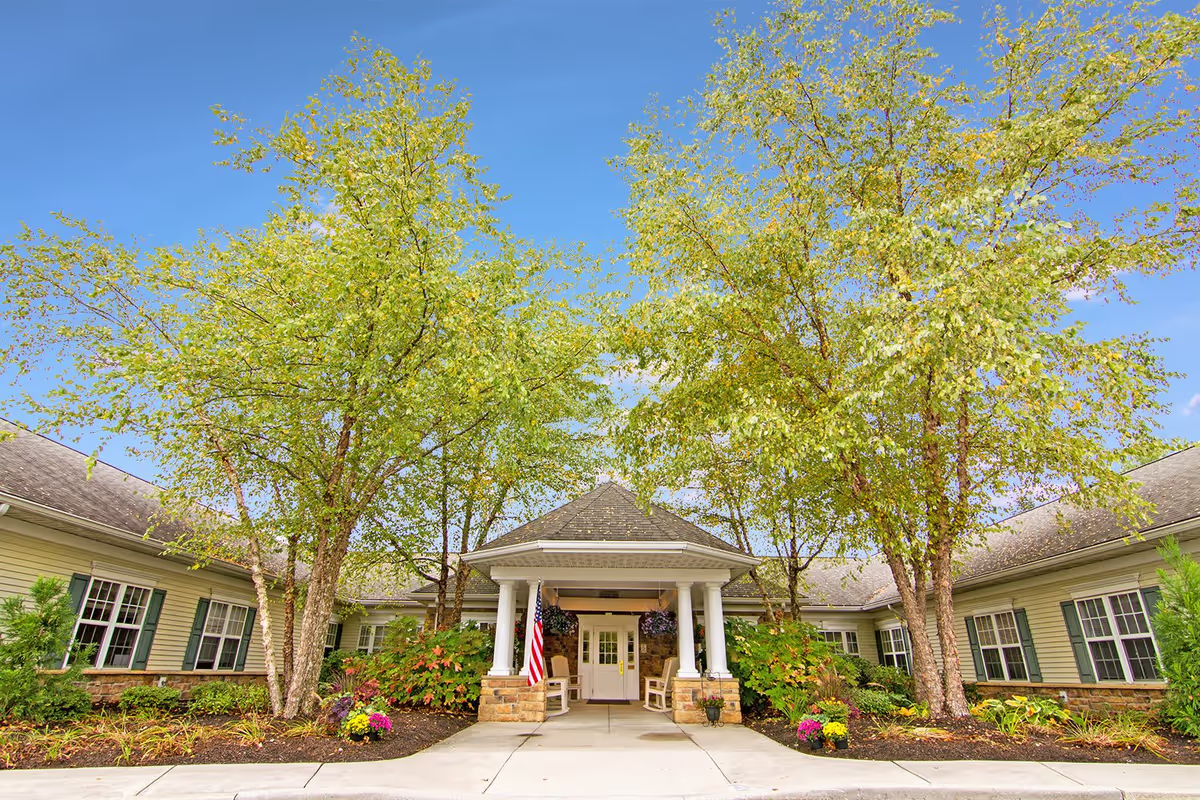
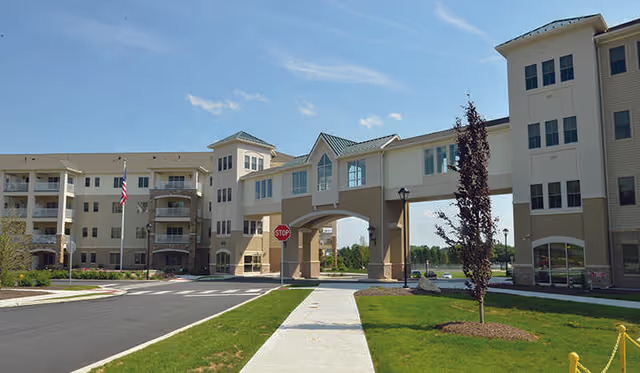
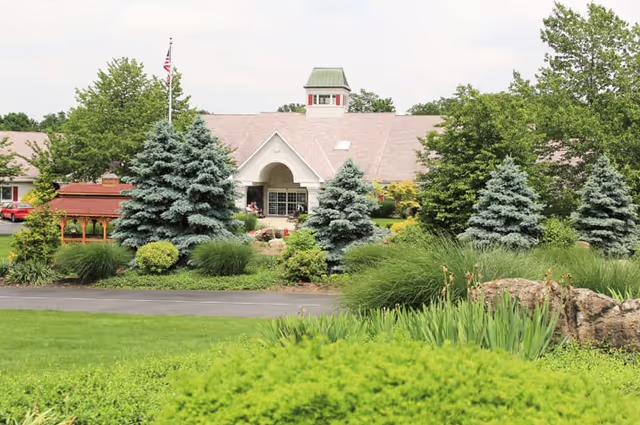
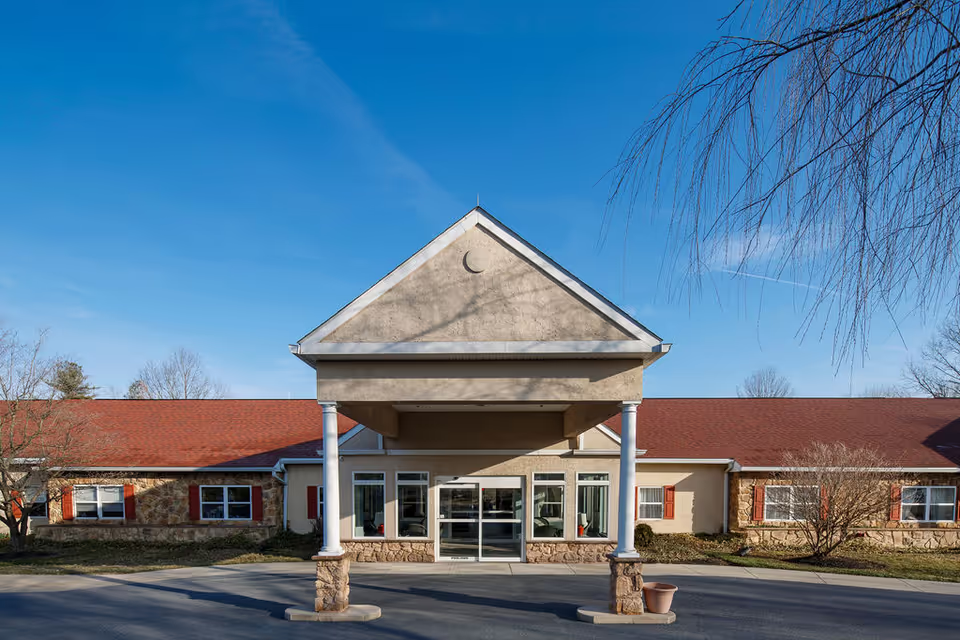
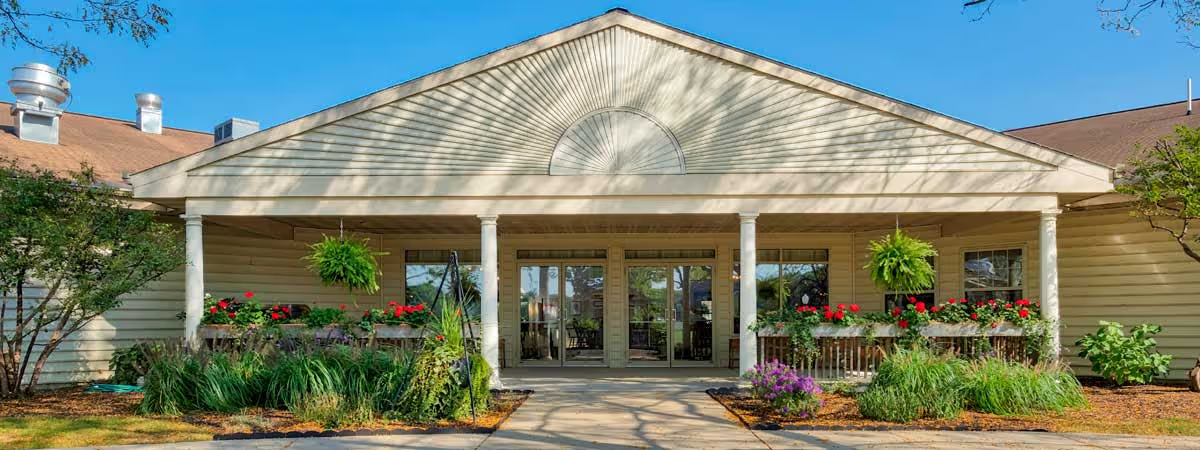
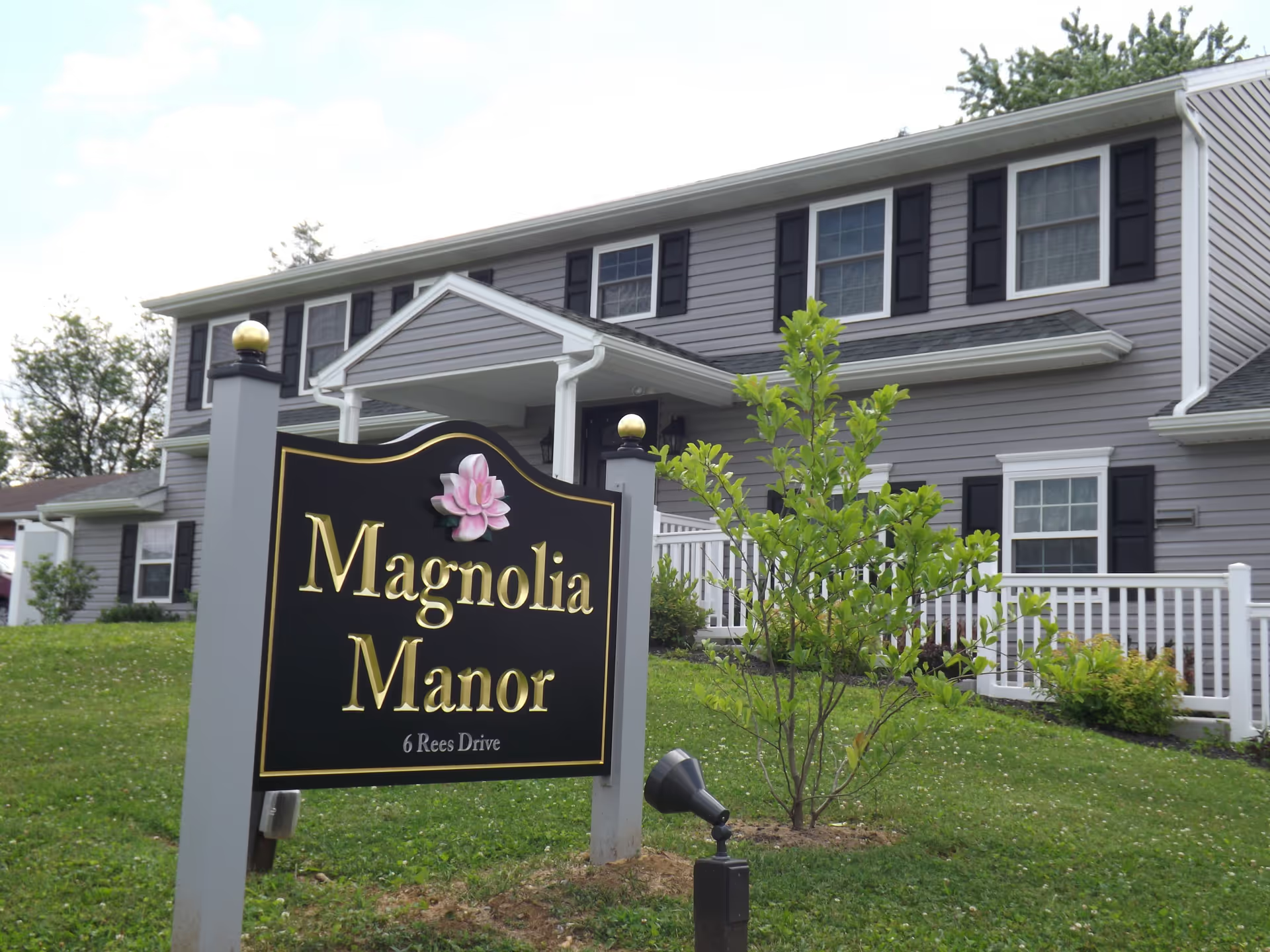
Legend of Lititz presents as a modern, well-appointed community with many amenities that appeal to prospective residents: a one-level layout with a large courtyard, roomy hotel-like apartments, and on-site features such as a movie theater, salon, spa, snack room and restaurant-style dining. Reviewers frequently highlight an active activities program — bingo, crafts, classes, live music, outings and family nights — and praise the activities staff for being engaging and personable. Many families also described helpful maintenance, convenient proximity to medical services and shopping, and an overall attractive, clean facility aesthetic.
Care quality and staffing are areas of mixed performance. Positive accounts describe compassionate direct-care workers, effective therapy (PT/OT) services, and attentive med-tech interventions. However, a recurrent pattern across reviews is inconsistent staffing levels and high turnover among caregivers and licensed nursing staff. Several reviewers described limited clinical coverage during weekends and off shifts, medication-management lapses, and a need for family oversight to ensure medication and care tasks are completed. A small number of accounts reference serious clinical incidents and hospital transfers; these underscore the importance of confirming clinical staffing and escalation protocols prior to placement.
Dining receives similarly mixed evaluations. Many residents and families appreciate the dining room atmosphere and occasional praise is given for flavorful, abundant meals and holiday offerings. At the same time, others report inconsistent meal quality, cold or small portions, menu items not being served as listed, and limited ability to accommodate specialized diets (for example low-salt or diabetic modifications). Reviewers also noted operational issues in food service, including times when direct-care staff double as dining servers rather than a dedicated dining team.
Activities and social programming are overall a strength. The community offers a broad calendar with frequent programming tailored to cognitive and social engagement, and the separate memory-care unit is noted as secure and structured. That said, some residents with higher needs or limited mobility experienced fewer meaningful engagement opportunities, which points to a gap between programming availability and individualized participation support when staffing is constrained.
Facility operations and housekeeping are described unevenly. Many visitors and families praised the fresh, modern interiors and well-kept common areas. Conversely, there are recurring complaints about sanitation and pest-control concerns in certain areas, laundry handling errors (lost, mislabeled, or cross-contaminated items), plumbing and shower drainage problems, and occasional failures in room upkeep. Maintenance staff are often named positively, but responsiveness to specific repair requests is inconsistent in the accounts provided.
Management and communication also show a split pattern. Several reviewers commend open-door management, town-hall meetings and staff who go above and beyond. Others describe long hold times, delayed or no returned calls, unresolved complaints, billing surprises, and frequent administrative turnover that made sustained problem resolution difficult. These administrative inconsistencies amplify clinical and operational problems when they occur.
Notable patterns for prospective families: the property offers strong amenities and an active social environment that many residents enjoy, but operational reliability — particularly staffing stability, clinical coverage, medication controls, dining consistency, laundry processes, and administrative responsiveness — is variable. Families considering placement should schedule an in-person visit, ask for current staffing ratios and nursing coverage schedules (including weekends), review medication-administration and incident-notification policies, inquire about dietary accommodation procedures, request recent inspection results, and clarify billing/ancillary charge practices. A trial stay or a detailed transition plan may help identify whether the community’s operational practices meet a given resident’s needs.