Silver Bluff Grove presents a mix of clear strengths and recurring operational concerns. Clinically, the community offers an array of on-site services — nursing and physician access, medication administration, and in-house rehabilitation therapies (physical, occupational, speech) — alongside a designated memory-care program. Many reviewers praised caregivers and nursing staff as compassionate and attentive, and several noted that the admissions process can be efficient and responsive for families seeking timely placement.
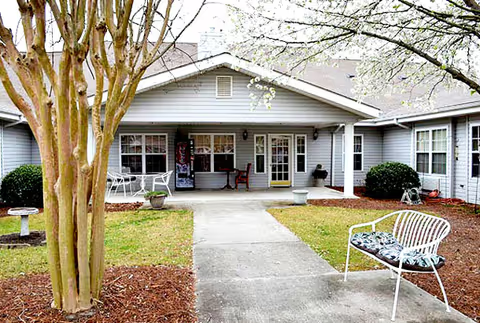
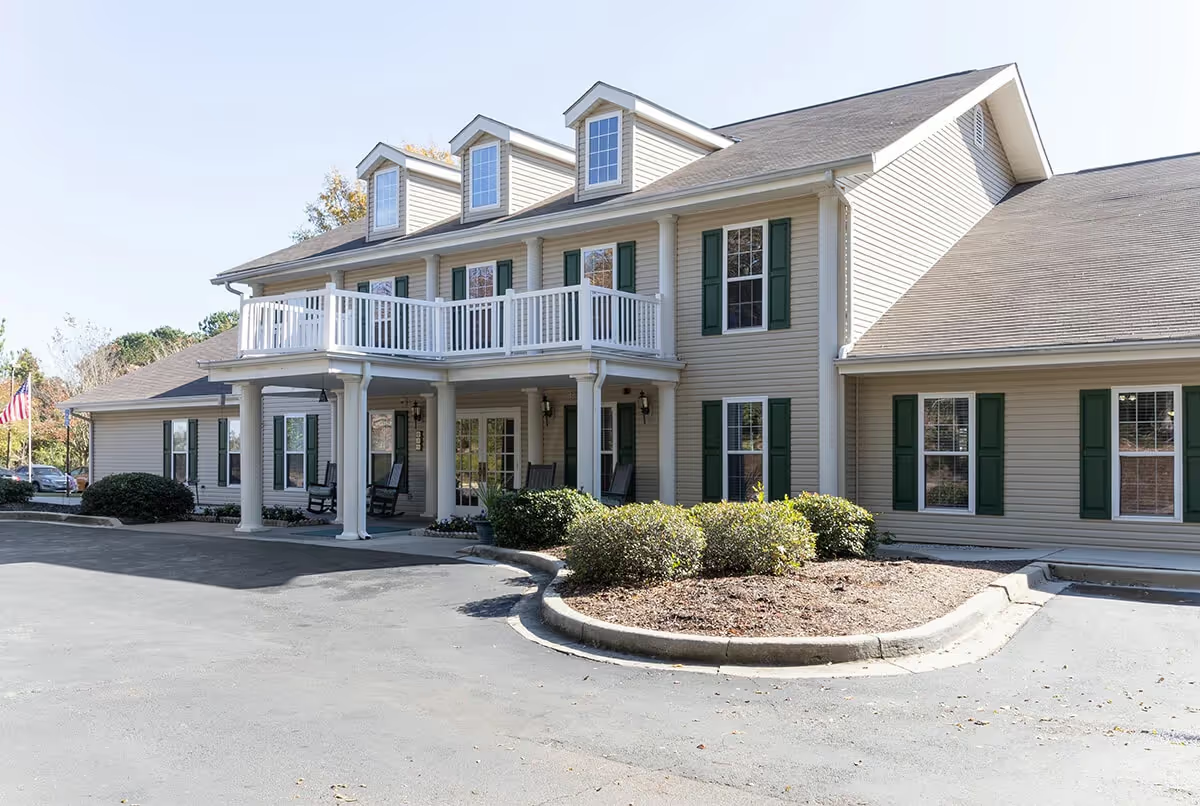
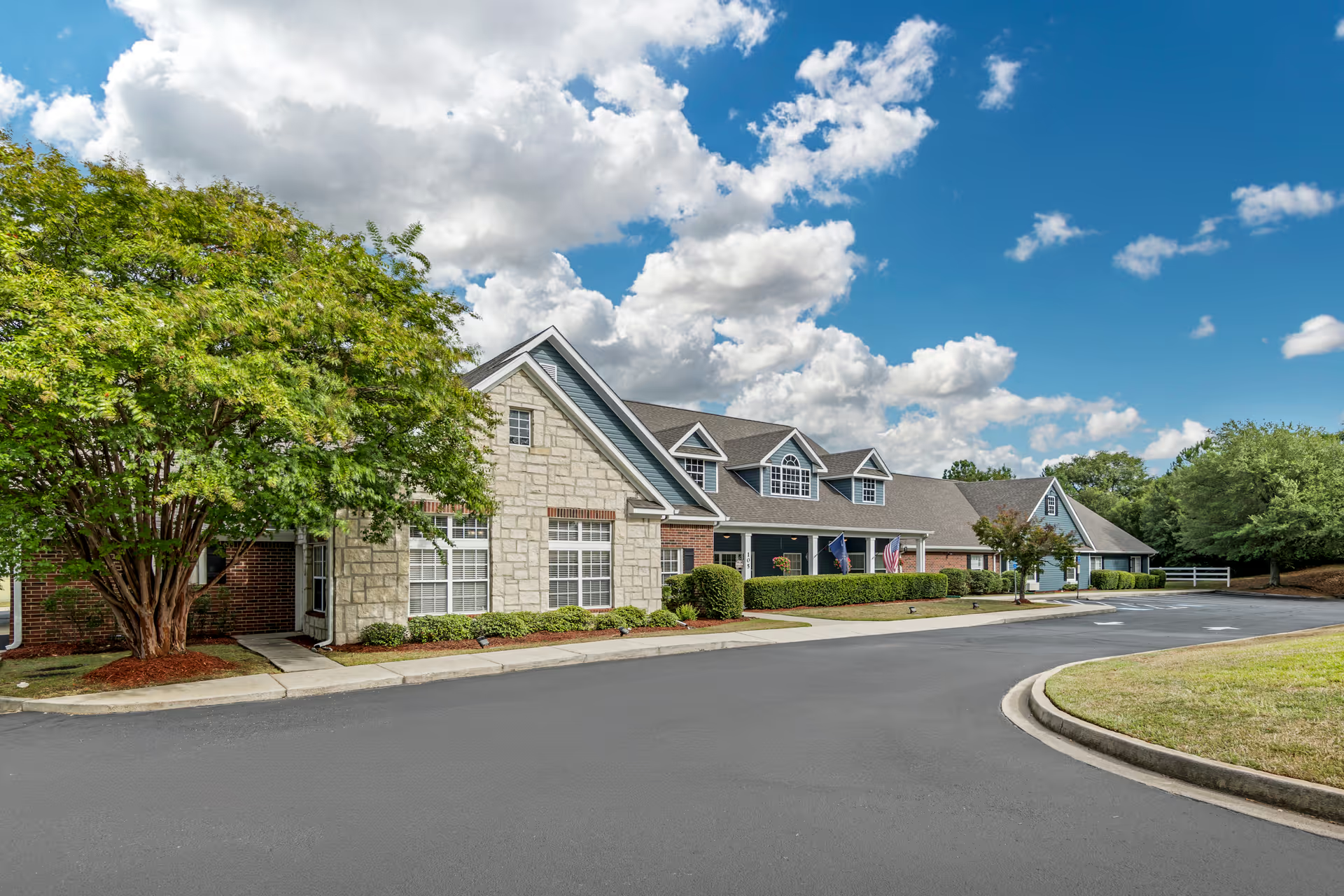
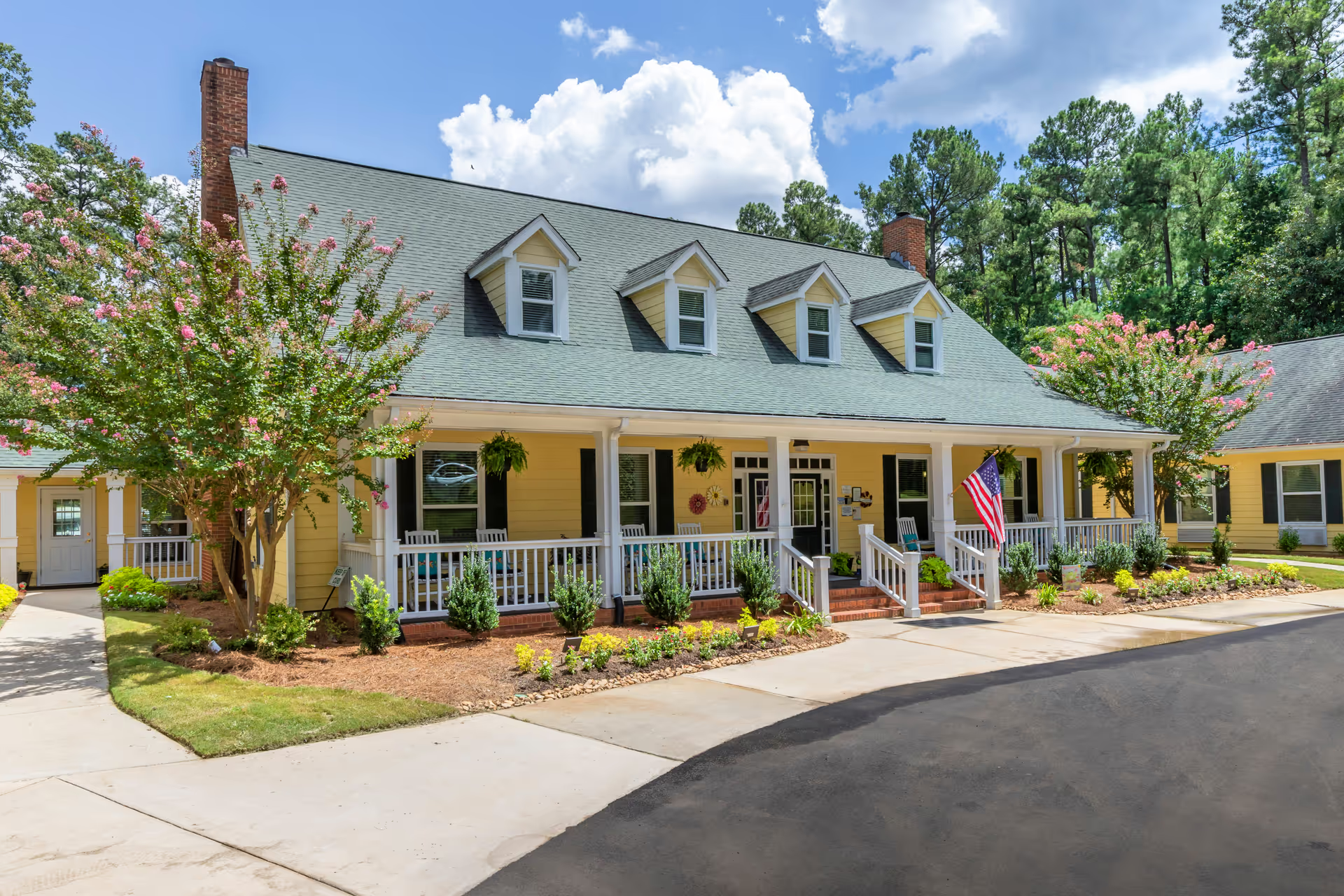
The facility's lifestyle and amenities are also commonly cited as positives. Residents and families frequently described an active calendar with arts and crafts, music, outings, church services, and special events (ice cream socials, band parties, shopping trips). Dining is often described as varied and appealing, with multiple dining rooms, special meals, and clear menus. Physical spaces — courtyard, fireplace seating areas, and updated common rooms — are regularly characterized as clean and well maintained. Ancillary services such as salon/barbershop, laundry, and transportation for outings contribute to the community-level experience.
However, a set of operational patterns emerges across reviews that prospective families should evaluate. Staffing consistency and turnover are recurring concerns; several accounts describe times when memory-care or assisted-living wings operated with limited aide coverage. Linked to staffing are reports of inconsistent adherence to routine personal care (bathing schedules, room upkeep) and occasional sanitation/housekeeping lapses. A related theme is gaps in clinical-incident response and family communication: delays in staff response to incidents and challenges getting timely updates from administration or the main office were described, as were difficulties accessing records or coordinating with power-of-attorney designees. Administrative weaknesses also extend to billing, fee transparency, and occasional scheduling miscommunications.
The memory-care environment attracted mixed feedback: while memory supports are available, some families described a noisy atmosphere and staffing levels that may not meet ideal dementia-specific needs. Activity programming is robust for ambulatory residents, but a few reviewers noted that offerings are not always well adapted to residents with limited mobility or advanced frailty. There were also isolated safety and security control observations that families may wish to verify during a visit.
Overall, Silver Bluff Grove appears well suited for families seeking an active, amenity-rich assisted-living environment with on-site clinical and therapy services and generally compassionate caregiving. At the same time, the facility shows operational variability in staffing consistency, housekeeping, administrative communication, and dementia-specific supports. Prospective residents and their decision-makers should tour the community, ask specific questions about current staffing ratios, incident-response protocols, billing and fee disclosure, POA/records access, and how activities are adapted for low-mobility residents before deciding.