Overall impression Brookdale Harbison elicits predominantly positive feedback about day-to-day resident life while also showing recurring operational inconsistencies. Families and residents frequently praise the interpersonal aspects of the community — staff are commonly described as friendly, caring, and attentive, and many reviewers noted that housekeeping, routine care assistance (medication, bathing), and social engagement are active parts of the environment. The community’s smaller scale and apartment-style units create a homelike atmosphere that many families find appealing.
Care and staff Clinical and personal care elements receive mixed-but-leaning-positive commentary. In-house rehabilitation and regular therapy services are available and appreciated, and a number of reviewers cited a favorable staff-to-resident ratio and long-tenured team members. At the same time, there are repeated concerns about inconsistent staffing levels, turnover, and variable staff conduct or responsiveness. Those operational gaps correlate with specific safety-related worries in some accounts, including fall incidents and the need for clearer transfer and monitoring practices. For prospective residents with higher acuity or advanced cognitive impairment, families should verify staffing continuity, supervision practices, and dementia-specific supports prior to placement.
Dining and activities Dining is a consistent strength: reviewers often describe meals as high-quality, appetizing, and appropriately portioned. Activity programming is another positive area, with an active calendar that includes exercise classes, outings (restaurant trips and scenic drives), bingo and family nights, and use of the facility van. The community offers multiple common spaces for socializing and programmed events. However, reviewers who identify dementia or higher-dependency needs indicate the activity mix is not always tailored to those residents, so activity appropriateness varies by resident capability.
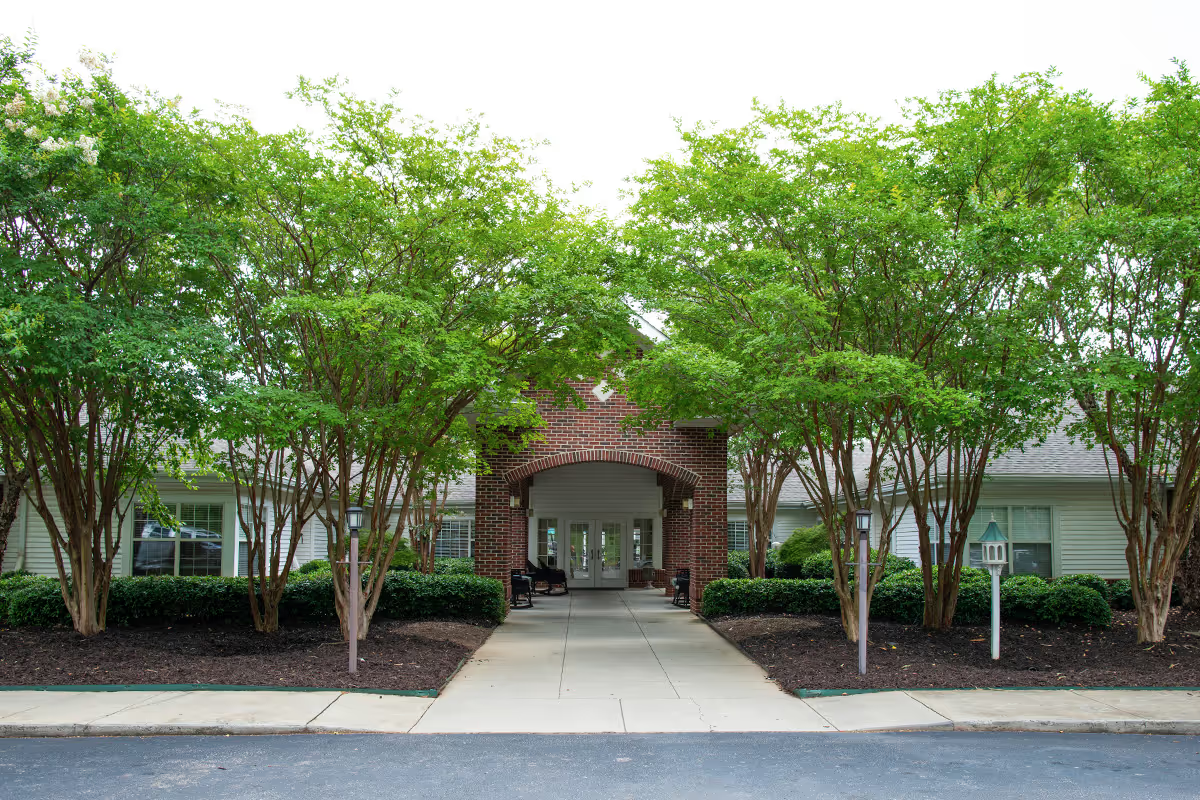
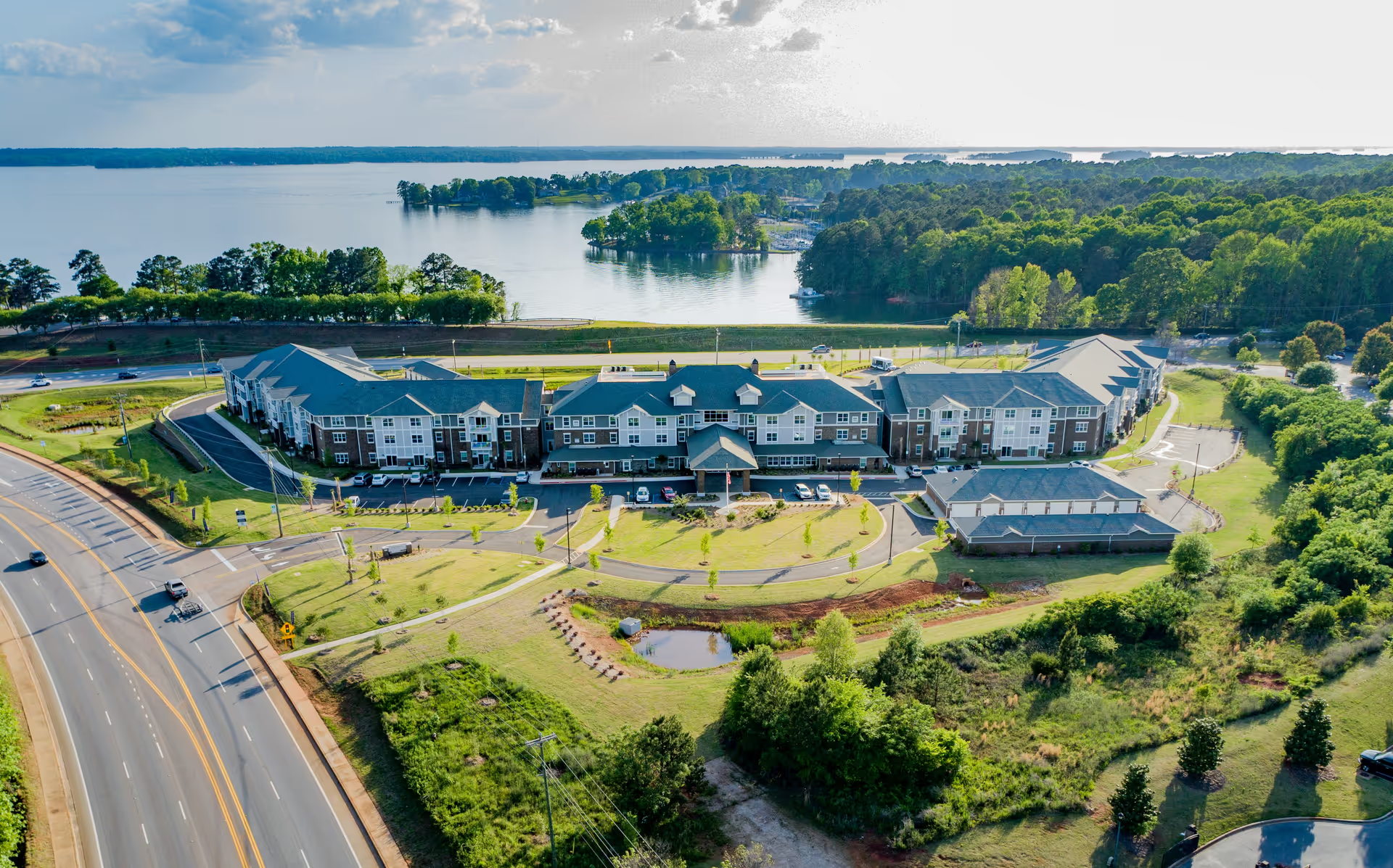
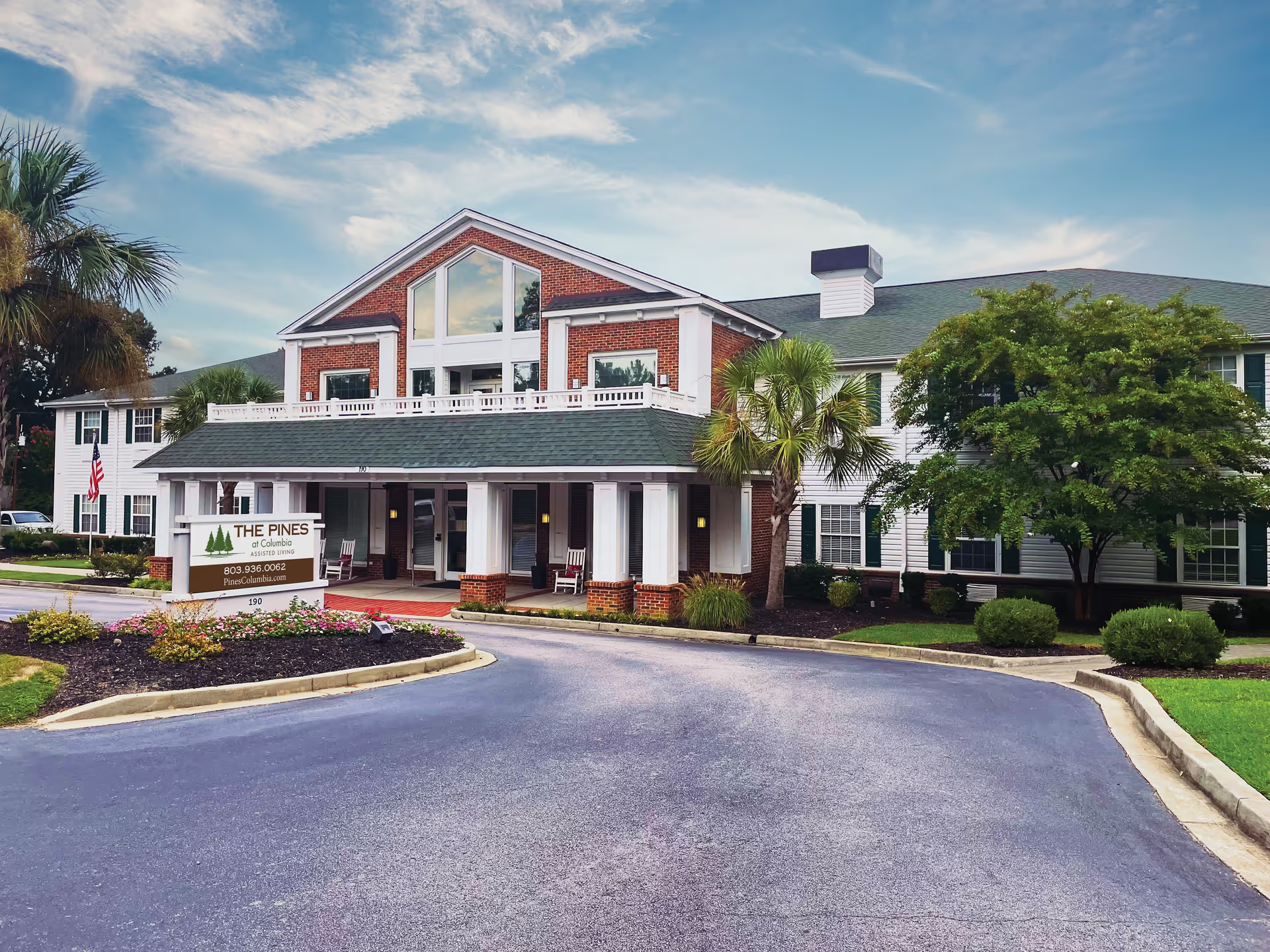
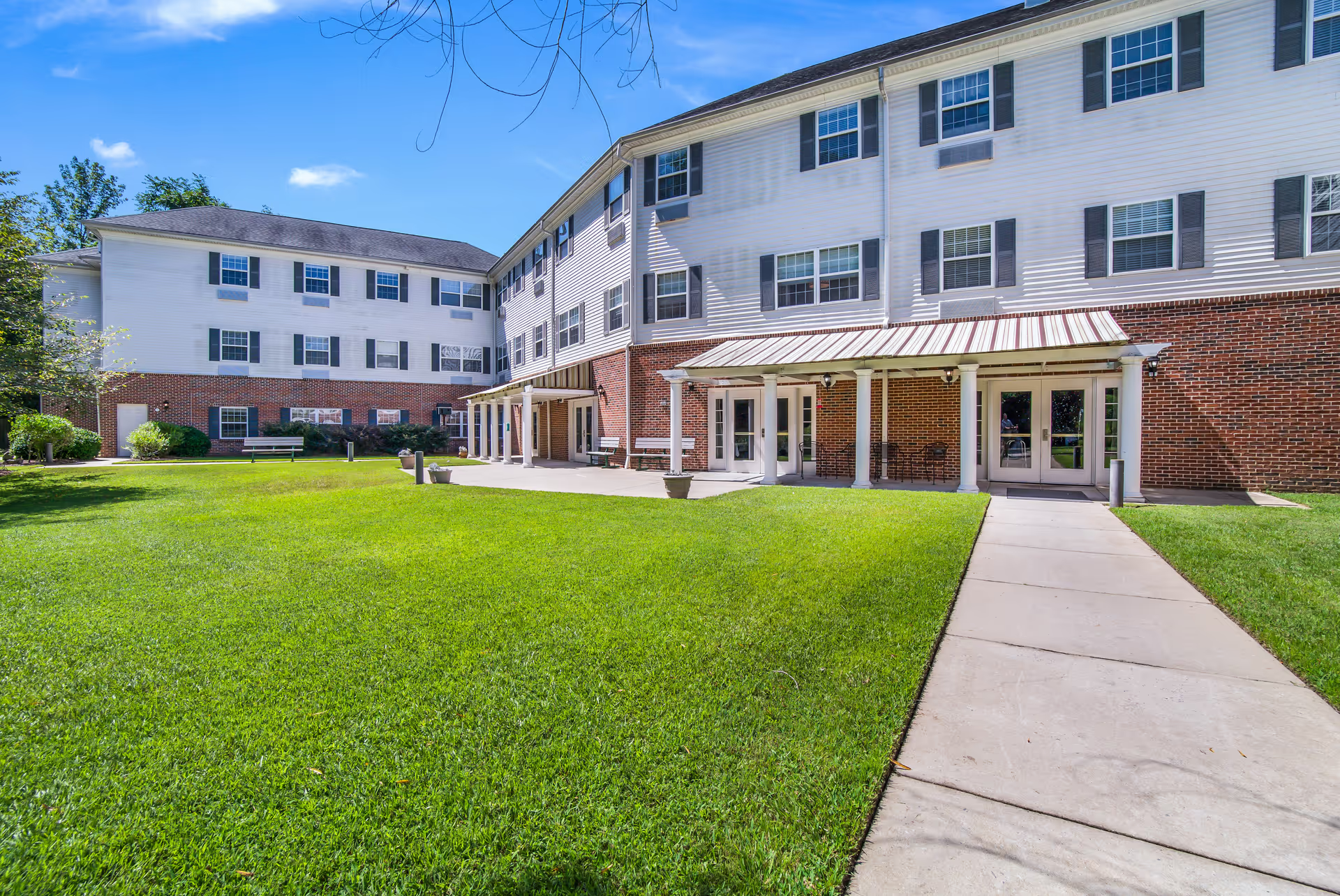
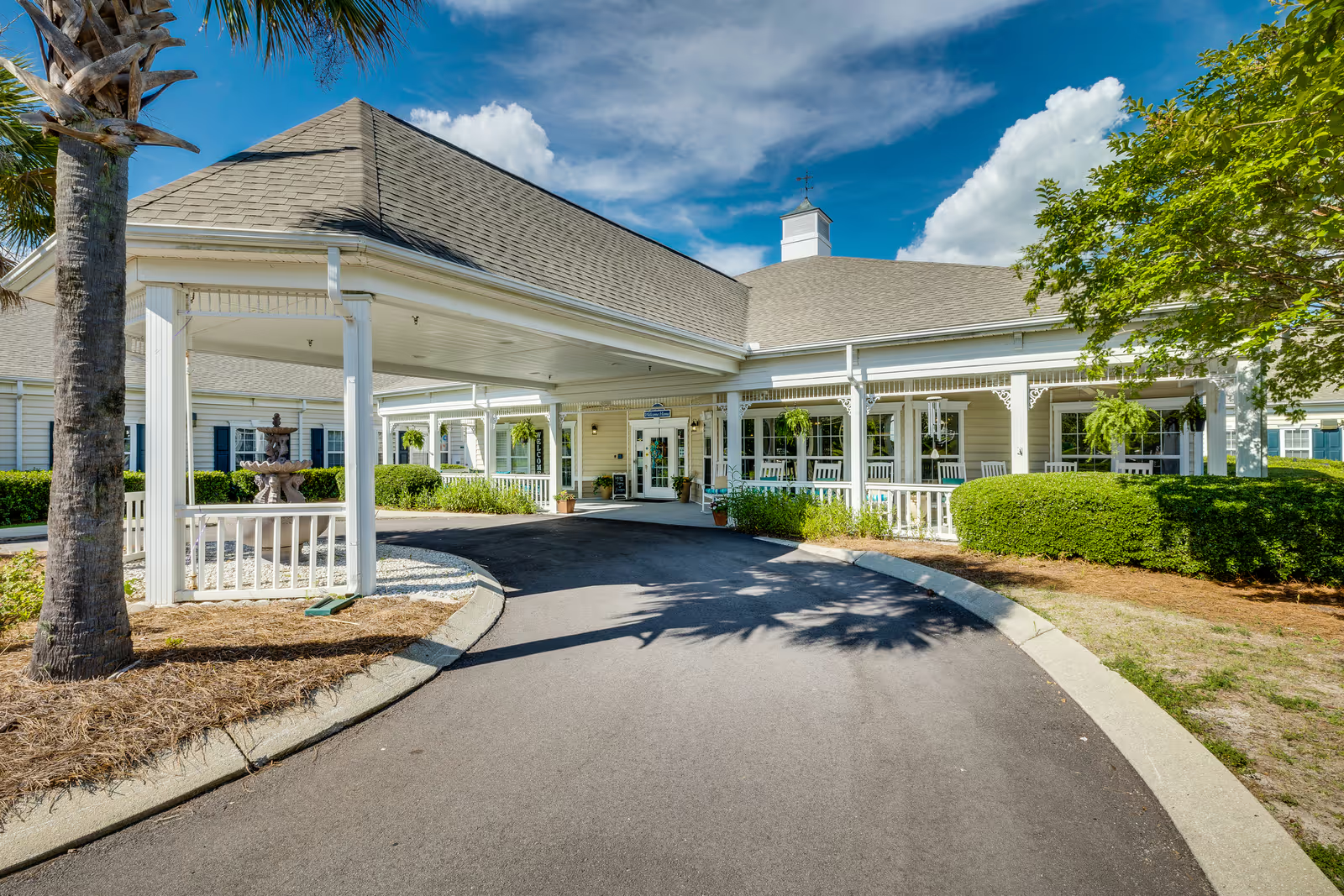
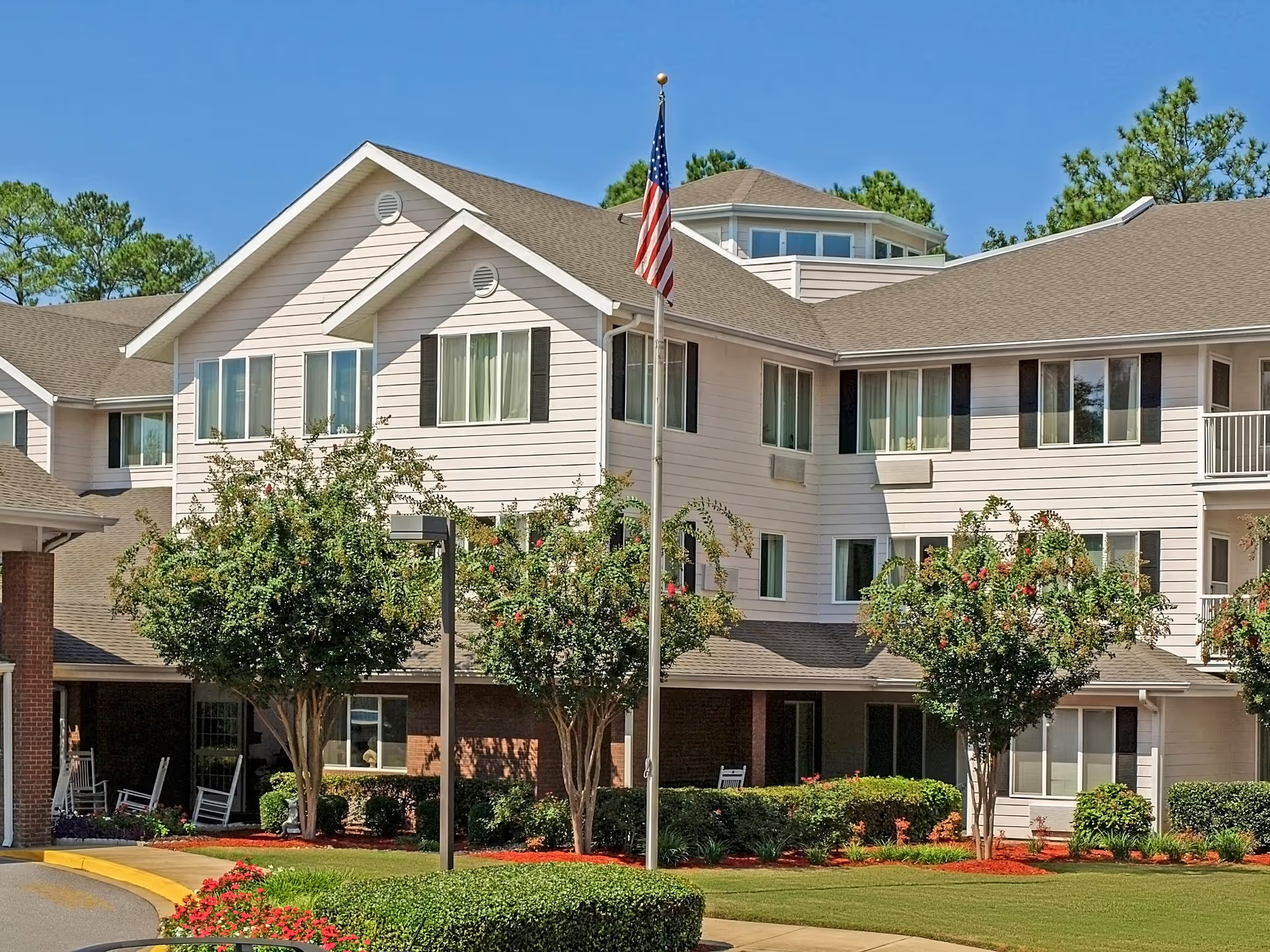
Facilities and amenities Brookdale Harbison provides apartment-style living with kitchenette options, private bathrooms, and a selection of floor plans. Grounds and communal areas such as courtyards, a sunroom, and a library are repeatedly noted as attractive features, and on-site services (hair salon, recreation room, regular doctor or therapy visits) support daily life. That said, the building shows signs of age in places: some reviewers cite deferred maintenance, dated decor, plant-care and cleanliness inconsistencies, darker interior spaces, and variable room-readiness at move-in. Prospective families should review unit condition and maintenance responsiveness during a tour.
Management and operations Management practices draw mixed feedback. Several reviewers commend staff teamwork, compassionate leadership, and assistance during move-in or COVID-19 isolation periods. Conversely, there are recurring comments about communication gaps and administrative follow-through — examples include difficulties coordinating cable/phone transfers, unclear à la carte billing, and inconsistent ancillary-service coordination. These administrative and operational issues often shape families’ overall satisfaction as much as clinical care or amenities do.
Notable patterns and advice for families The community appears well suited to residents who benefit from a smaller, community-oriented setting with robust social programming, good dining, and available rehab services. Key patterns to probe on a visit are staffing consistency and supervision practices, fall-prevention protocols, dementia-specific programming if applicable, unit condition and maintenance turnaround, and transparency of fees and ancillary-service coordination. Asking for current staffing ratios, examples of dementia programming, recent repair logs, and a clear explanation of the billing model will help families determine fit between resident needs and the facility’s operational strengths and weaknesses.