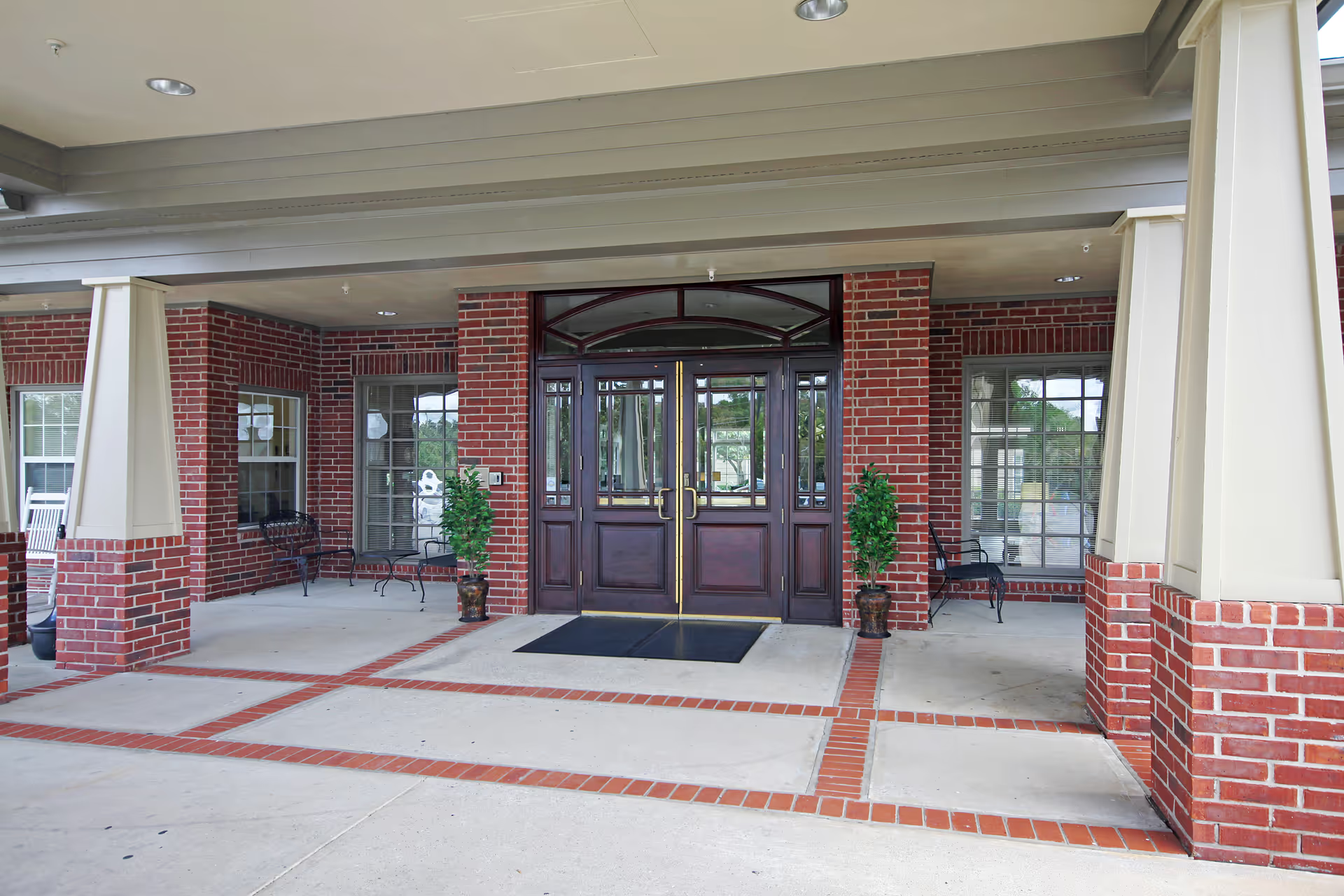
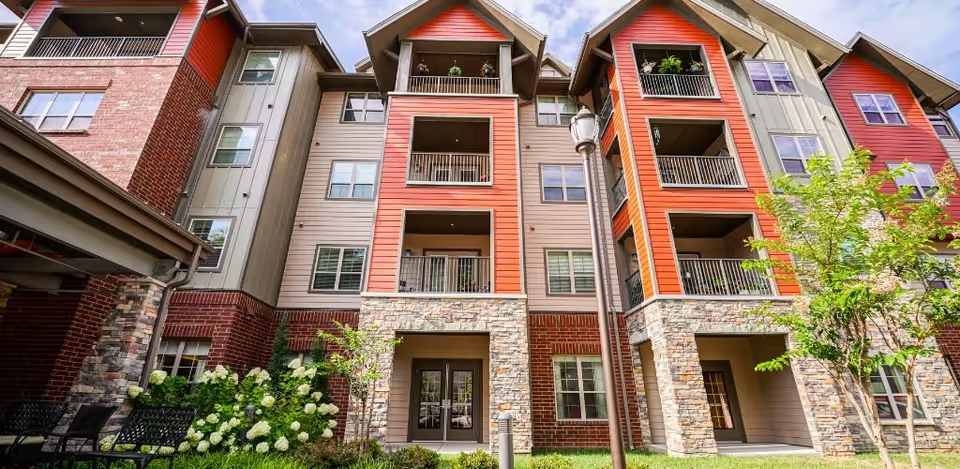
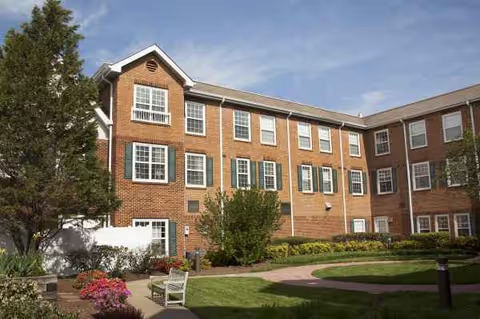
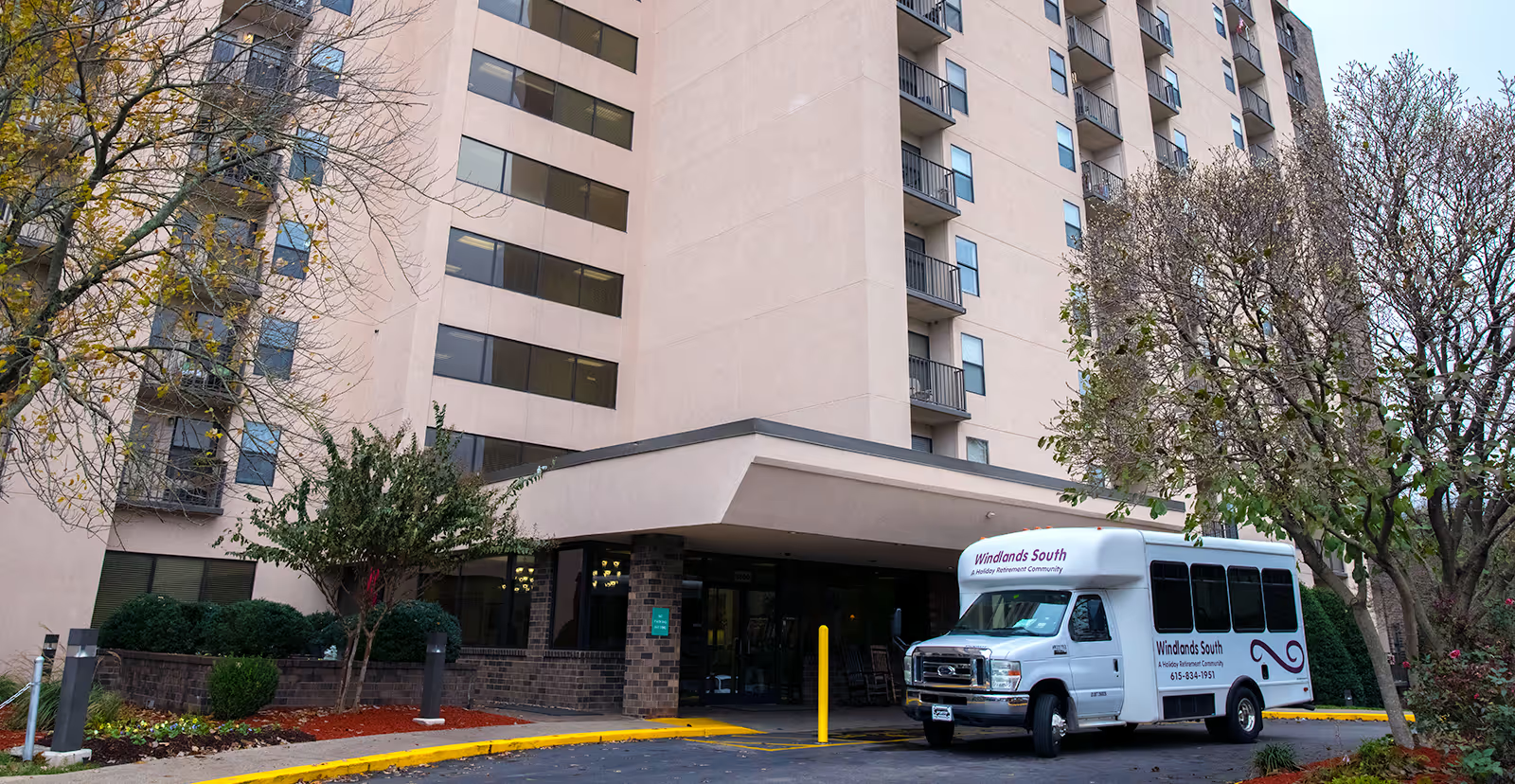
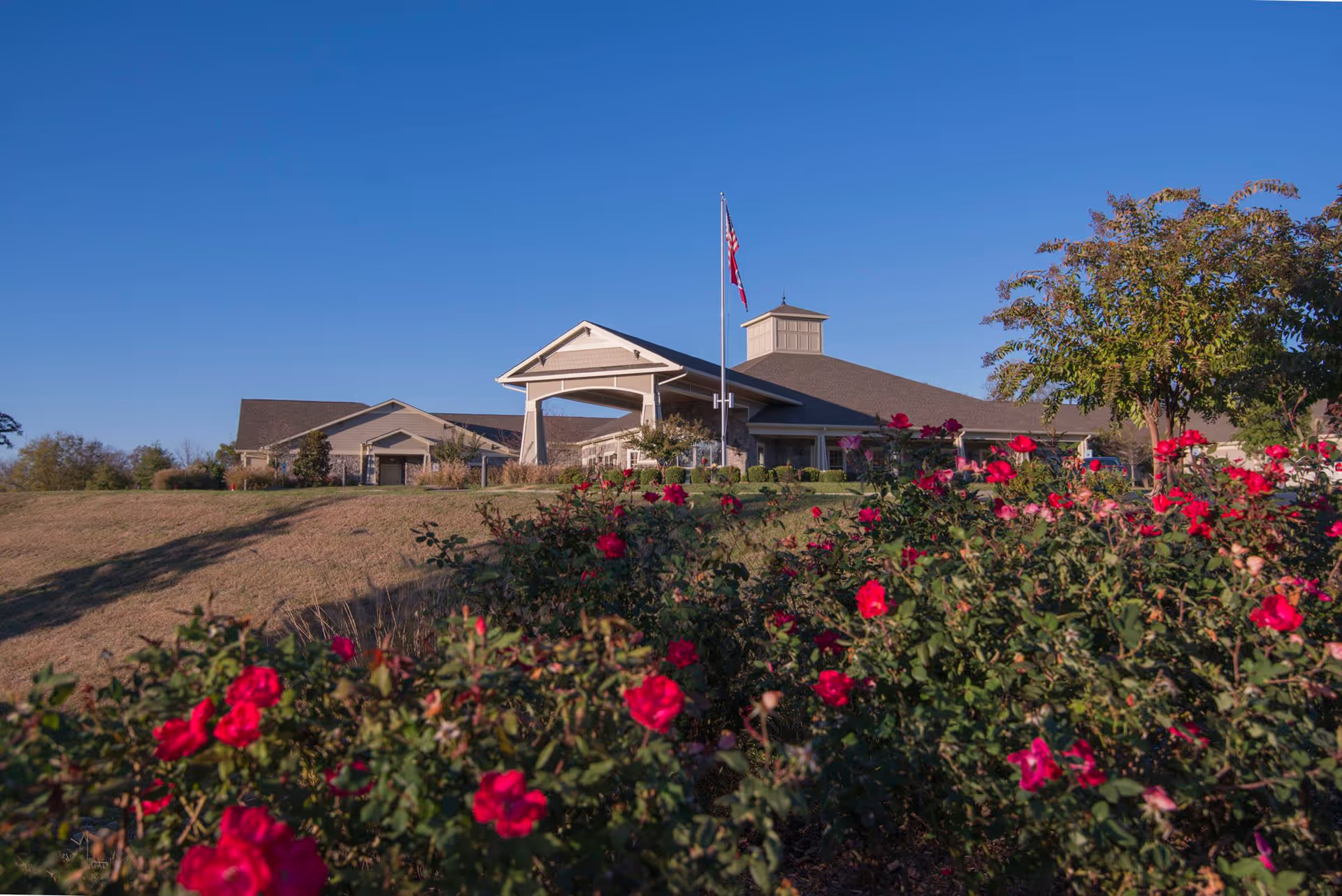
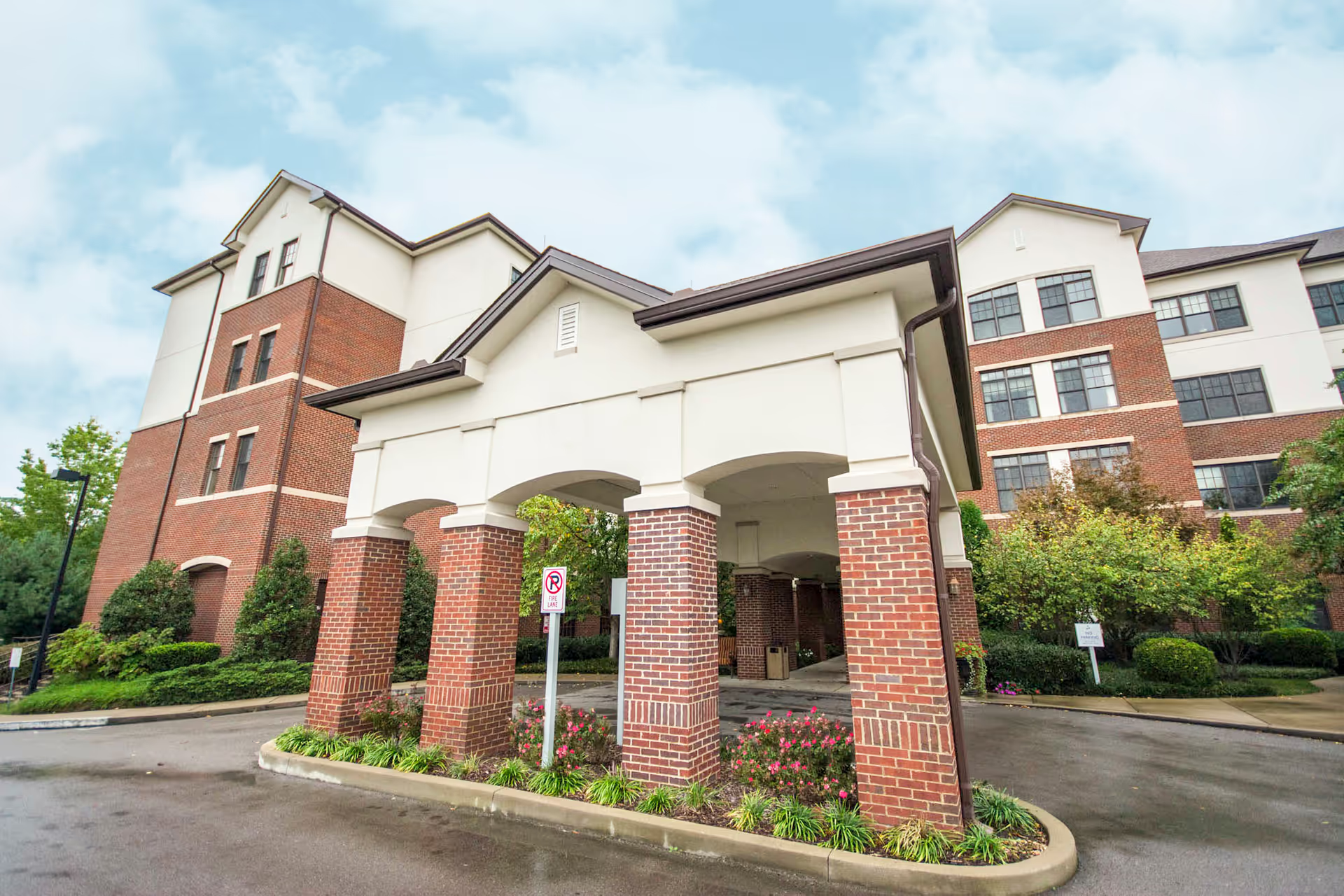
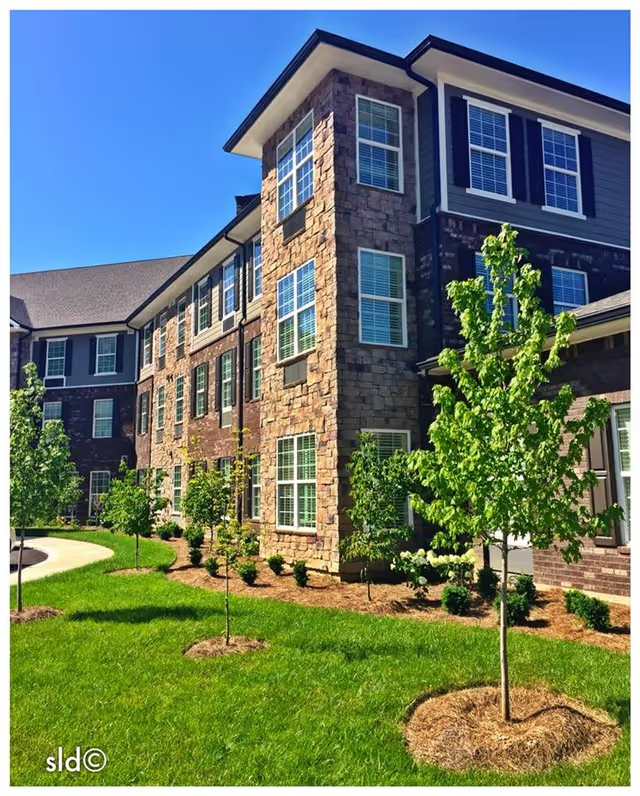
Cloverland Park Senior Living is frequently described as a new, well-designed community with strong physical amenities. Reviewers consistently praise the facility’s modern architecture, light-filled common areas, spacious apartments, and varied outdoor offerings such as courtyards, a putting green, and multiple seating areas. The memory-care unit in particular is noted for a bright layout and attractive outdoor access. Many families report a positive initial move-in experience and appreciation for the community’s size and apartment layouts.
Staffing and care quality are the most polarizing topics. Numerous accounts highlight compassionate, engaged direct-care staff, proactive concierge service, and effective coordination with outside healthcare providers. At the same time, other families describe inconsistent caregiving—including variability between facility-employed staff and contracted caregivers—gaps in clinical training, and periods of understaffing, especially in memory care. These issues are linked to delays answering call bells and inconsistent follow-through on care tasks. The pattern suggests that overall experience frequently depends on staffing levels and which caregivers are assigned.
Dining and food service receive mixed feedback. Several reviewers praise well-prepared meals, chef-led menus, and attention to diabetic or allergy needs, and note mechanisms such as resident chef meetings. However, others report declines in meal quality after move-in and inconsistent meal-service continuity. This variability appears operational rather than structural, with comments indicating improvement when experienced kitchen staff and management are present.
Activity programming is generally viewed as a strength: reviewers cite a full calendar, including bingo, pet therapy, music, and organized social opportunities through the Vibrant Life program. At the same time, some families would like more proactive staff prompting to encourage individual resident participation, suggesting that programming exists but that staffing constraints limit personalized engagement.
Cleanliness observations are mixed. Many reviewers praise diligent housekeeping and a fresh-smelling, well-kept environment, yet others raise sanitation and incontinence-care concerns in specific areas and describe episodes of inadequate attention to hygiene needs. These contrasting impressions point to inconsistencies in daily care routines rather than a uniform property-wide condition.
Management and administration elicit both positive and critical commentary. New leadership and certain directors are described as responsive and proactive in care-plan discussions. Conversely, other reviewers characterize administrative responsiveness as lacking, cite poor follow-through, and note relatively high turnover at executive levels. Some reviewers also express concern about sales or marketing communications that may set expectations not consistently met in day-to-day operations.
Notable patterns for prospective residents and families: the physical environment and amenity package are clear strengths; memory care and direct-care staff can be highly compassionate and effective; but operational variability—related to staffing levels, contracted caregiver quality, and management consistency—creates mixed post-admission experiences. Families considering Cloverland Park should weigh the appealing facility and program offerings against the potential for uneven care delivery, and they may wish to ask specific questions about staffing ratios, clinical oversight, meal-service continuity, and procedures for documenting and escalating concerns prior to move-in.