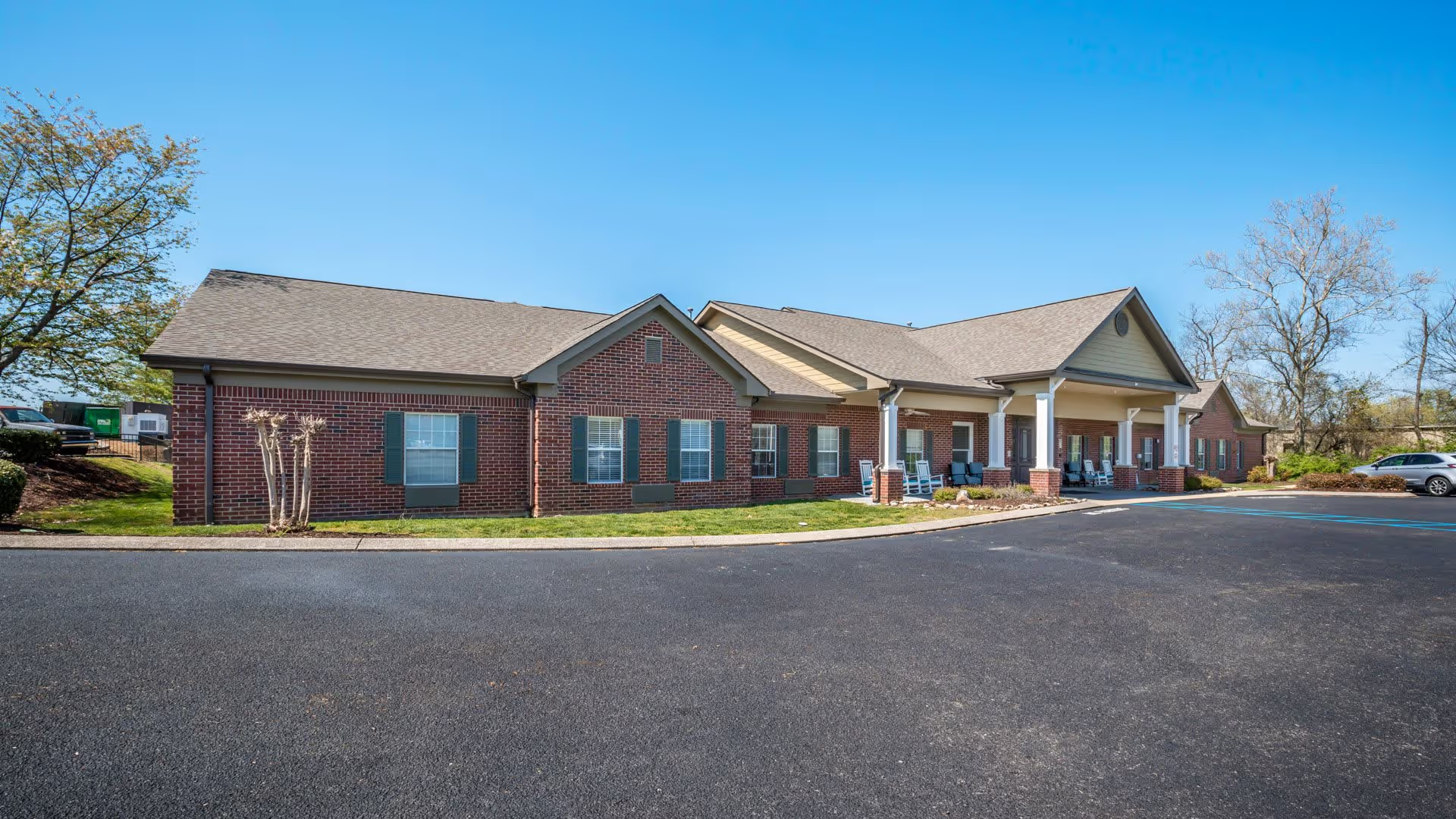
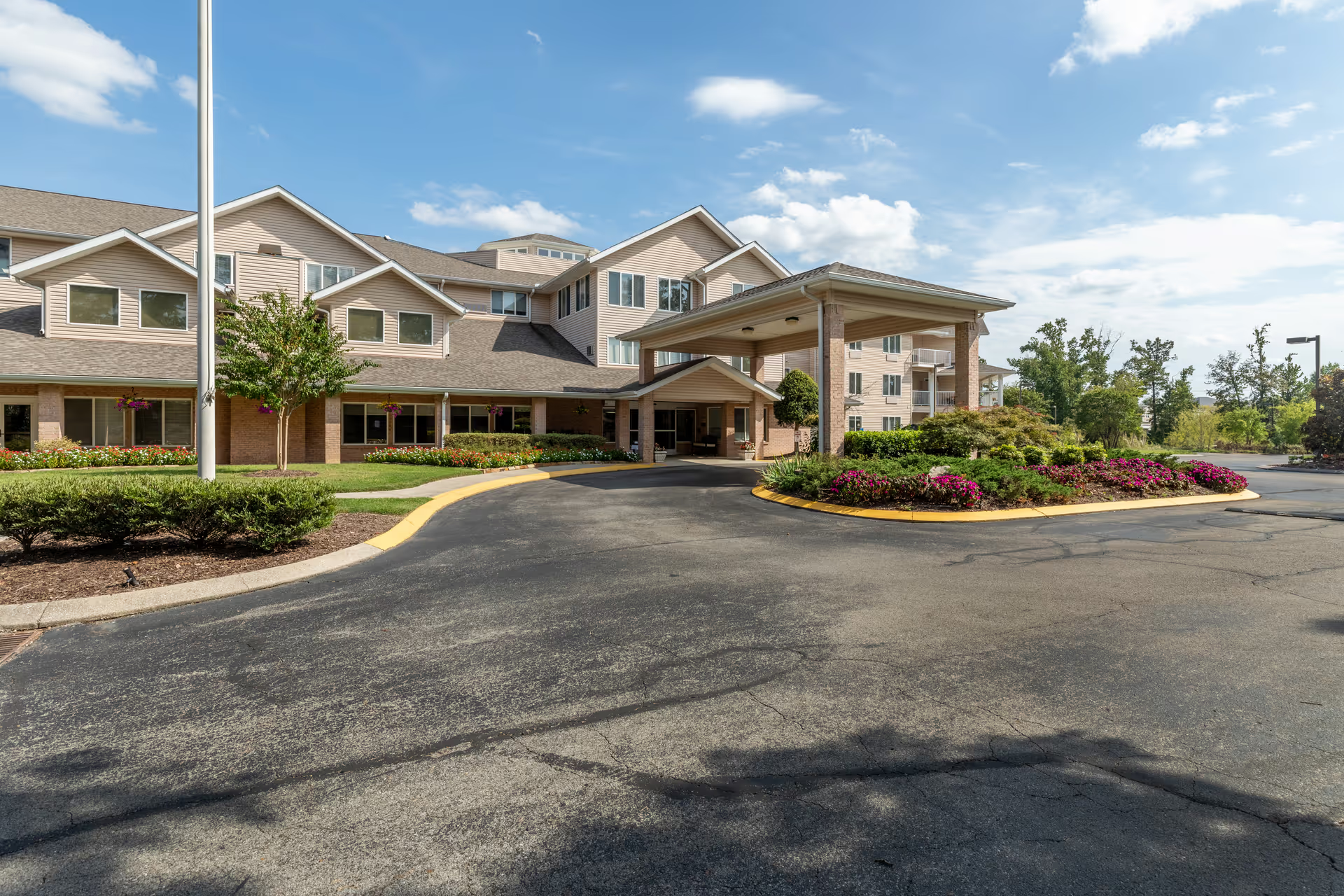
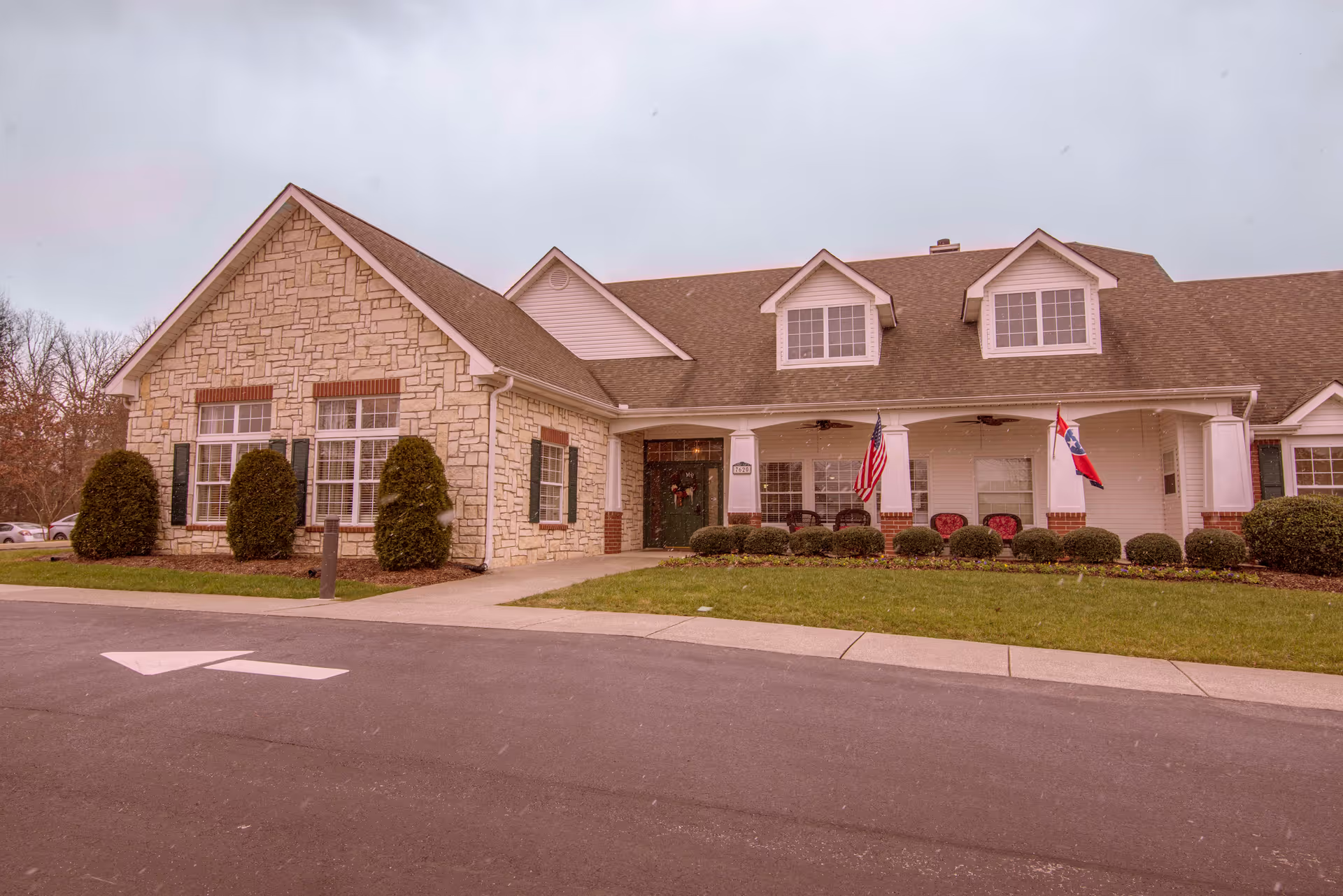
Martin Boyd Christian Home is consistently described as a small, community-oriented nonprofit with many strengths in personal attention, communal life, and affordability. Families and residents frequently praise the compassionate, respectful demeanor of caregivers and nursing staff, along with an administrative team that provides helpful information during tours and transitions. The facility’s nonprofit pricing model and inclusive-fee structure are highlighted as financial positives, and many reviewers point to daily cleaning, weekly laundry, and responsive maintenance as contributors to a well-kept environment.
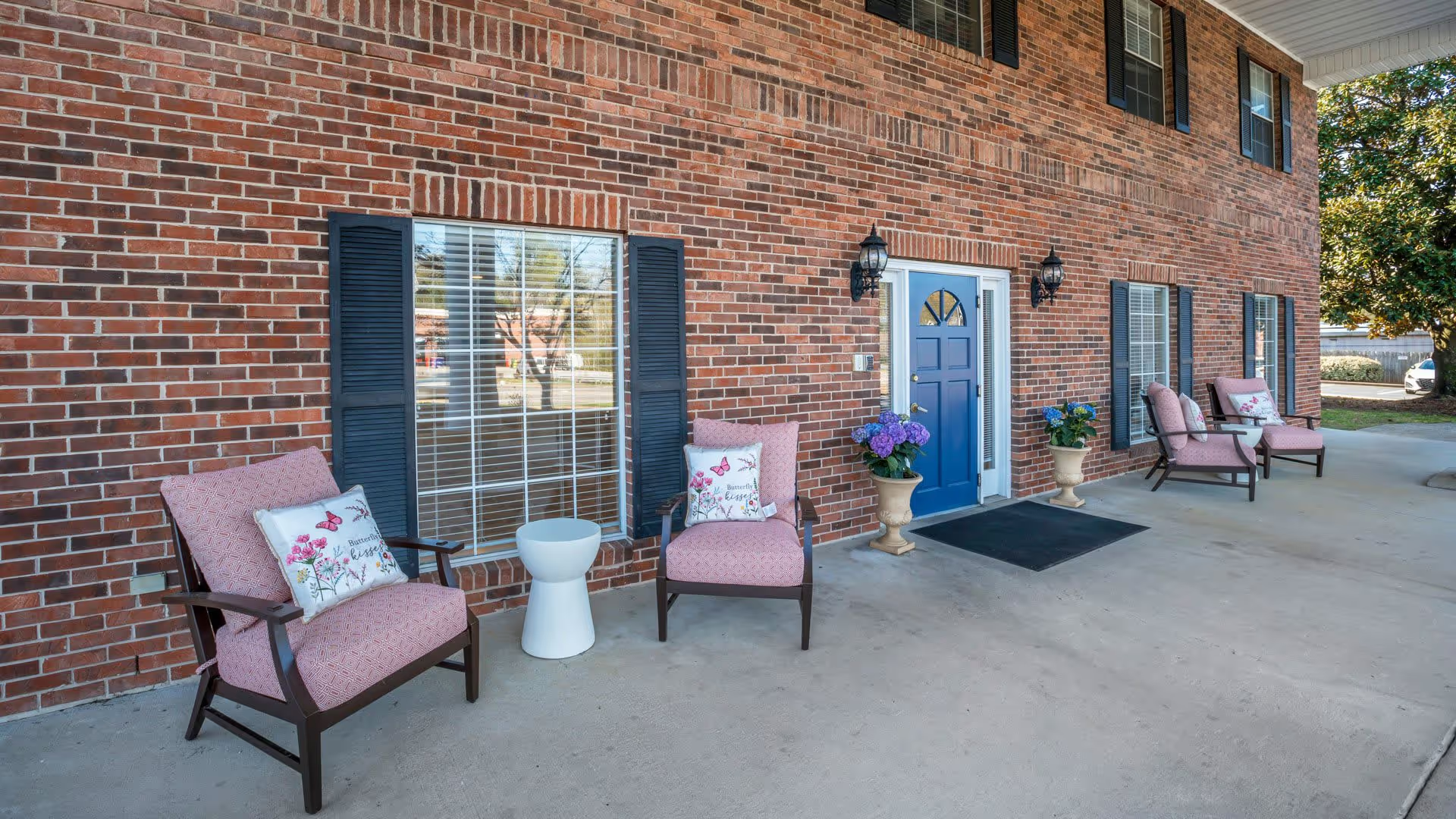
Programming is a clear asset: reviewers note an active activities director, regular music and worship programming including Bible study, scenic outings, puzzles and Bingo, and an on-site salon. Communal dining, occasional musical accompaniment, and regular social events contribute to a family-like atmosphere and opportunities for social connection. Outdoor amenities — a landscaped patio, walking paths, and a secured memory-care garden — receive positive mention, and private rooms are described as roomy with adequate storage by many families.
While praise for staff compassion and end-of-life support is frequent, a distinct pattern of operational concerns appears across accounts. Several families described inconsistent staff performance and delays in responsiveness at times, and a subset of reviews raised concerns about the facility’s handling of clinical incidents and subsequent communication with families. These accounts point to gaps in clinical-incident protocols, emergency-transfer practices, and incident documentation or transparency. Related concerns include inconsistent personal-care routines such as bathing schedules and overall variability in care delivery.
Other recurring themes include staffing shortages that can limit activity variety and immediate responsiveness, and facility-level issues tied to an older building with ongoing remodeling work. A few families described challenges with admission screening or placement for residents with progressive dementia, suggesting the facility’s dementia-care capacity and matching process may be inconsistent. Some reviewers also raised questions about billing clarity and contract enforcement, and a small number expressed dissatisfaction with family communication at end of life or with documentation following a resident’s death.
Overall, Martin Boyd Christian Home appears to provide a warm, faith-oriented community with many strengths in daily living supports, social programming, and affordability. Prospective residents and family members should weigh those strengths against the noted operational risks: ask detailed questions about clinical-incident protocols, emergency-transfer procedures, dementia-care placement criteria, bathing and personal-care schedules, staffing levels, and billing/contract terms during the touring and admissions process. Doing so can help set expectations and identify whether the facility’s current operating conditions align with a particular resident’s clinical and social needs.