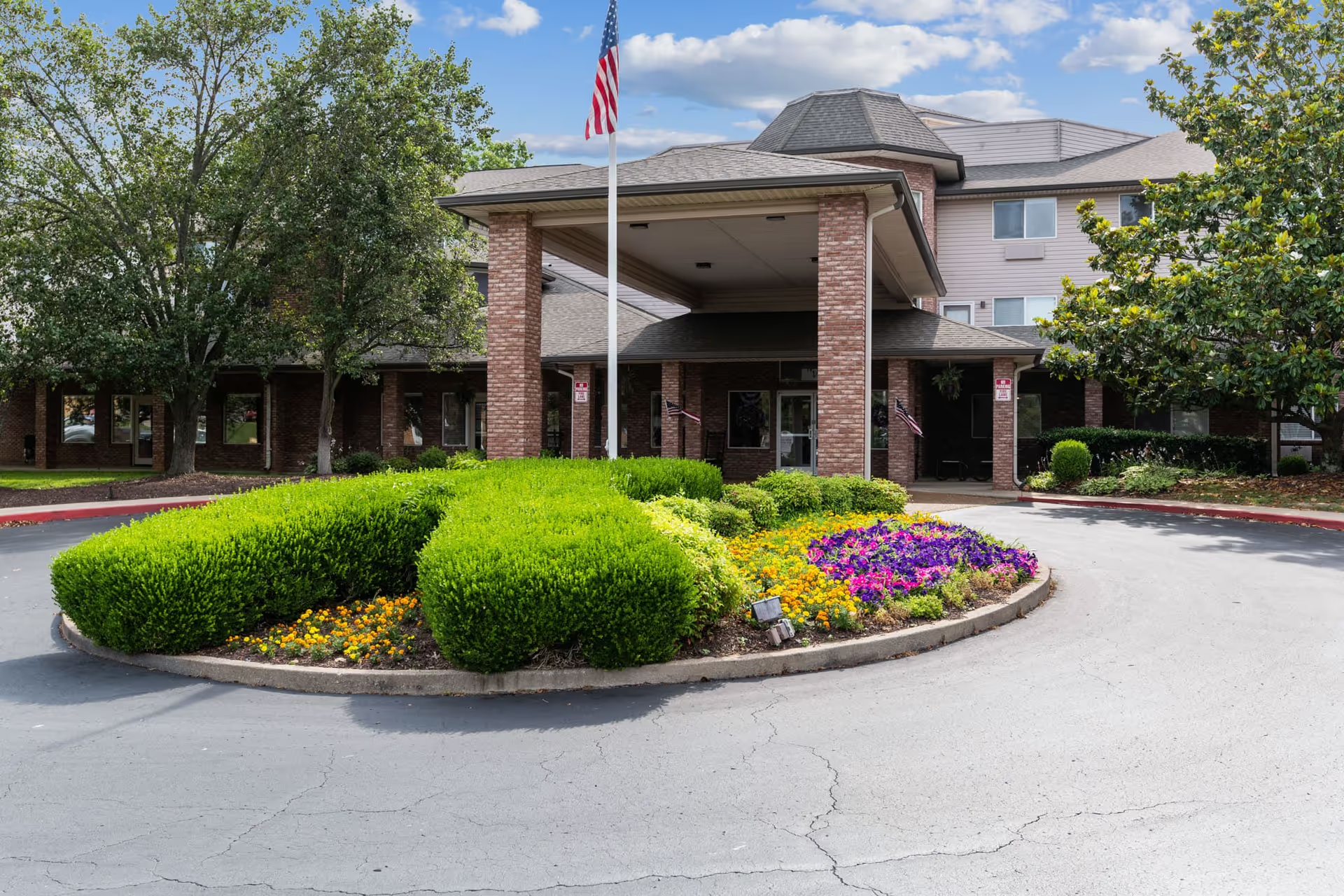
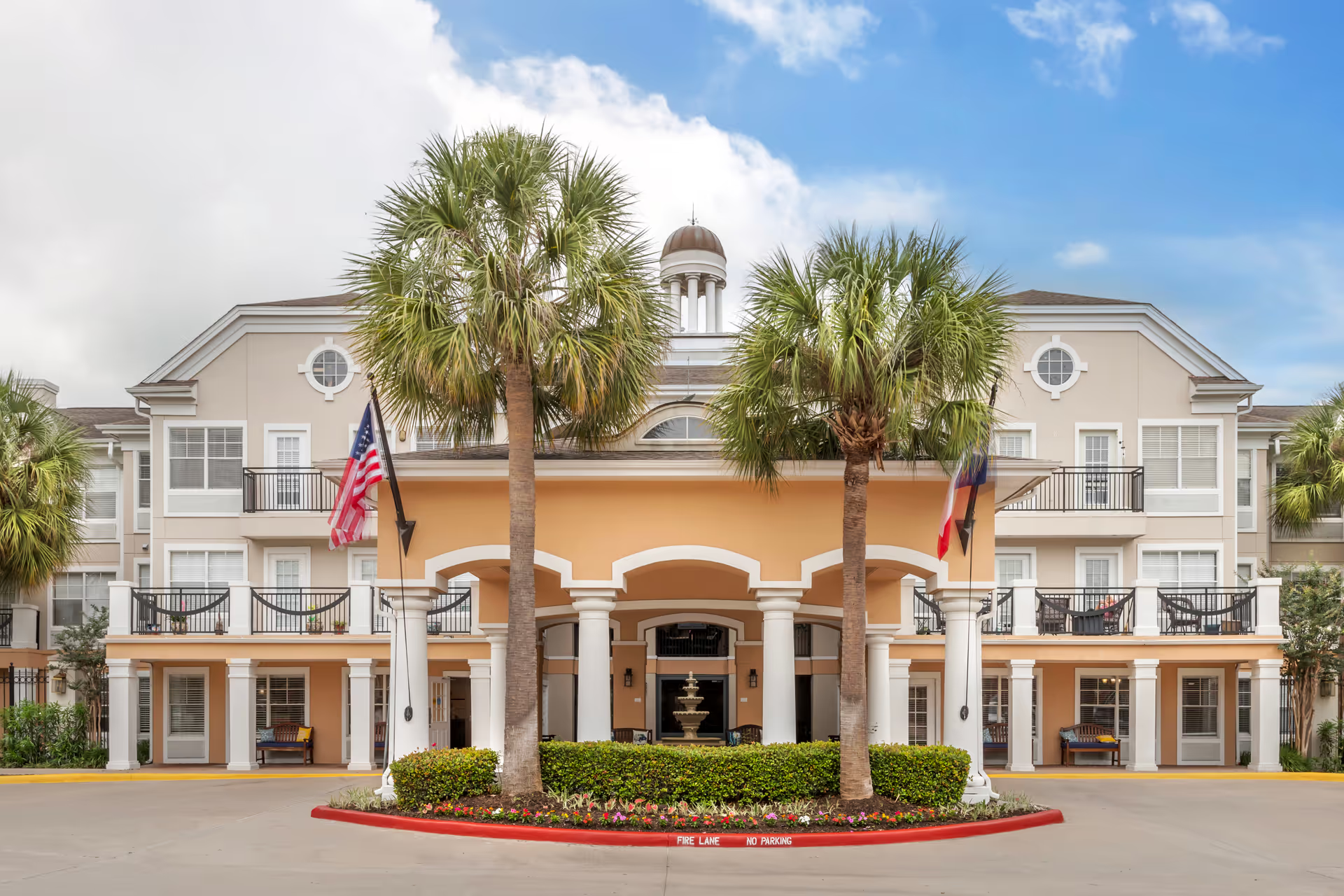
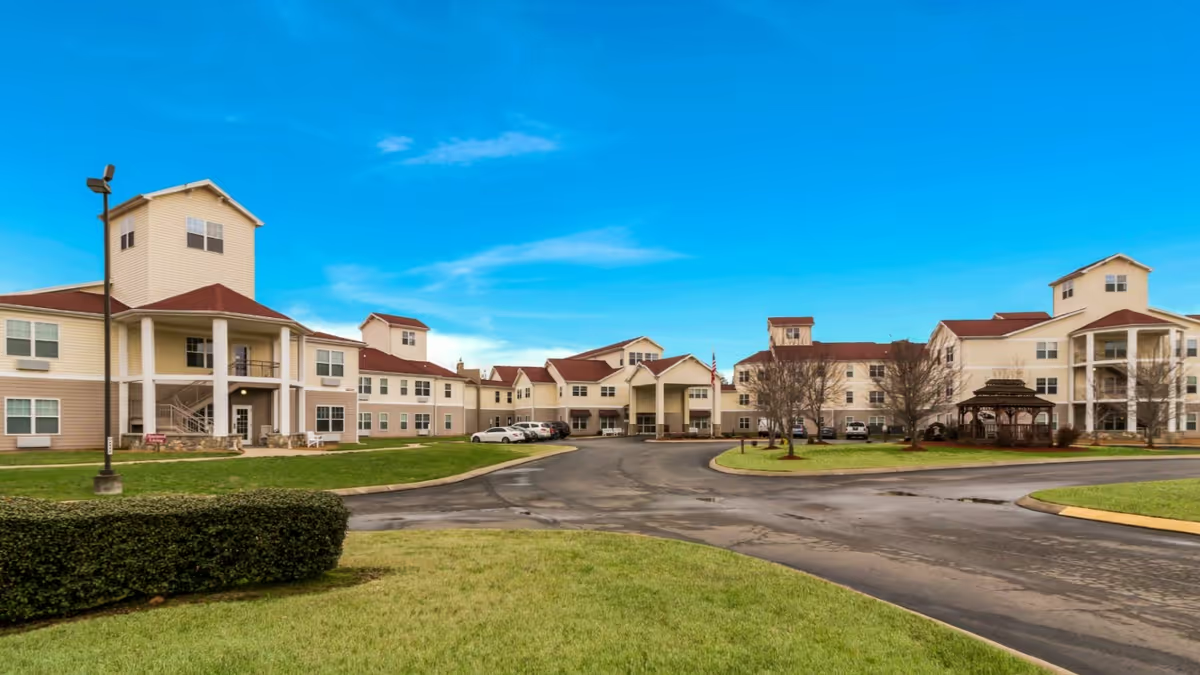
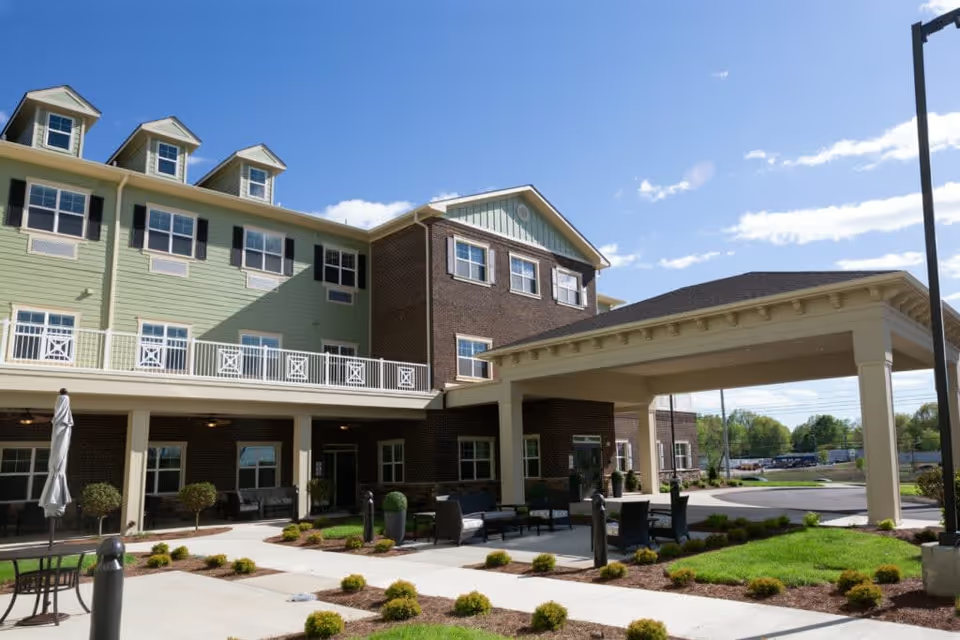
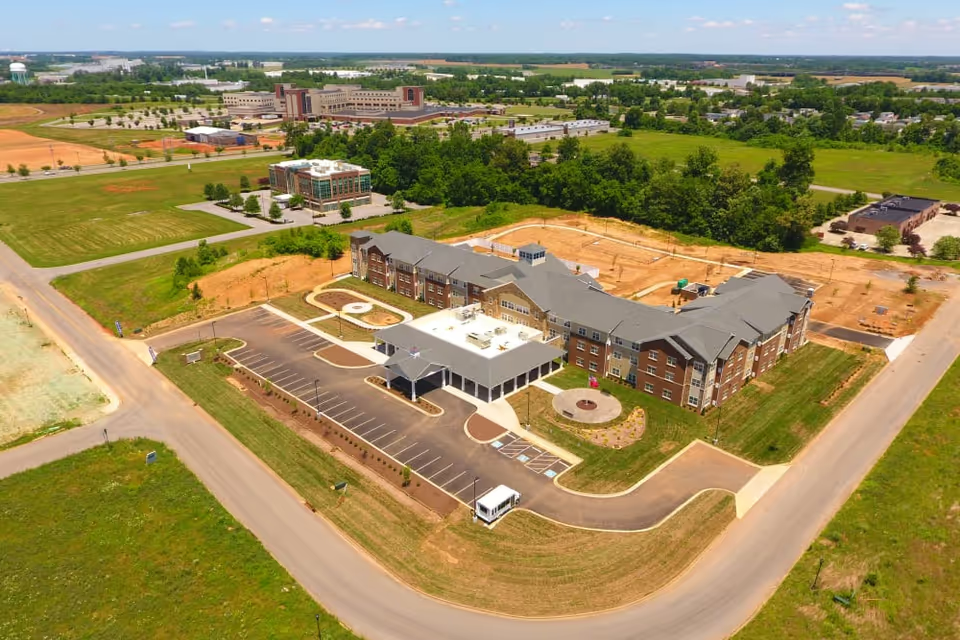
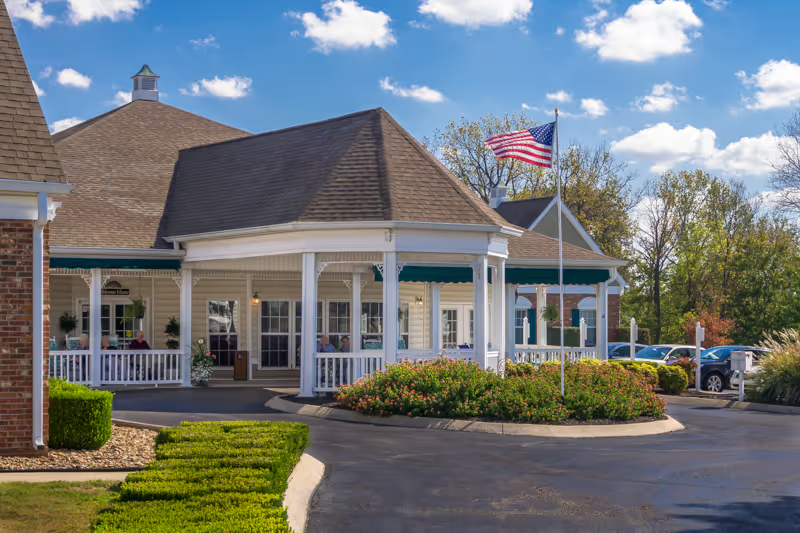
Walking Horse Meadows elicits a largely mixed-to-positive impression: many reviewers praised the facility's clean, bright interiors, pleasant odors, and well-maintained common areas. Private rooms are frequently described as spacious and comfortable, and there are multiple on-site amenities — a courtyard, fitness area, salon, library, and therapy services — that support daily living and resident well-being. The community offers laundry and housekeeping routines, scheduled deep-cleaning, and a range of social spaces that many families found welcoming.
Staff and caregiving are the facility's most commonly cited strengths. Numerous comments note compassionate, attentive nurses and aides who create a family-like atmosphere, provide hospice-style support at end of life, and facilitate social connections among residents. Admissions and tour staff receive positive mentions for a warm onboarding experience. At the same time, reviewers describe variability in staff performance and express frustration with high turnover; these operational staffing challenges appear to influence service consistency in some cases.
Dining and activities are prominent features. The dining program is often praised for variety, a chef-driven approach in places, and social meal experiences; reviewers appreciated meal-choice options and special dining spaces. However, food quality was described as inconsistent — excellent on some days and less so on others. Activity offerings and physical/occupational/speech therapy are available and used by many residents, though some families described the activity schedule as unevenly implemented and requested more outdoor programming or greater structure.
Operational and clinical patterns are noteworthy. Several reviewers raised concerns about slow response times to call buttons, inconsistent housekeeping or grooming attention, and gaps in dementia-care practice and medication oversight. There are reports suggesting weaknesses in leadership follow-through, front-desk monitoring, and incident-response communication with families; a few reviewers raised serious allegations about care-safety in memory-care settings and delayed clinical responses following incidents. Prospective families should treat these as operational risk areas to investigate further.
Practical considerations: the facility layout and décor are generally attractive and home-like, though some areas show older finishes and there are occasional capacity constraints in entry and dining spaces. Transportation options (a small van) may not meet all accessibility needs. Cost perceptions vary; some reviewers feel the pricing is competitive for the services offered, while others describe it as expensive.
Suggested questions for a tour or follow-up: current staffing ratios (day/night/medication administration), memory-care training and protocols, call-button response times and monitoring, incident-reporting and family-notification procedures, recent inspection and staffing-history records, and specifics about transportation accessibility. These targeted inquiries will help families weigh the facility's strong areas against the operational inconsistencies described by reviewers.