The overall picture is strongly positive, particularly regarding staff warmth, resident relationships, and the community’s ability to help people settle in and become more socially engaged. Families commonly describe staff as attentive, patient, and familiar with residents’ preferences and histories. Memory care, assisted living, and respite residents are all represented in the feedback. Several families also value individualized support, including help establishing routines, adapting activities, and accommodating personal or religious preferences. Positive accounts include support during transitions and at the end of life. However, one family described concerns involving supervision, personal-care follow-through, and the response to concerns in memory care; this is a serious counterpoint to the otherwise favorable care descriptions.
Dining feedback is mixed. Many residents and families praise the meals, variety, and dining experience, while one family reported declining meal quality and insufficient response to dietary concerns. Prospective residents with specific nutritional needs may wish to discuss menus, substitutions, and how dietary requirements are handled. Activities are a consistent strength: reviewers describe frequent crafts, exercise, devotional gatherings, entertainment, outings, celebrations, and family events. Social opportunities appear to help some residents become more engaged and less isolated.
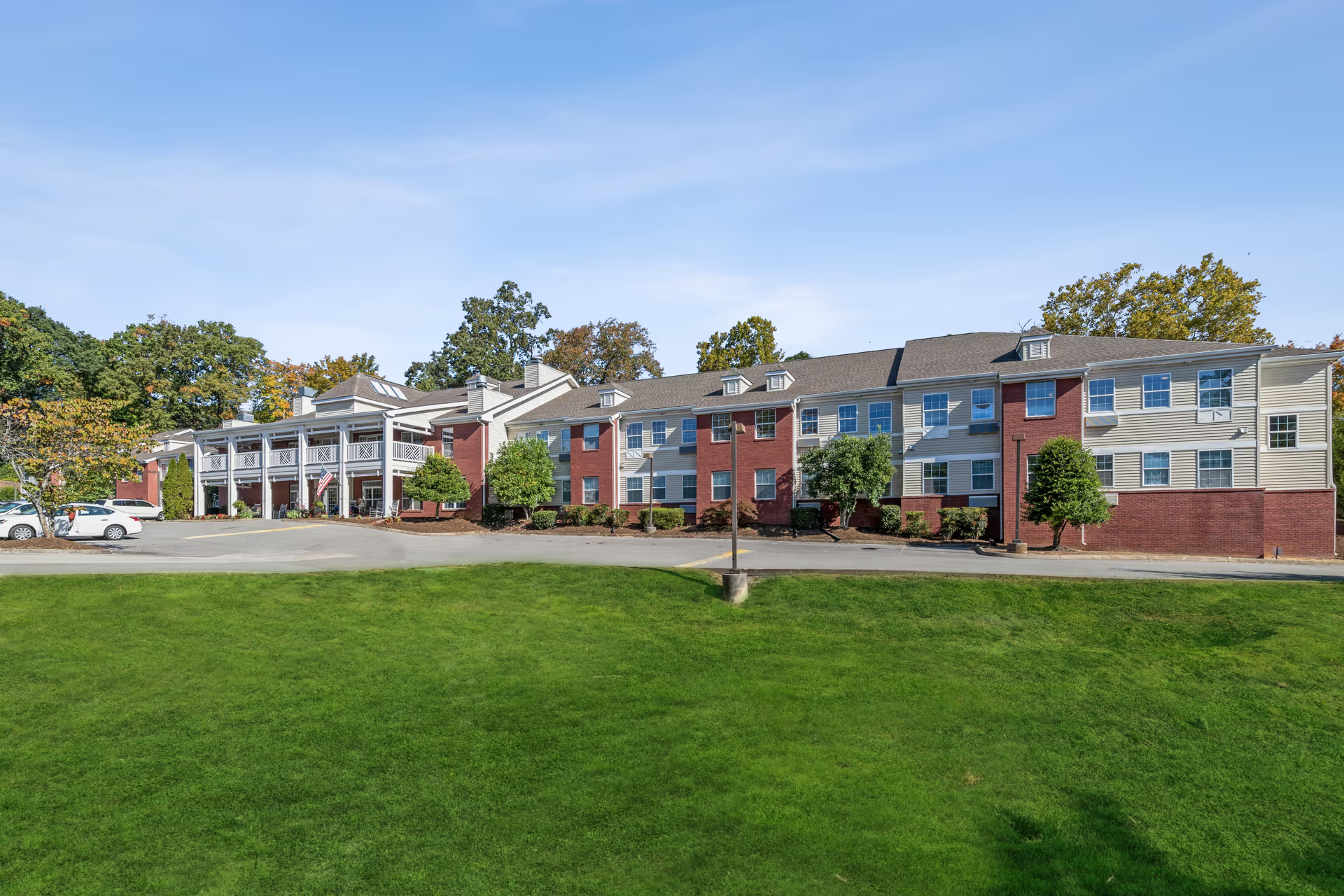
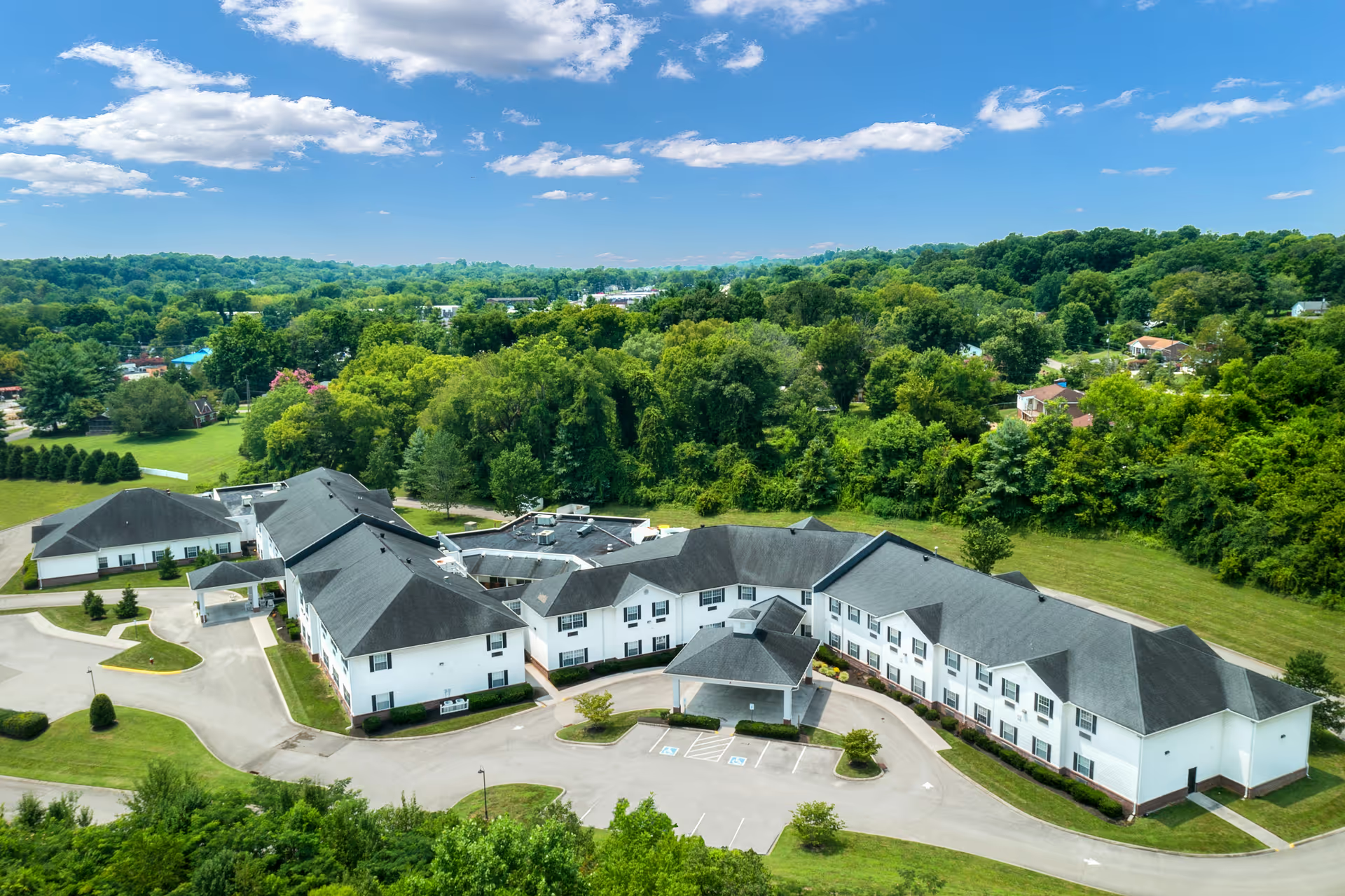
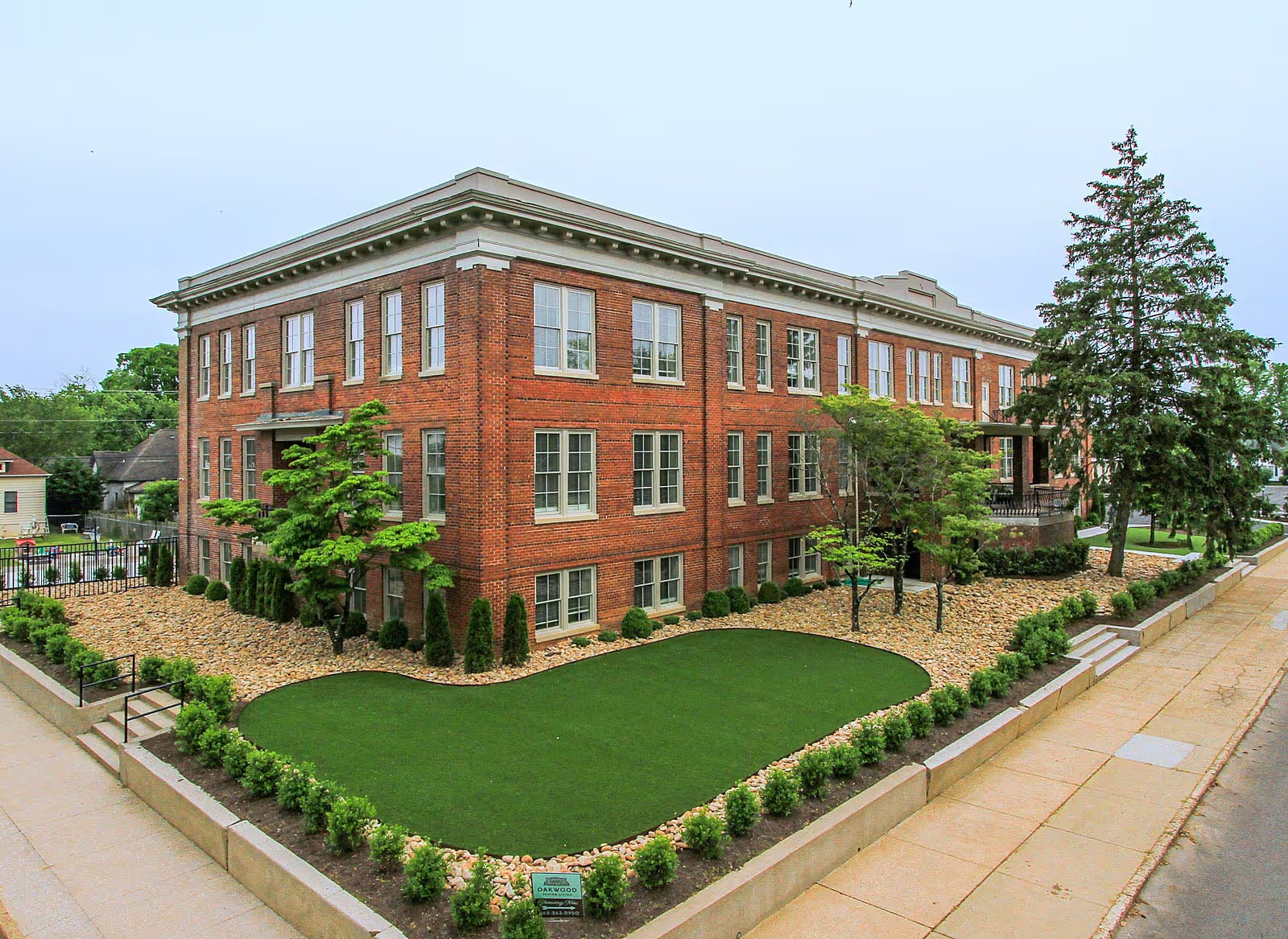
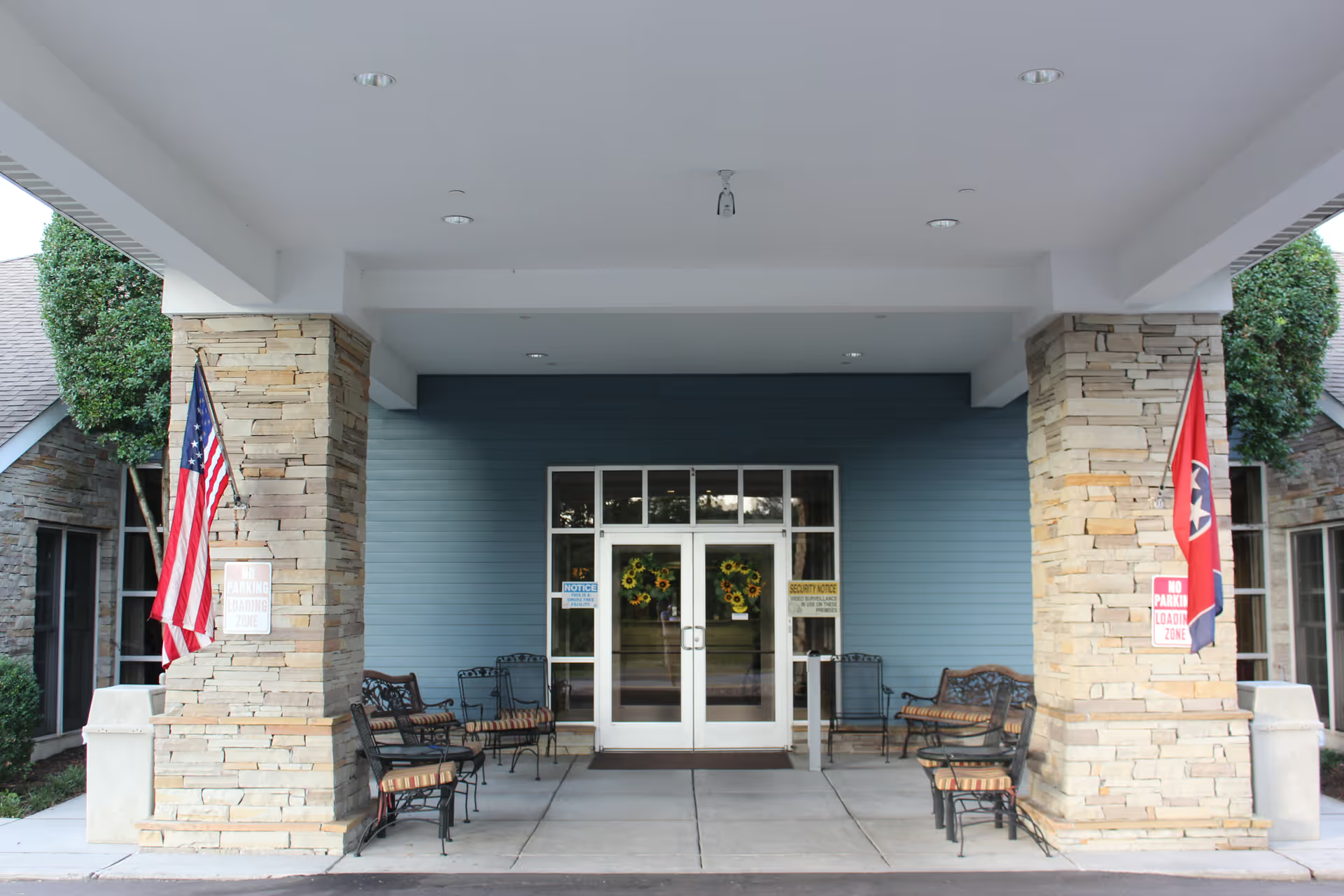
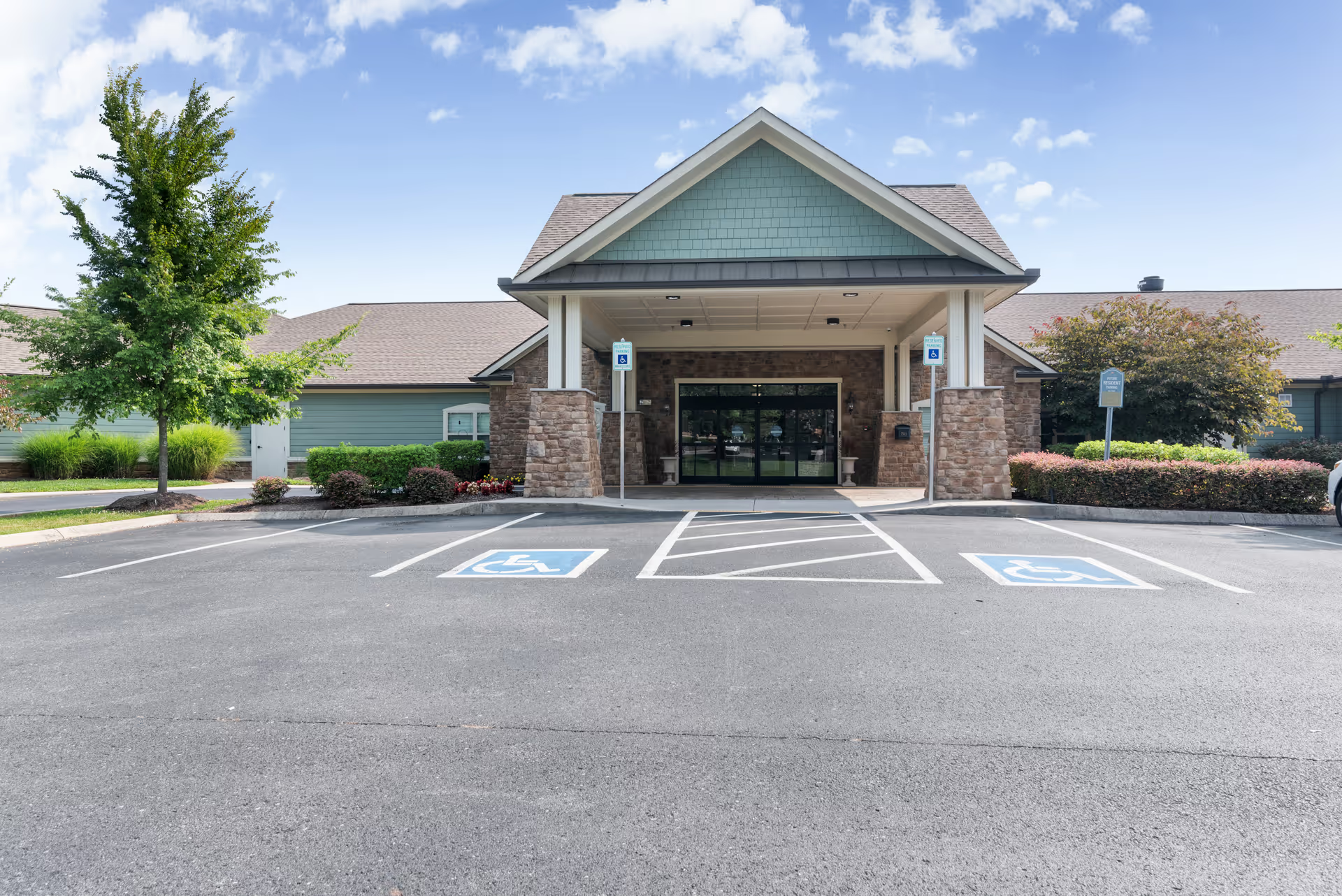
The building and grounds are frequently described as clean, attractive, modern, and well maintained. Reviewers mention spacious rooms and apartments, companion-suite layouts, courtyards, gardens, walking areas, and other outdoor features. Transportation and welcoming common spaces are also cited as benefits. The setting is often characterized as comfortable and home-like, though a positive tour experience did not guarantee the community was the right fit for every family.
Staff and leadership receive extensive praise for approachability, professionalism, and hospitality, including during move-ins and periods of limited visitation. Communication, however, is not uniformly consistent: some families describe timely updates and easy access to staff, while others mention delays in getting answers or coordinating which family member is contacted. One family also questioned the clarity of care-related pricing during the move-in process. Cost is a barrier for some, despite the value others feel they receive. Overall, the feedback suggests a polished, activity-rich community with a strong service culture, alongside areas worth clarifying in advance: care oversight and escalation procedures, family communication expectations, dietary accommodations, and the full pricing structure.