AHC Bright Glade elicits strongly mixed impressions: many families praise individual caregivers and clinical staff for compassionate, respectful care, while others describe operational gaps that interfere with consistent service delivery. A recurring positive theme is the presence of dedicated nurses and aides who provide attentive bedside care, dignified treatment, and frequent family contact. Several reviews singled out admissions staff and specific clinicians for effective onboarding, wound care, and therapy that helped residents regain mobility and appetite. The community also receives praise for its activities programming, family-oriented events, and a generally warm, home-like atmosphere.
Care quality appears variable. Positive accounts describe rapid clinical improvements under focused nursing and therapy, good wound care, and meaningful engagement in dining and rehab activities. Conversely, a number of families expressed concerns about inconsistent care planning, unexpected or poorly communicated discharges, and delays in responding to clinical needs or medications. Reviewers also raised issues consistent with staffing shortfalls—extended response times to call lights, missed or delayed hygiene assistance, and uneven follow-through on individualized care goals. There are also mentions of gaps in weekend clinical coverage and occasional mismatch between advertised therapy intensity and the therapy delivered.
Staff and management present a mixed picture. Strengths include numerous reports of compassionate, professional front-line staff and an admissions team that is thorough and family-oriented. However, reviewers also described variable staff conduct and professionalism, conflicting information between departments, and difficulties reaching leadership or obtaining timely follow-up. These comments point to weaknesses in supervisory oversight and accountability rather than uniformly poor frontline performance.
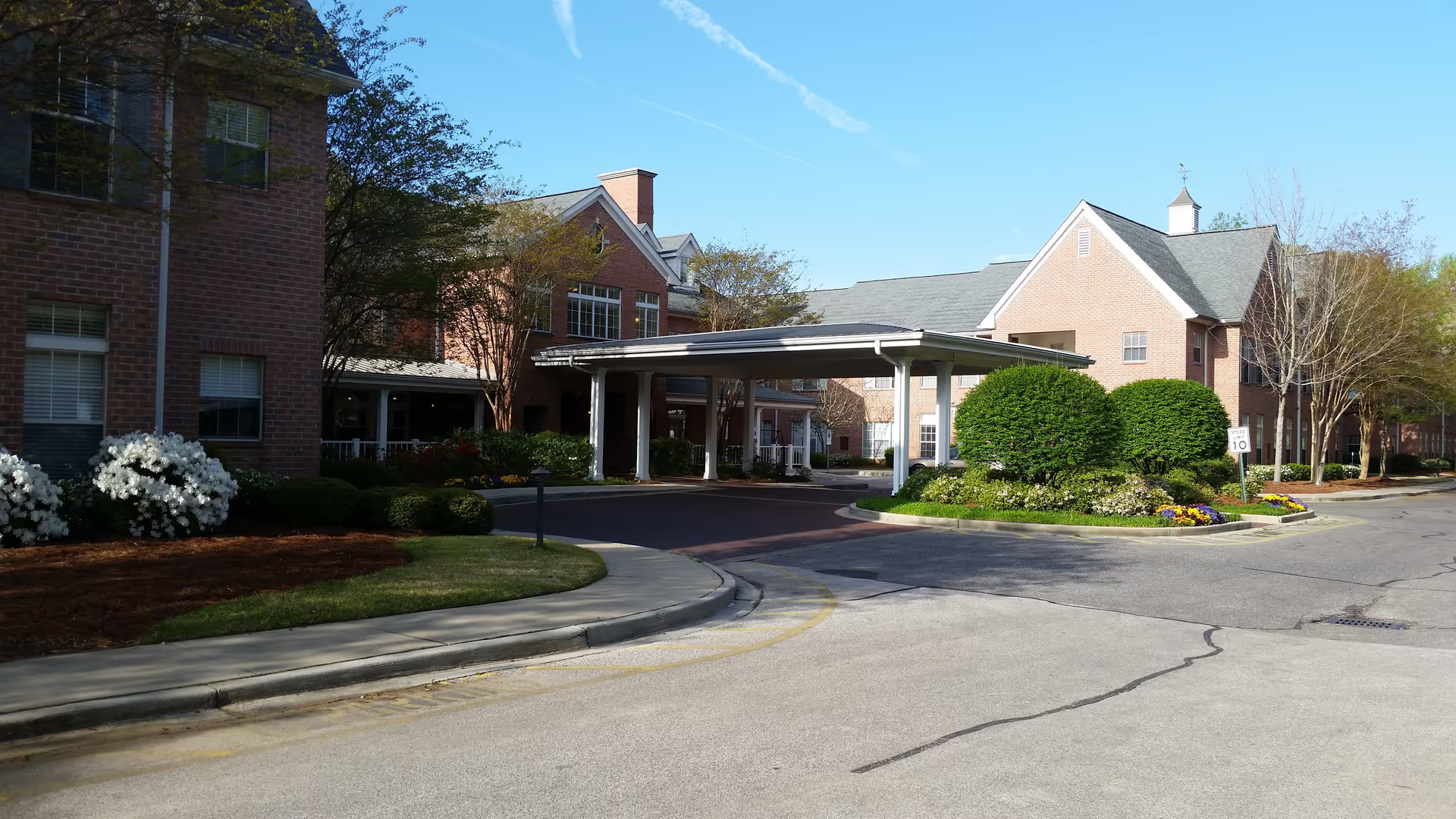
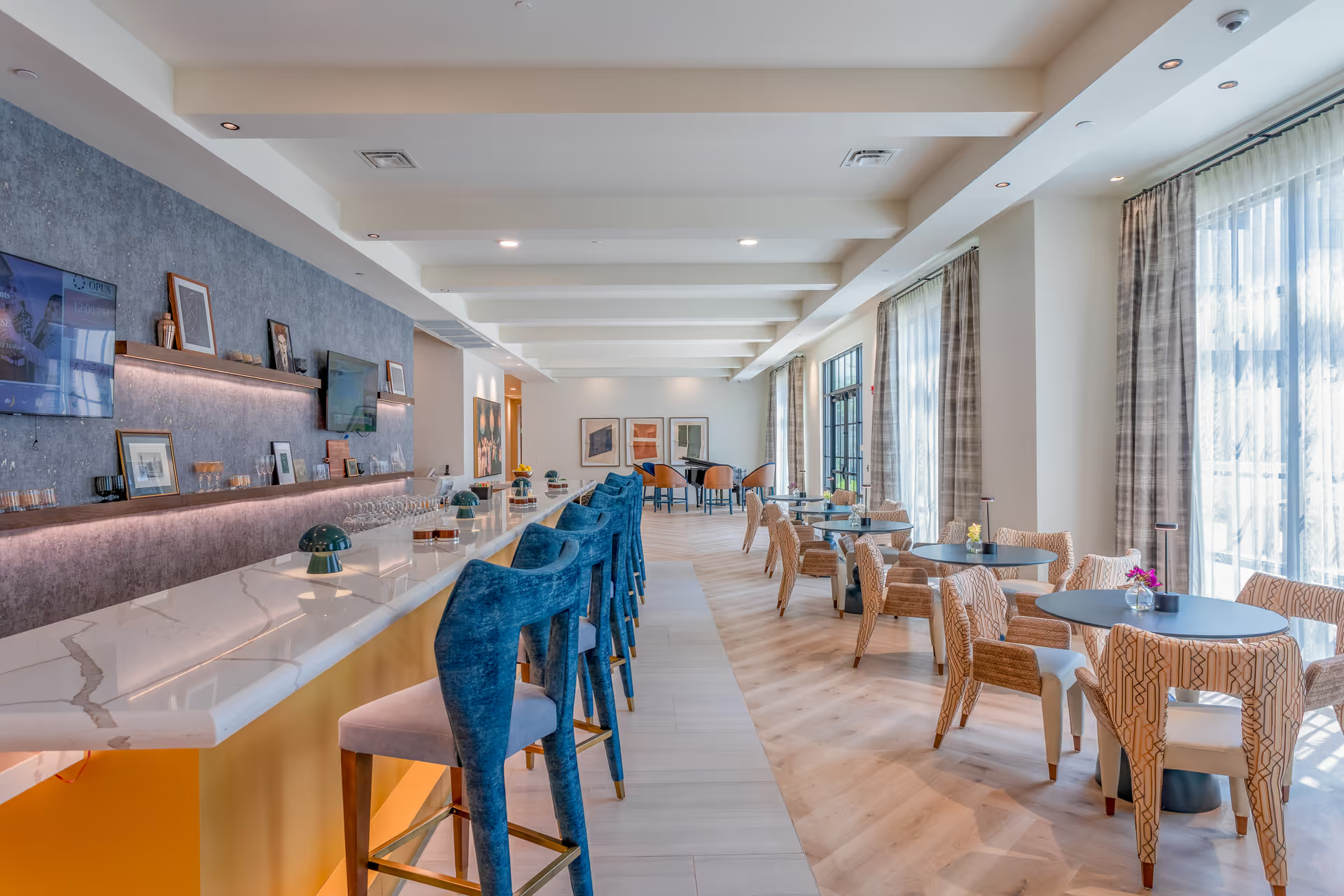
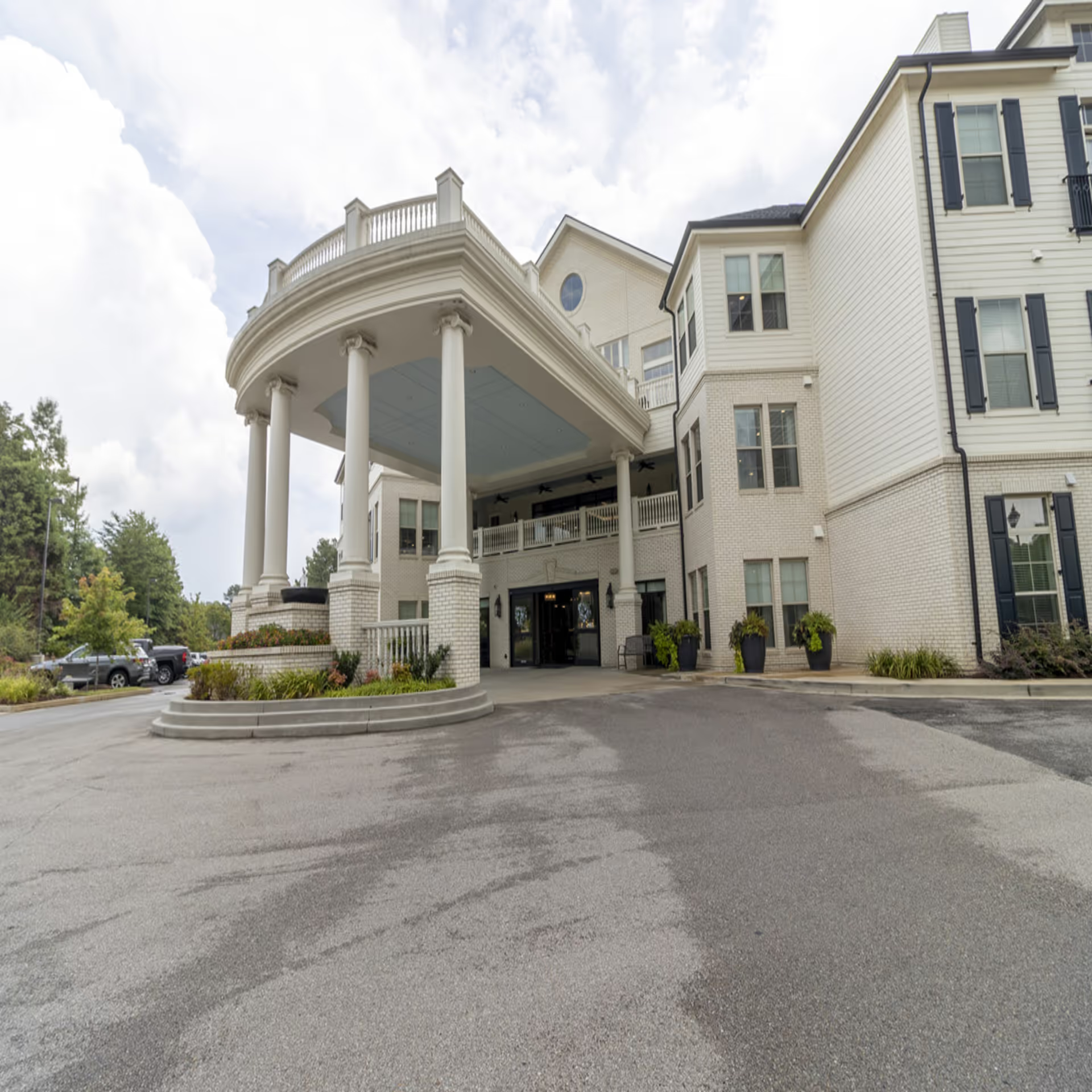
Dining, activities, and facilities also show divergence. The activity program and special events receive consistent positive feedback, with families noting thoughtful event support and frequent engagement opportunities. Meal service is described as personalized at times, but commenters also cite uneven food quality—notably on weekends. Facility condition earns both praise and criticism: many visitors found common areas clean and odor-controlled, while room-level maintenance and housekeeping issues (broken blinds, dust, dated rooms) were noted. Operational improvements such as streamlined sign-in and visitor security were reported positively.
Notable patterns for prospective residents and families: the facility often delivers strong, compassionate hands-on care when adequate staffing and clinical resources are present, but operational inconsistencies (communication, staffing, maintenance, and weekend coverage) can significantly affect the resident experience. When evaluating Bright Glade, inquire specifically about current staffing ratios, weekend clinical coverage, written therapy goals and expected intensity, discharge planning procedures, and the facility’s process for family communication and issue resolution. An in-person tour that includes a review of a sample care plan and a conversation with nursing leadership may help clarify how the facility’s strengths will apply to an individual resident’s needs.