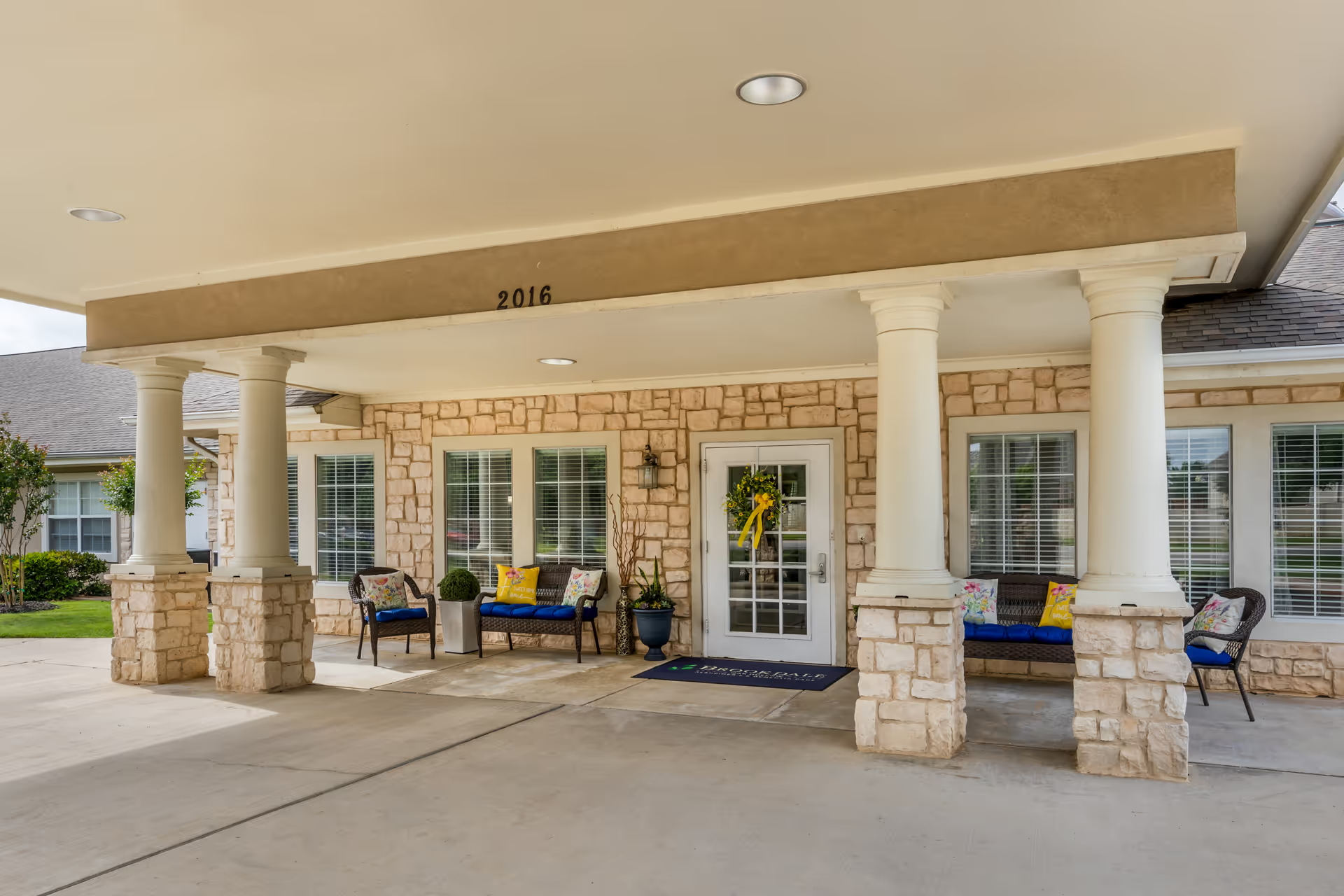
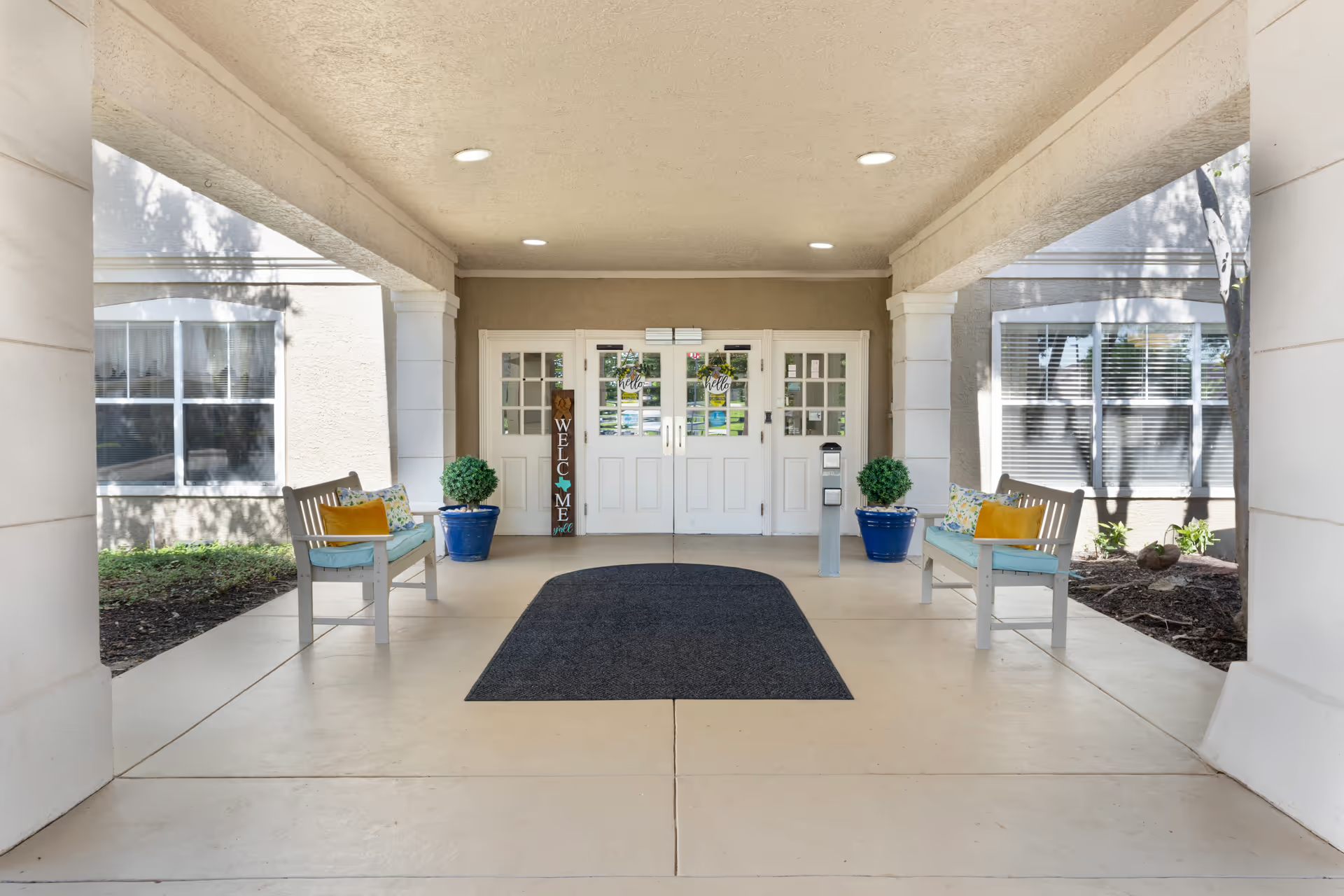
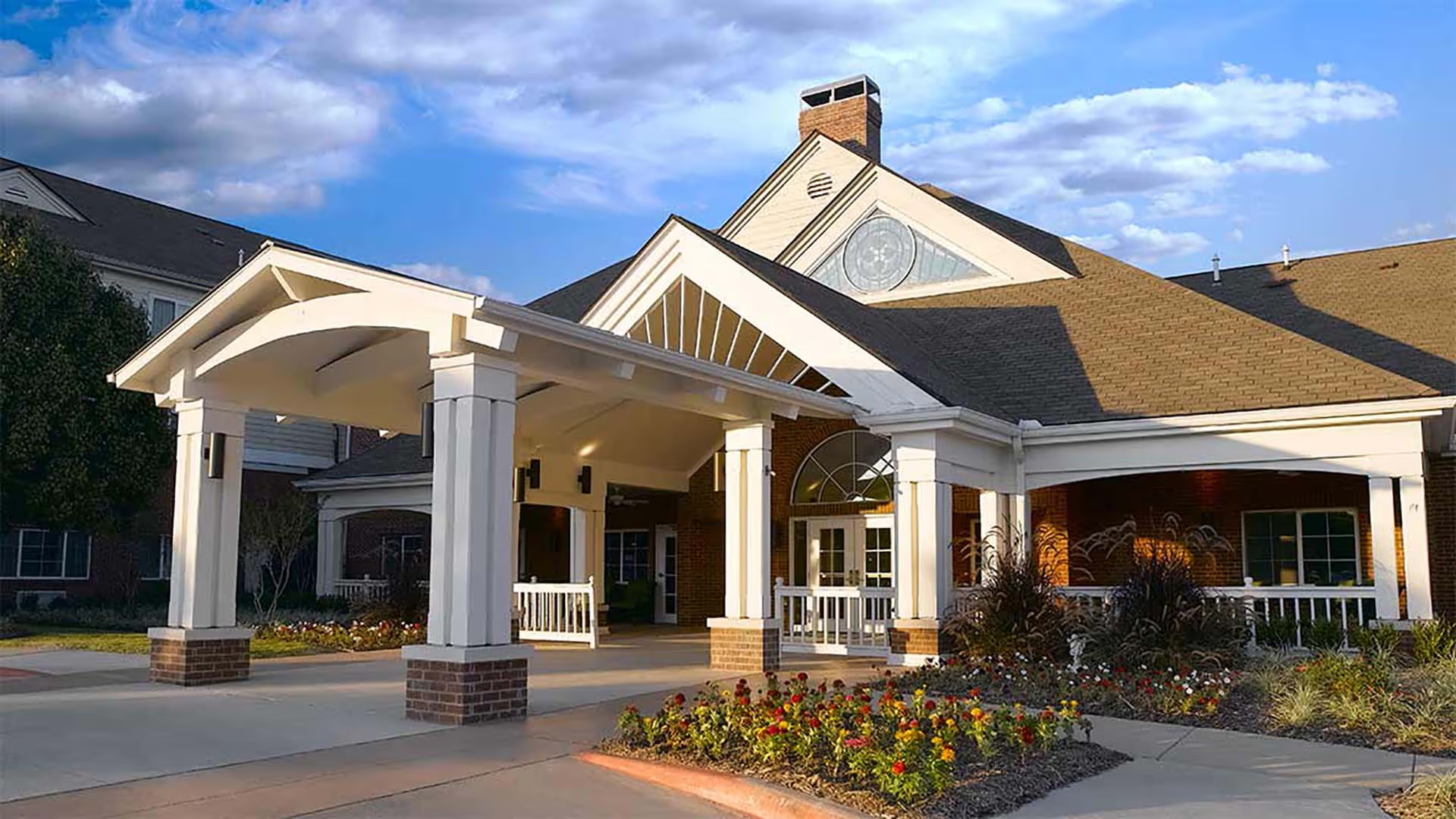
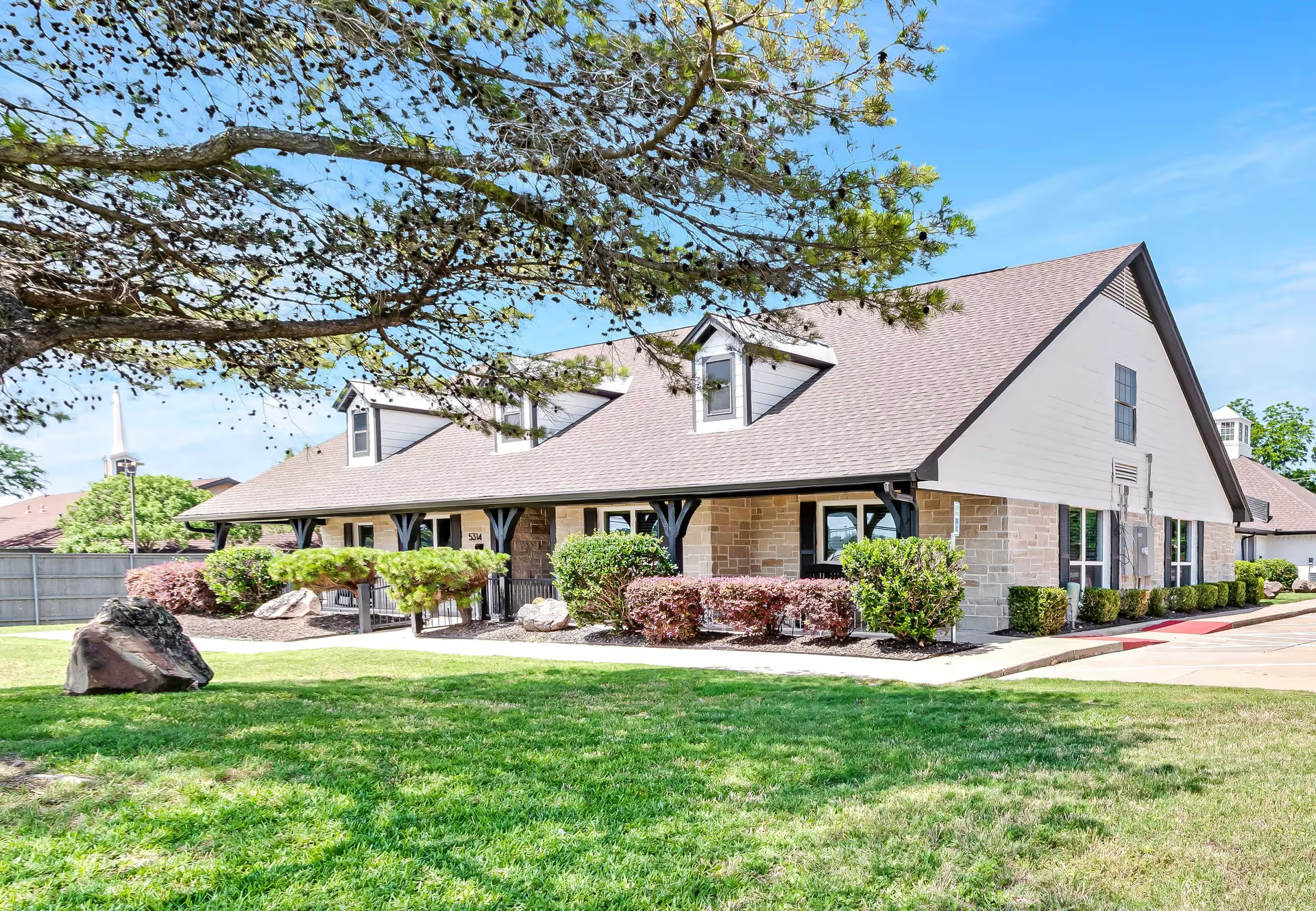
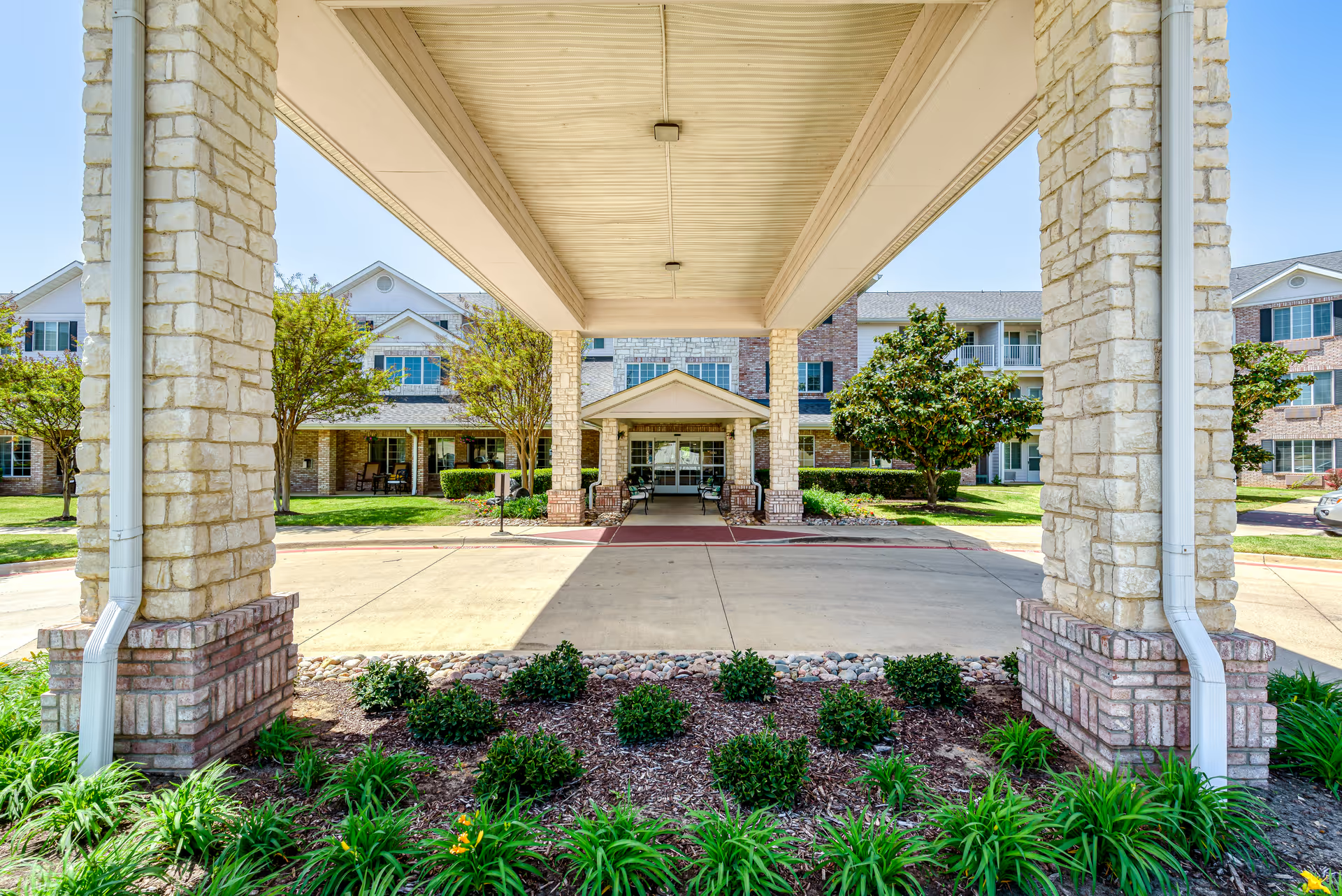
Heartis Mid Cities presents as a modern, well-appointed senior community with many operational strengths alongside recurring operational weaknesses. The physical plant and amenities receive consistent praise: new construction, bright and airy common spaces, spacious apartment layouts (many with in-unit laundry and balconies), a salt‑water pool with lift, a salon, an on-site library, and a well‑equipped bistro and dining program. The community offers a broad range of activities — crafts, exercise classes, library programs, day trips to cultural venues, animal visits, and personalized programming — and an engaged activities team that is often singled out for tailoring offerings to resident preferences.
Care quality is a mixed but important pattern. Frontline caregivers, med‑techs, nurses and housekeeping staff are frequently described as compassionate, attentive, and resident-focused; clinicians and particular staff members are named for prompt responses and good communication. At the same time, families and some residents describe operational gaps tied to staffing levels and turnover: delayed call‑button responses, weekend coverage shortfalls, and periods when families assisted with personal tasks. Memory‑care quality is described unevenly — positive descriptions of attentive monitoring and specialized programs exist alongside concerns about staff training, supervision, and medication-monitoring practices in that unit.
Dining is a clear selling point for many — a creative chef, three meals daily with changing entrees, and a bistro/snack area make dining a social center of campus life. However, multiple accounts note variability in meal temperature, portion size, snack availability, and service speed. There are also comments about differences between assisted‑living and memory‑care meal execution and monitoring; prospective residents should clarify meal policies, portioning, and supervision in different care levels.
Operational and administrative themes emerge repeatedly. While many families commend on‑the‑ground managers and concierge staff for responsiveness, others describe communication gaps with upper administration, inconsistent follow‑through on financial or transition matters, delayed maintenance responses (hot‑water outages, appliance repairs), and problems with pharmacy coordination and billing. Pricing and value are frequent concerns: several accounts question fee increases and the overall affordability relative to delivered services. A small number of reviews raise serious governance concerns that reference regulatory compliance; those descriptions suggest prospective families may wish to verify regulatory status and incident‑resolution processes during a tour.
Overall, Heartis Mid Cities offers strong amenities, an active social program, and many dedicated caregivers that create a welcoming, hotel‑like atmosphere for residents seeking an engaged lifestyle. The principal risks to evaluate in person are staffing consistency (including weekends), memory‑care training and supervision, meal‑service reliability, maintenance response times, pharmacy/medication procedures, and clarity about fees and transition protocols. Families touring the community should ask for current staffing ratios, weekend coverage plans, sample menus and meal supervision policies for memory care, examples of recent maintenance turnaround times, and documentation of medication and pharmacy processes to ensure the community’s operational performance matches its physical and programmatic strengths.