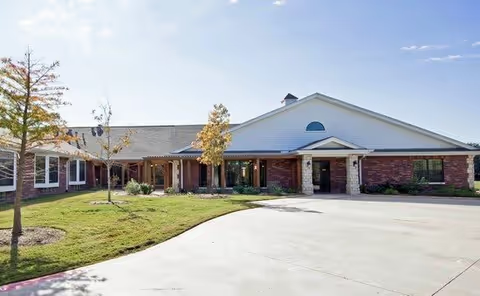
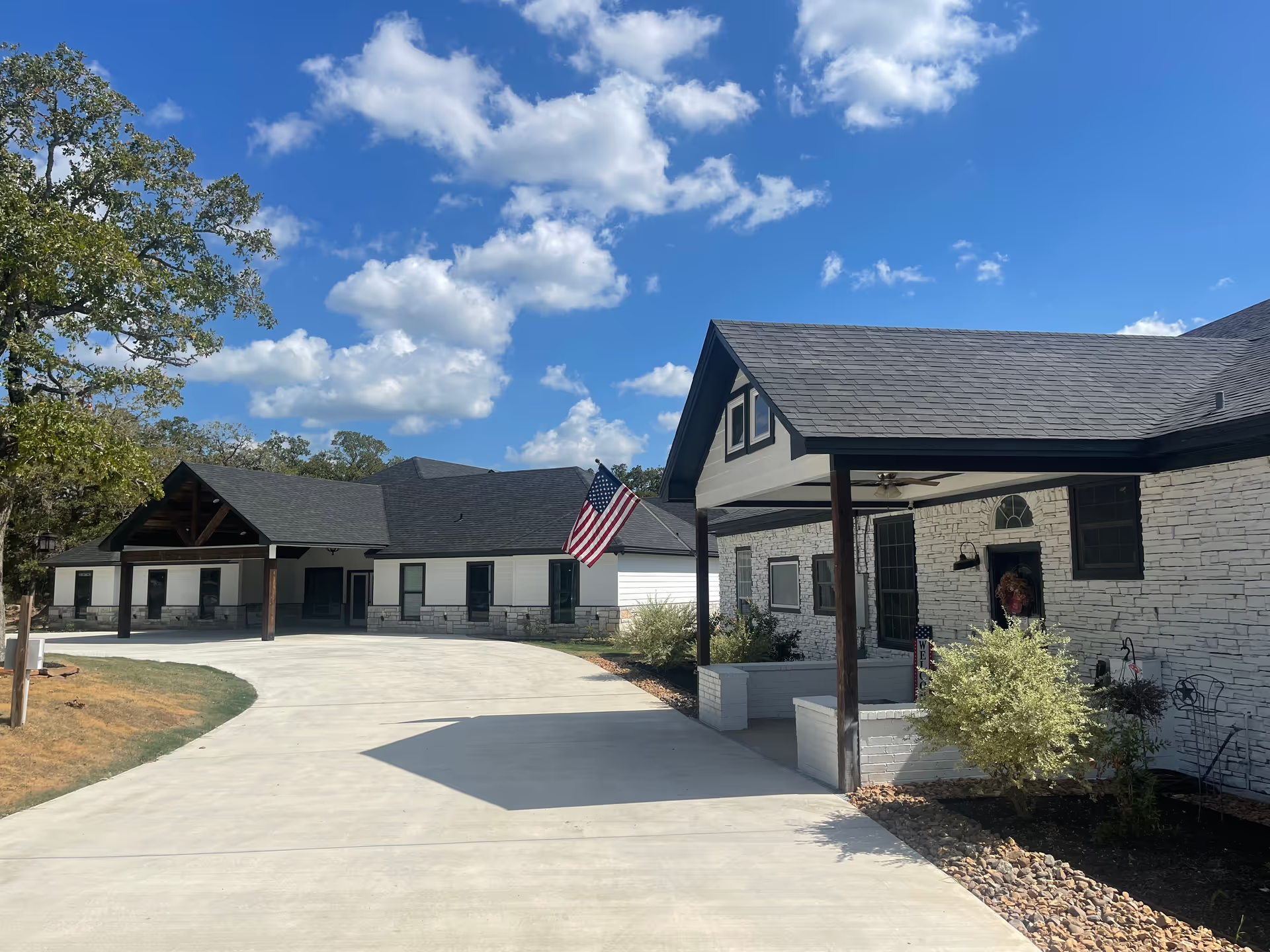
Overall impression: Isle at Watercrest Bryan is frequently described as a well-appointed, activity-rich senior living community with a strong clinical orientation. Many families and visitors emphasize compassionate frontline staff, skilled nursing coverage, and a robust Memory Support program. The property offers a wide range of amenities — from therapy and rehabilitation services to salon, library, piano room, multiple activity spaces and an open courtyard — that contribute to an engaged resident life and a resort-like atmosphere in many areas of the campus.
Care and staff: Clinical care capabilities are a consistent strength in the feedback. Reviewers highlight 24/7 nursing availability, competent handling of transfers (including two-person assists and Hoyer-lift proficiency), and structured diabetes management. Several accounts praise in-house physical therapy and personalized wellness programs that support functional improvement. At the same time, staffing instability and turnover are recurring operational concerns. Families describe intermittent delays in assistance and variable responsiveness during busy periods; these staffing patterns appear to be the primary driver behind many of the clinical-service inconsistencies noted.
Dining and housekeeping: Dining at the community receives mixed-to-strong marks. Many comments describe high-quality, farm-to-table style meals with multiple daily options, festive holiday menus, and a dignified dining atmosphere. Conversely, others note inconsistencies such as cold plates, smaller-than-expected portions, and occasional failure to honor special orders. Housekeeping and public-area maintenance are generally characterized as good — weekly room cleaning and tidy common spaces are common — but there are isolated sanitation and linen-management concerns that families should monitor when touring.
Activities and engagement: Activity programming is a prominent positive. The community offers a wide variety of social, cognitive, and therapeutic programs (including Montessori-inspired memory activities and VR-enhanced engagement), frequent outings, musical events, and organized social festivals. That said, activity frequency and off-site outings have been described as variable, with some accounts indicating reduced offerings when staffing or management changes occur. Activity outreach (staff approaching rooms to invite participation) and individualized programming are highlighted as beneficial practices.
Facilities and management: The physical campus ranges from newer, modern units to older, dated sections. Many reviewers praise the attractive lobby, spacious dining areas, and well-maintained outdoor space; others cite smaller or darker rooms, individual HVAC units, and occasional maintenance needs. Administrative leadership and specific staff members receive frequent commendation for clear communication and responsiveness; however, there are also documented concerns about billing transparency, point-based extra care charges, and isolated unresolved billing errors. Transportation logistics for off-site medical appointments have been flagged as unreliable in some instances, producing long waits for residents.
Notable patterns and recommendation: Strengths cluster around clinical competence, engaged staff, diverse programming, and amenity-rich facilities. Areas that merit attention during evaluation visits include staffing stability and response times, the consistency of meal service, linen and sanitation practices, billing clarity, and transportation arrangements. Prospective residents and families would benefit from asking targeted questions about current staffing ratios, sample menus and how special orders are handled, documented housekeeping schedules, how memory-support outcomes are measured, and exact fee structures for extra care. Overall, Isle at Watercrest Bryan appears to offer substantial clinical resources and an active lifestyle environment, but operational variability tied to staffing and administration has created mixed experiences for some families.