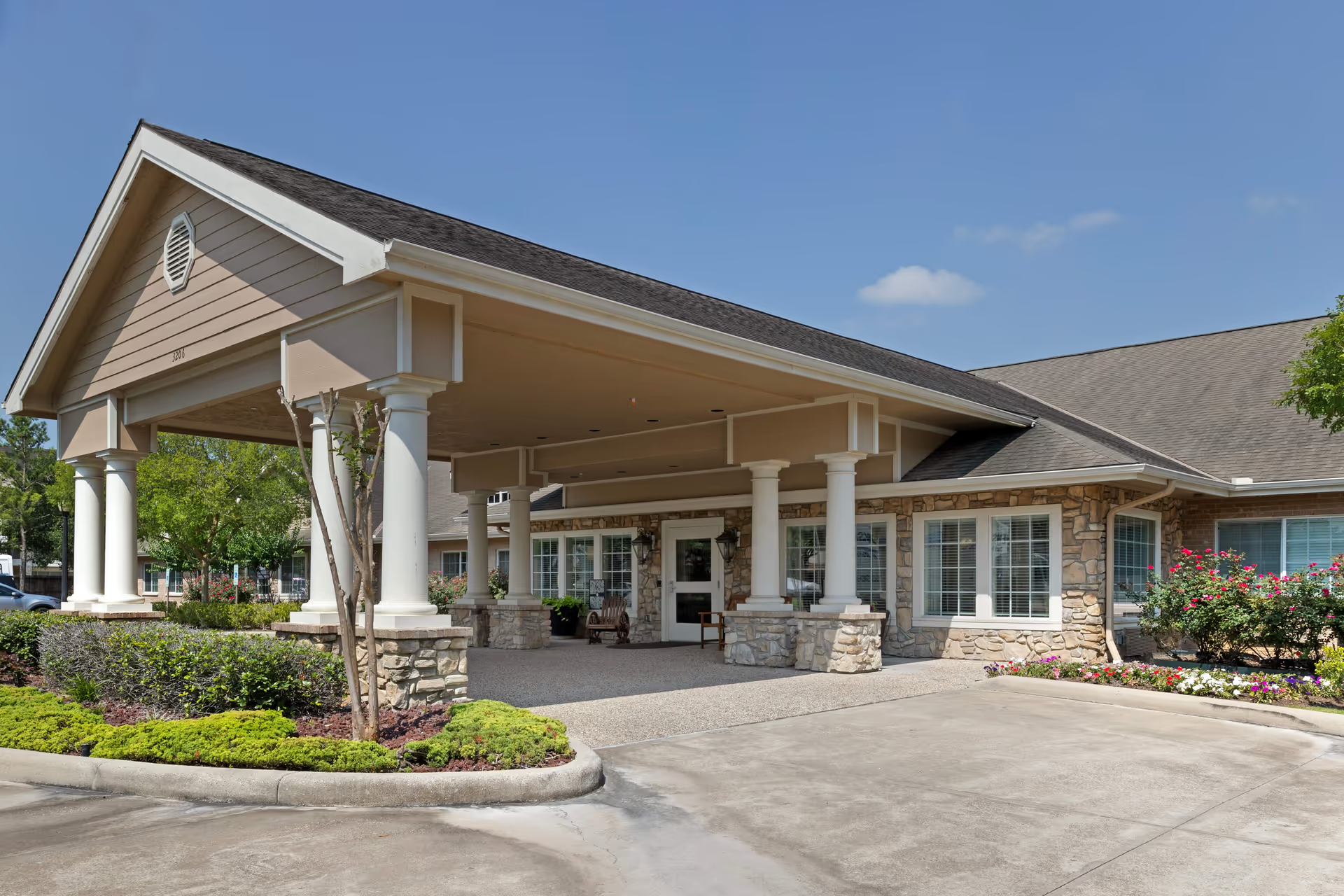
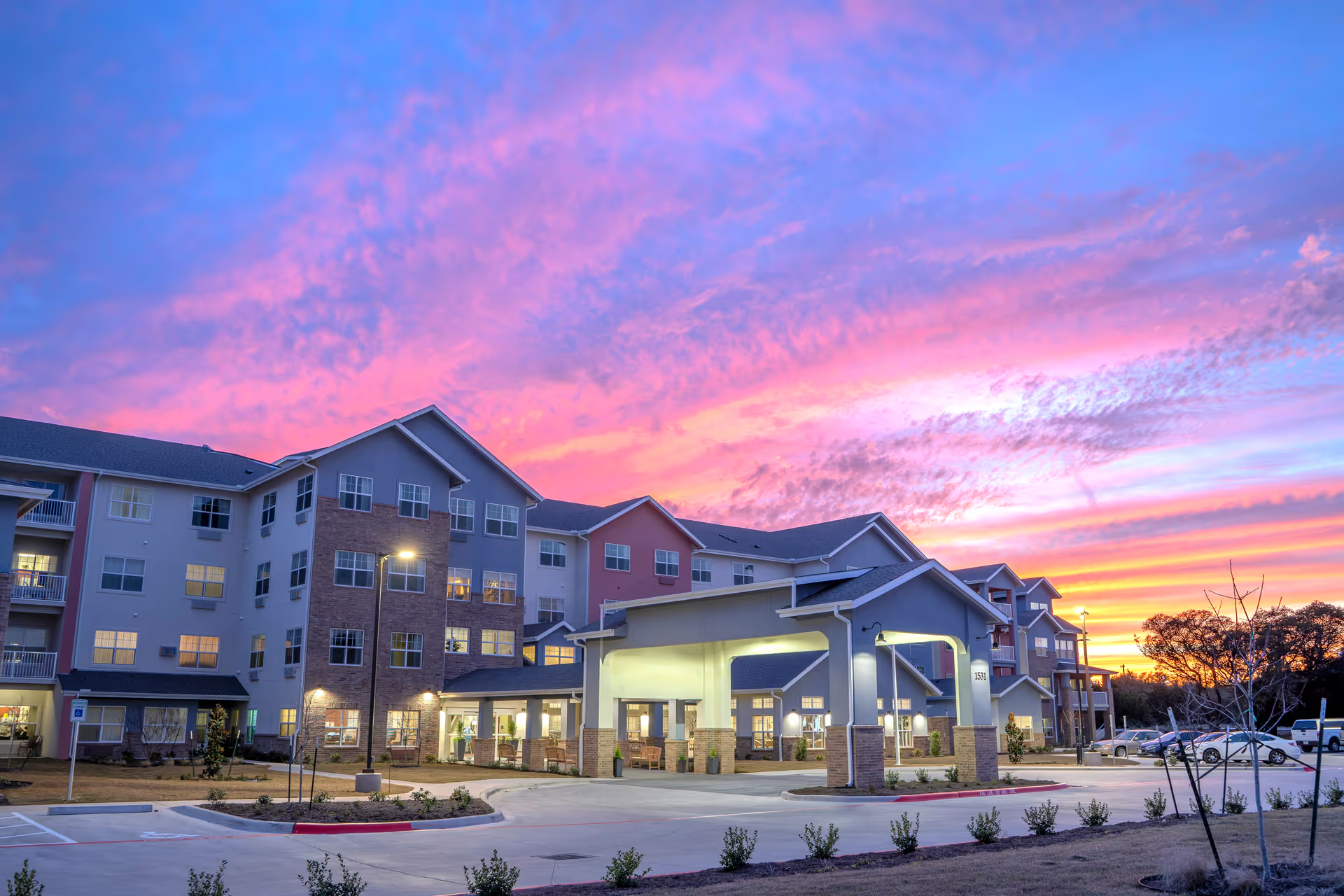
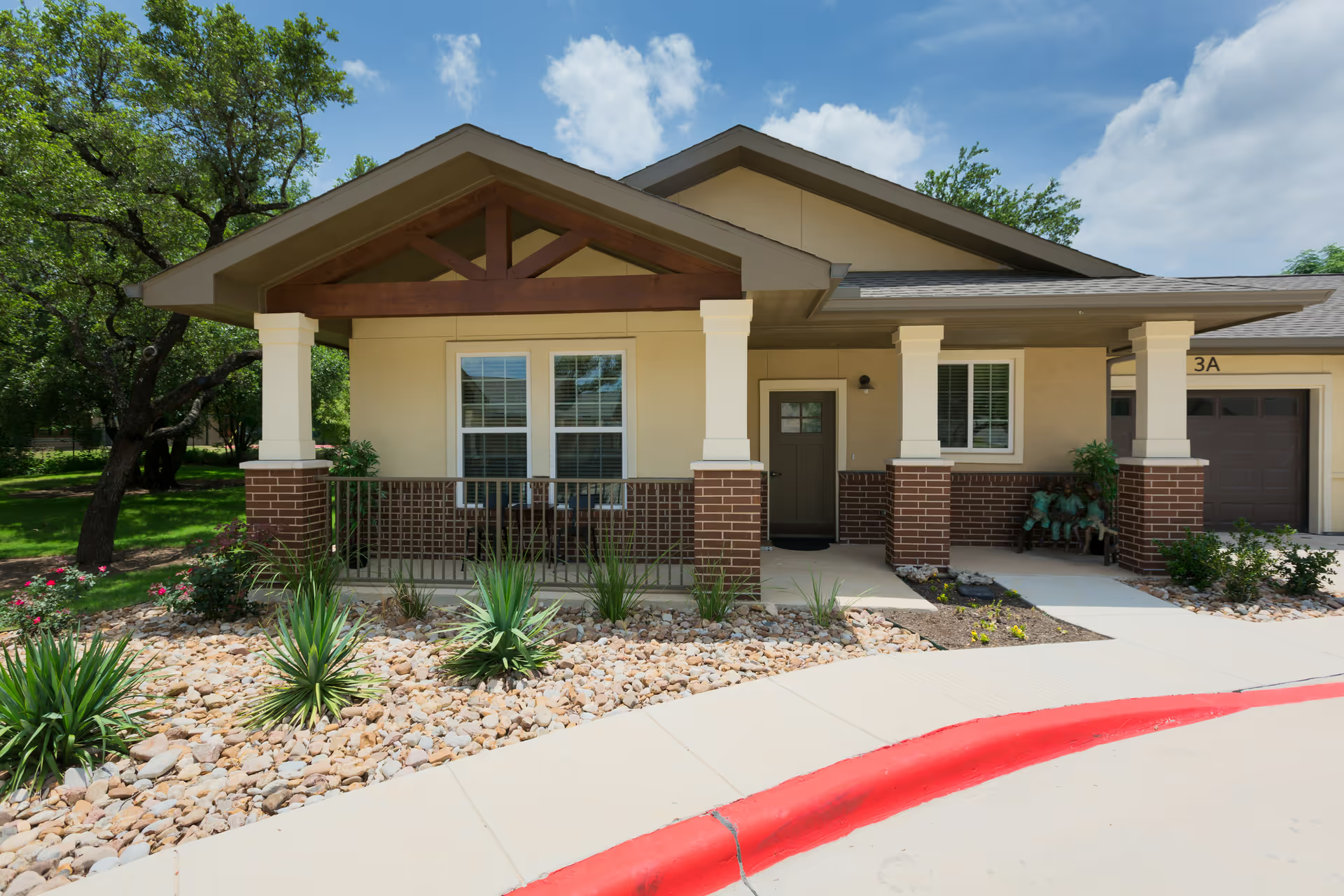
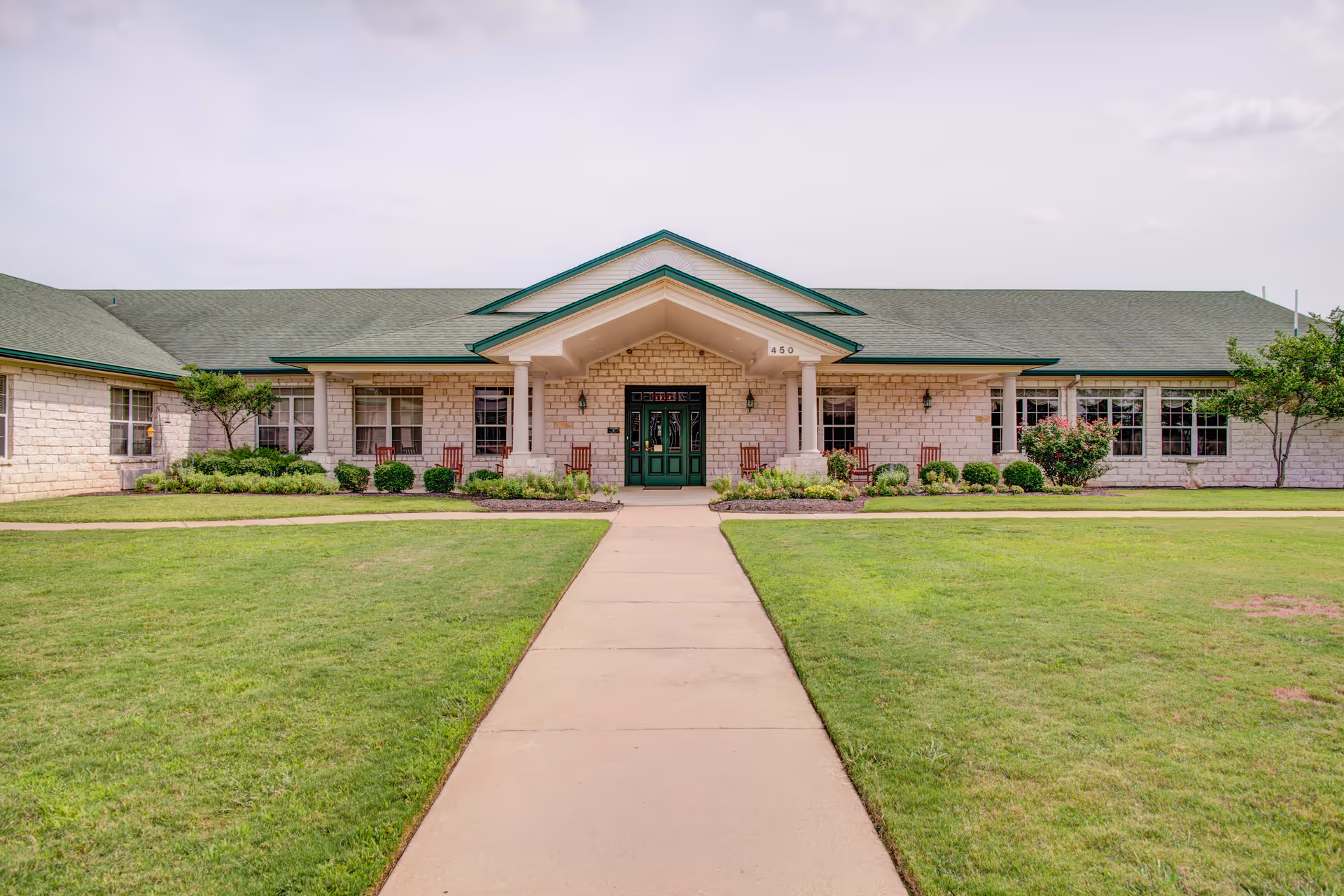
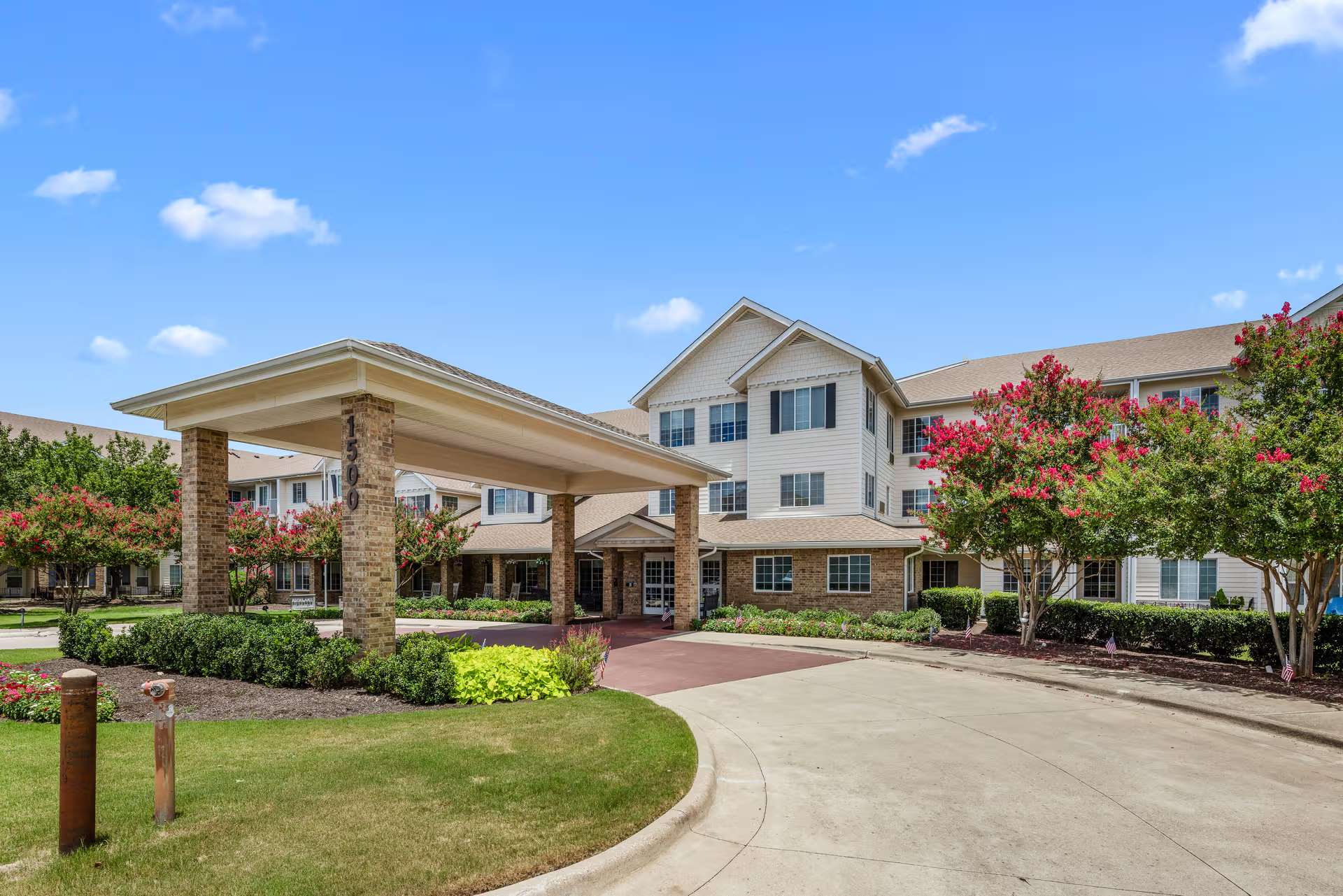
Overview: Isle at Cedar Ridge presents as a well-appointed, apartment-style senior community with a broad continuum of clinical services and a strong emphasis on resident engagement. Many families and visitors describe a clean, attractive environment with a range of living options, visible administrative leadership, and a therapy team capable of handling complex needs such as diabetes management, mobility-assist transfers, and memory-support care. The community offers numerous amenities — exercise facilities, a cafe, media rooms, landscaped grounds, and transportation for outings — and a robust activities calendar supported by experienced programming staff.
Care and clinical services: The facility is frequently noted for its clinical capabilities: 24-hour on-site nursing, a structured Memory Support program, and in-house rehabilitation (PT/OT/ST). Reviewers praised the clinical team's responsiveness to complex care needs, the availability of Hoyer lifts and two-person assist processes, and proactive medication-management practices in many cases. These strengths make the community appropriate for residents with higher-acuity needs or mobility limitations. However, several reviewers also described situations that point to operational gaps in clinical-incident response and family communication; families considering placement should ask the facility about incident protocols, transfer-safety practices, and examples of recent clinical quality audits.
Staff and management: A recurring theme is a compassionate, resident-focused staff culture: caregivers, activities personnel, front-desk staff, and visible leaders (nursing and administration) are frequently commended for building close relationships with residents and families. Conversely, staffing stability is a consistent concern — reviewers report high turnover among caregiver and nursing staff and periods of understaffing that have produced longer response times and uneven day-to-day coverage. Opinions about management are mixed: some describe accessible, accountable leadership while others raise concerns about transparency, staffing decisions tied to cost control, and occasional lapses in operational follow-through. Prospective families should inquire about current staffing ratios, retention initiatives, and how the leadership communicates staffing or operational changes to residents and families.
Dining and activities: Dining is one of the facility's standout features for many reviewers: restaurant-style offerings, farm-to-table menus, and multiple choices including specialized menus were cited as enhancing dignity and nutritional value. At the same time, there are reports of inconsistent meal-service execution — lost orders, unavailable menu items, and variability in how dietary restrictions are handled. The activities program is widely praised for its breadth and creativity (daily exercise, Montessori-style programming, VR/iN2L engagement, religious services, and frequent outings). For many residents the social calendar is a key strength; for others who prefer quieter routines, activity volume and variety may be less relevant.
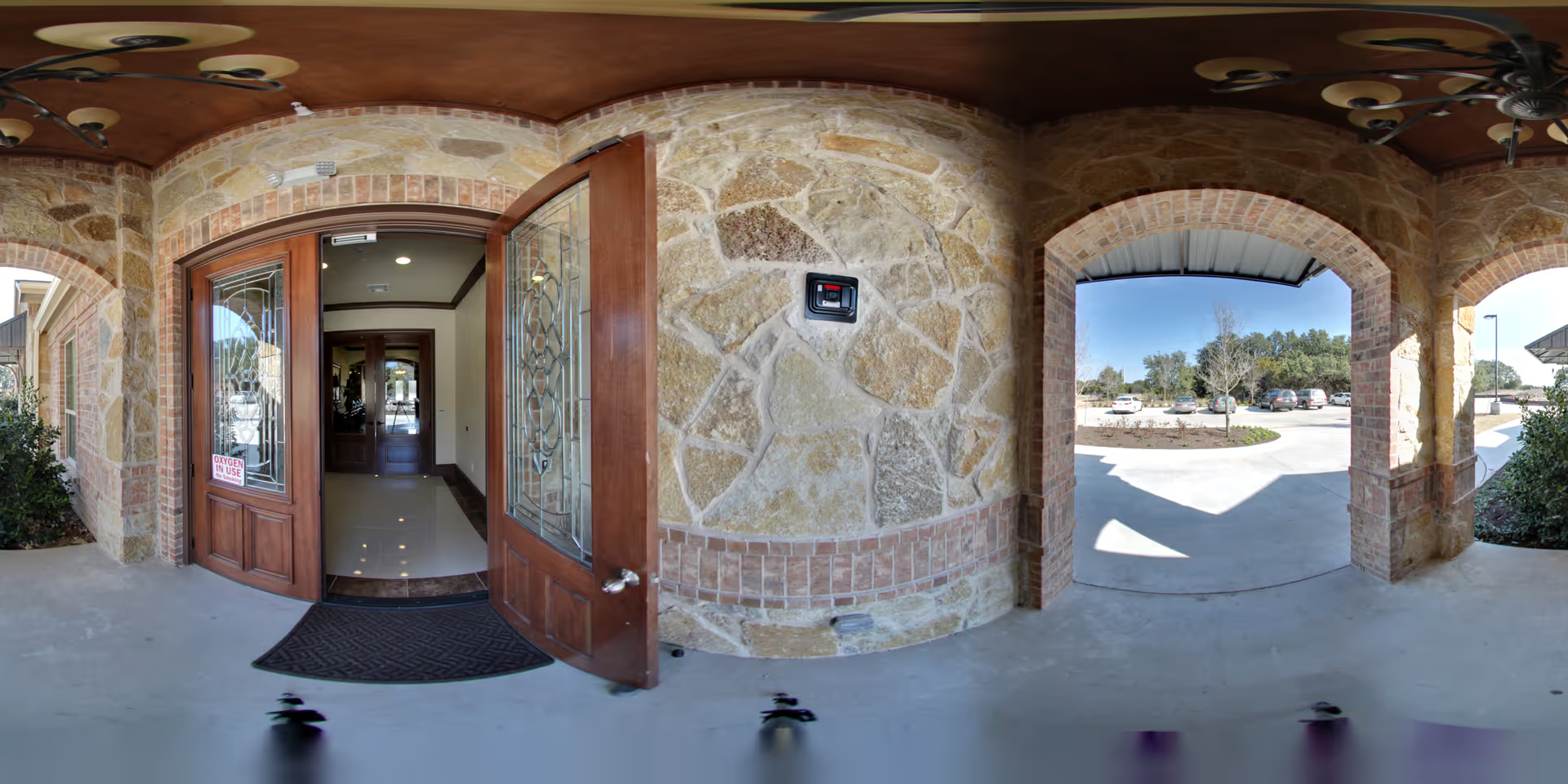
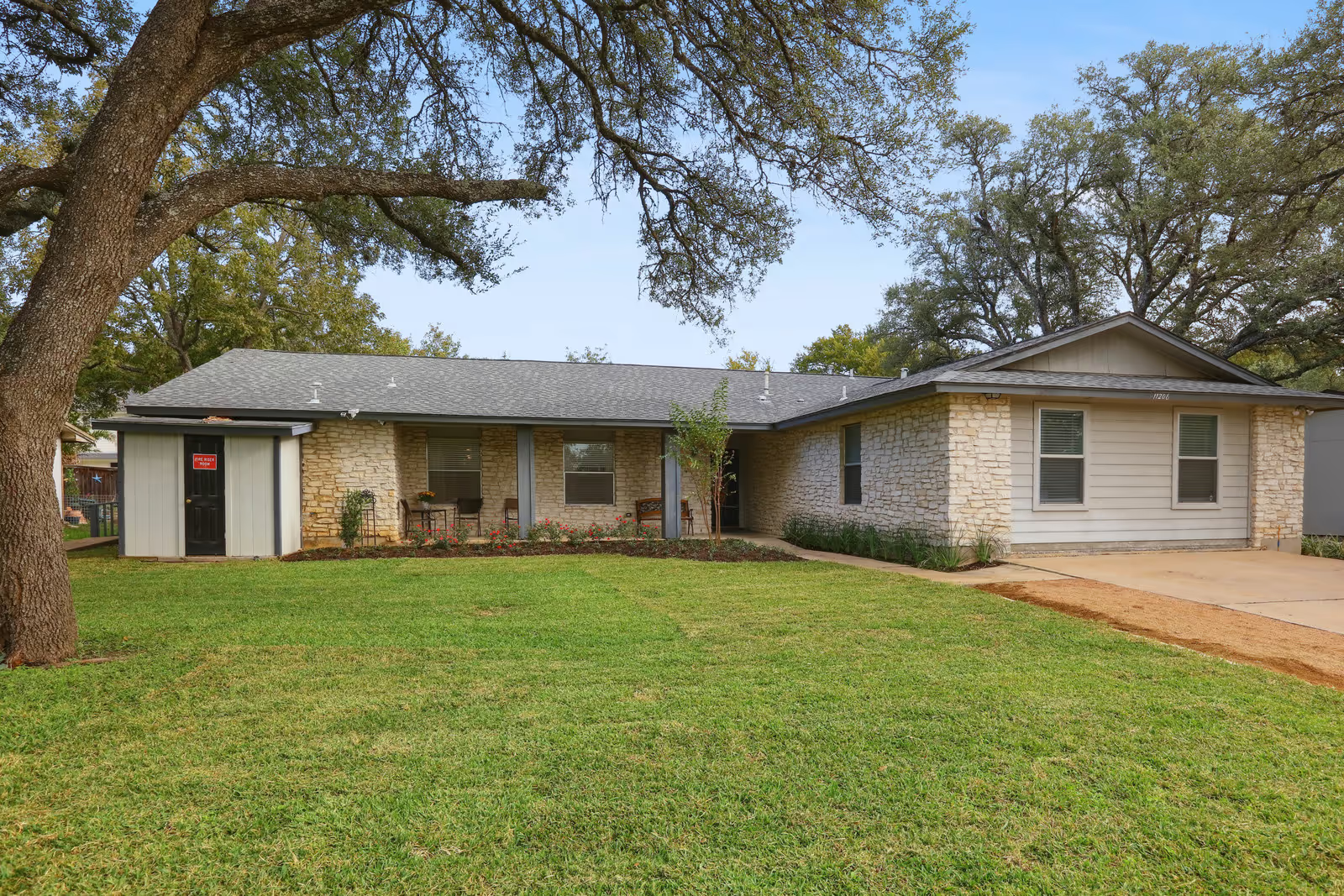
Facilities and operations: The physical environment is generally described as clean, well-landscaped, and comfortably furnished, with several reviewers likening parts of the community to a spa environment. Unit sizes and layouts vary; some residents appreciate roomy one-bedroom units with kitchenettes while others note smaller or unusually configured two-bedroom units and limited natural light in parts of the building. Maintenance and comfort have mixed reports — most praise housekeeping and general cleanliness, but some reviewers describe intermittent maintenance issues (air conditioning, lighting) and limited resident internet/connectivity options.
Notable patterns and considerations for families: Overall impressions are polarized: many families describe a warm, clinically capable community that improved quality of life, while a subset report operational shortfalls significant enough to prompt moves elsewhere. The most consistent areas to probe during a visit are staffing levels and turnover, average caregiver response times, shift-to-shift communication processes (including medication reconciliation), how the dining team manages special diets, and the facility's clinical-incident response policies. If complex medical or mobility needs are present, verify the availability and training around Hoyer lifts, two-person assists, diabetic protocols, and on-call clinical leadership.
Bottom line: Isle at Cedar Ridge offers strong clinical programming, a robust activities schedule, and a high-quality dining and amenity experience for many residents. At the same time, operational traits such as variable staffing stability, communication gaps, and occasional maintenance/dining execution problems are recurring themes that warrant direct inquiry. Families should conduct an in-person tour, request current staffing and quality measures, sample a meal, and discuss specific care protocols to determine whether the facility’s strengths align with a prospective resident’s priorities and clinical needs.