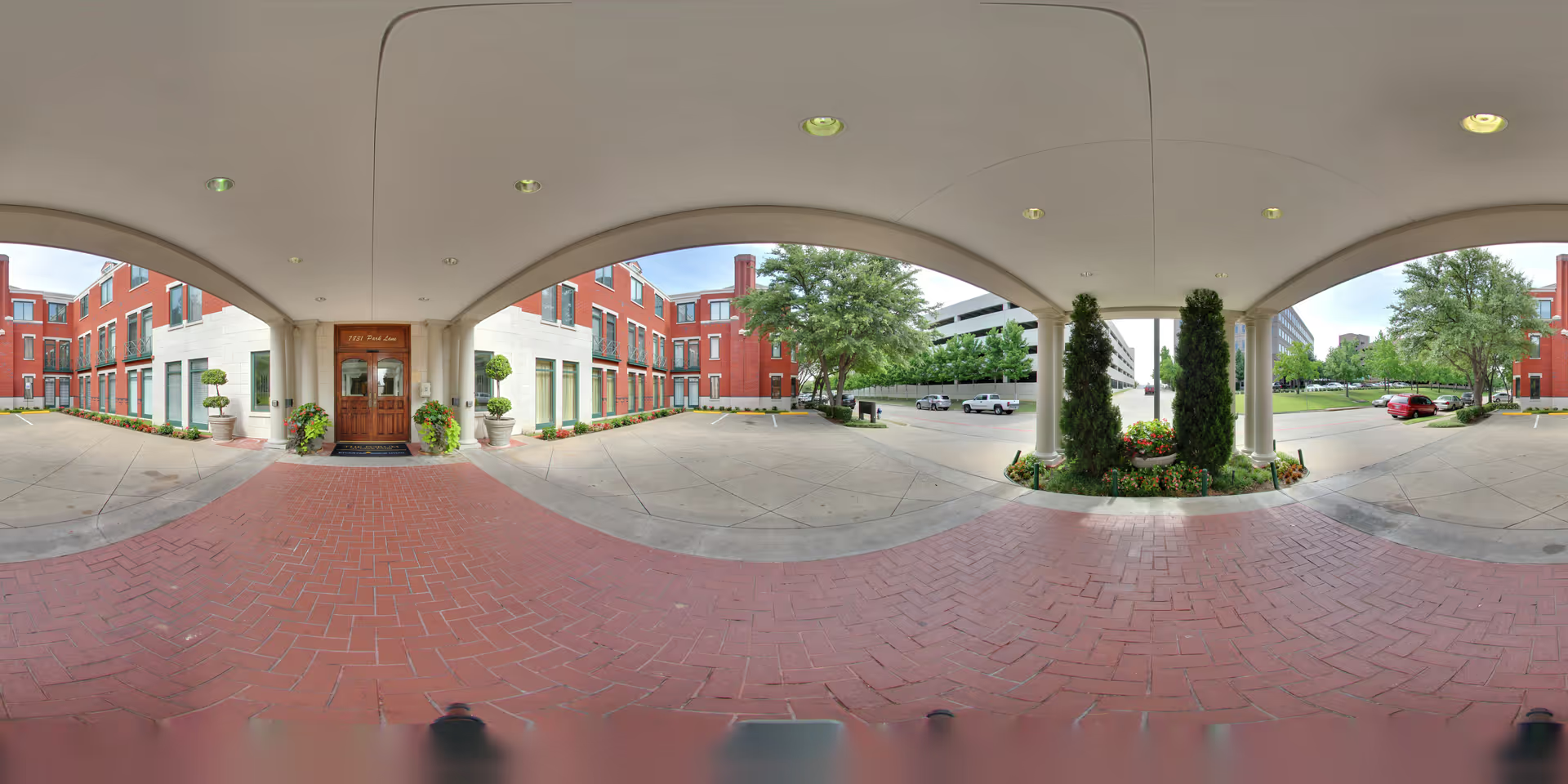
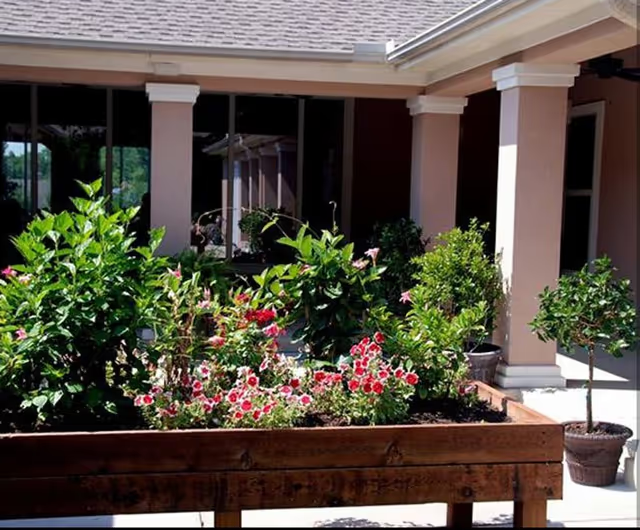
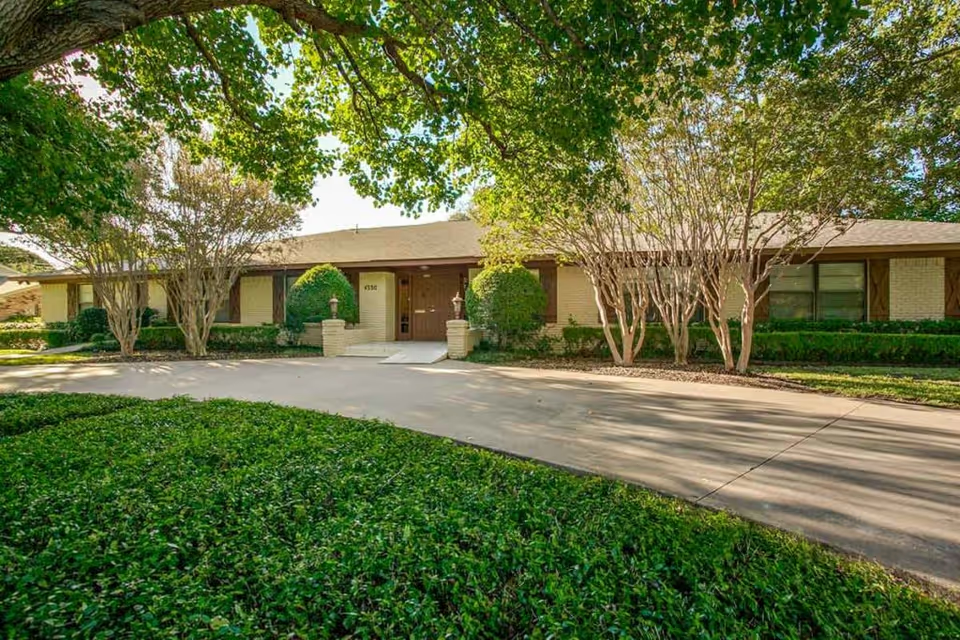
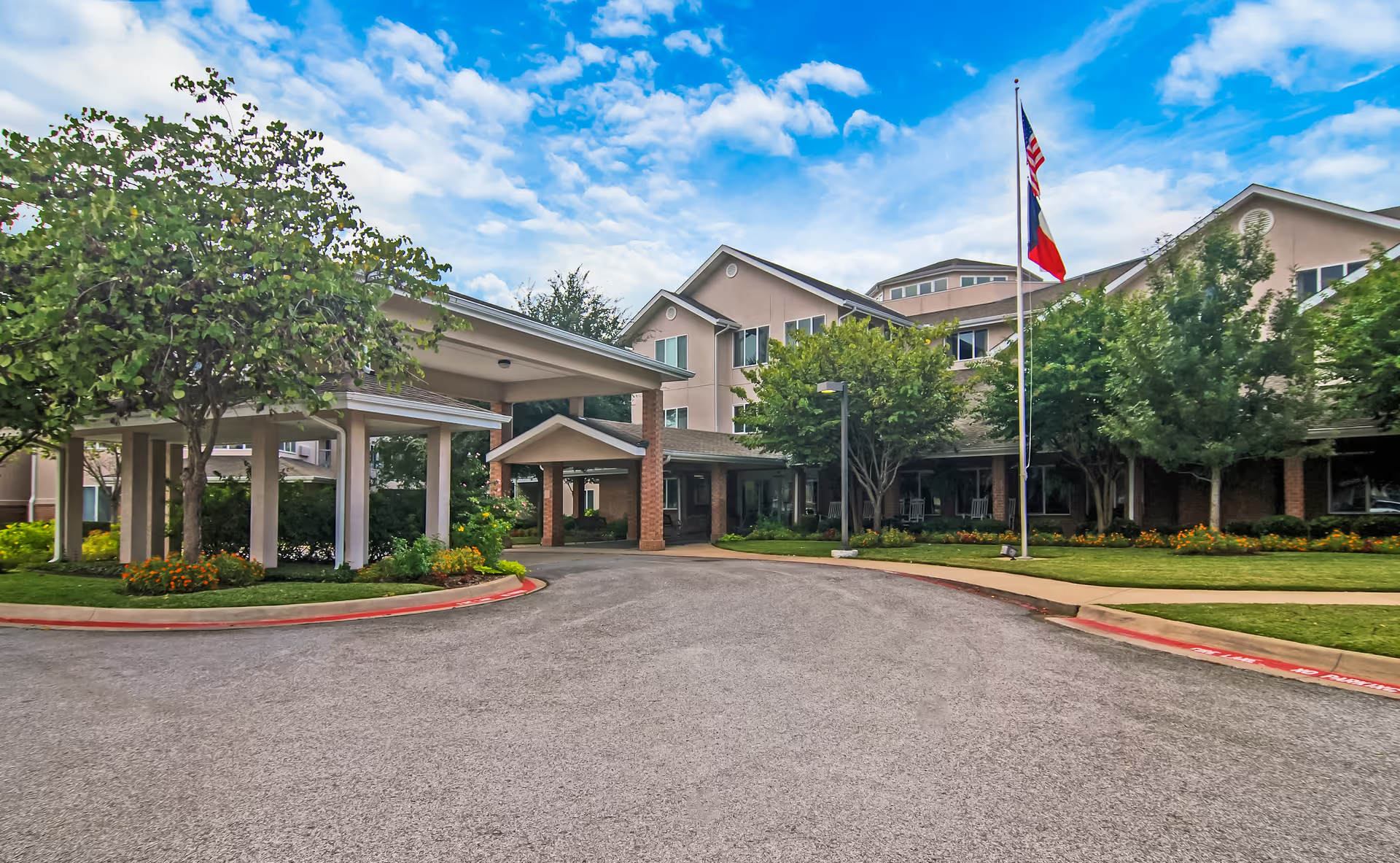
Caruth Haven Court presents as a well-appointed, small-to-midsize assisted-living community with many strengths in environment, amenities, and social programming. Multiple observations highlight attractive décor, clean and landscaped grounds, updated common spaces, and a cozy, resident-centered atmosphere. The facility offers a range of on-site services—salon/beauty parlor, chapel, game rooms, physical therapy, and an in-house physician model—that support convenience and continuity for residents. The dining areas are frequently described as formal and pleasant, with many families noting varied menus and meal choice options.
Clinical and caregiving strengths are prominent in many accounts: staff are often characterized as compassionate, knowledgeable, and long-tenured, and families praise proactive clinical coordination, medication support, and the facility’s memory-care programming. Administrators and specific leaders receive repeated positive mention for responsiveness and pandemic-era family communication. The activity program is robust on many days, including organized outings (movies, malls, weekly field trips), social events (ice cream socials, happy hours), and routine group activities (bingo, bridge, book club), which together contribute to a strong sense of community.
However, there are clear and recurring operational concerns that prospective families should evaluate. Care quality appears inconsistent: while some residents receive attentive, timely nursing and dedicated hands-on support, others experienced delays in medication delivery, gaps in in-room care or weekly cleaning, and difficulties when needs escalated beyond assisted-living scope. Staffing levels and shift-to-shift variation are cited as contributing factors; this community may manage well for residents with lower to moderate assistance needs but shows limitations for higher-acuity cases. Housekeeping and maintenance responsiveness also vary, with specific references to room-level cleanliness and delayed repairs.
Financial and management patterns warrant particular scrutiny. Several accounts describe unexpected or high additional charges and limited clarity around billing; there are also accounts of escalated disputes that families found distressing. Communication from management is often praised, but intermittent lapses are also reported—especially around clinical issues, billing, and when transitions to higher levels of care are needed. Dining quality is generally viewed positively, though a subset of comments notes variability or recent decline in meal healthfulness and consistency.
Taken together, Caruth Haven Court offers many attributes families typically seek—attractive facilities, active programming, on-site clinical services, and a small-community feel—but shows notable variability in operational reliability. Prospective residents and their families should assess fit by asking specific questions about staffing ratios, medication administration processes, housekeeping schedules, extra-fee policies, and the facility’s capacity for residents with increasing care needs. Observing mealtime, touring private apartments, and meeting the clinical and leadership team on different shifts can help determine whether the facility’s strengths align with an individual resident’s care profile and expectations.