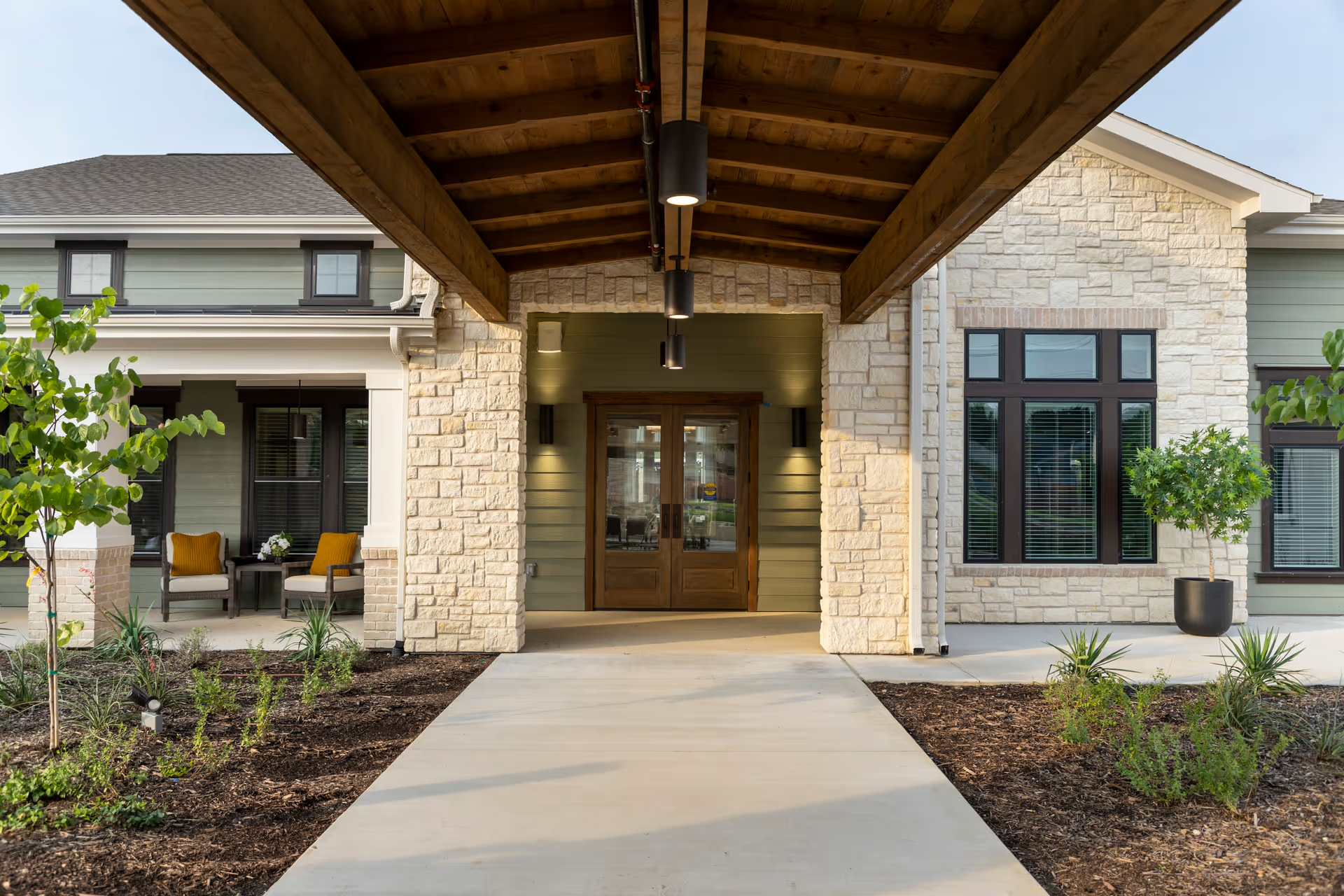
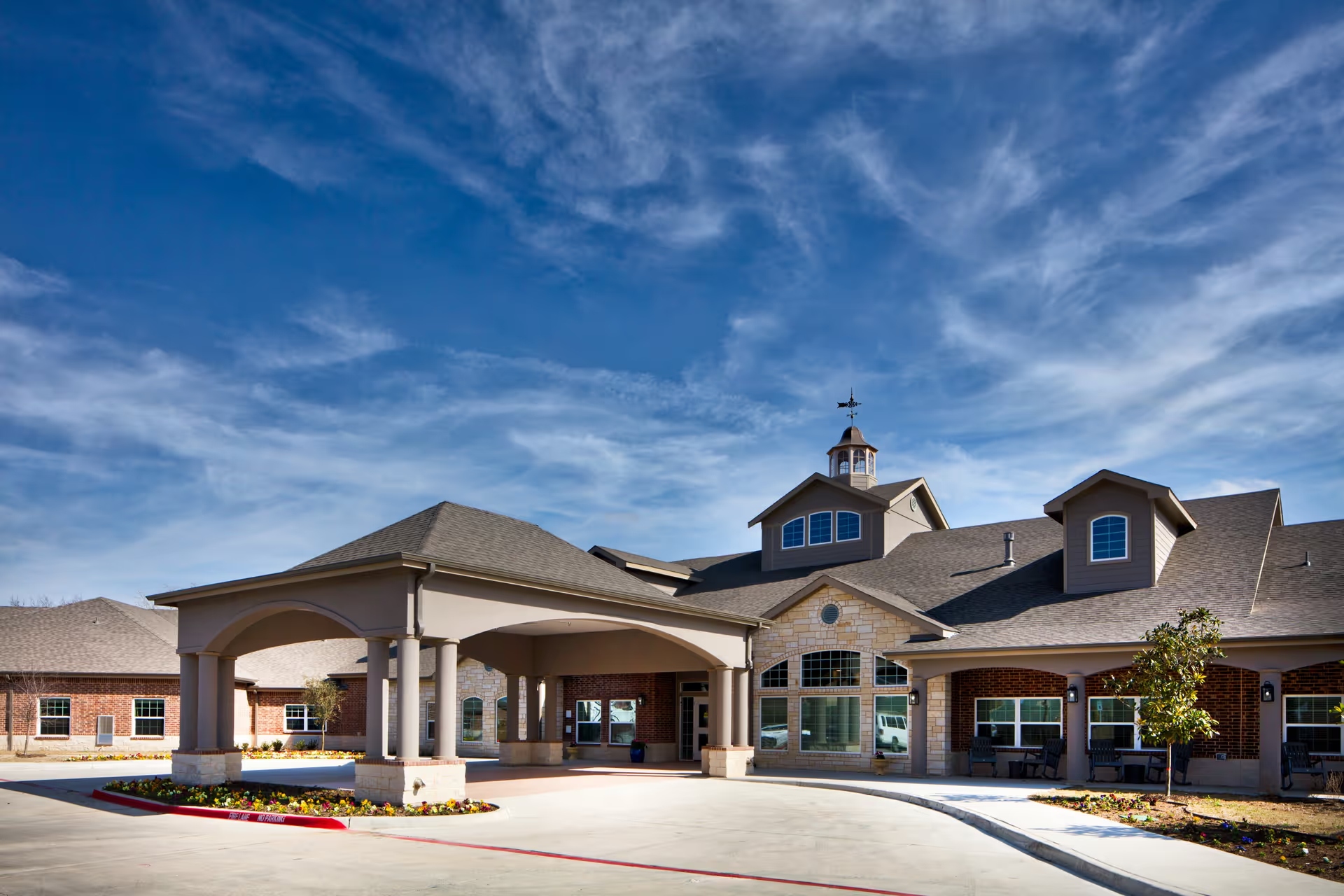
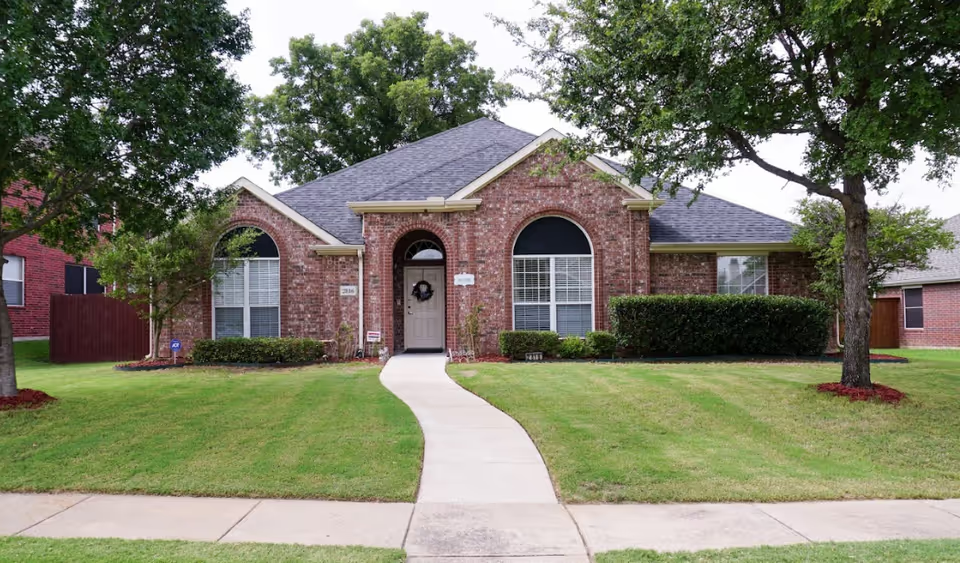
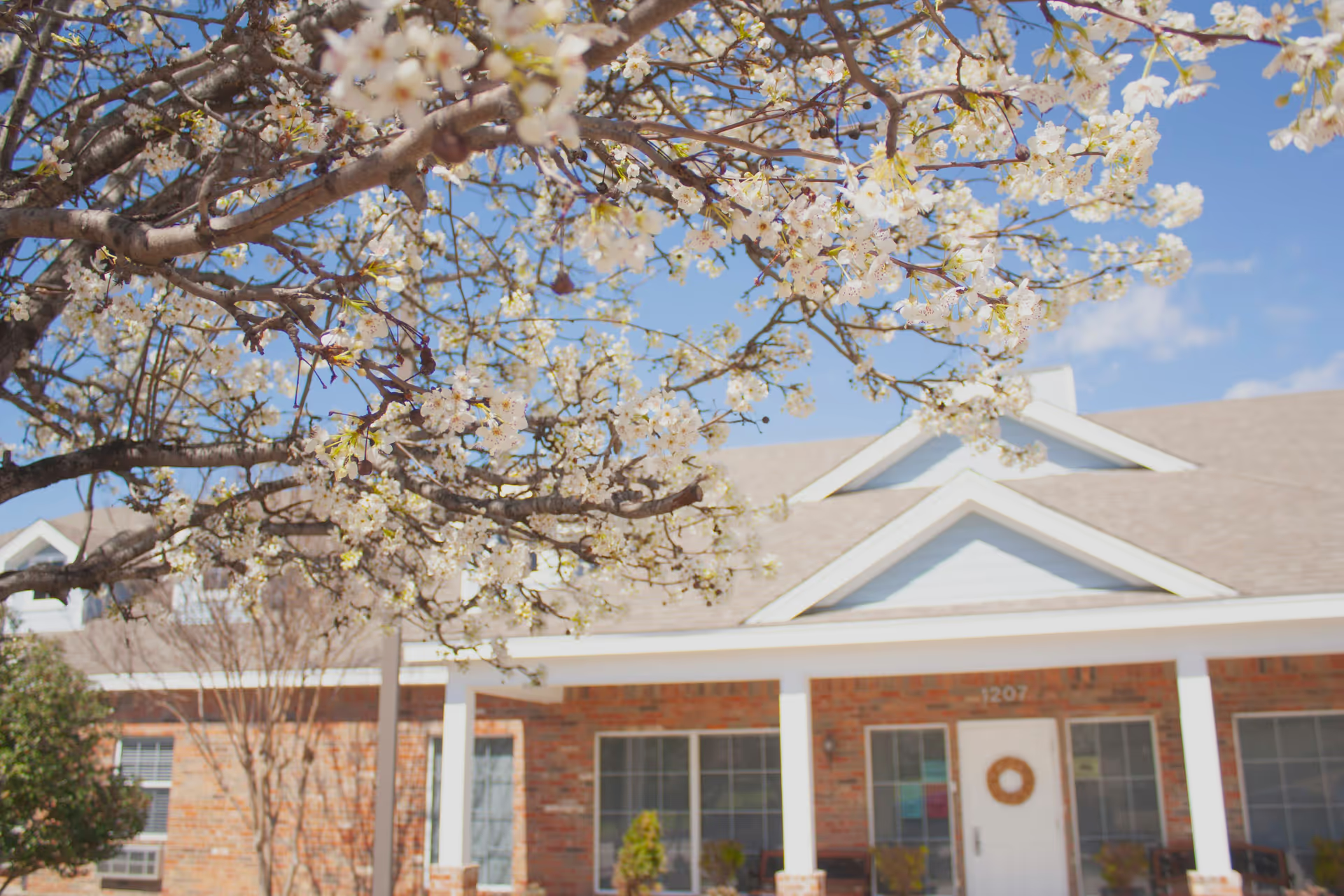
Overall impression Mayberry Gardens presents as a cluster of small, home-like cottages with well-kept grounds, a family-style atmosphere, and a focus on social programming and home-cooked meals. Many families describe warm, compassionate caregivers, private rooms (often with ensuite bathrooms), accessible porches and outdoor space, and active engagement opportunities such as bingo, music, and holiday events. For residents who primarily need assistance with daily living tasks, medication reminders, light housekeeping, and social engagement, the setting and culture are frequently described as positive and reassuring.
Care quality and clinical oversight Feedback about clinical care is mixed and appears to vary by unit and over time. Positive accounts emphasize individualized attention, timely medication assistance, and supportive end-of-life coordination with hospice. However, other accounts raise serious operational concerns: inconsistent staffing levels, medication-administration lapses, and examples of medication given without documented checks. These issues point to gaps in clinical oversight and protocols. The facility does not consistently present as a higher-acuity clinical provider — several reviews specifically note the absence of around-the-clock nursing and recommend that residents with significant medical needs consider a higher-level care setting.
Memory care and safety Memory-care experiences are notably uneven. While some families praised caring memory-care staff and appropriate programming, others described insufficient supervision, supervision lapses that increased fall risk, and staff training shortfalls in dementia-specific care. These patterns suggest variability in memory-care staffing, supervision practices, and training — an area that prospective families should assess closely during a visit and inquiring directly about staff-to-resident ratios, training curricula, and fall-prevention protocols.
Staff, management, and communication Many reviews single out individual staff and managers positively, naming house managers and specific caregivers as strengths and reliable points of contact. Conversely, other families reported challenges with management responsiveness, inconsistent communication about changes in condition, and a perception of declining oversight after ownership or staffing changes. Rent and fee changes (including at least one noted unit-level increase) and occasional staffing reorganization were flagged as sources of family concern. Prospective families should clarify escalation pathways, points of contact, and formal communication policies before admission.
Dining, activities, and facilities Dining and activities are recurrent strengths: home-style cooked meals, varied menus, and an activity calendar with games, music, and seasonal events are commonly appreciated. That said, some reviews describe intermittent kitchen or service disruptions and occasional variability in food quality. Facility-level maintenance issues were noted in some accounts — primarily HVAC/temperature-control limitations (locked thermostats or uncomfortable unit temperatures) and sporadic housekeeping or sanitation inconsistencies. Room sizes are generally described as modest; some units lack in-room showers and have shared bathing facilities across the hall.
Notable patterns and guidance for families The pattern across reviews suggests a facility that can offer a warm, community-oriented experience for residents with low-to-moderate care needs, especially those who benefit from social engagement and a home-like environment. At the same time, there are recurring operational weaknesses — staffing instability, medication-management gaps, memory-care supervision variability, communication shortfalls, and certain maintenance/housekeeping inconsistencies — that raise caution for families considering Mayberry Gardens for higher-dependency residents.
If you are evaluating this facility, recommended areas to verify in person include current staffing ratios (day, evening, and weekend), medication administration protocols and documentation (including glucose checks for insulin), memory-care staffing and training, housekeeping and sanitation schedules, HVAC/temperature control policies, recent ownership or management changes, and formal procedures for reporting missing belongings or financial concerns. Asking for recent inspection reports, staffing rosters, and references from families currently using the specific cottage you would consider can help clarify whether the operational strengths or the concerns best reflect current practice.