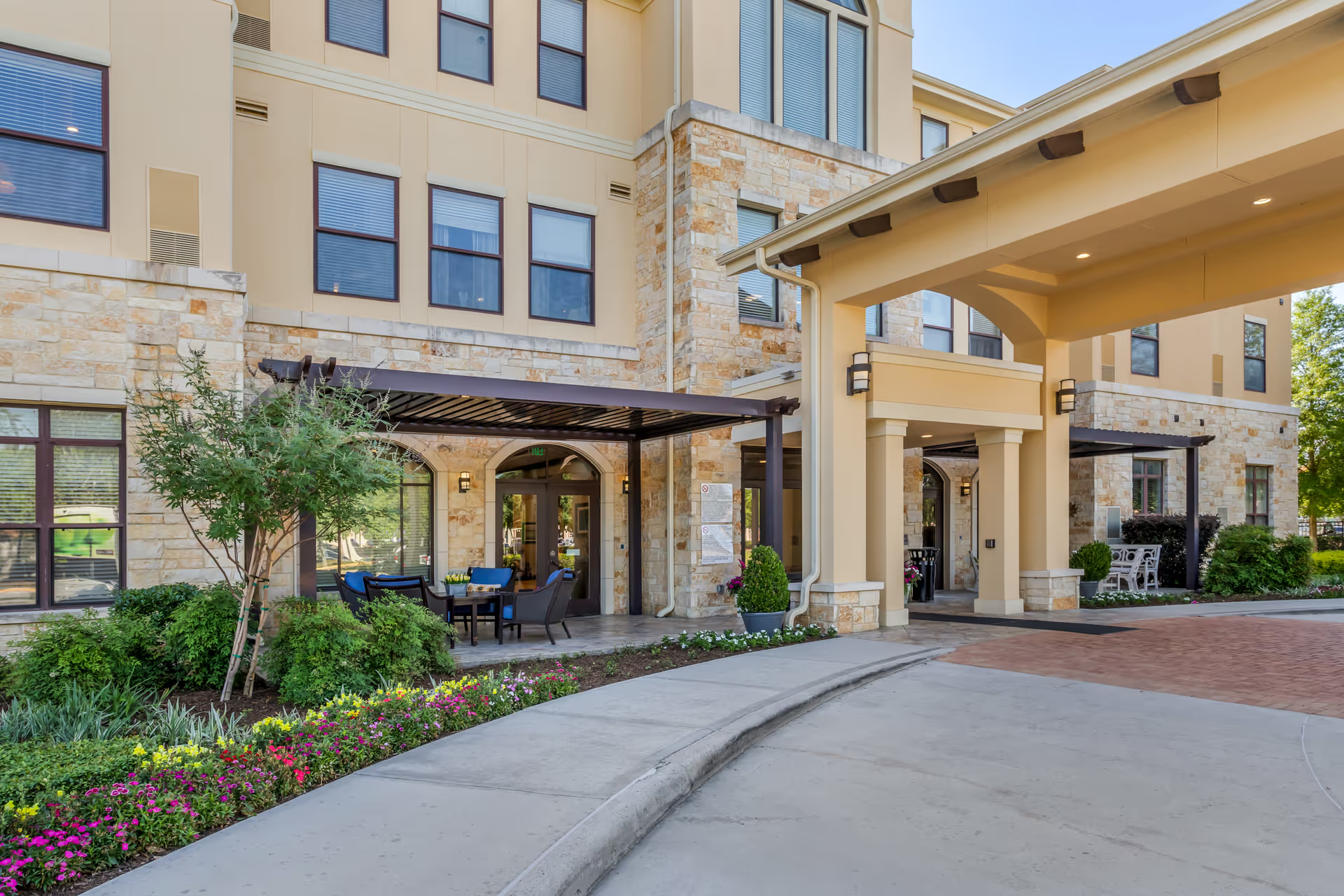
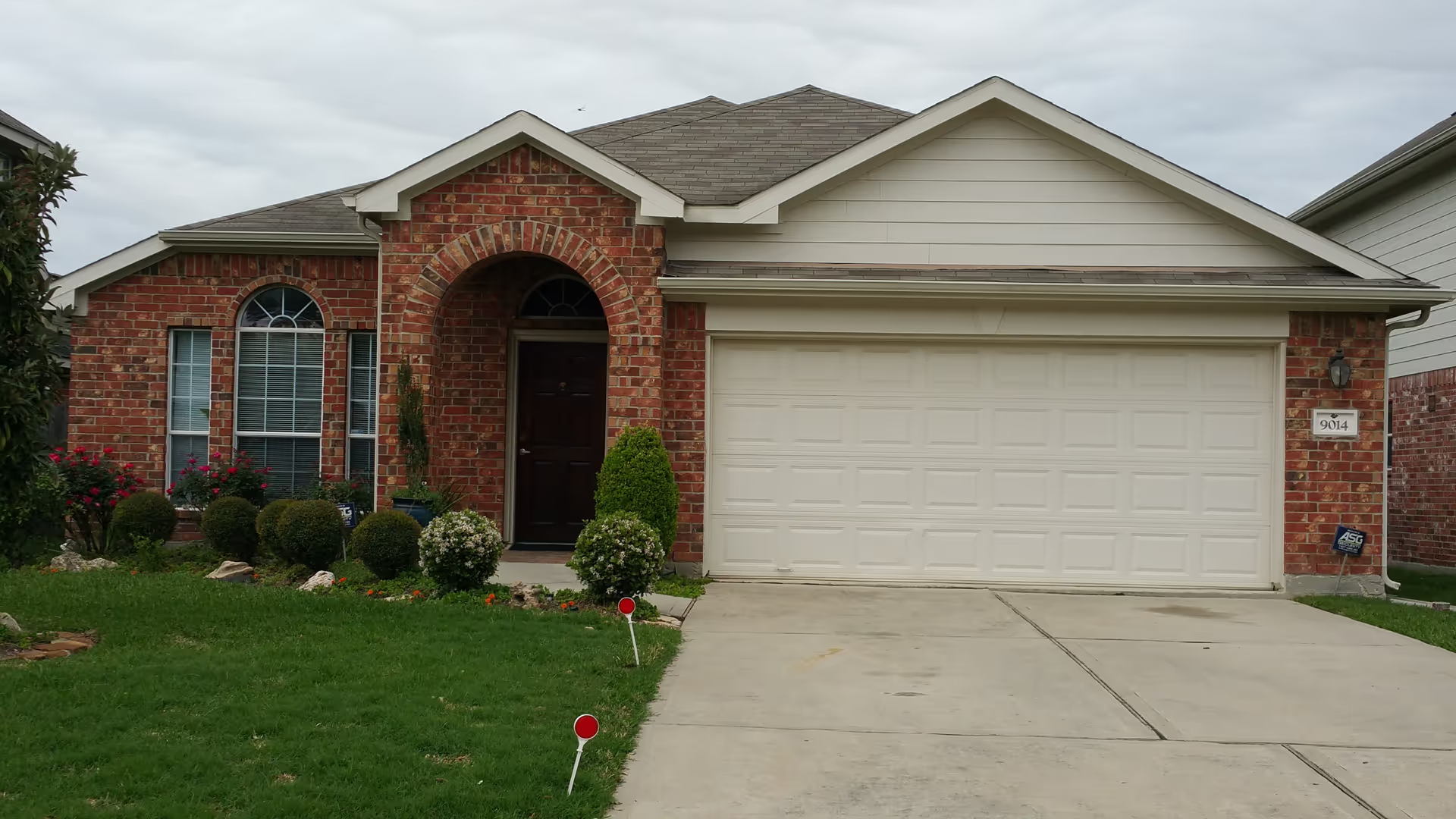
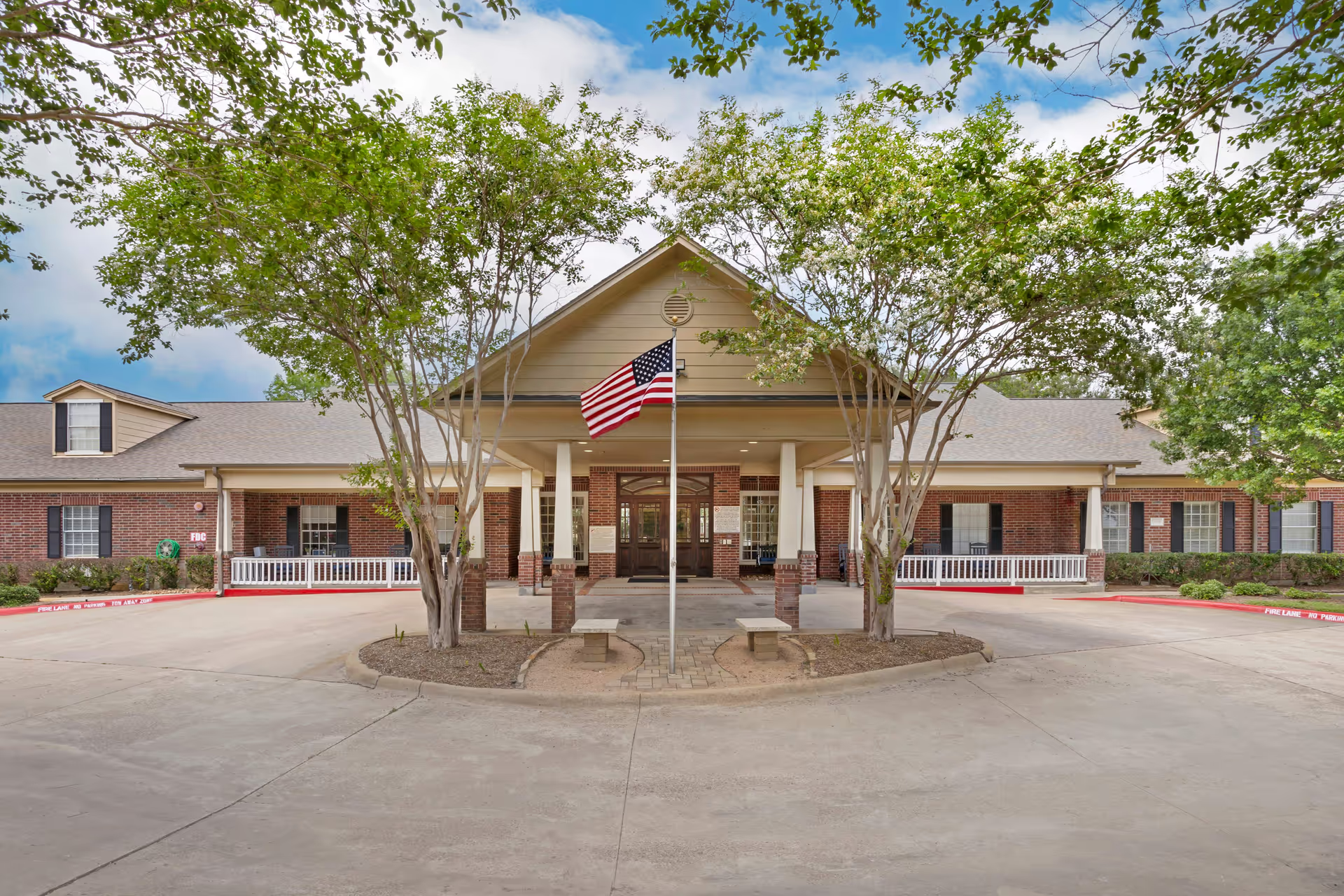
North Houston Transitional Care presents a mixed profile with consistent strengths in rehabilitation and facility amenities alongside recurring operational concerns. The therapy department (physical and occupational therapy) is a clear institutional strength: reviewers repeatedly cite measurable functional gains, an active therapy gym, and therapists who are engaged and goal‑driven. Many families credit the rehab teams with returning residents to independent mobility and improved activities of daily living. The building and common spaces are frequently described as clean, modern, and well‑equipped, with private rooms, in‑room entertainment, and a comfortable therapy environment that supports short‑term recovery goals.
Staffing and direct care quality are variable. Numerous accounts praise individual nurses, CNAs, and front‑desk personnel for compassionate, attentive care; some named staff and leaders receive strong commendations. At the same time, a sizeable set of reviews describe inconsistent performance across shifts, high nurse‑to‑patient ratios, and limited continuity due to turnover. Operationally, this translates to delayed responses to call systems, irregular assistance with personal care tasks, and differences in the quality of bedside nursing from one shift to another. Social‑work support and admissions coordination are frequently helpful, particularly for discharge planning, though family communication is uneven in practice.
Clinical-safety and care‑management themes emerge repeatedly. Medication administration and timing inconsistencies, gaps in wound‑care expertise, and lapses in following clinical orders are recurring concerns that families raise. There are examples of escalated issues such as transfers for higher‑level care and formal complaints; reviewers also reference problems with documentation and with adherence to physician or hospice orders. Infection‑control adherence and supply availability (for example, hand‑sanitizer and basic supplies) are identified inconsistently across stays, and weekend staffing patterns are often described as a weaker period for clinical responsiveness.
Dining and ancillary services are similarly uneven. Some reviewers praise generous, tasty meals and dietary accommodations; others describe cold, poorly prepared, or incorrect meals and inconsistent access to water or ice. Housekeeping and facility maintenance receive mostly positive comments for cleanliness and presentation, though there are intermittent sanitation and incontinence‑care concerns reported that point to variability in daily care processes.
Management and administrative performance present a mixed impression. Several families report responsive administrators who correct problems and coordinate transitions well. Conversely, others describe delays in follow‑up, billing disputes, difficulties obtaining forms, and pressure around consent/arbitration paperwork. A small subset of reviews references serious allegations concerning financial handling and consent; these have led in some cases to formal complaints or external escalation. When issues are addressed promptly by leadership, reviewers note improved outcomes; when not, the same operational weaknesses tend to recur.
Overall pattern: the facility offers a strong rehabilitation program and attractive physical environment that support positive short‑term recovery for many residents. However, persistent operational weaknesses — principally inconsistent nursing staffing and competence, medication and wound‑care management gaps, uneven communication with families, and variable dining/service reliability — create variability in the resident experience. Prospective residents and families should weigh the demonstrated strengths in therapy and facility quality against the documented variability in direct nursing care, and consider asking targeted questions about current staffing ratios, weekend coverage, medication‑administration protocols, wound‑care capabilities, and recent complaint resolution during the tour and admission process.