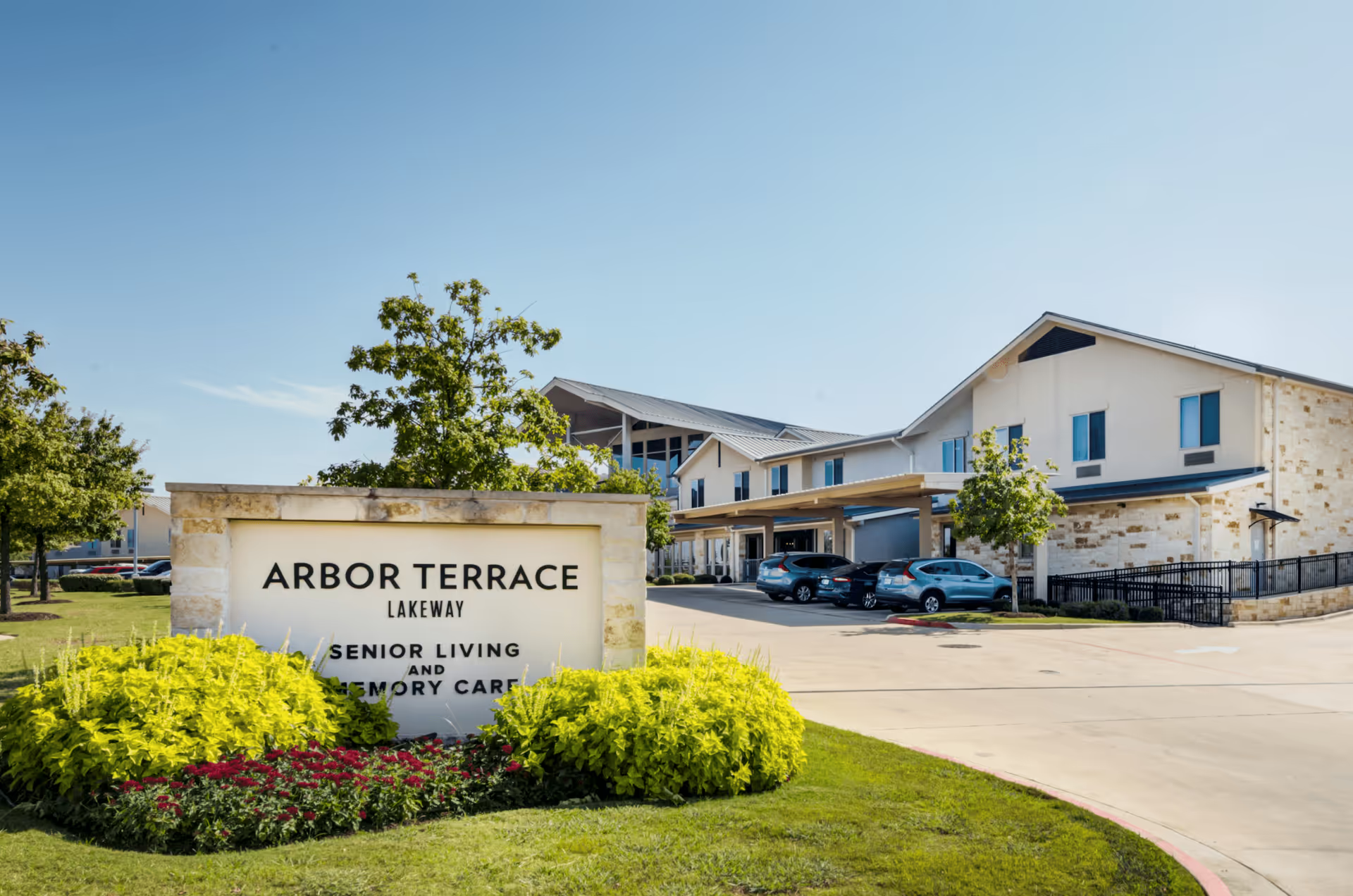
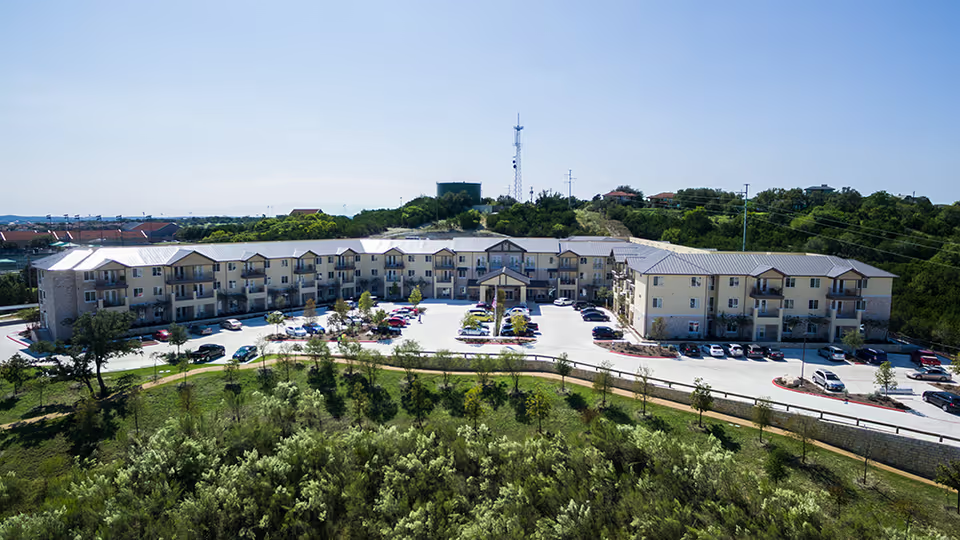
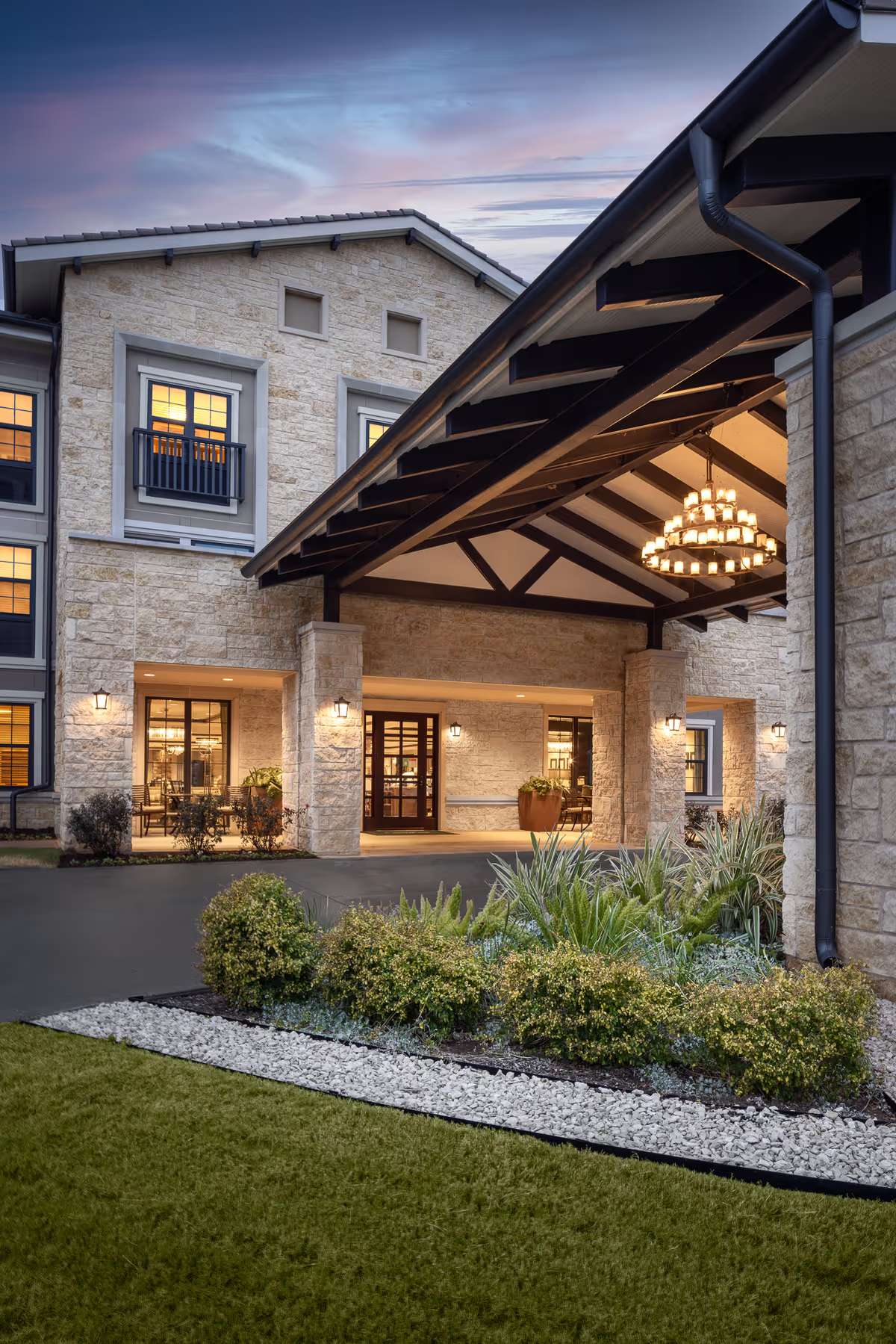
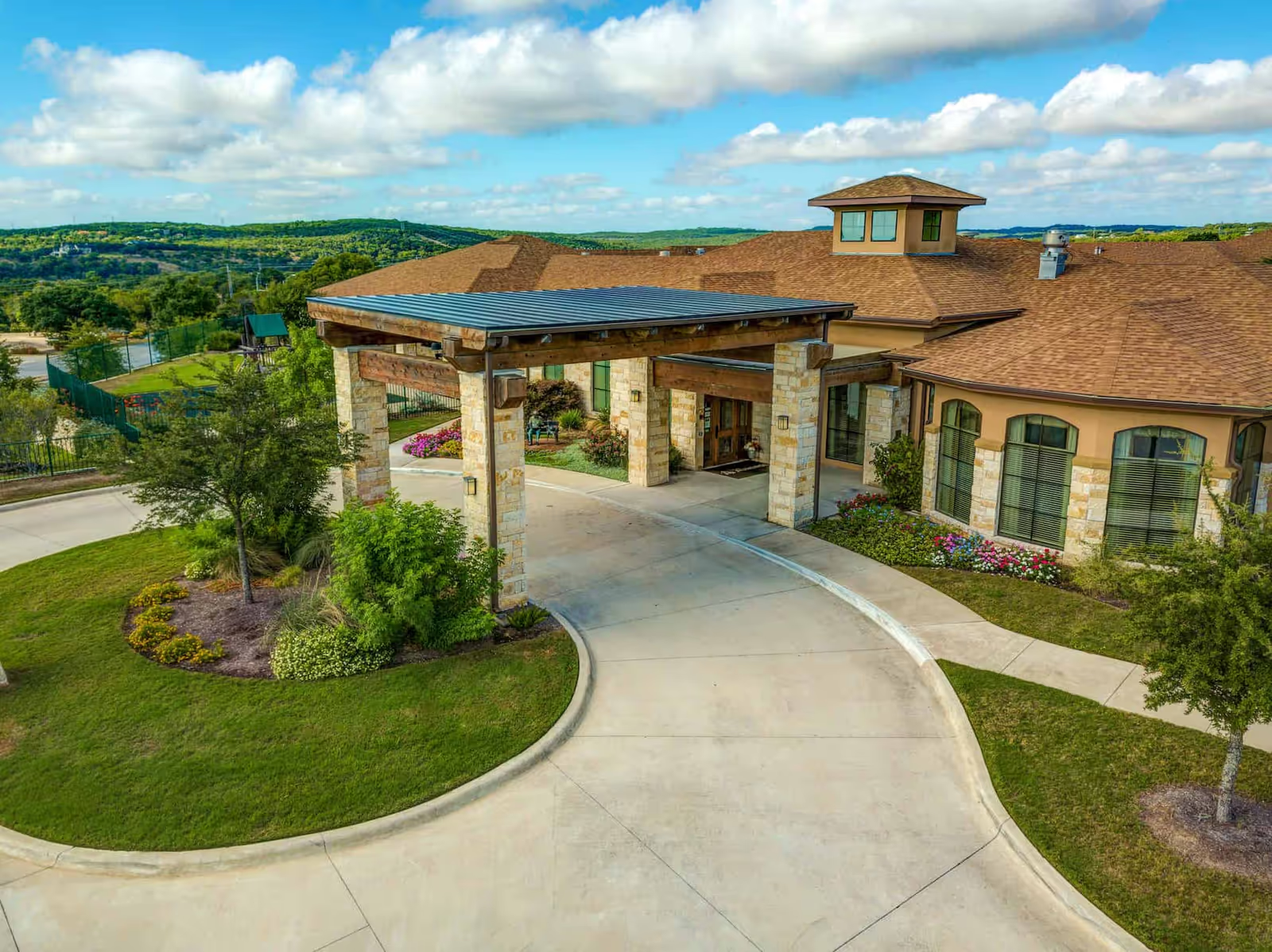
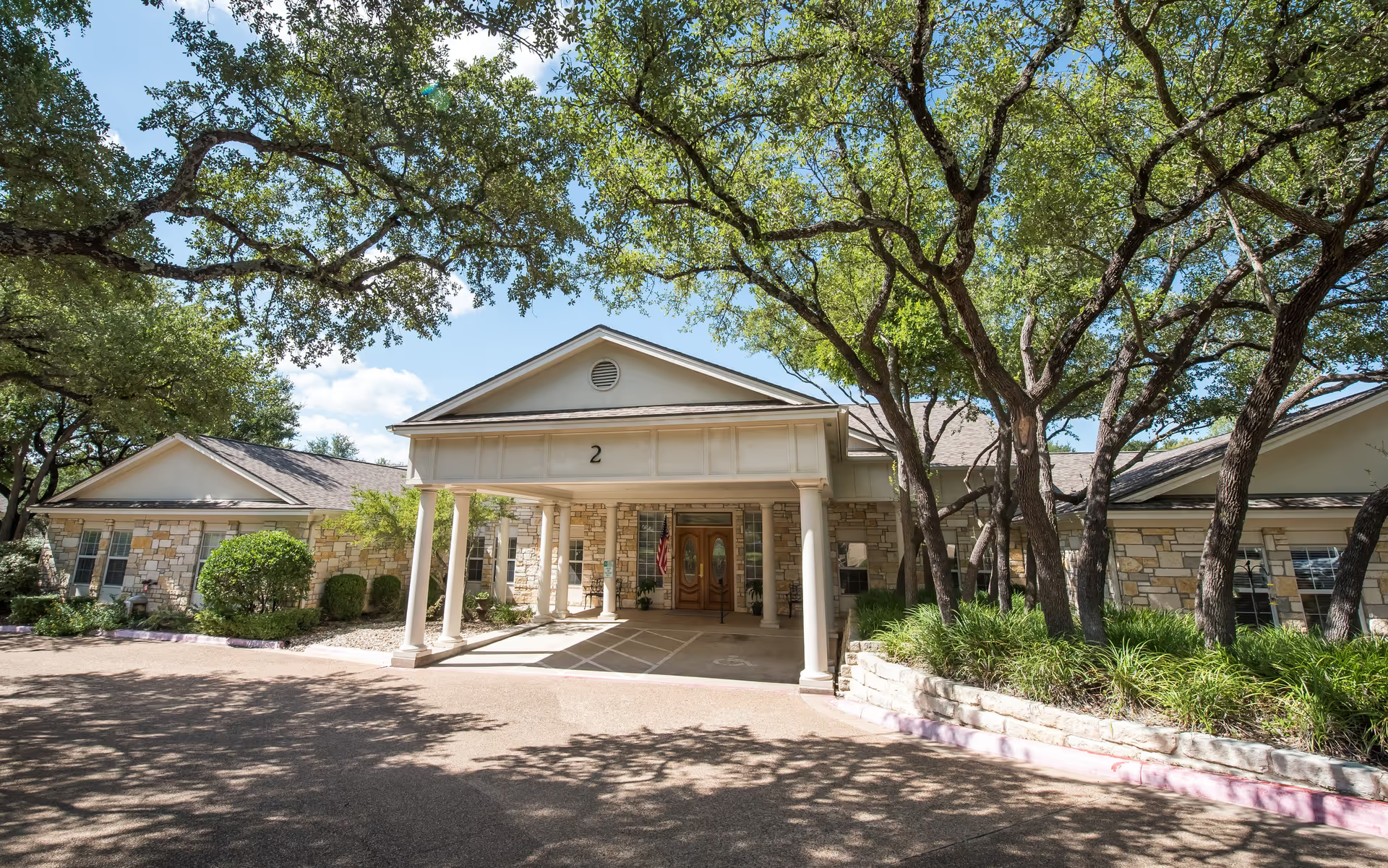
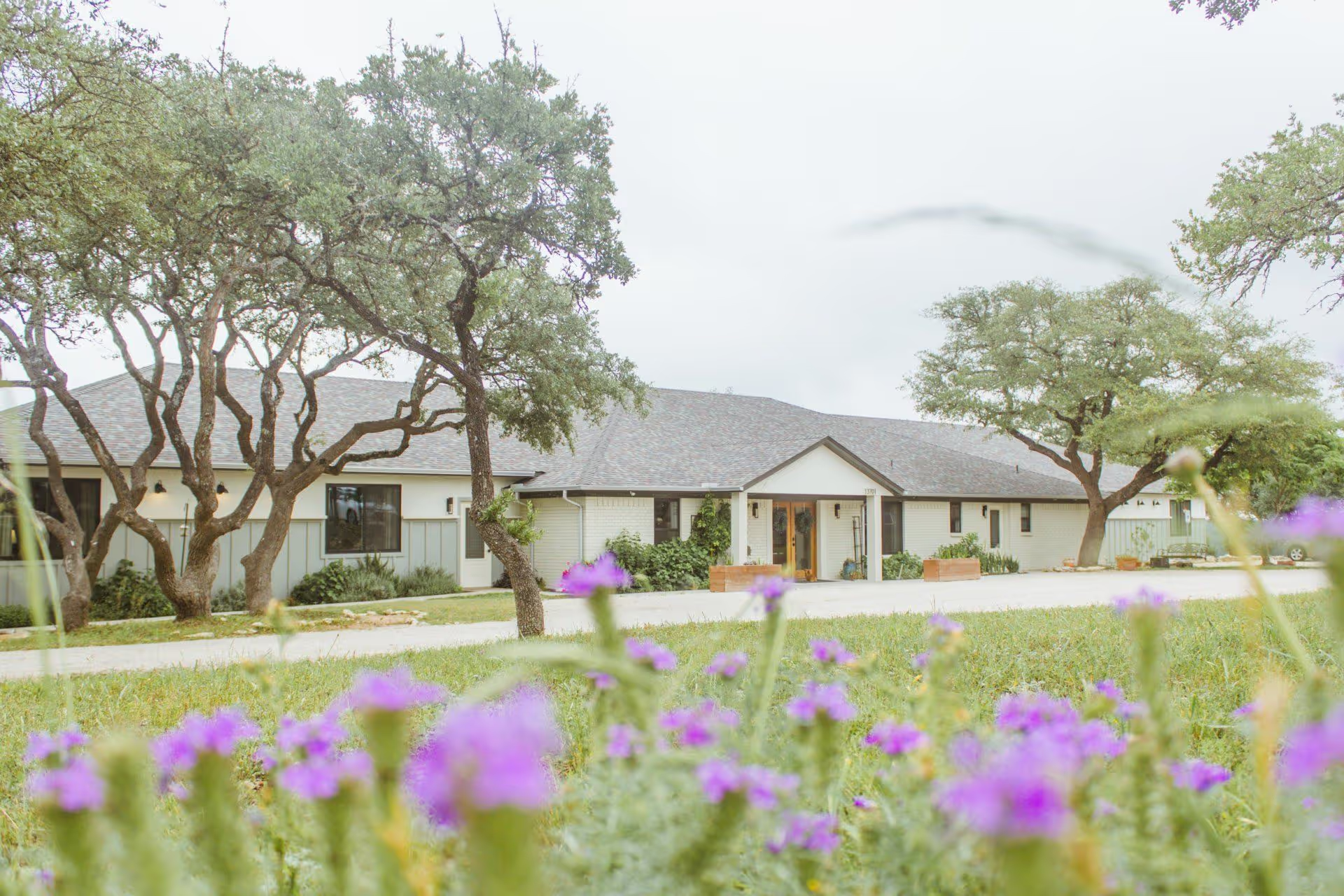
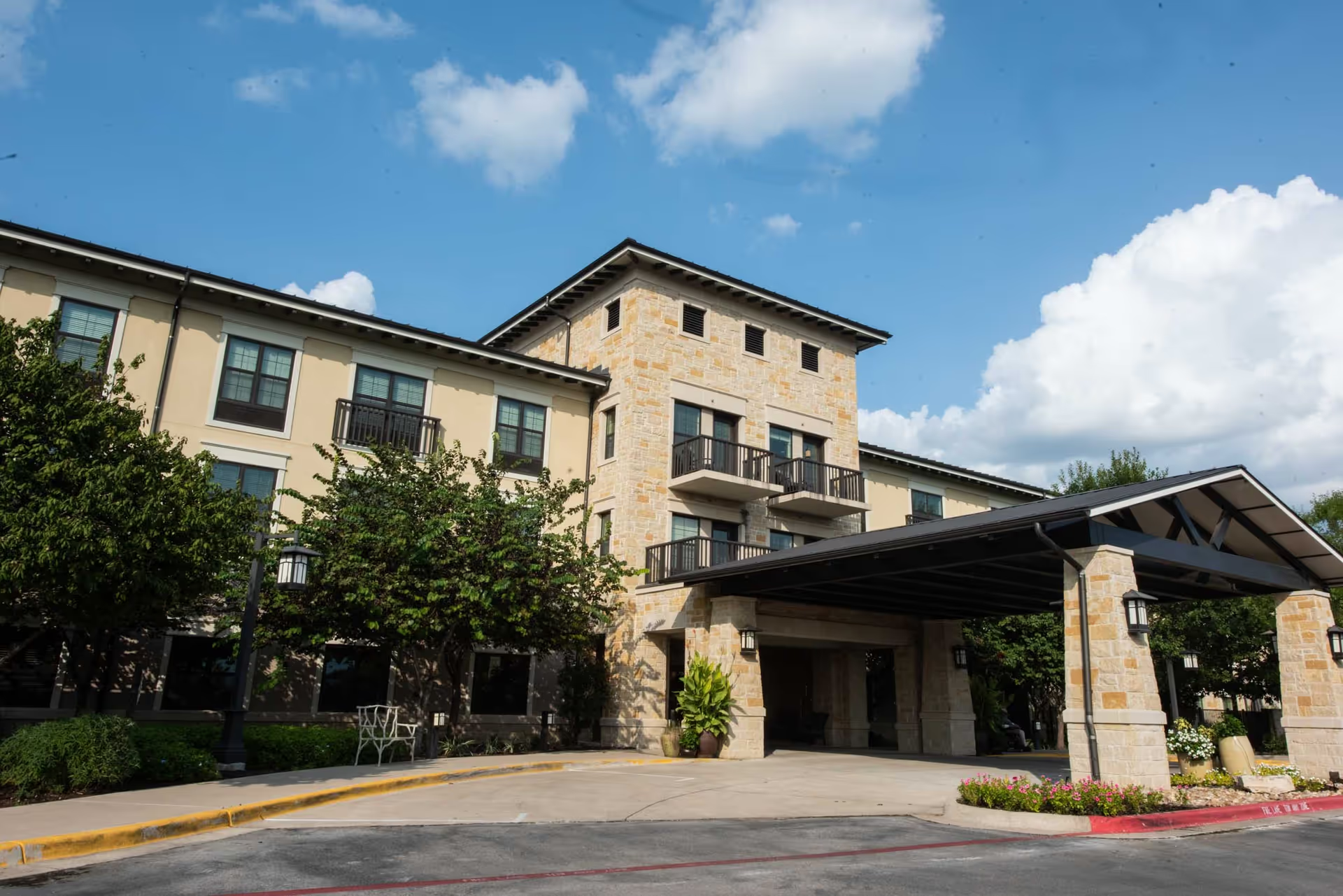
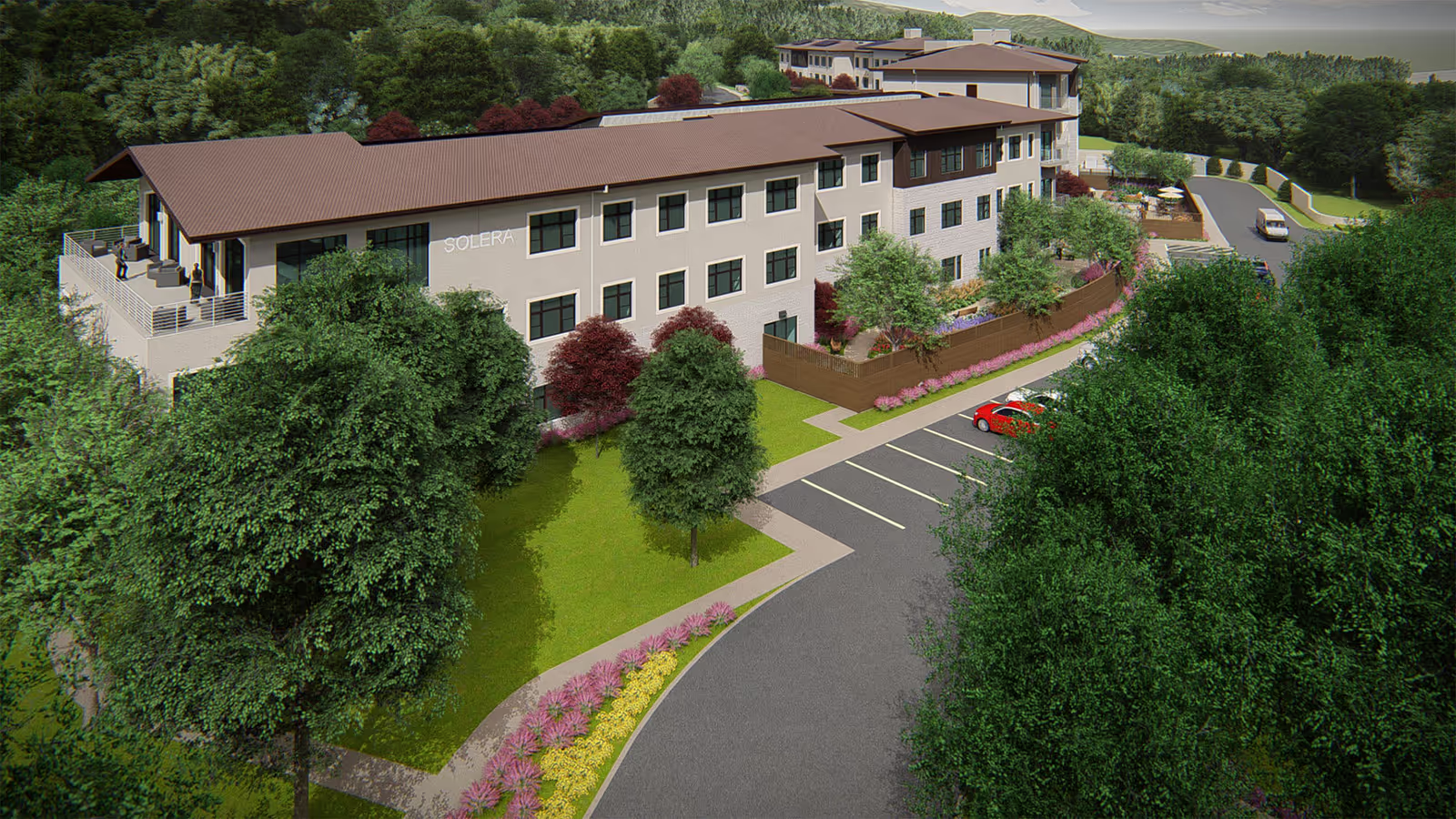
Reviews for Brookdale Lakeway are polarized: many families and residents praise the facility's amenities, therapy services, and several consistently compassionate staff members, while others raise operational and clinical concerns that appear to affect resident experience and safety. Positive accounts emphasize strong rehabilitation/therapy programs, a broad activities calendar, attractive grounds and communal spaces, and staff who provide attentive, family-like care. The building layout, private-apartment options, pet-friendly policies, and on-site amenities (gym, library, exercise room) are frequently noted as important quality-of-life strengths.
Care quality shows a clear split. Several reviewers describe solid clinical support: on-call nursing coverage, effective medication management, and care that helped avoid hospital readmissions. Conversely, a substantive set of concerns centers on inconsistent clinical follow-through — missed or delayed medications, unclear or incomplete care plans, inconsistent mobility assistance, and variability in wound/stoma-related care. These clinical inconsistencies frequently correlate with understaffing and slow responses to call signals, suggesting that staffing levels and shift coverage are a central operational factor.
Staffing and conduct are similarly mixed. Many reviews highlight warm, respectful, and long-tenured staff members, along with a responsive front desk and an imaginative activities director. At the same time, others cite variability in staff training and communication, instances of discourteous interactions, and evidence of overworked personnel. Housekeeping and laundry services are offered and often work well, but there are recurring sanitation and cleaning inconsistencies in some rooms and occasional odor-management concerns in communal areas.
Dining and activities are often strengths but inconsistent. The facility offers multiple dining options, menu selection, buffet-style service at times, and socially oriented meals that residents value. Several reviewers praise meal presentation and variety; others describe inedible meals or understaffed dining-room service. Activities programming — trips, music, games, and themed events — is broadly cited as robust and contributes positively to resident engagement.
Facility condition and operations show both positives and gaps. Grounds, courtyards, and certain interiors are described as well maintained and homelike. However, reviewers also note episodic maintenance problems (room temperature/AC failures, water leaks) and concerns about how personal property is handled. Management practices are another area of divergence: some families commend leadership for responsiveness and extraordinary efforts during weather or equipment problems, while others describe poor communication, delayed follow-up after incidents, pressure around discharges or admissions, and opaque billing practices.
Notable patterns for prospective families: (1) experiences appear to vary by unit, shift, and individual staff members — visit at different times to observe staffing and mealtimes; (2) key operational risks identified are understaffing, call-response delays, and inconsistent clinical follow-through; (3) amenities, therapy, and activities are frequently strong and can support quality of life when operational issues are managed. Recommended topics to address during a tour or admission discussion include current staffing ratios and overnight coverage, call-bell response metrics, medication administration protocols, cleaning schedules and infection-control policies, memory-care placement criteria, recent maintenance logs (AC, roofing), and clear, written billing/fee explanations. This balanced view should help families weigh the facility's environmental and program strengths against the operational and clinical variability described by reviewers.