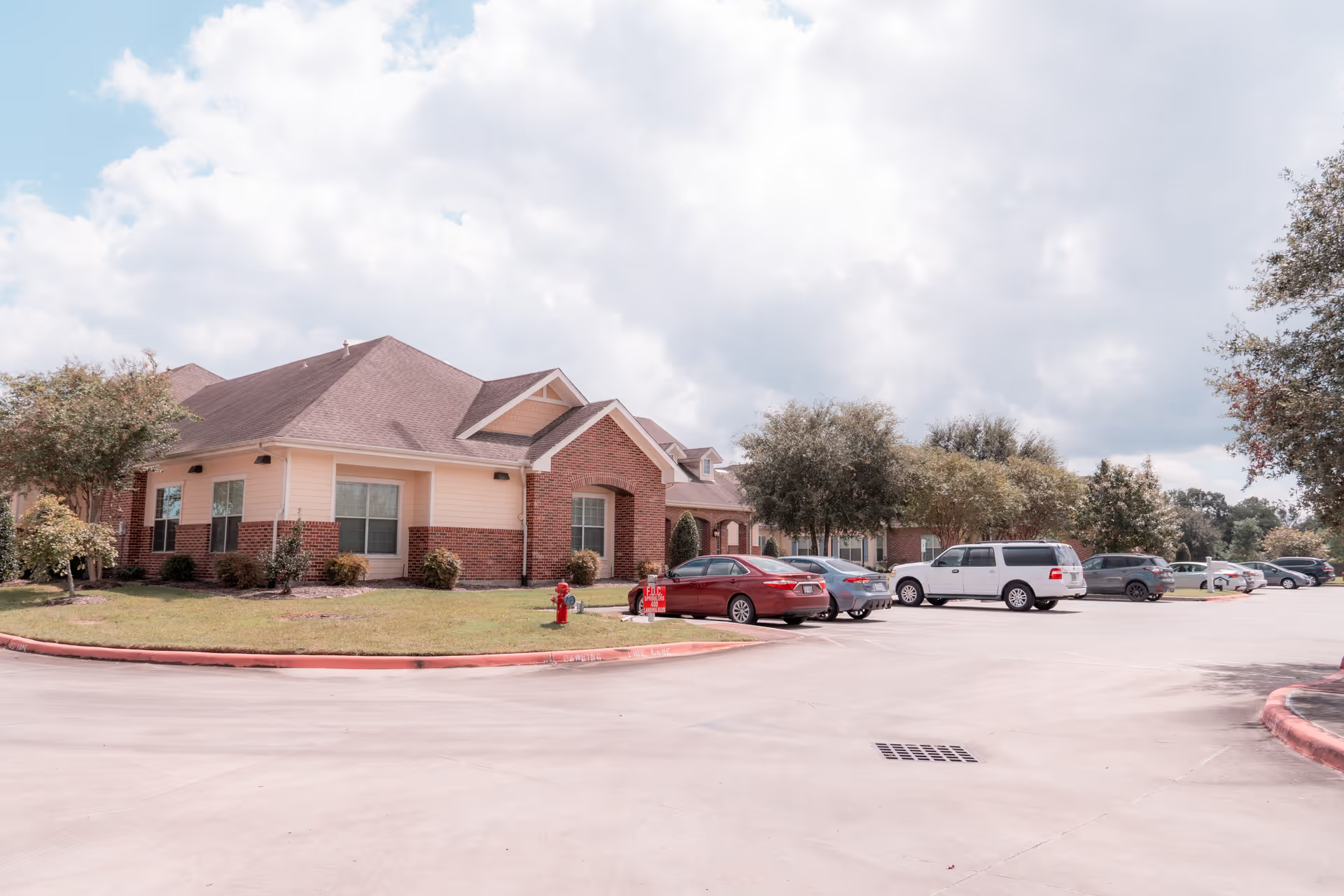
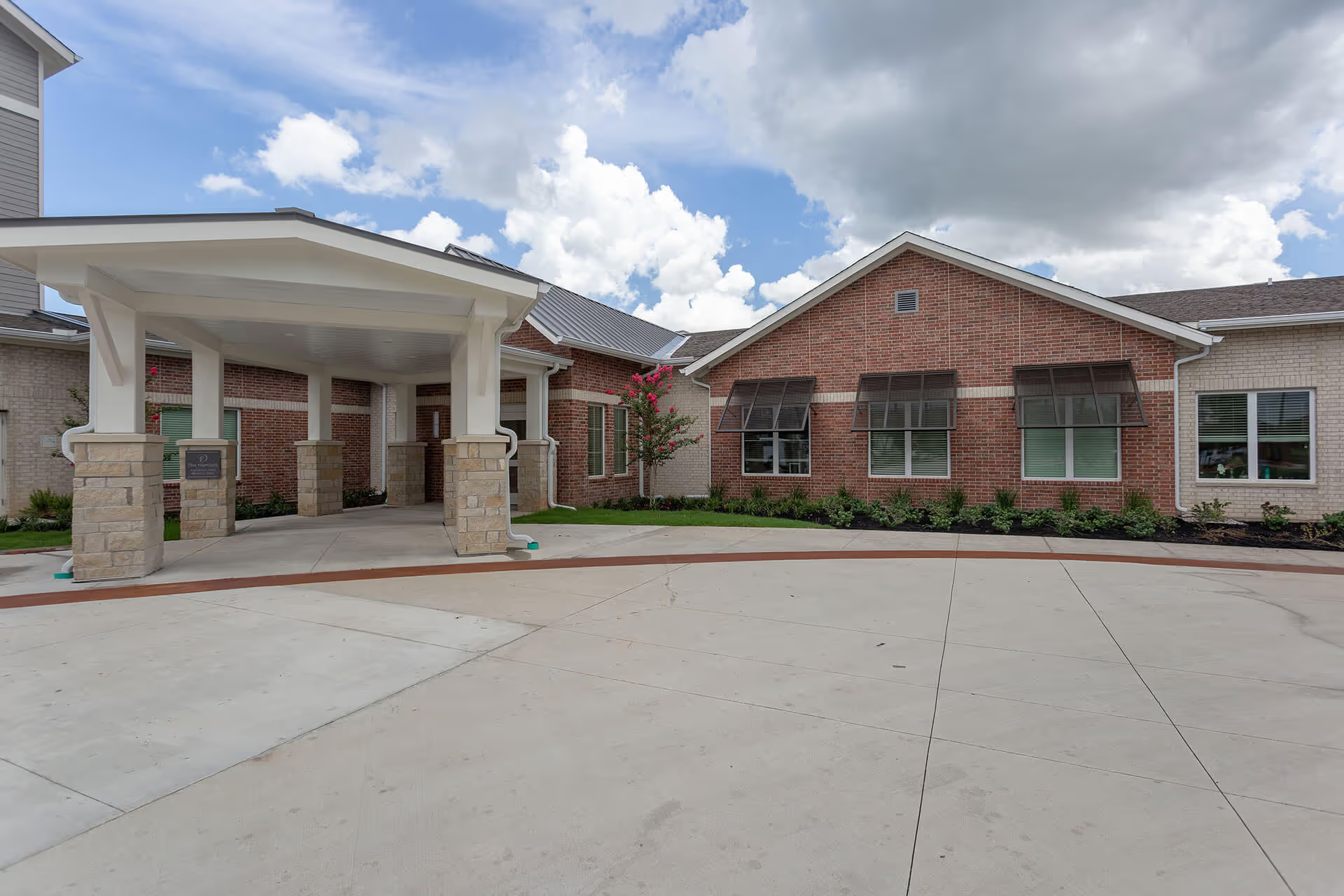
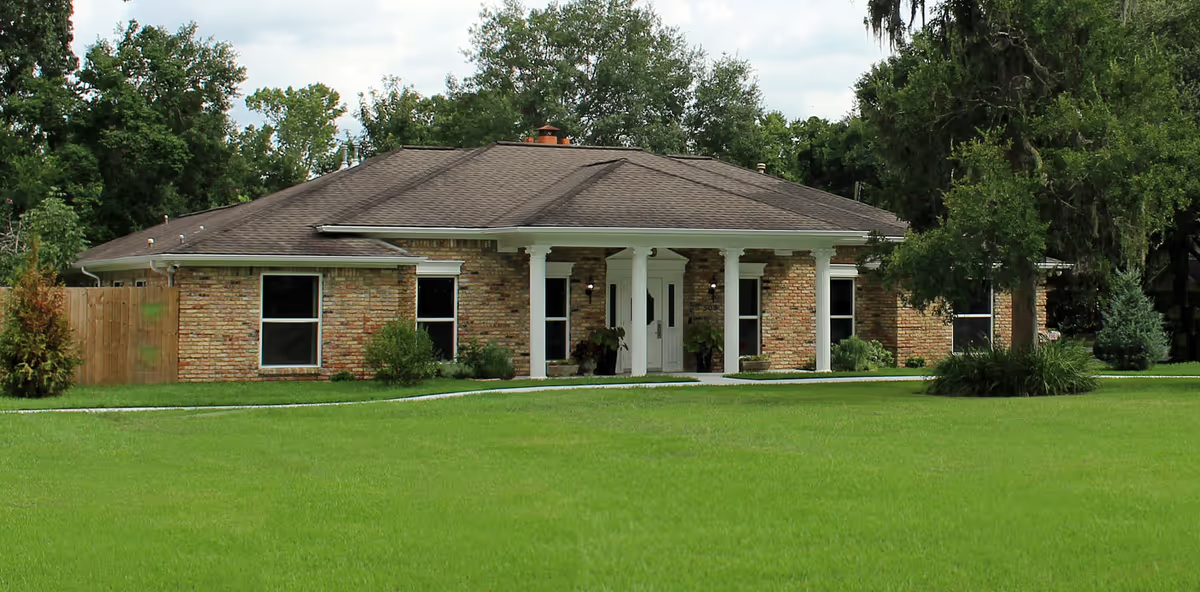
Orchard Park at Victory Lakes presents as a modern, single‑story assisted living and memory-care community with many operational strengths alongside recurring operational challenges. Physically, the facility is frequently described as clean, bright, and well maintained with spacious apartment options (including full‑size refrigerators and in‑room showers), pleasant outdoor areas and walking paths, and convenient proximity to regional medical centers. Families commonly note a welcoming atmosphere, security measures for memory care, on‑site amenities such as a salon and library, reliable Wi‑Fi, and routine housekeeping and laundry services.
Staff and care quality elicit mixed but specific impressions. Numerous comments highlight compassionate, attentive caregivers and engaged front‑line staff who learn residents’ preferences; maintenance and reception teams also receive regular praise for responsiveness. The activities program is a consistent strength: an active calendar, frequent outings, volunteer involvement, and a strongly credited activities director contribute to residents’ social engagement and quality of life. Several reviews also note on‑site clinical access and transportation to medical appointments, which support continuity of care for many residents.
At the same time, recurring operational weaknesses are evident. Staffing levels and turnover are the most consistent concern, producing variability in care from shift to shift and reduced consistency on weekends. This staffing instability correlates with several operational problems: inconsistent personal‑care delivery (including bathing schedules), variability in medication administration and documentation, and gaps in supervision or clinical incident response. Families describe episodes that point to systemic process weaknesses rather than isolated events, such as missed or delayed medications, inconsistent supplement administration, and lapses in monitoring that have contributed to clinical escalations.
Dining is another mixed area. Many families praise restaurant‑style dining, variety on the menu, and introductions by culinary staff; others describe periods of downgraded meal quality following chef turnover, limited low‑sodium or therapeutic menu options, and intermittent service problems (cold meals or items running out). Housekeeping and laundry processes are generally effective but have produced occasional inconsistencies, including damaged garments and missed room cleaning, indicating room for tighter operational controls.
Sanitation and environmental concerns appear intermittently across comments; some families cite pest‑control and odor concerns and uneven cleanliness in specific areas. Management and accountability are described inconsistently: when leadership is engaged, families note prompt responsiveness, communication via care‑partner tools, and visible improvements (new management and new culinary leadership were cited positively). Conversely, other accounts describe defensive complaint handling, perceived financial emphasis, and uneven follow‑through on promised remedies.
Overall pattern: Orchard Park offers a strong social environment, attractive amenities, and many caring staff who contribute to residents’ enjoyment and quality of life. However, persistent operational issues—principally staffing instability, medication and personal‑care process gaps, inconsistent dining and housekeeping performance, and intermittent sanitation concerns—create variability in the resident experience. Families considering Orchard Park should weigh the facility’s clear programmatic strengths and proximity/amenities against the documented operational variability; prospective residents and families may benefit from focused questions during tours about current staffing stability, medication administration protocols, dietary accommodations, housekeeping procedures, and recent management improvements.