Lewisville Estates presents as a well-established senior living community with clear strengths in staffing continuity, dining presentation, and resident engagement. Many families and residents describe the staff as compassionate, attentive, and knowledgeable; long-tenured employees and an active concierge presence contribute to a strong continuity-of-care perception. Clinical access is reinforced by regular nurse practitioner/physician visits and on-site therapy services, which supports ongoing medical oversight for residents who require periodic clinical attention.
Dining is a prominent feature of the community. Several reviews highlight a chef-driven program, a formal dining room with plated service, and a range of menu options including dietary accommodations. That said, there is a pattern of mixed commentary on food quality and consistency: while some residents praise high-quality, restaurant-style meals, others describe declines or variability tied to staffing or kitchen leadership changes. Prospective residents should sample current menus and discuss how dietary needs are handled long term.
Activity programming and on-site amenities are broad and active. The facility offers an extensive calendar — exercise classes, theater, games, crafts, field trips, and recurring social events — and maintains on-site amenities such as a movie theater, beauty salon, library, and common activity spaces. Transportation to appointments and community outings is generally available, though billing practices for some ancillary transportation services have been described as opaque by families.
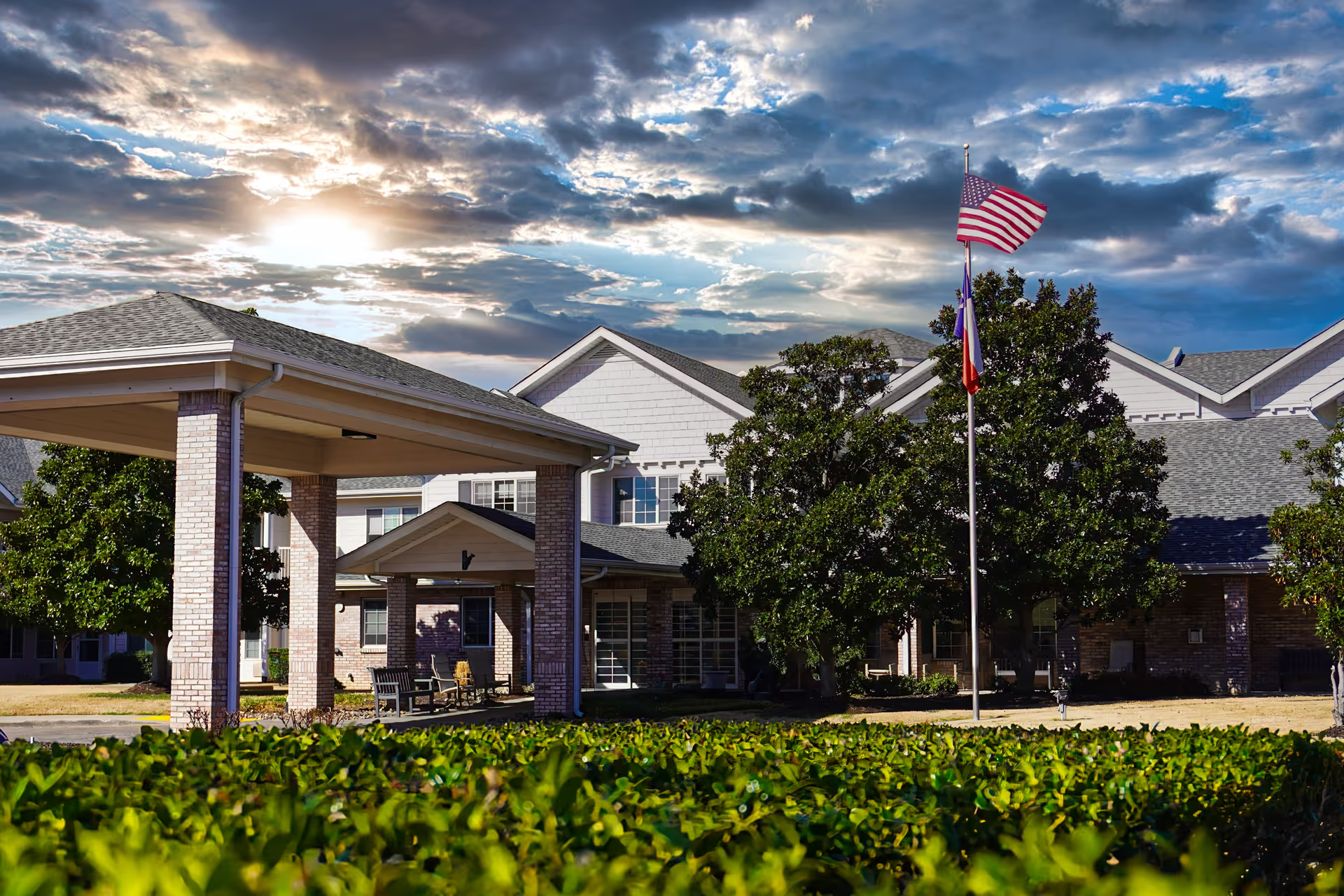
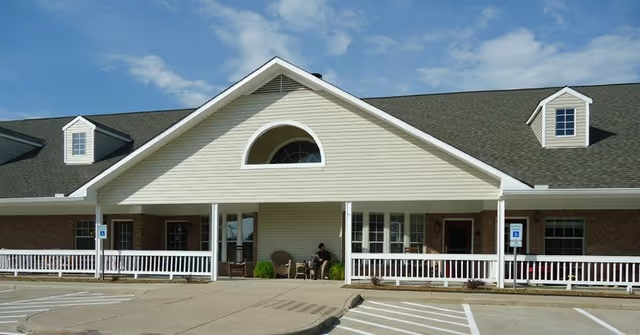
Facilities are frequently described as clean, well-kept, and attractively laid out, with options ranging from studio/kitchenette units to two-bedroom apartments. Accessibility features such as handicapped showers, single-floor assisted living wings, and monitored safety systems are present. At the same time, reviewers note practical design limitations in some units (limited storage, high cupboards, absence of therapeutic tubs) and constrained outdoor/recreational space compared with some competitors.
Operationally, the community shows strengths in maintenance responsiveness, resident involvement opportunities, and flexible payment assistance (including help with VA financing). However, a recurring pattern relates to staffing levels and management continuity. Several families described periods with staffing shortages, caregiver turnover, or management transitions that led to slower follow-through on commitments, variability in housekeeping, and occasional delays responding to call buttons. Related clinical concerns surfaced as gaps in immediate post-fall assistance and in some instances of wound/infection follow-up; these descriptions suggest areas where monitoring and clinical follow-through protocols may need reinforcement.
Billing transparency and placement assessment are additional areas to vet during touring and contracting. Multiple reviewers expressed frustration with add-on fees, billing for certain transportation or services, and instances where care needs required an unplanned transfer to a higher level of care. Families should confirm what is included in base pricing, how ancillary services are billed, and how the community assesses and documents suitability at move-in to reduce the likelihood of subsequent placement changes.
In summary, Lewisville Estates appears to offer a warm, activity-rich environment with strong relationships between staff and residents, attractive dining when the kitchen is well-staffed, and a suite of amenities that support social and rehabilitative needs. Prospective residents and families should weigh those strengths against variability in staffing and management continuity, potential inconsistencies in dining and cleaning, unit storage and accessibility limitations, and the community’s pricing structure. For families considering this community, recommended next steps are an in-person meal sampling, a review of the current staffing and clinical coverage plan, clarification of the contract’s fee schedule, and a discussion of the formal process used to reassess and transition residents who need higher levels of care.