Overall impression Brookdale Richland Hills elicits a broad range of experiences, from families who describe highly positive, attentive care to others who report operational and communication shortcomings. Strengths commonly highlighted include a small, home-like environment, an active activities program, an on-site memory-care unit, and a staff base that many families describe as compassionate and familiar with residents. At the same time, recurring operational themes — particularly around staffing consistency, administrative communication, and billing transparency — create notable variability in family satisfaction.
Care quality and staffing Care-related feedback is mixed. Numerous accounts praise direct caregivers, med-techs, and certain leaders for personalized attention, quick notification of clinical changes, and supportive dementia-focused practices; families report improved weight, engagement, and peace of mind in these cases. Conversely, there are patterns suggesting inconsistent staffing coverage, turnover among supervisory roles, and uneven skill levels among some frontline staff. These issues are linked to delayed assistance at times, variability in medication handling, and occasional gaps in clinical presence during staff training or shift transitions. Families should expect generally capable frontline care but should confirm current staffing ratios, turnover trends, and nurse-coverage schedules during a tour.
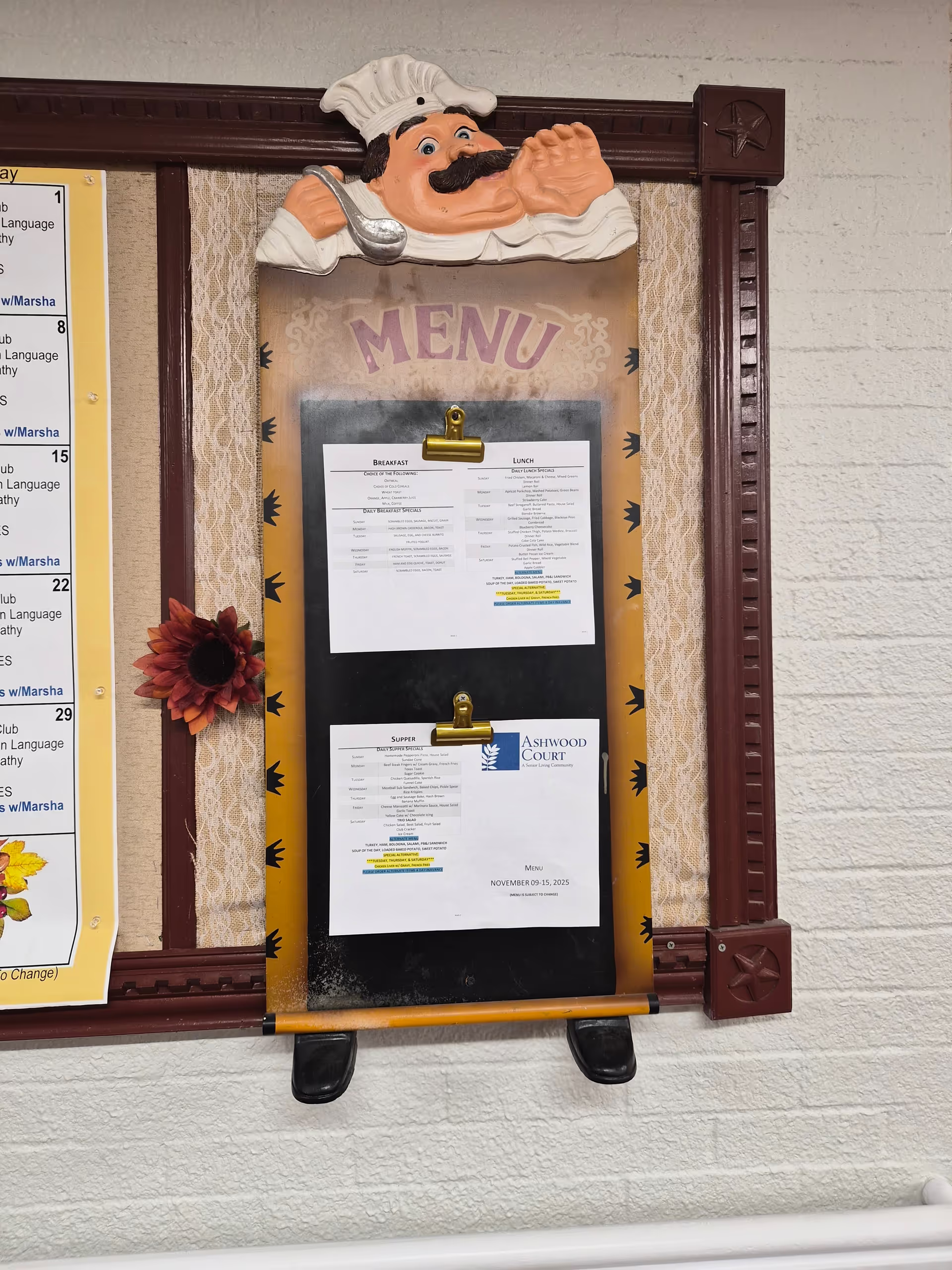
Dining, activities, and social engagement The community receives consistent praise for its activity programming: regular exercise sessions, outings, celebrations, and a proactive activities director are repeatedly mentioned as strong points. Social engagement and community events appear to be a reliable strength, particularly given the smaller resident population. Dining feedback is more variable: many residents enjoy the food and portion sizes, while others note declines or inconsistencies in meal-service quality and diningroom operations. Those with specific dietary needs should inquire about the dietician and menu accommodations; families who prioritize frequent or high-end dining experiences may wish to sample multiple meals during a visit.
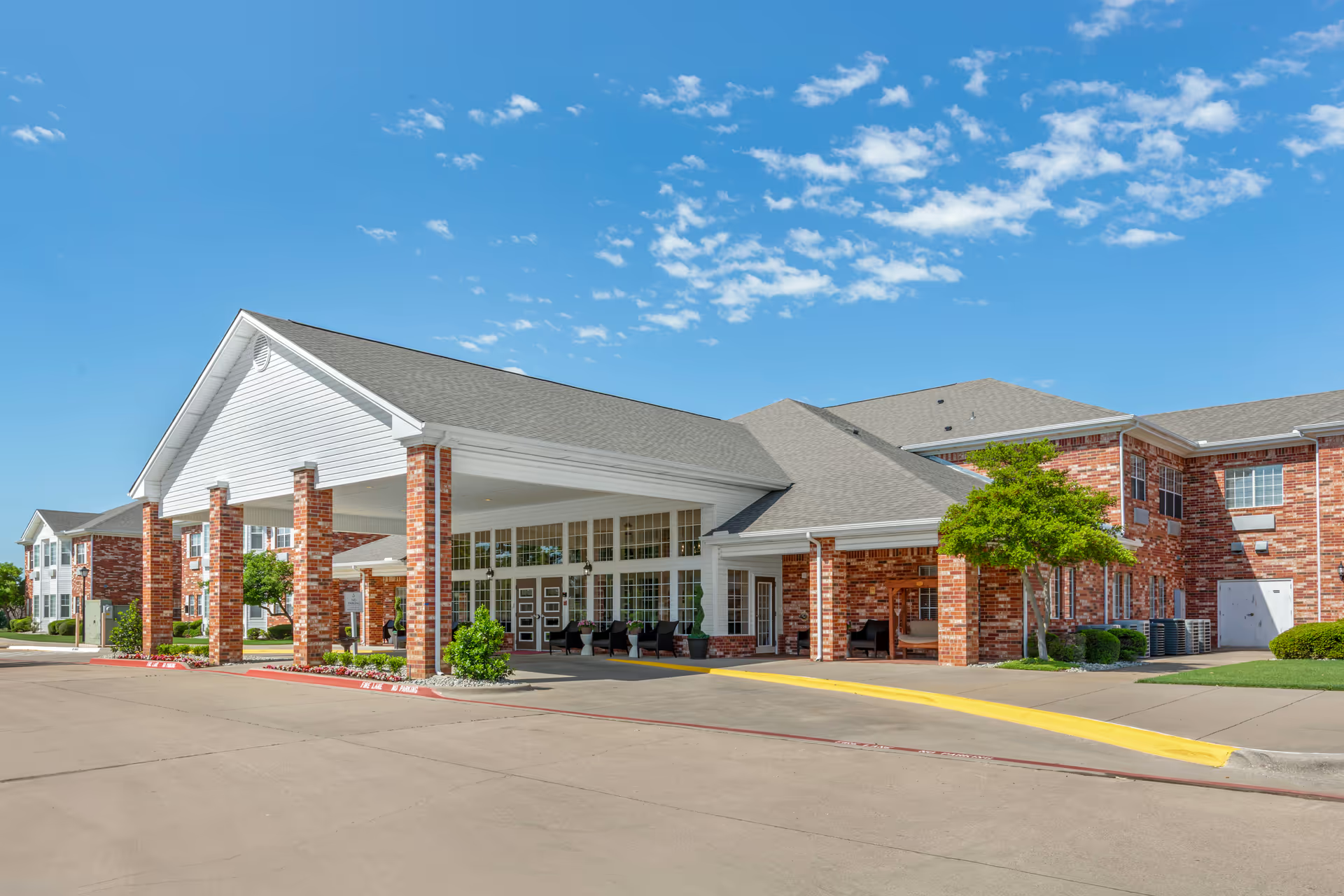
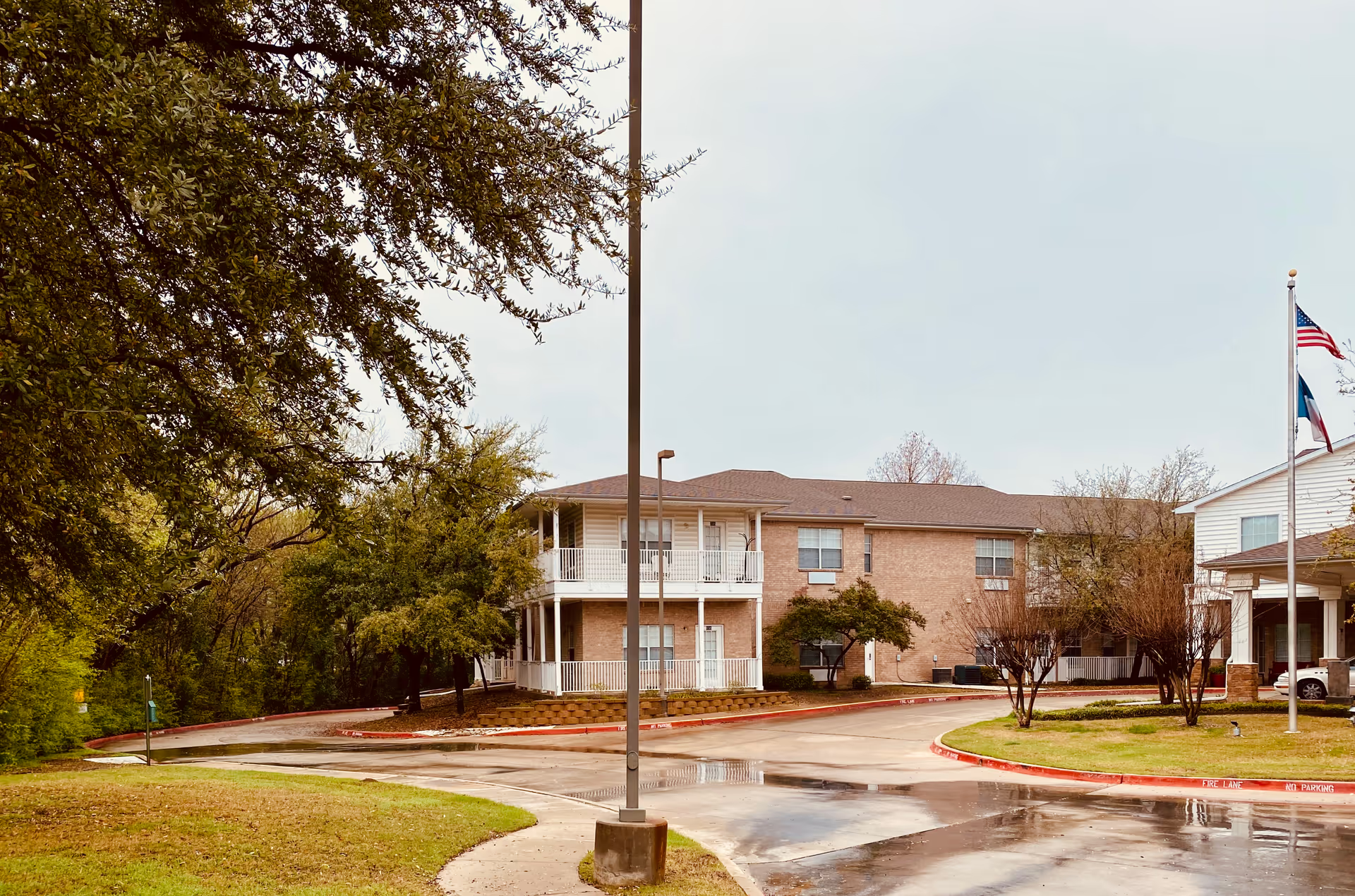
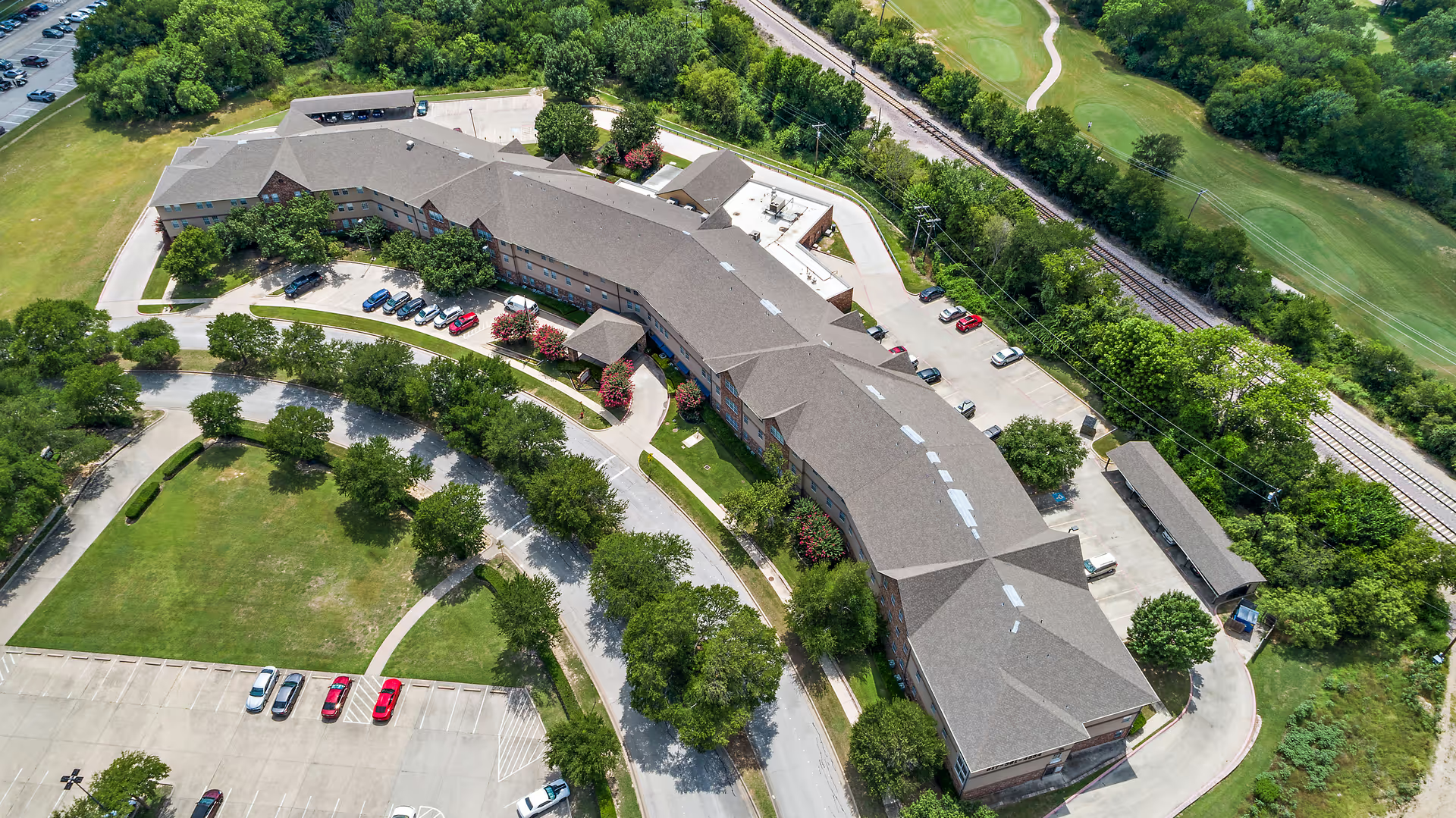
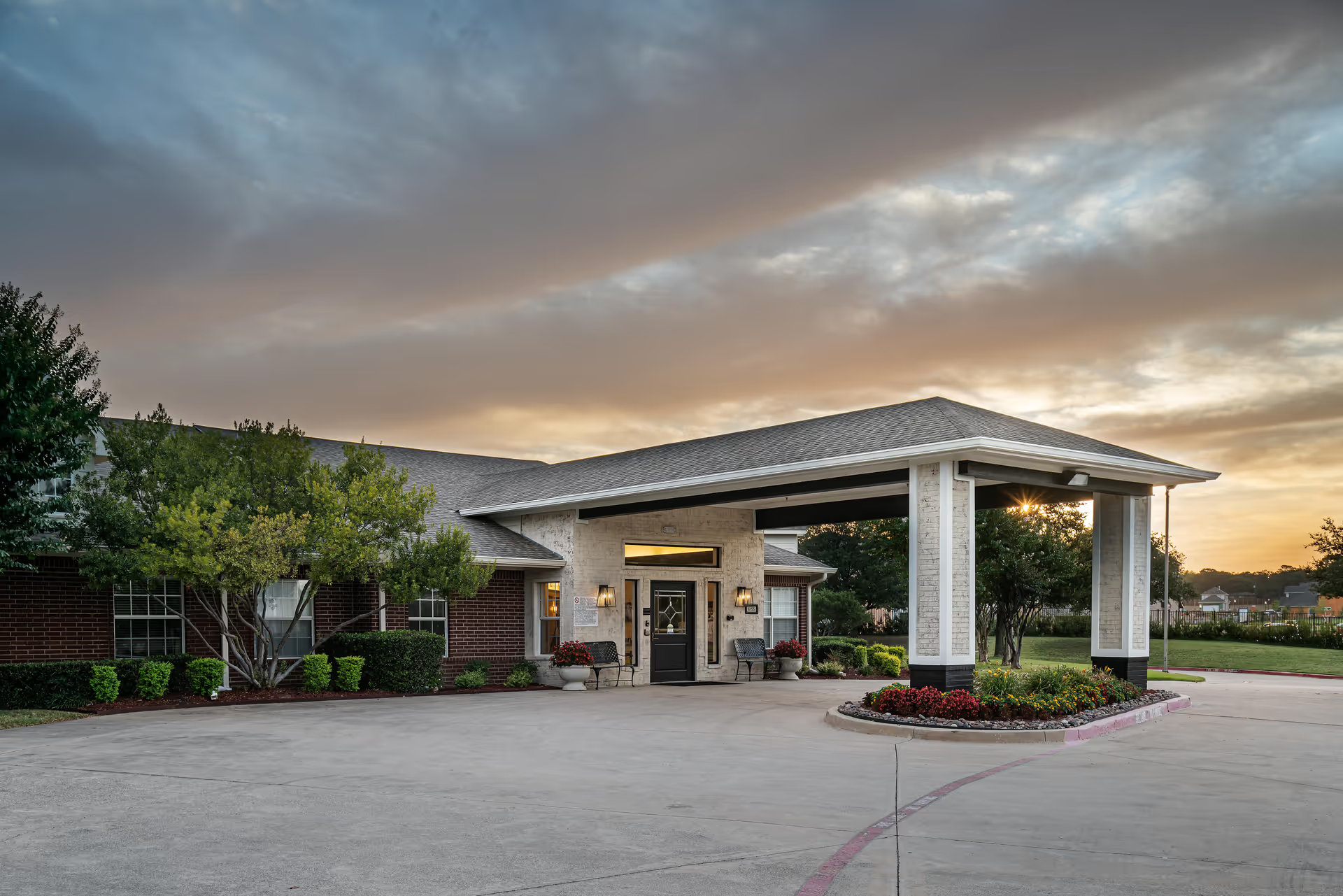
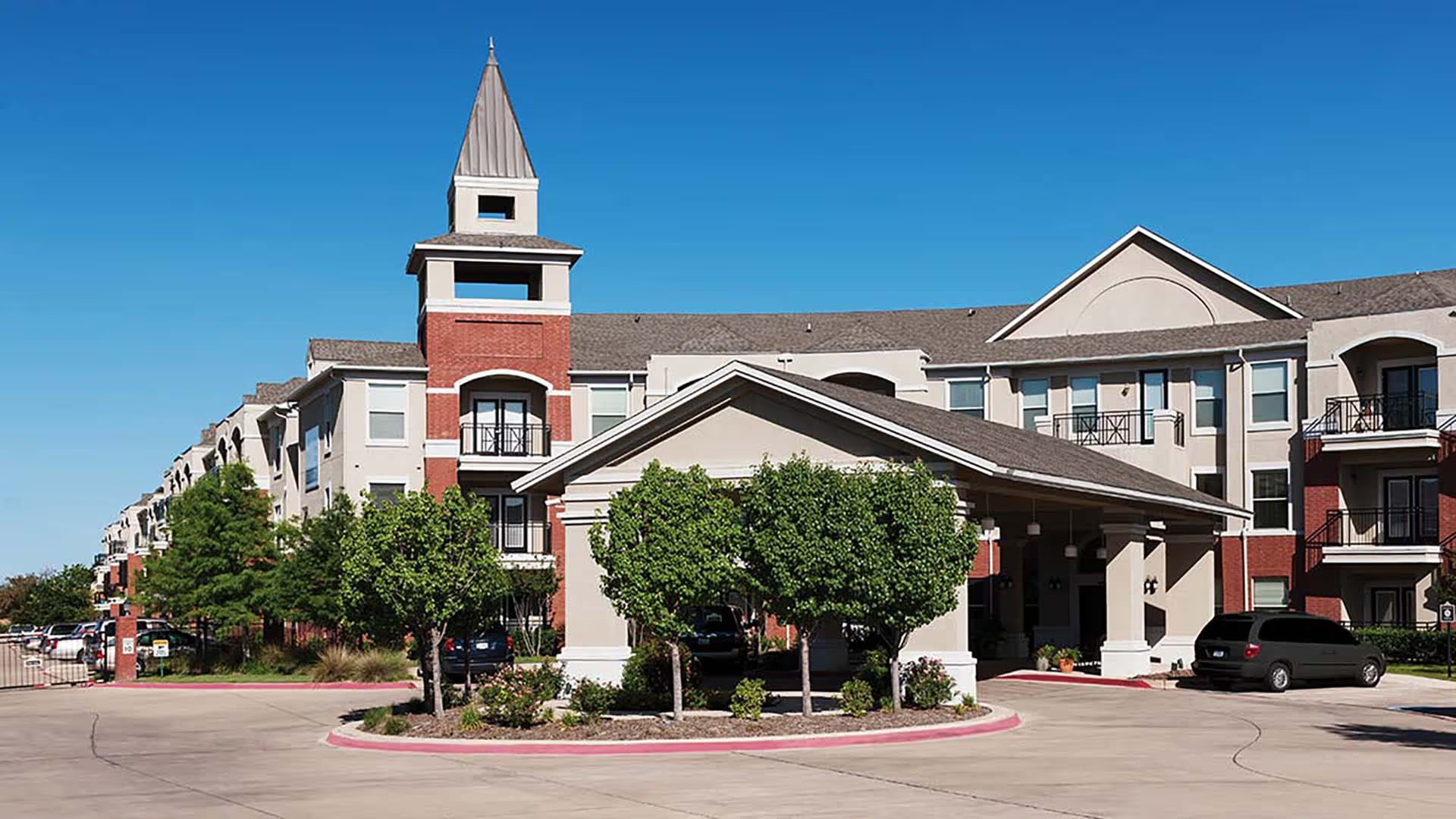
Facilities and amenities The facility is often described as clean, updated in parts, and easy to navigate, with features such as private dining rooms, a barber/salon, and an outdoor courtyard. Apartment sizes are a recurring constraint: several reviewers describe units as compact, and floor plans vary between very small and moderately sized; prospective residents should verify square footage and storage when assessing fit. Some reviews raise odor-control and sanitation concerns in particular common areas, indicating unevenness in environmental services in certain situations. Security is noted as robust due to a locked campus and an adjacent memory-care building, but there are also mentions of limited reception coverage and staff-only access policies that affect visitor convenience.
Management, administration, and finances Administrative themes include inconsistent communication, surprise or late disclosures about fees, and a la carte charge structures that can create unexpected costs. A deposit and priority-placement policy and early price increases before move-in were specifically mentioned; families should ask for a full fee schedule and written explanations of add-on charges and refund policies. Several reviewers cite billing errors or delays in correcting charges, suggesting a need for improved billing workflows. Leadership style and responsiveness appear uneven across different time periods and managers, which contributes to variability in the resident experience.
Notable patterns and guidance for families The dominant pattern is one of variability: when leadership and staffing are stable, families describe a warm, engaging small community with strong dementia programming; when staffing and administrative consistency falter, families report delayed care responses, billing confusion, and environmental-service lapses. Prospective residents and families should prioritize an in-person visit that includes: meeting current caregiving staff and leadership, observing multiple meal services, touring the specific apartment under consideration, asking for recent staffing and turnover data, and obtaining a detailed, written breakdown of all fees and policies (including Medicaid transition options). That due diligence will help determine whether the facility’s strong points align with an individual resident’s medical, social, and financial needs.