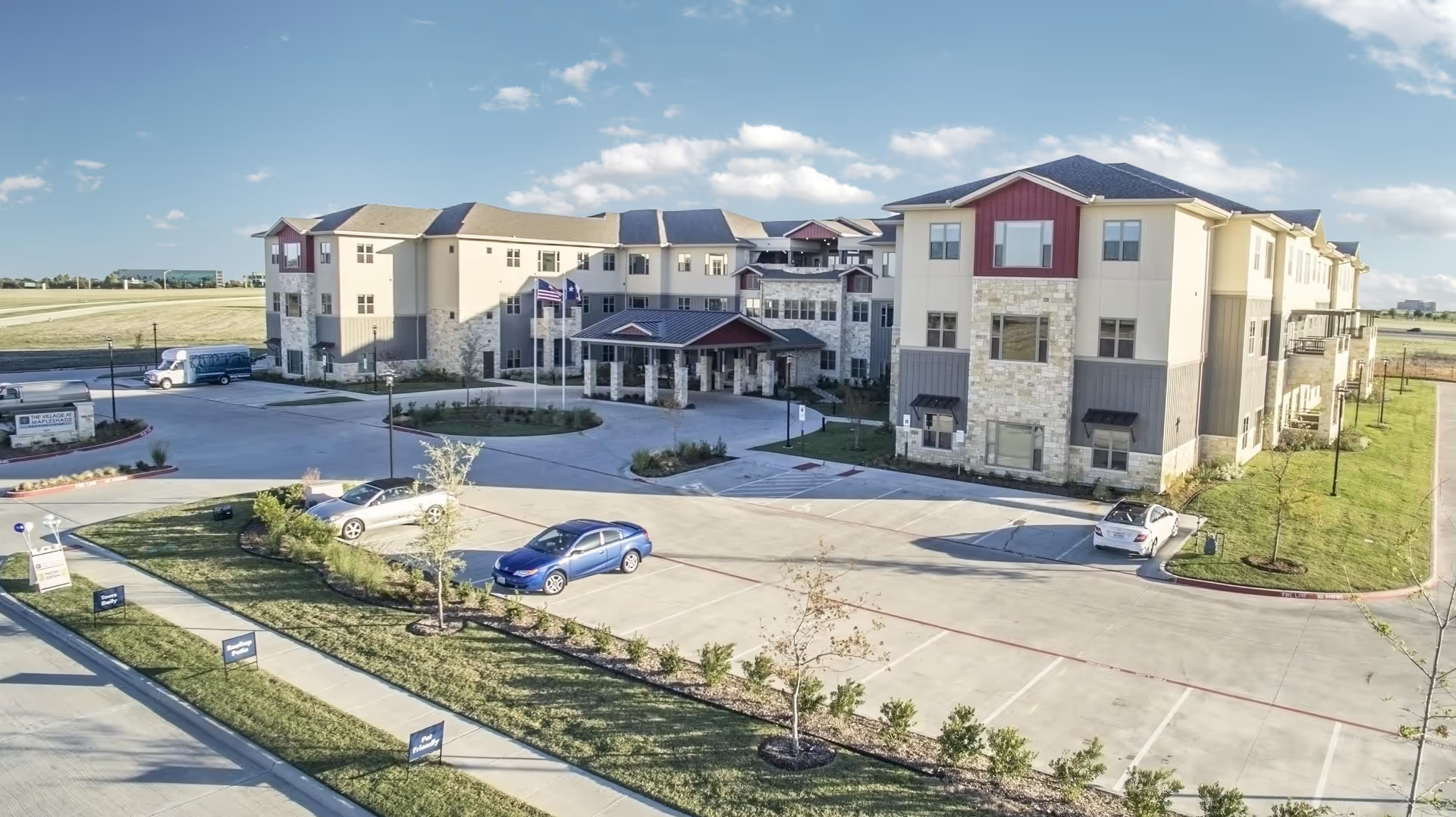
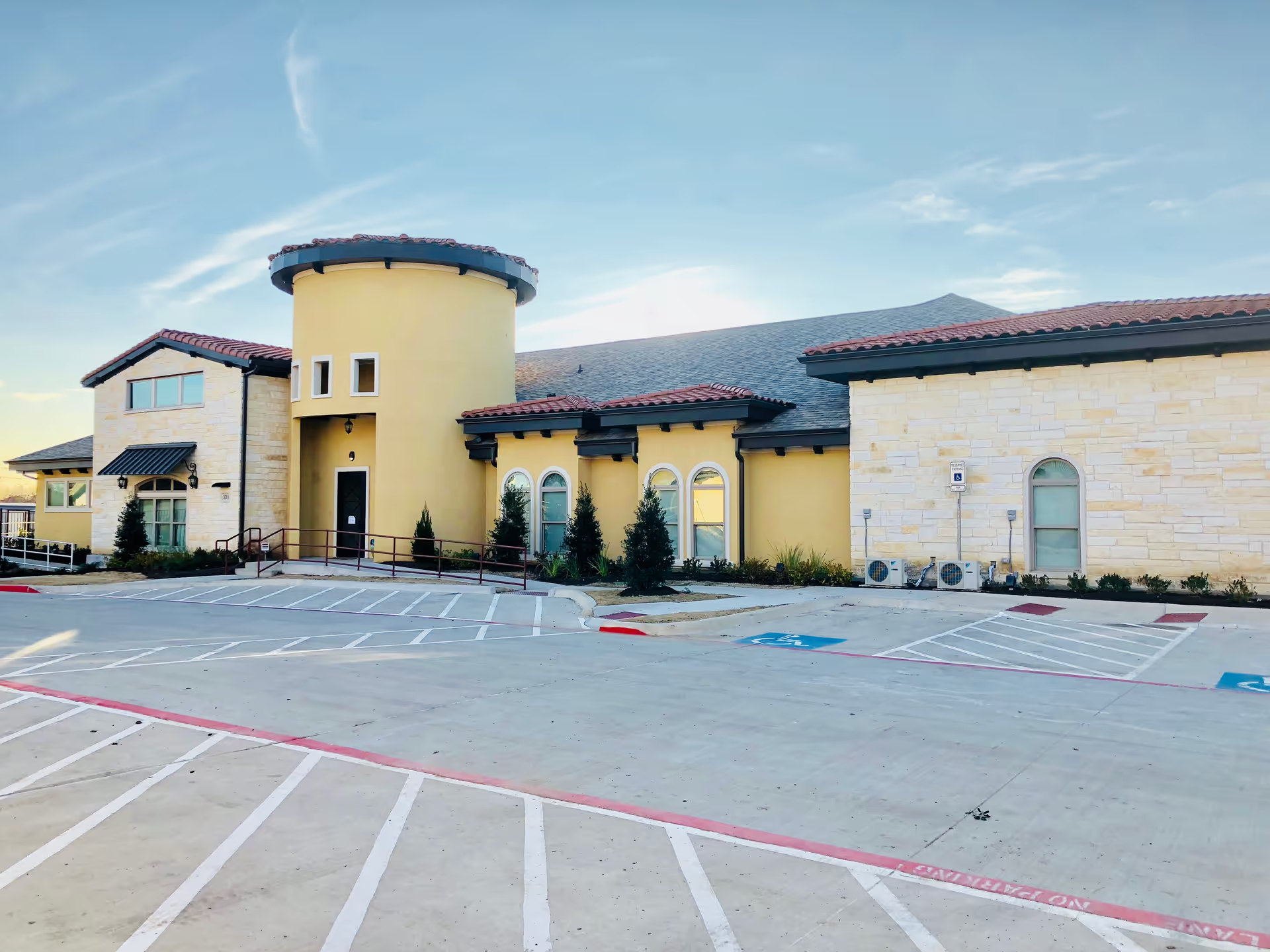
Sunrise of Plano elicits strongly polarized impressions. Many families and prospective residents describe a bright, hotel-like environment with well-maintained landscaping, attractive common areas, and a broad set of amenities. The community operates as a true continuum of care, offering independent living, assisted living, and memory-care neighborhoods under one roof, and that model is repeatedly cited as a convenience for couples and for residents who want to age in place.
Care quality and staff performance receive frequent praise alongside notable variability. Numerous comments highlight compassionate, attentive caregivers, frequent staff check-ins, and personalized care planning; praise for specific staff members and coordinators is common. At the same time, a distinct pattern of staff turnover and low morale is described—most often linked to the memory-care neighborhood—which some families associate with uneven daily care, higher reliance on private sitters, and concerns about consistent staff conduct. Taken together, these points suggest that direct care can be excellent in many units but may be inconsistent across shifts and wings.
Dining is generally considered a strength in many accounts: restaurant-style meals, an experienced chef, and appealing presentations are frequently noted, as are enjoyable beverage and snack offerings. That said, other families describe declining or inconsistent meal quality, limited meal availability for independent-living residents (commonly two meals versus three), and occasional dining-service lapses. Prospective residents should confirm meal plans, serving hours, and whether lunch is included in their chosen level of care.
The activity program is often robust on paper and in practice — reviewers cite movie nights, live music, church services, off-site trips, bingo, crafts, and a full calendar. However, several accounts indicate gaps between advertised programming and what individual residents experience; for some people the community feels very busy and engaging, for others certain activities are less reliably delivered. Fitness and wellness offerings exist, but the on-site gym equipment may be insufficient for very active residents, and residents have arranged outside options in some cases.
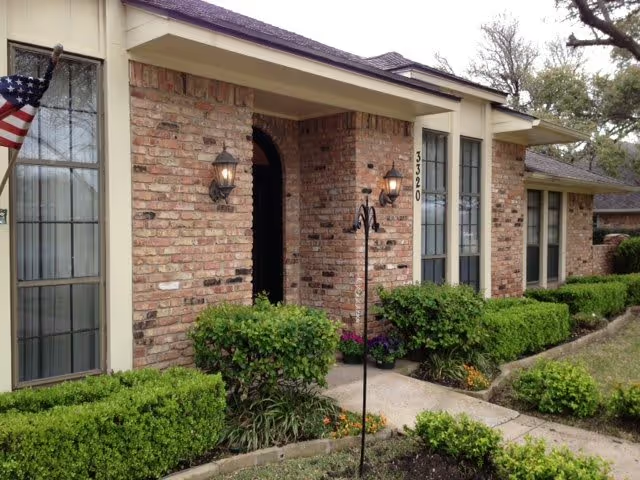
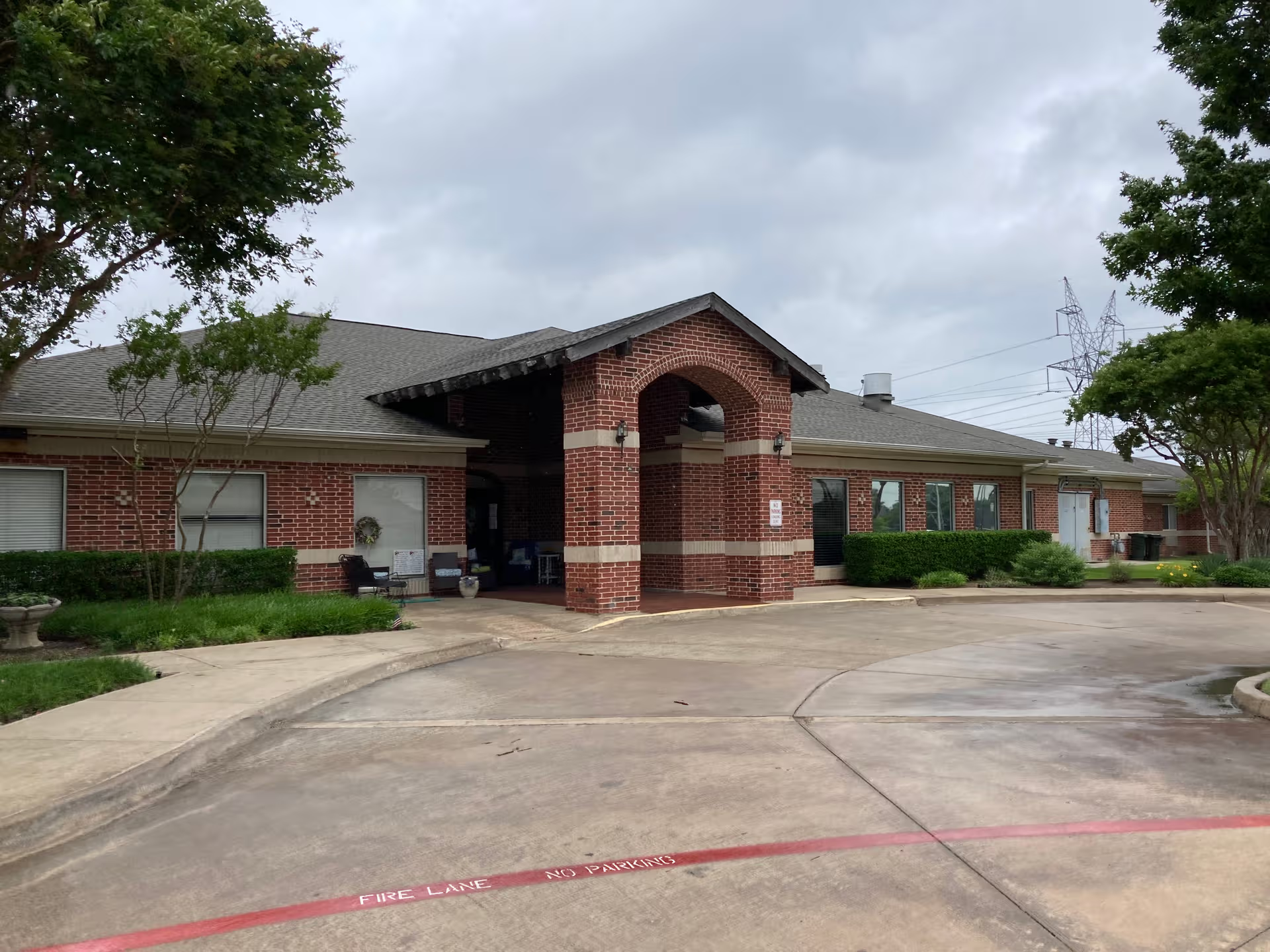
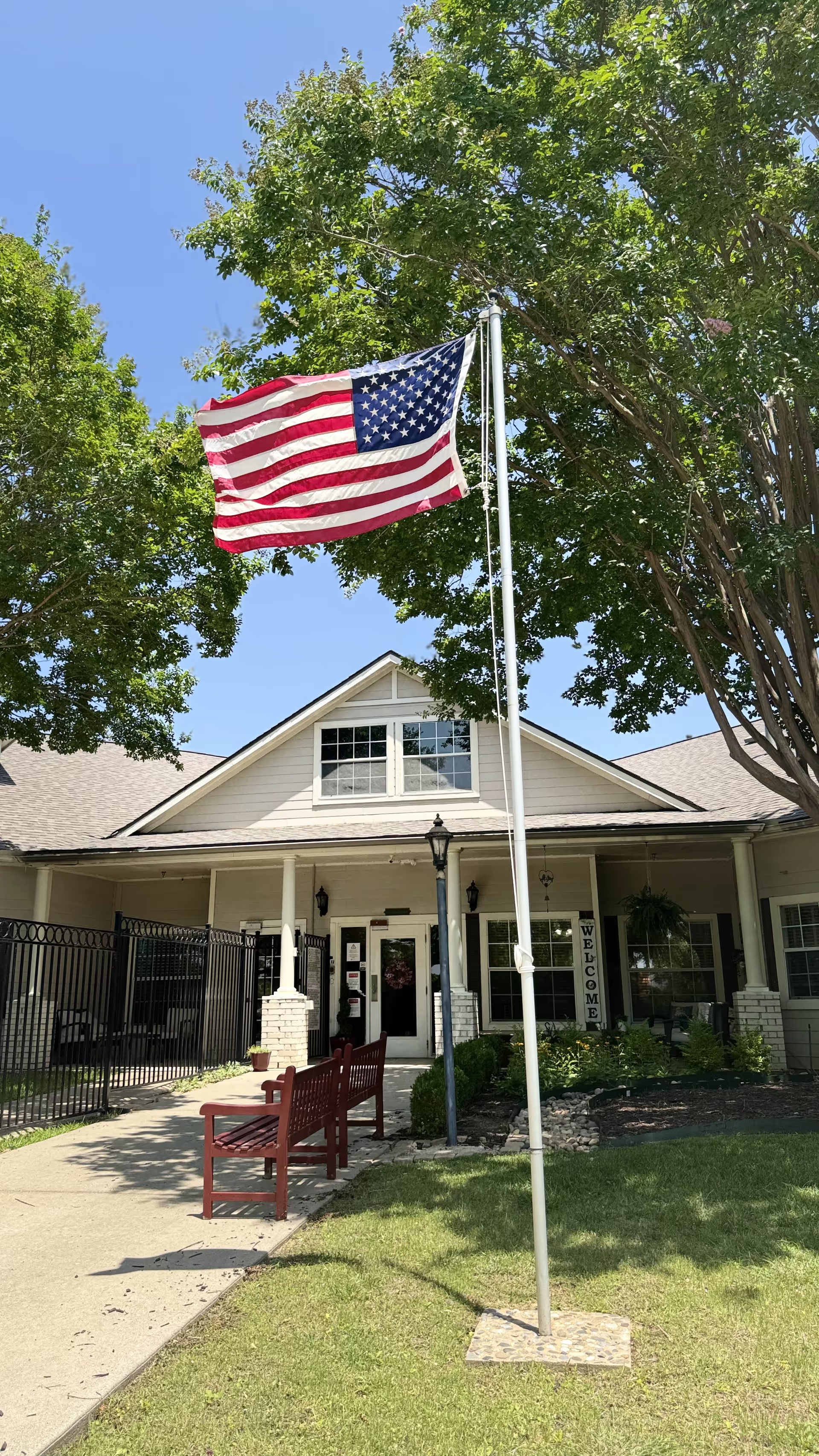
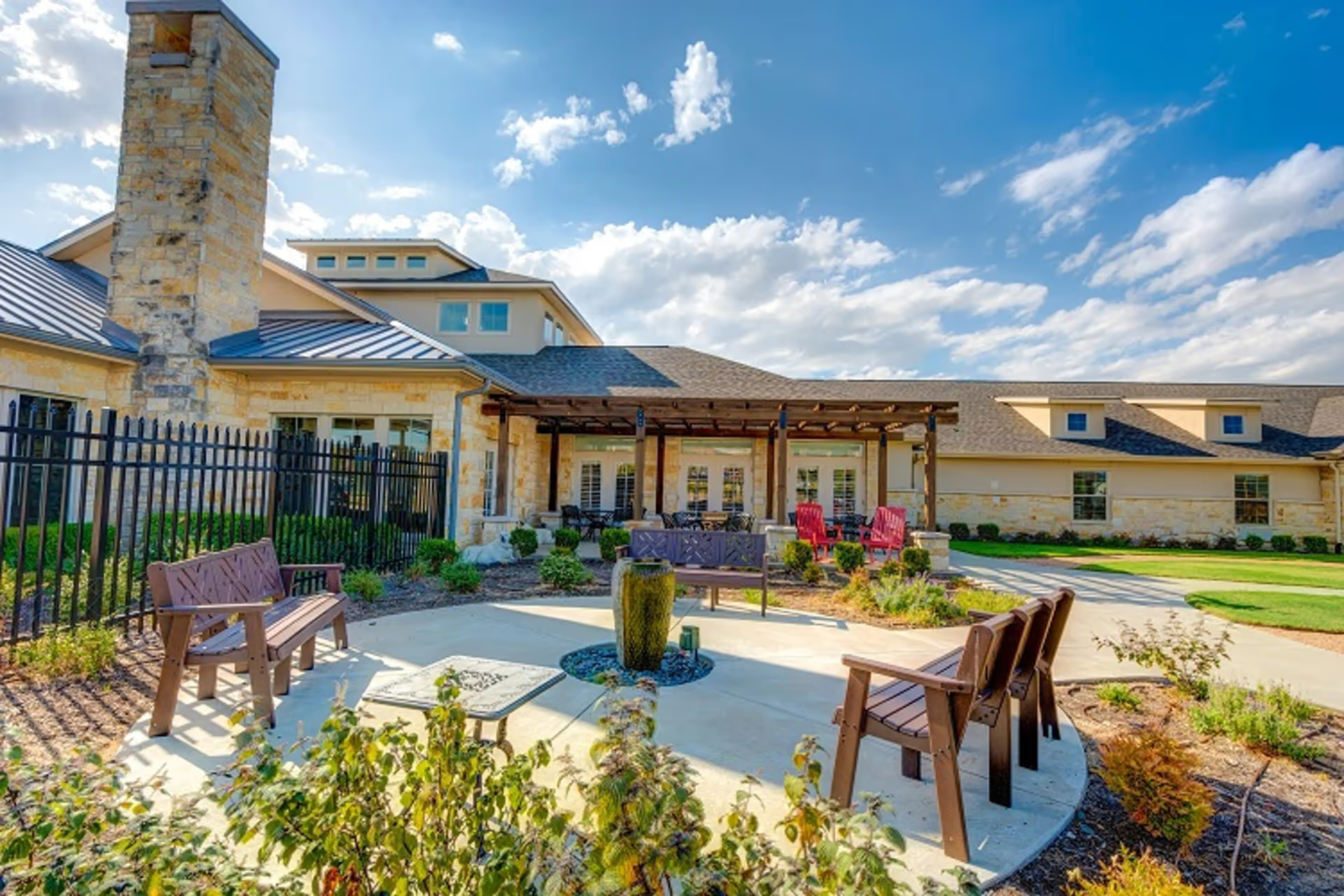
Facilities generally receive positive marks: many describe spacious, well-decorated interiors, private bathrooms, patios or balconies, and useful amenities such as onsite laundry in some units. Some units and public areas are older or awaiting renovation, and storage/closet space is a recurring practical concern. Cleanliness of common areas is often praised, but there are also specific sanitation and kitchen/dining cleanliness concerns that prospective families should inspect during a visit.
Management and operations are a mixed picture. Several families commend specific leaders for helpful, communicative service and smooth move-ins; others describe opaque pricing, unexpected ancillary charges, and late/unclear communication about delays or changes. There are also accounts raising clinical and conduct-related concerns, including slow responses to family inquiries and serious allegations of discriminatory or harassing behavior; these reports indicate a need to inquire directly about complaint-resolution processes, staff training, and culture. Medication-management fees and billing for clinical services are other areas where transparency varies across households.
Overall pattern and recommendation: Sunrise of Plano offers many of the amenities, dining, and social advantages expected from an upscale continuing-care community, and many families report excellent, loving care and strong staff relationships. However, there is a visible pattern of variability — in leadership responsiveness, staff stability (notably in memory care), dining consistency, and cleanliness in specific areas — that prospective residents should evaluate in person. Recommended due diligence: tour during active hours (observe dining and activities), speak with current residents on-site, request written details on included services and ancillary fees, review staffing levels for the desired care neighborhood, ask about infection-control and incident-communication protocols, and confirm unit layout, storage, and recent maintenance or renovation plans. These steps will help families weigh the strong positives against the operational inconsistencies documented across experiences.