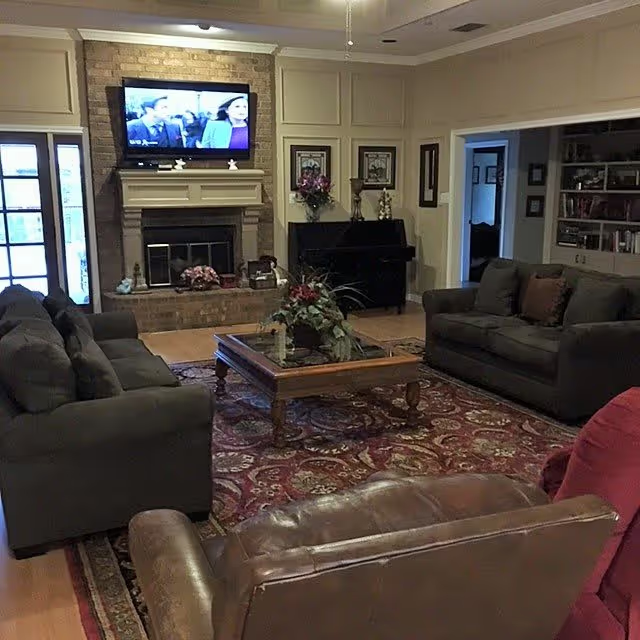
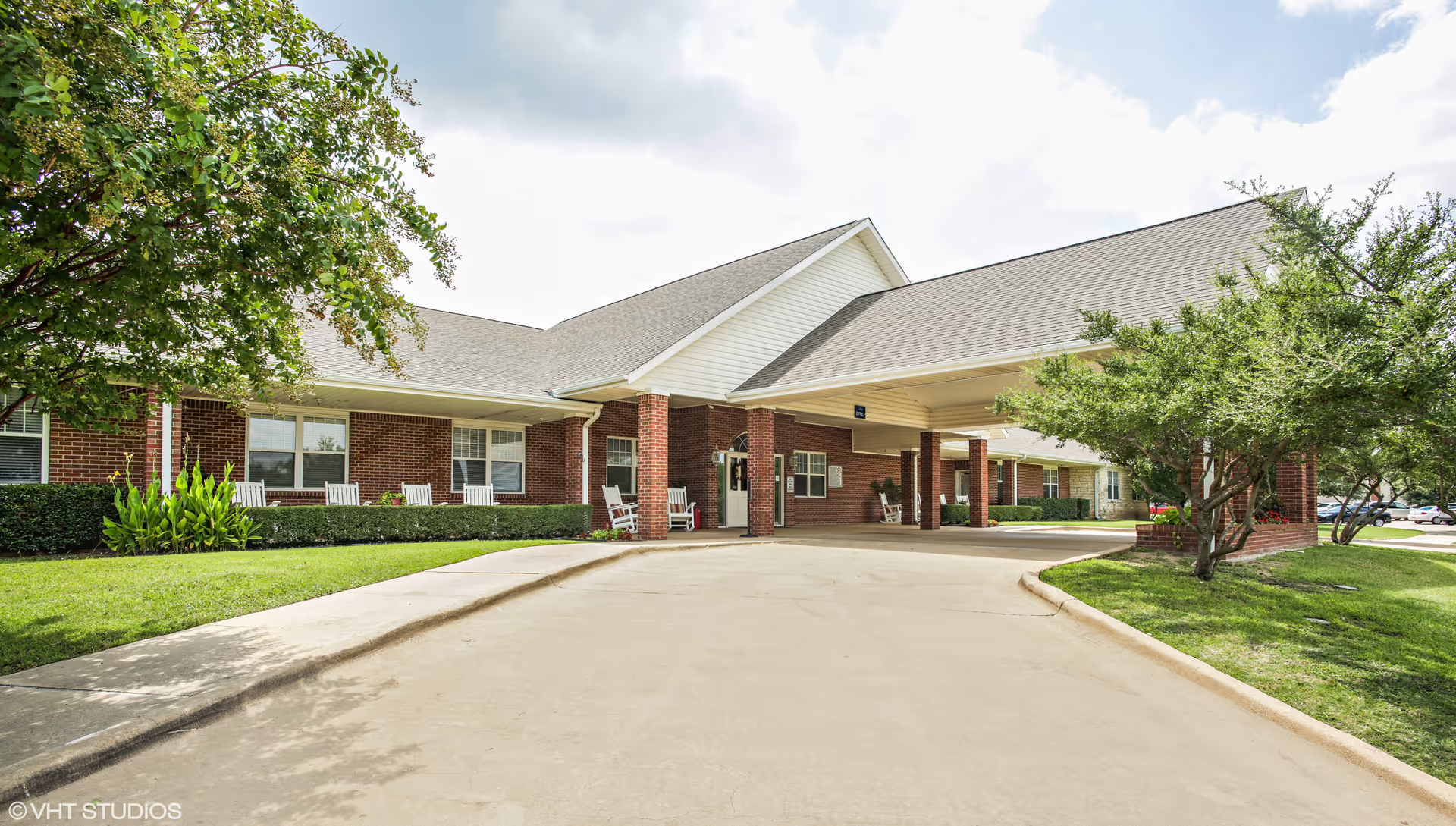
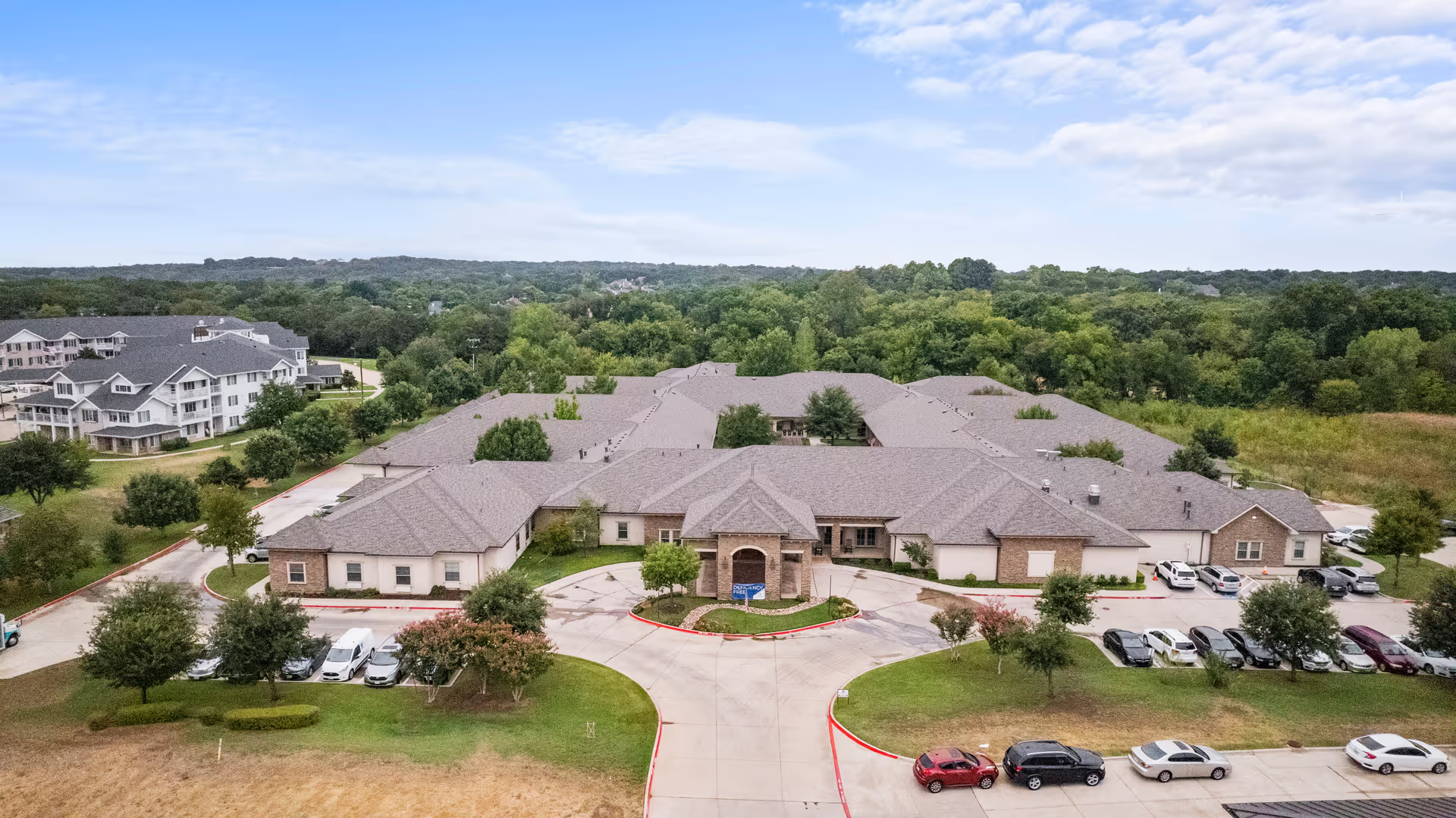
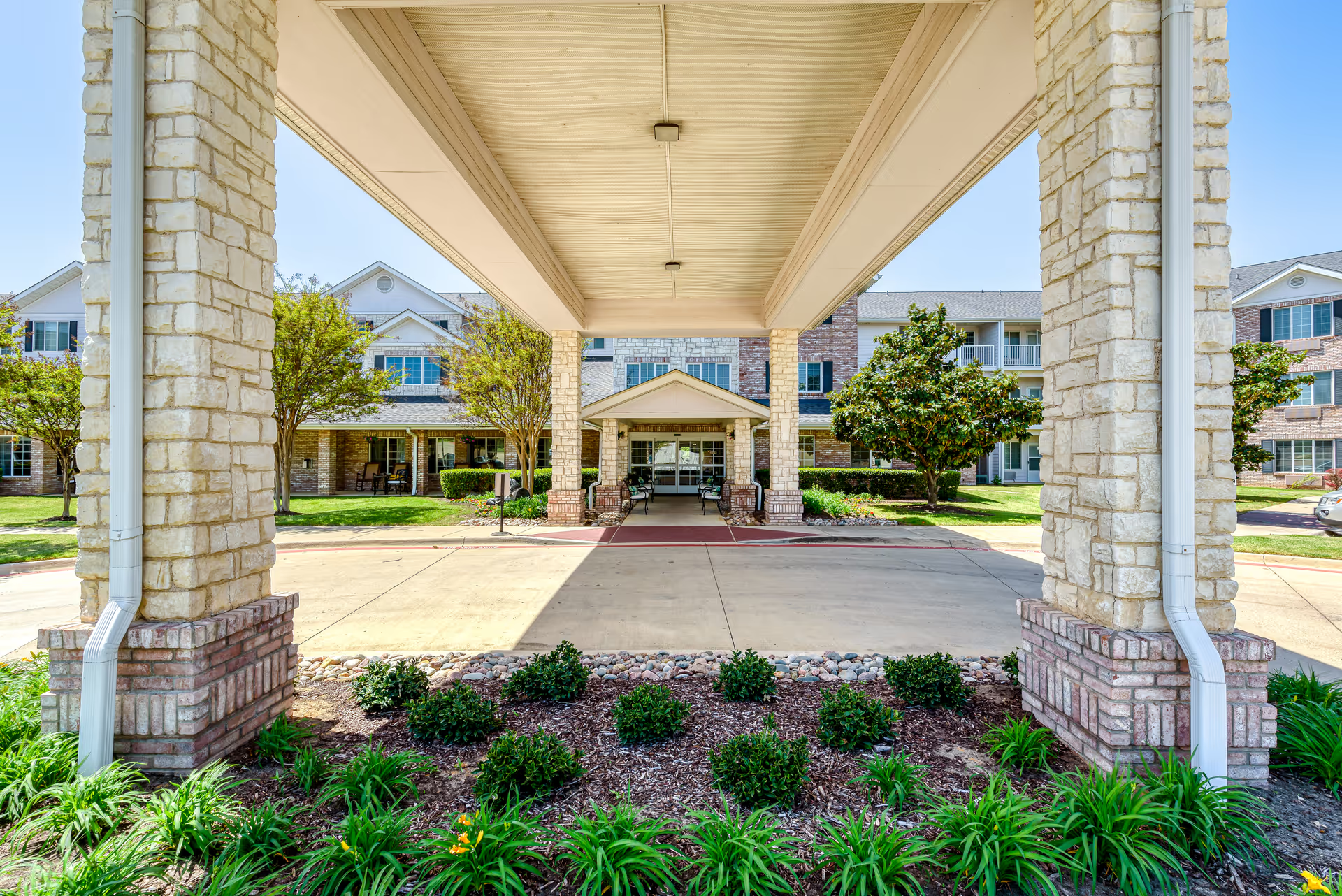
Discovery Village at Southlake elicits a broadly mixed but strongly polarized set of impressions. Many families and residents describe a modern, well-appointed campus with apartment-style living, secure outdoor spaces, and on-site clinical resources such as physical/occupational/speech therapy and regular physician/PA presence. The community's activity program, dining concept and social calendar are frequently praised: reviewers highlight restaurant-style dining, menu variety, chef involvement, frequent outings, art classes and an engaged activities director. Memory care and specialized programming are commonly cited as strengths, with multiple accounts of individualized care plans, supportive transition assistance and strong family communication during routine operations.
At the same time, there is a consistent set of operational concerns that appear across reviews. Staffing stability is a recurrent theme: families report high turnover among direct-care personnel and leadership, and understaffing on particular shifts or floors. Those staffing gaps are linked to delayed responses to resident call signals, inconsistent medication administration, and variability in assistance for toileting, bathing and mobility. Several reviews describe lapses that indicate weaknesses in fall-prevention practices and in maintenance of call-system equipment; collectively these suggest a need to verify shift coverage, emergency-response protocols and equipment upkeep during any visit or tour.
Clinical and service consistency is uneven. While some reviewers describe thorough nursing oversight, proactive care plans and rapid clinical follow-up, others report gaps in medication supervision, delayed pain management, and incomplete care coordination. Housekeeping and laundry are similarly variable: many families praise clean, well-decorated common areas and prompt room maintenance, while others note delays or inconsistencies in linen exchanges and room cleaning. Dining is a comparative strength for many, but reviews also reference occasional drops in food quality, long meal-service waits and issues with continuity when kitchen staffing changes.
Management and financial transparency emerge as important differentiators. Several reviewers credit long-tenured leaders and responsive administration with good communication and timely problem resolution; conversely, others cite frequent director changes, uneven executive engagement, and concerns about fee practices and ancillary charges. These governance patterns appear to influence frontline morale and service reliability. There are also isolated allegations of improper handling of personal items and questionable billing practices; families should solicit clear written explanations of fees and contract terms.
What this pattern means for prospective residents and families: the facility offers many substantive advantages—modern facilities, robust therapy and medical resources, engaging activities and strong memory-care programs when staffed and led well. However, service quality appears sensitive to staffing levels and management continuity. Visitors should prioritize verifying current staffing ratios (including licensed nursing coverage on the specific floor), ask about recent leadership turnover, review medication-administration and emergency-response protocols, inspect call-system functionality, and request written details on fees and ancillary charges. For residents with higher clinical needs or who are sensitive to delayed responses, confirming consistent on-shift staffing and speaking directly with therapy and nursing leaders before move-in is advisable.