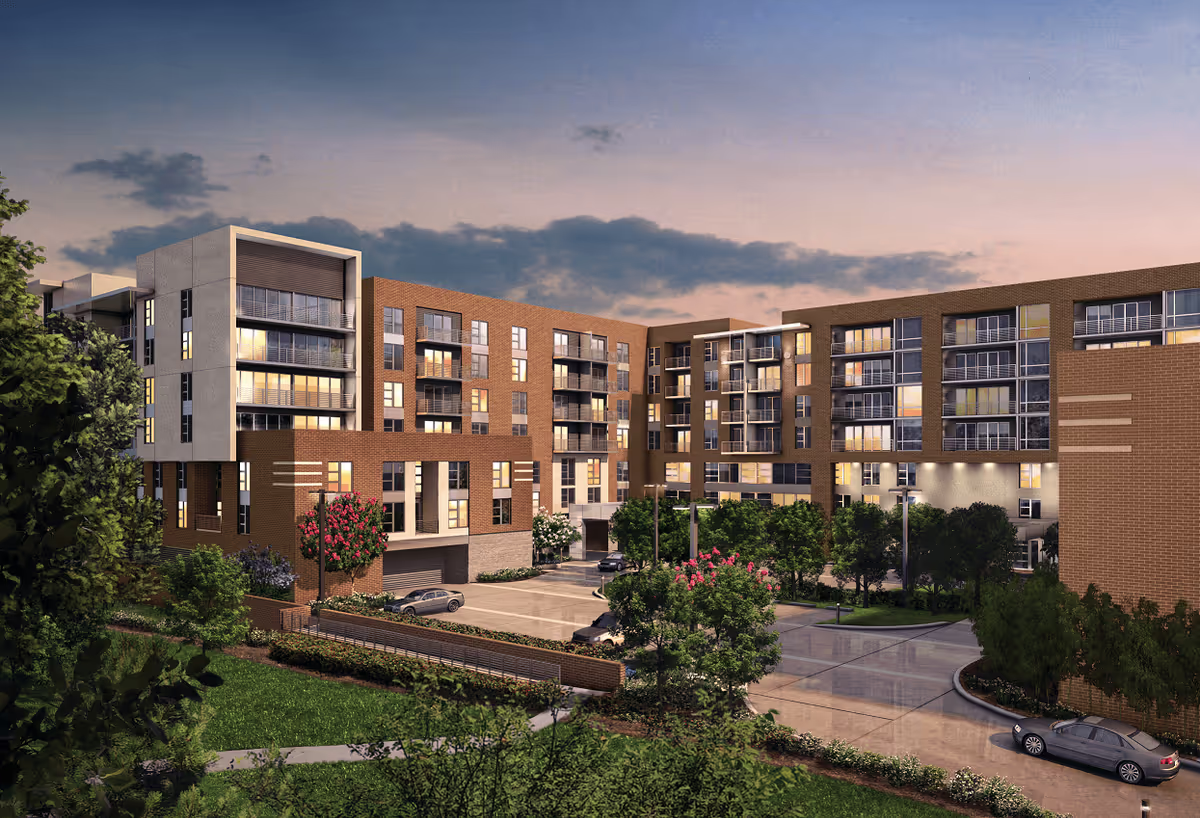
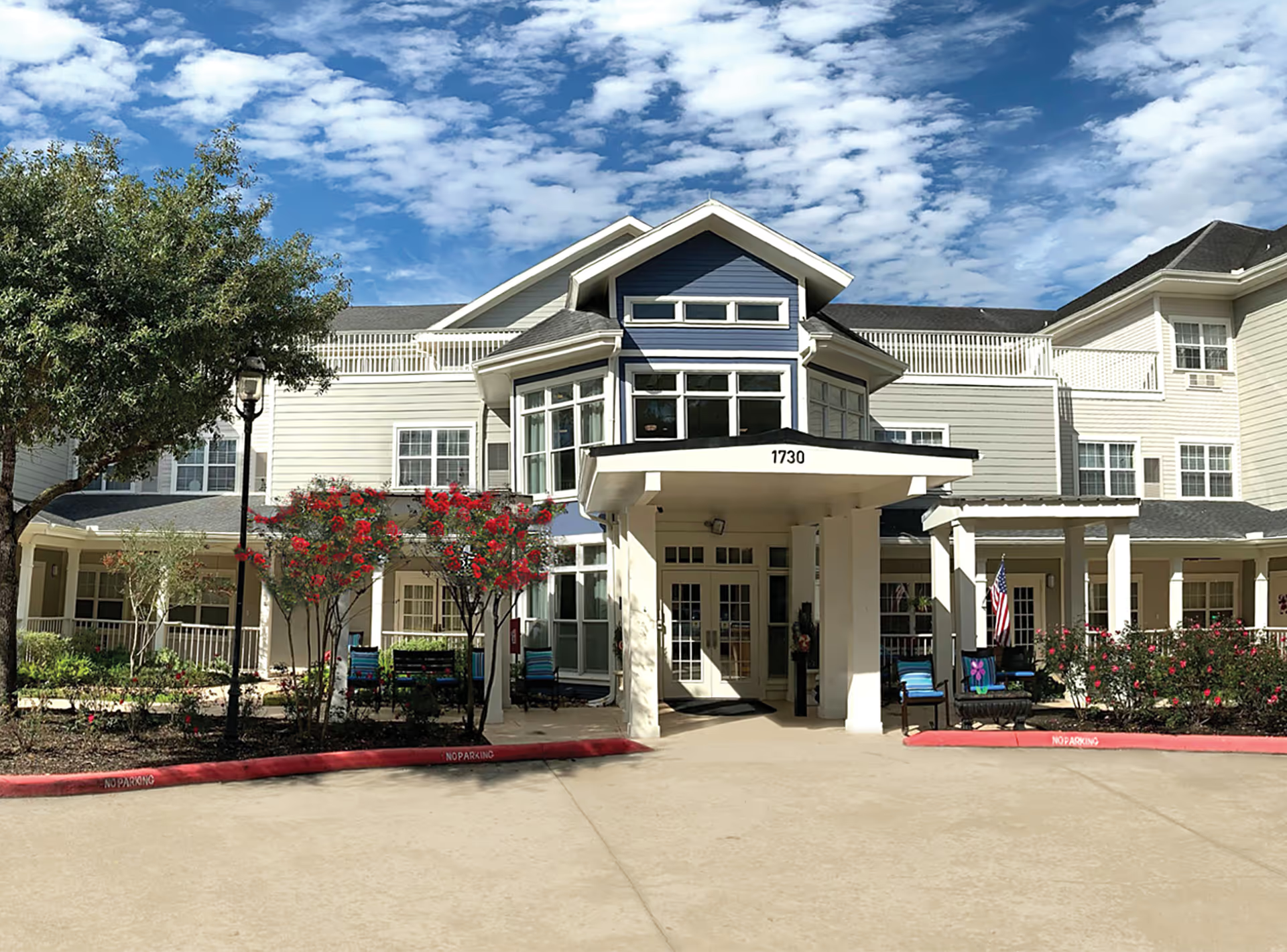
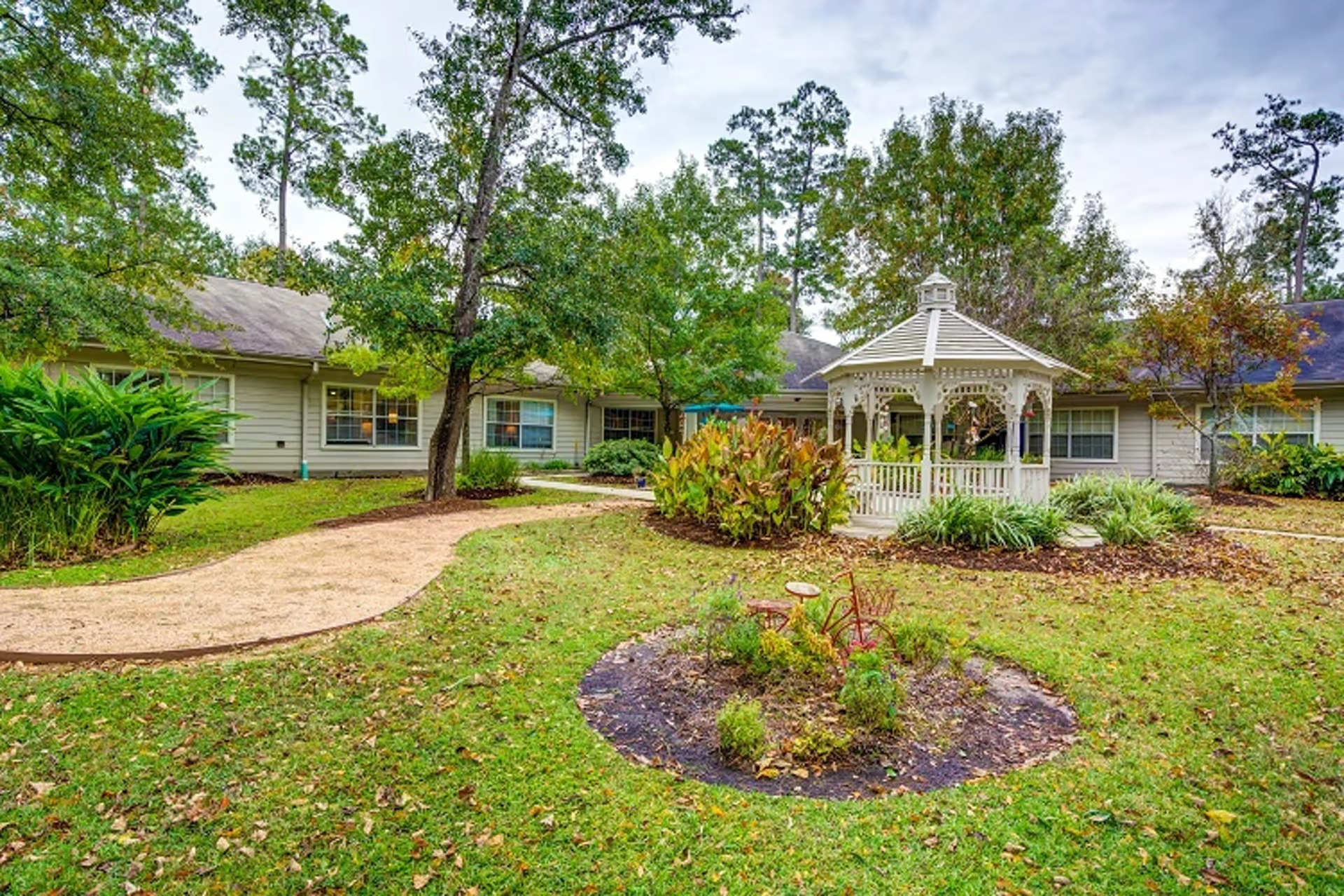
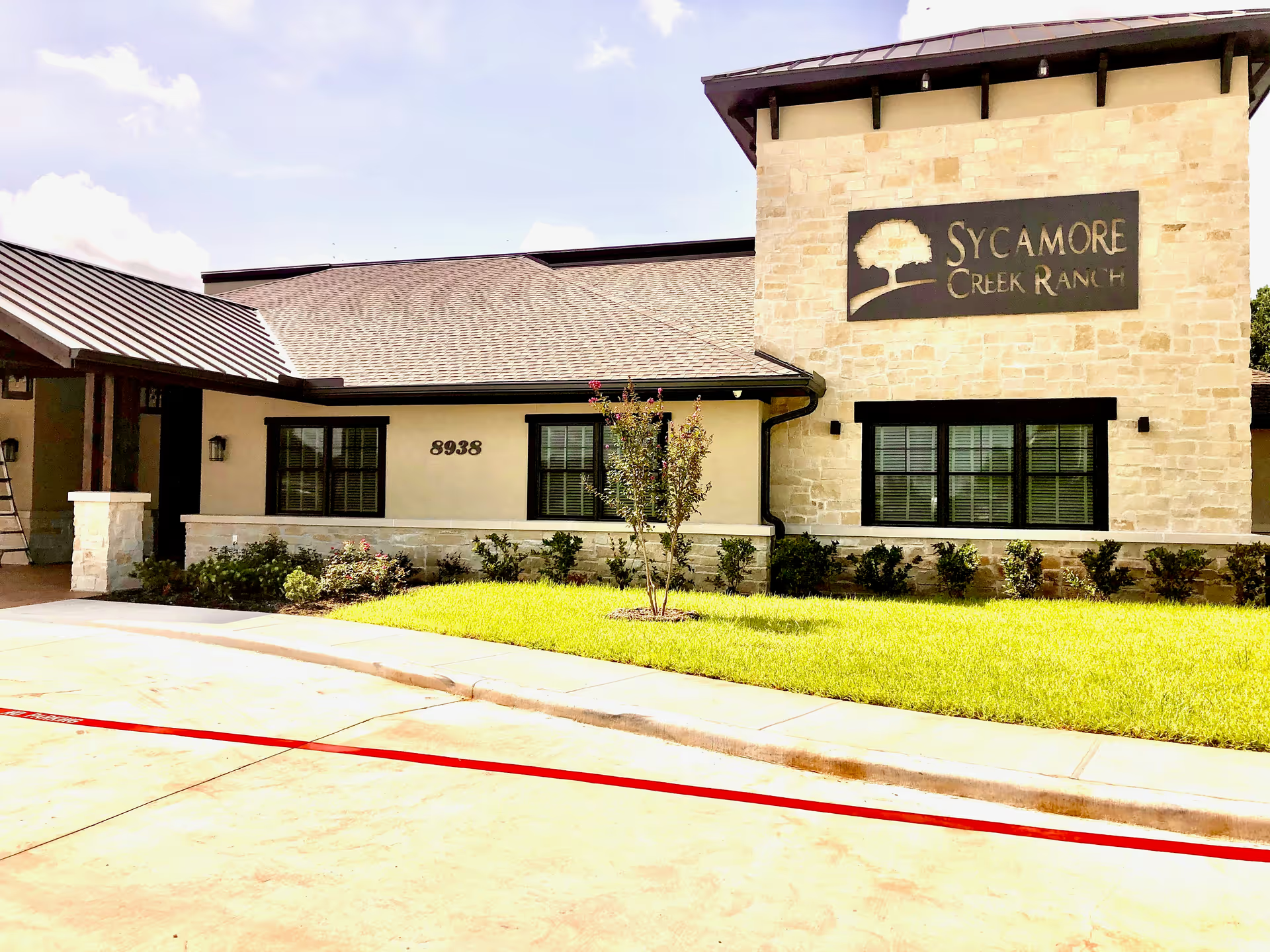
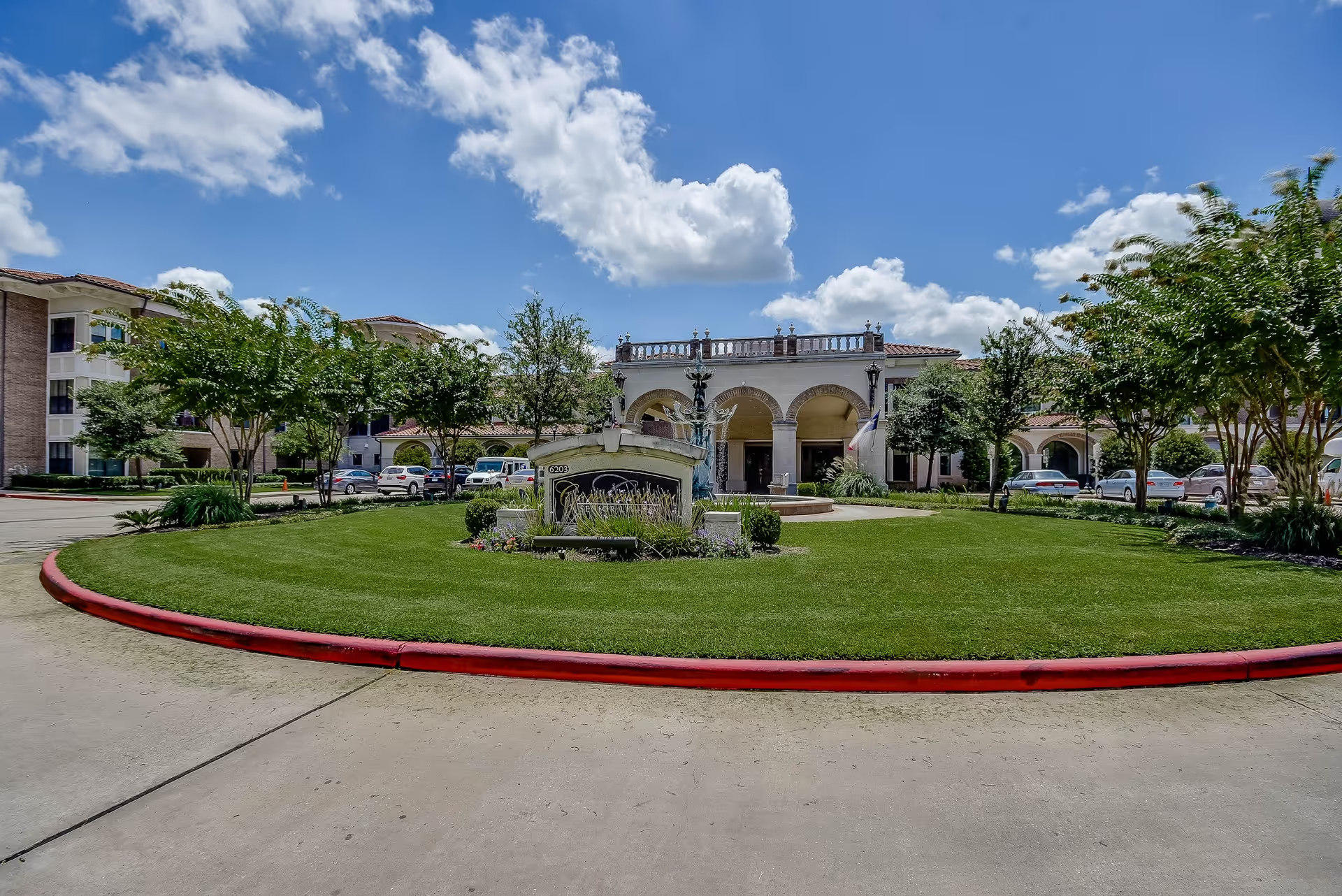
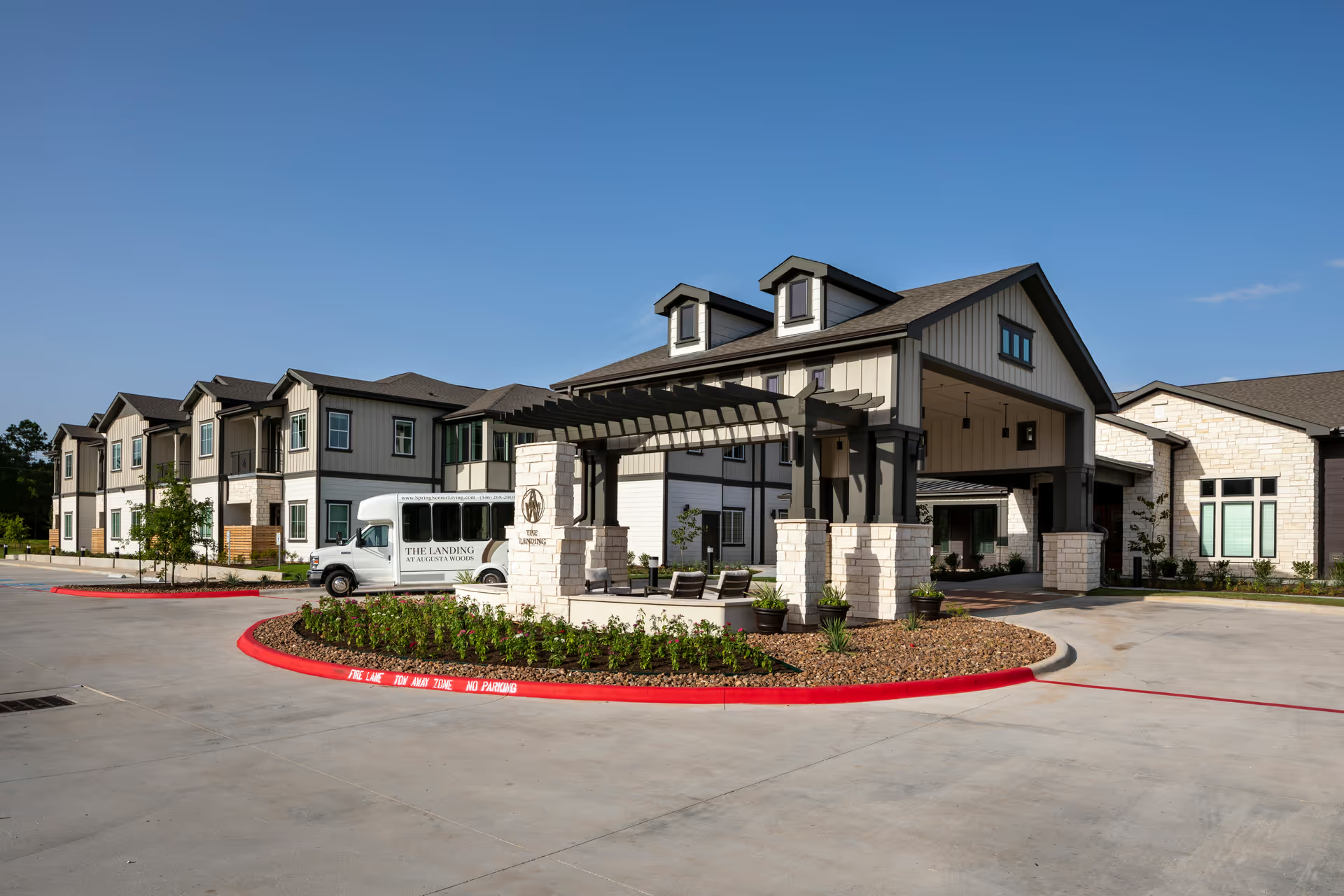
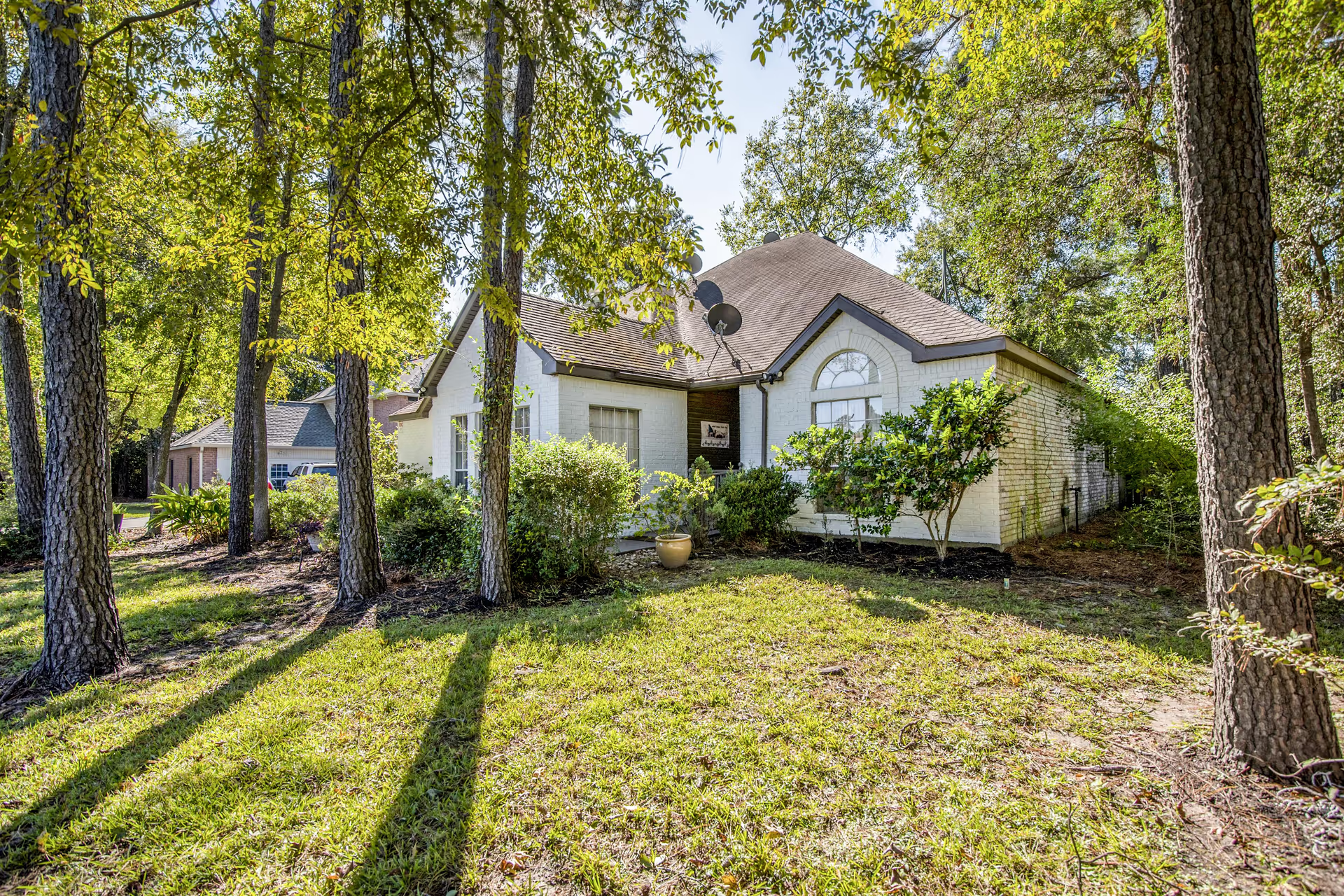
The Forum at The Woodlands is frequently described as a park-like, full-service continuing care campus that offers a broad set of on-site clinical and lifestyle services. Strengths highlighted across feedback include long-tenured staff, an engaged on-site management team, and a true continuum of care spanning independent living, assisted living, and memory care. The campus provides several on-site clinical supports — home health, physical therapy, routine nurse visits — alongside hospitality offerings such as a full-service hair salon, housekeeping, laundry, transportation by reservation, and amenity spaces (pool, gym, library, and multiple social rooms). Many families and residents emphasize the attractive grounds, pond and waterfowl, a range of apartment sizes including cottages and two-bedroom units, and generally helpful placement and touring experiences.
Care and staffing: Reviewers commonly praise the compassion, longevity, and professionalism of caregiving staff and program directors. At the same time, there are recurring concerns about staffing continuity and clinical coverage since the COVID period, with several accounts indicating reduced RN hours, increased reliance on other clinical staff, and periods of short staffing that affect service responsiveness. Families note that routine clinical touches (medication oversight, therapy coordination, and daily assistance) are available, but consistency can vary by shift and building.
Dining and services: Dining experiences elicit polarized feedback. Many reviewers remember higher-quality, restaurant-style dining and cite a recent redecorated dining room and improved oversight. Others describe an observable decline in meal consistency, presentation, and menu variety over time — including fewer choices for special diets and limited substitutions for residents with conditions such as diabetes. Meal-service continuity has sometimes shifted from formal dining to in-room service or alternative set-ups, and reviewers express a desire for clearer labeling and more flexible dietary support.
Activities and social life: The community offers an extensive activity program with clubs, game nights, movies, lectures, live entertainment, and frequent off-site trips. Residents generally find the calendar rich and engaging; however, a subset of feedback points to variability in program delivery and energy levels. Some families would prefer more consistent daily opportunities for outdoor walks or individualized outing support, particularly in assisted or memory-care settings.
Facilities, maintenance, and accessibility: The campus is large, attractive, and spread across multiple buildings, which many residents enjoy for privacy and variety but which also creates accessibility and wayfinding challenges. Outdoor walkways, building separation, and scooter traffic are operational considerations for less-mobile residents. Reviewers describe an aging physical plant with phased remodeling underway: updated units and public spaces exist alongside dated apartments, older carpeting, and deferred projects. Maintenance responsiveness is described as prompt for routine issues by many, yet other accounts identify delayed completion of specific repairs and longer-term refurbishment tasks. There are also mentions of isolated equipment or vendor reliability issues (for example elevator downtime and intermittent utility/vendor outages) that affect resident mobility and service continuity.
Management and notable patterns: Overall sentiment is mixed: many reviewers are highly satisfied with staff, social life, and the setting, while others express concern about management responsiveness, communication, and perceived shifts in corporate priorities such as staffing and dining investments. Pricing is frequently described as premium; a number of families question whether current service levels align with cost. Sanitation and cleanliness are generally viewed positively, but select common areas and specific buildings have been noted for sanitation or odor concerns that warrant attention.
Conclusion: The Forum at The Woodlands presents as a well-appointed, service-rich continuing care community with clear strengths in staffing stability, on-site clinical services, amenities, and an active lifestyle program. Prospective residents and families should weigh those strengths against operational considerations linked to an older, multi-building campus: accessibility for limited-mobility residents, variability in dining and activity consistency, occasional maintenance backlog, and episodic staffing fluctuations. A focused conversation with leadership about current renovation timelines, staffing patterns, dietary accommodations, and contingency plans for building systems (elevators, utilities, vendor coverage) will help families determine fit for their specific care and lifestyle priorities.