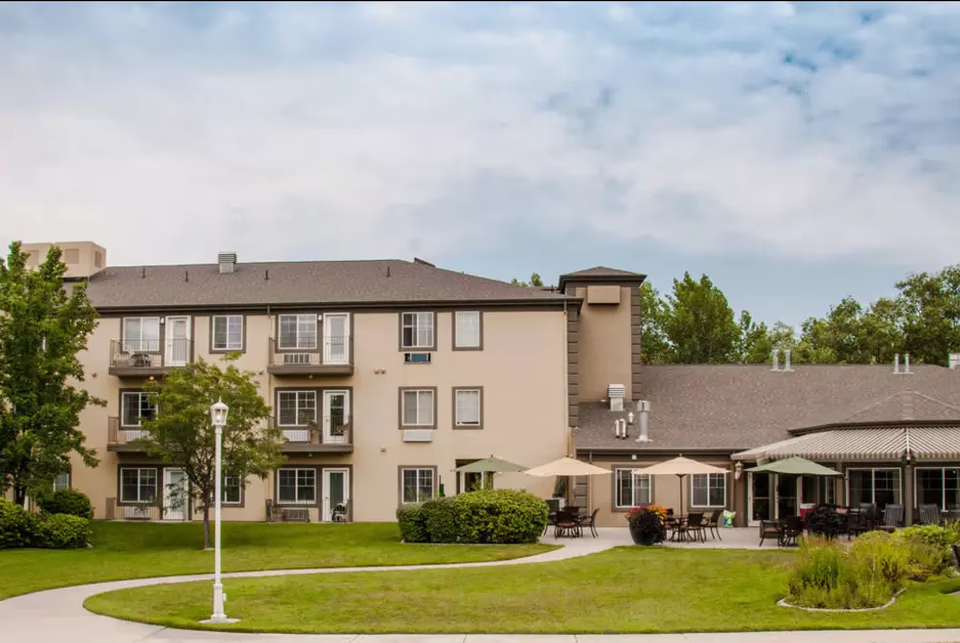
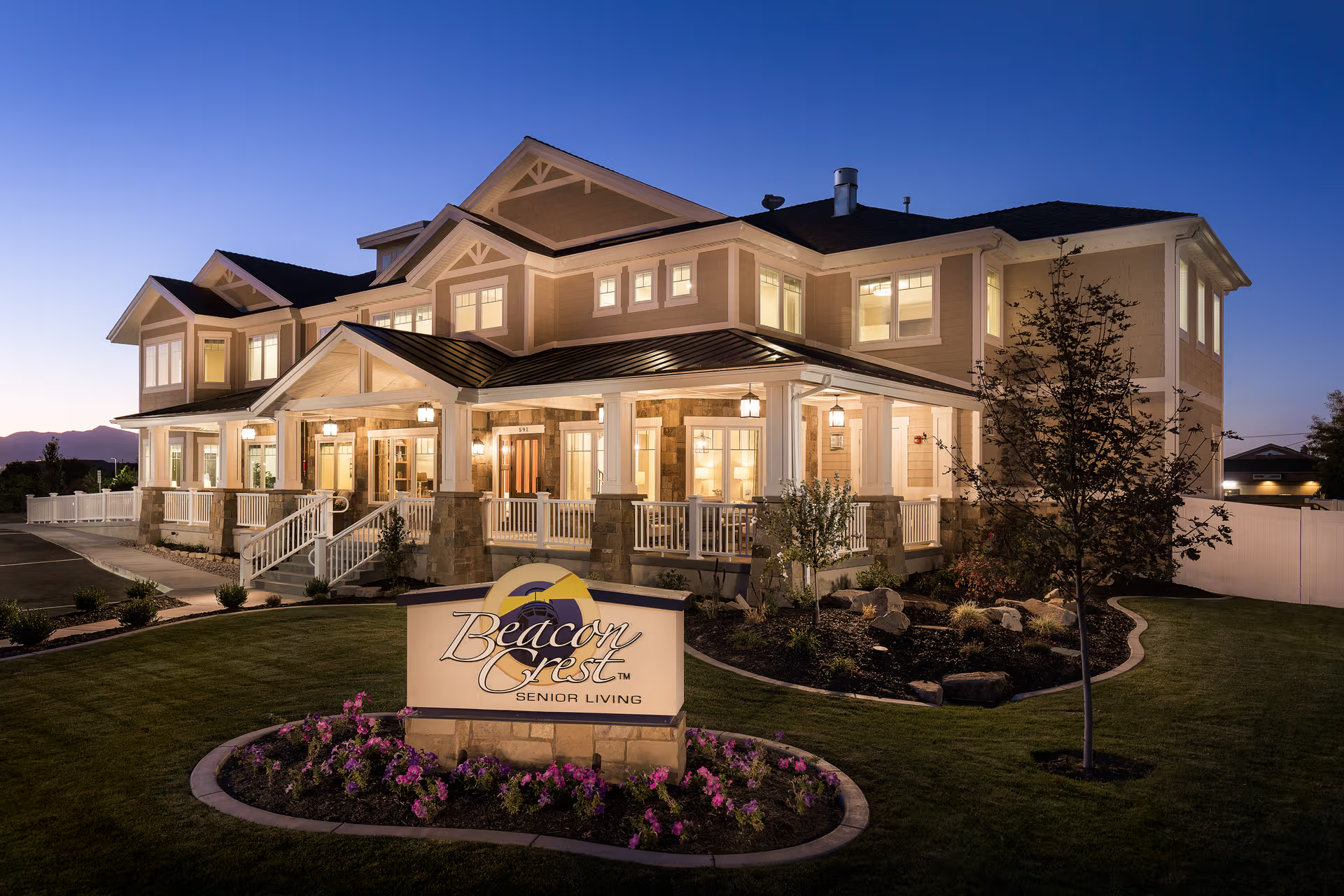
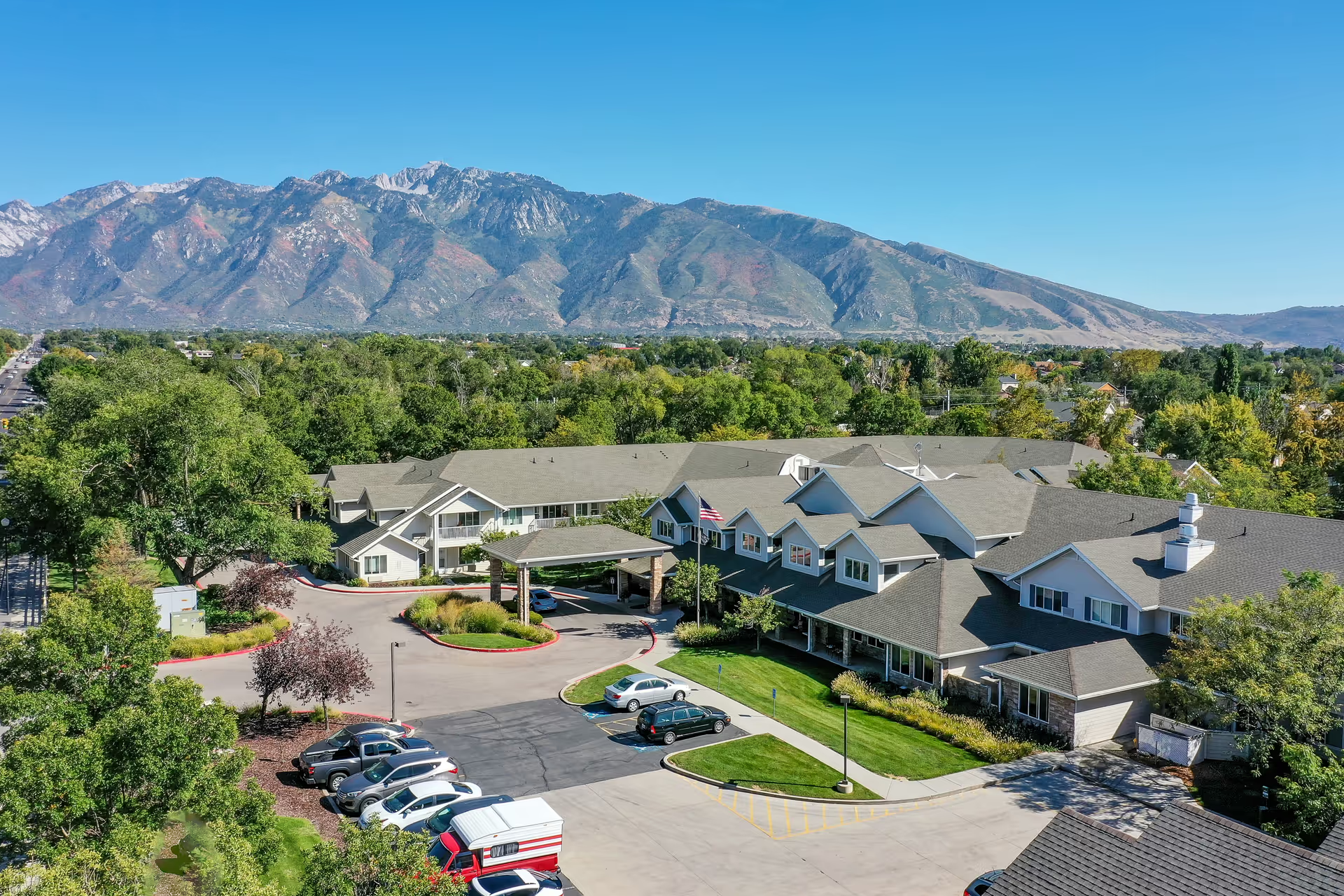
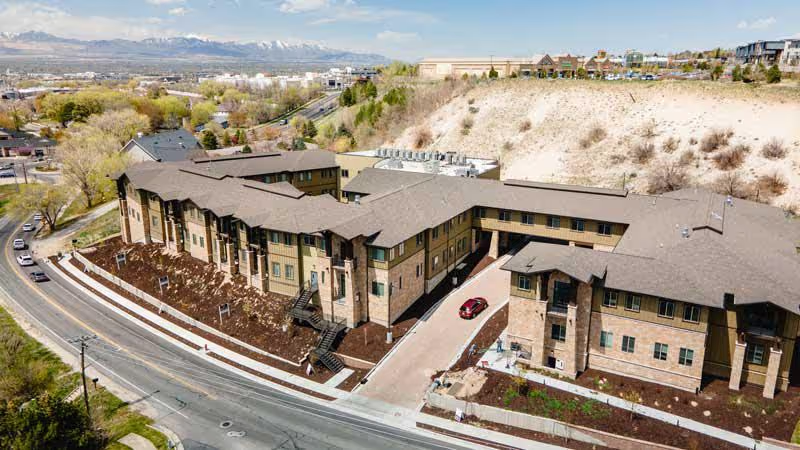
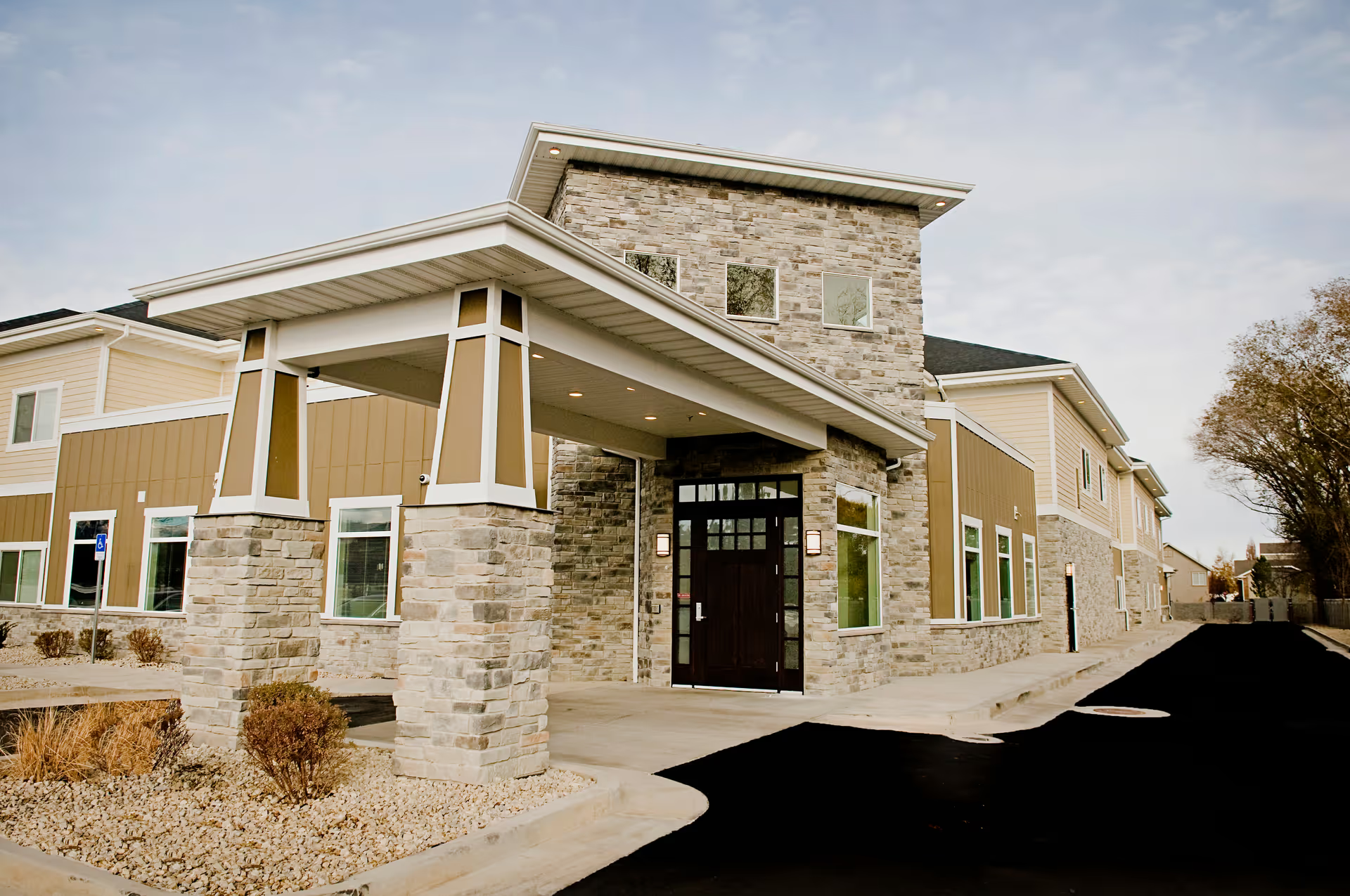
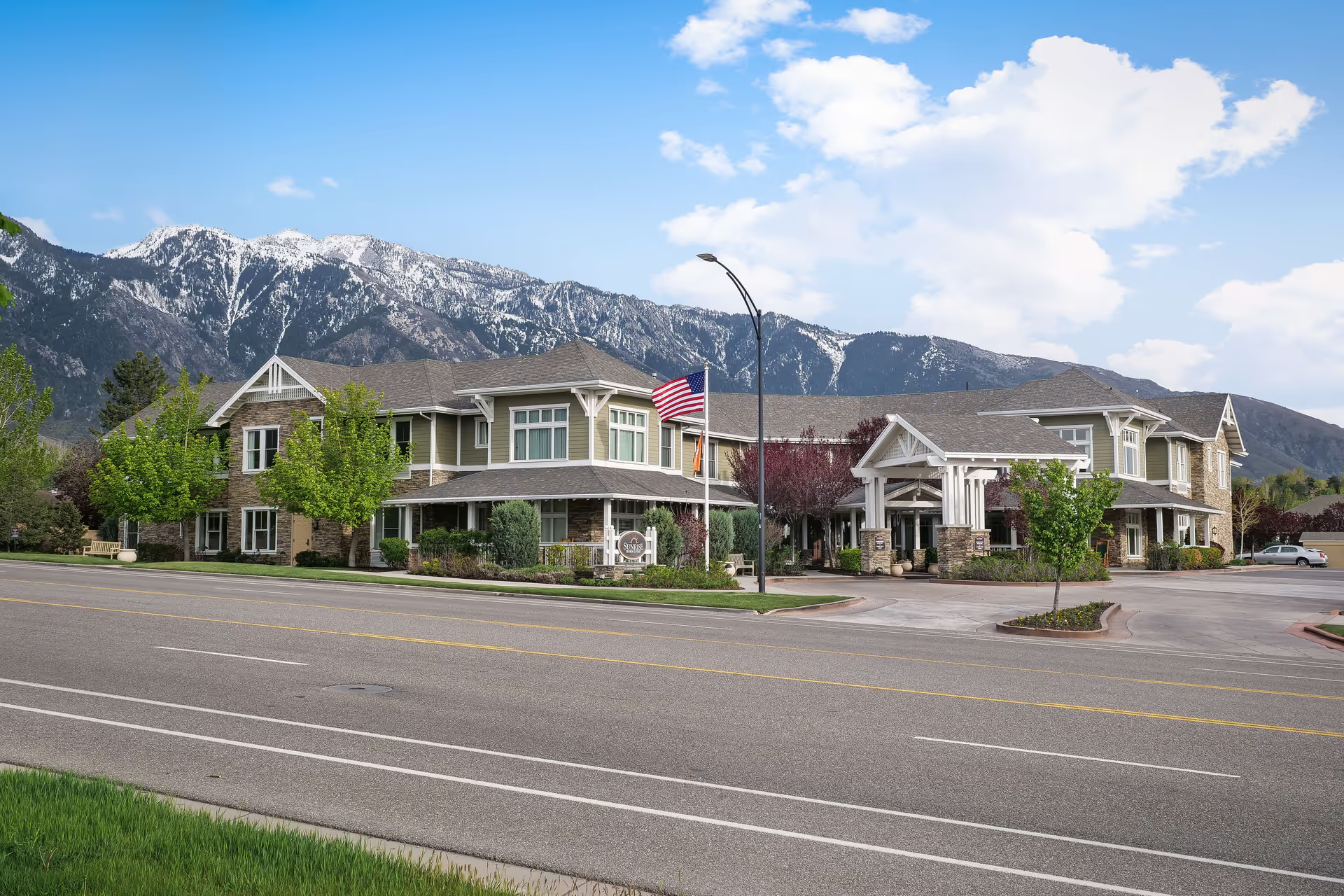
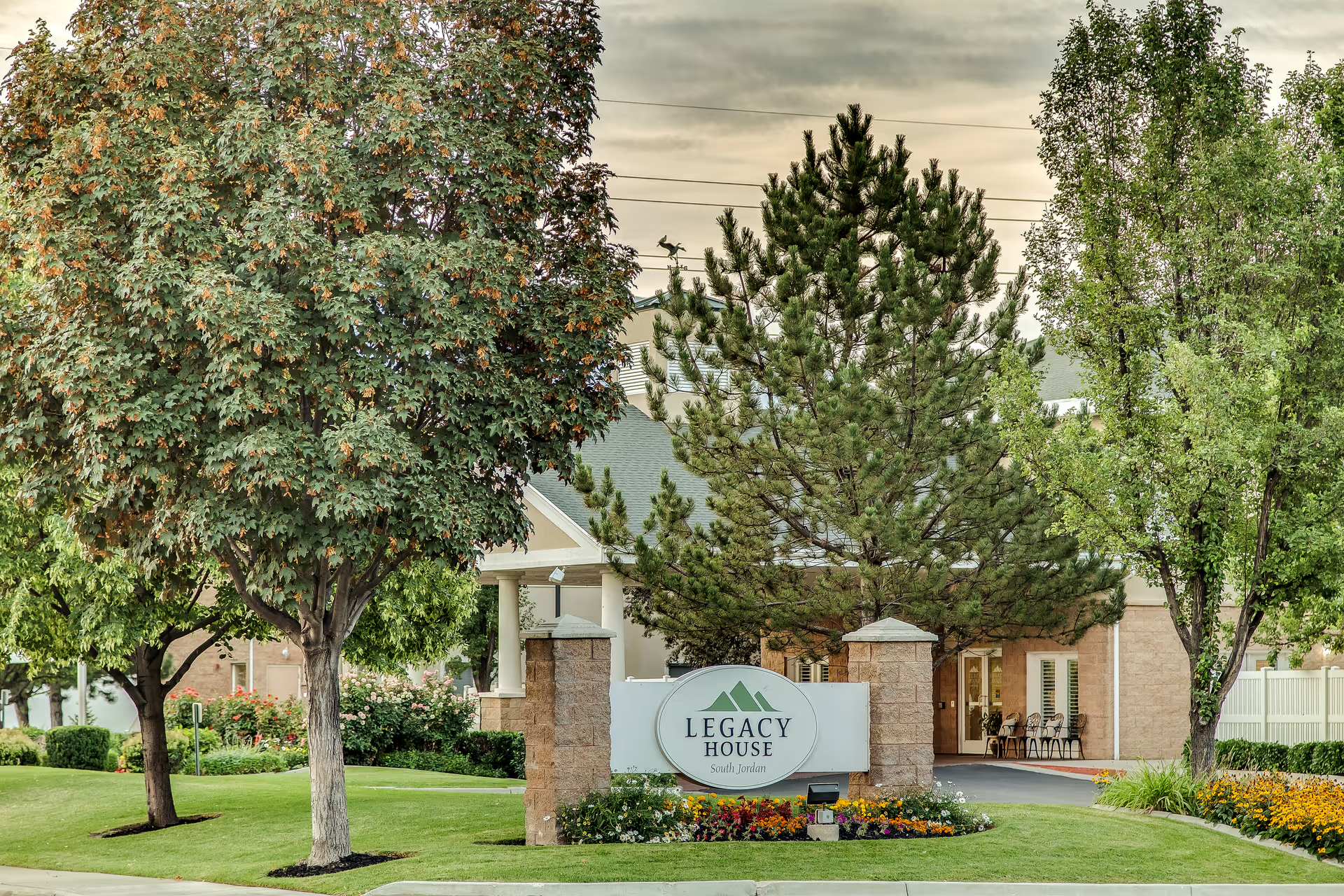
Overall impression: Valencia at Draper / Wentworth at Draper elicits a wide range of experiences, with many families praising the facility’s warm, home-like atmosphere, long-tenured caregiving staff, and robust activity program. Positive comments commonly reference caring CNAs and med techs, attentive nurses and managers, an organized dining team, active programming (including religious services, live music, outings and social events), and well-kept indoor and outdoor spaces. The community’s physical features — large rooms, patios, and memory-care–focused design — are frequently noted as strengths.
Care and staff: Many reviews emphasize compassionate, family-like interactions, proactive rounding, and staff who know residents’ names and preferences. Clinical support such as physical therapy and memory-care programming is available and appreciated. However, there are recurring operational concerns: inconsistent staffing levels and turnover create variability in response times and continuity of care; there are documented gaps in medication administration documentation and missed or delayed meds in some instances; and a subset of reviews describes transfer/handling issues that suggest a need for refreshed training or oversight. Additionally, there are examples of privacy and records-management errors that point to lapses in administrative controls.
Dining: Dining leadership and direct dining staff receive positive mentions for effort and organization. Many families report generally good meals and attentive service; others cite variability in menu quality, limited fresh vegetables and meats, and occasional failures to provide texture-modified meals as requested. Budget constraints are referenced as influencing menu choices. Prospective families should ask about specific dietary accommodations and meal planning processes.
Activities and facilities: The community offers an active calendar, opportunities for outings, religious services, hairdressing, and physical-therapy support. Common areas, patios, and living units are often described as clean and welcoming, with options to personalize apartments. A minority of stays — especially short respite stays — describe limited initial amenities (for example, delayed setup of room furnishings) or reduced activity engagement, indicating that programming intensity may vary by unit or time.
Management, policies, and family communication: Management responsiveness is frequently praised, with several named staff receiving positive recognition. At the same time, multiple reviews cite communication breakdowns around billing, contract terms (including full-month payment requirements and arbitration clauses), refunds, and end-of-life notifications. There are serious individual claims that involve alleged coercive contract practices and financial handling; these are notable and merit direct inquiry and documentation during a tour or contract review. Families should request clear explanations of billing, refund, arbitration, and visitation policies before admission.
Patterns and practical guidance: The dominant positive pattern is strong interpersonal care from many frontline staff and an active, pleasant living environment. The dominant concerns are operational: staffing consistency, family communication, medication and documentation practices, dining consistency, and administrative controls (billing, records, privacy). Prospective residents and families should meet care staff, ask about staff-to-resident ratios and turnover, review recent incident/complaint handling procedures, confirm medication-administration protocols, examine contract and refund terms, and request examples of dietary and visitation accommodations. A tour that includes review of sample menus, activity schedules for the specific unit, and a meeting with the nursing leader will help clarify whether the community’s strengths align with an individual’s needs.