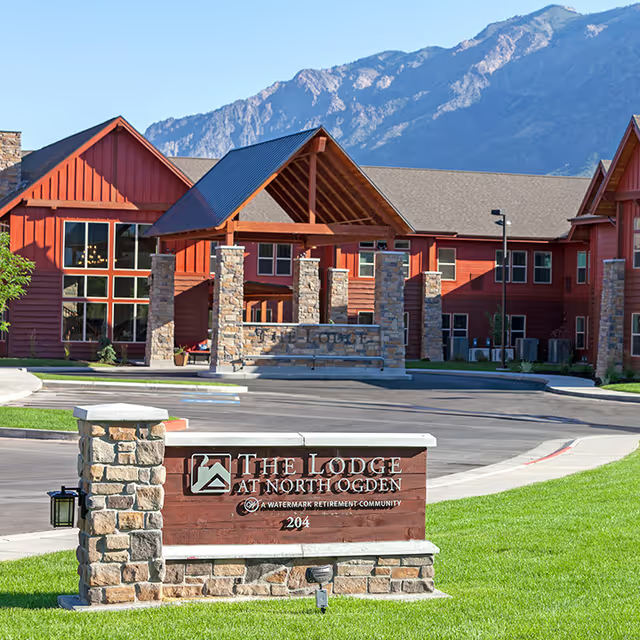
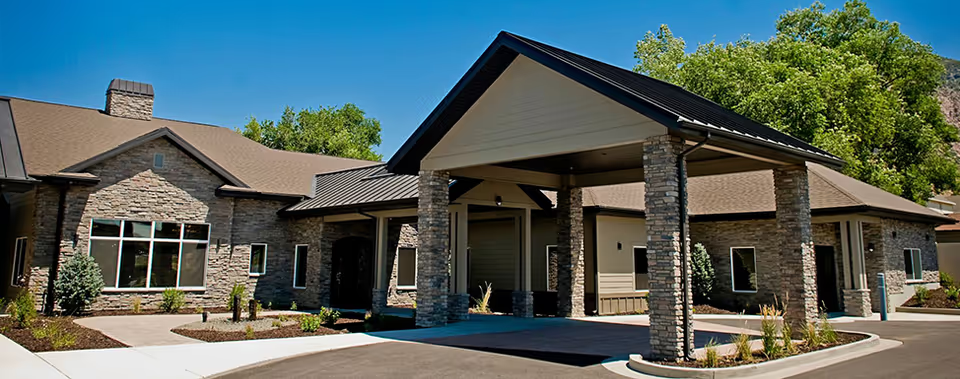
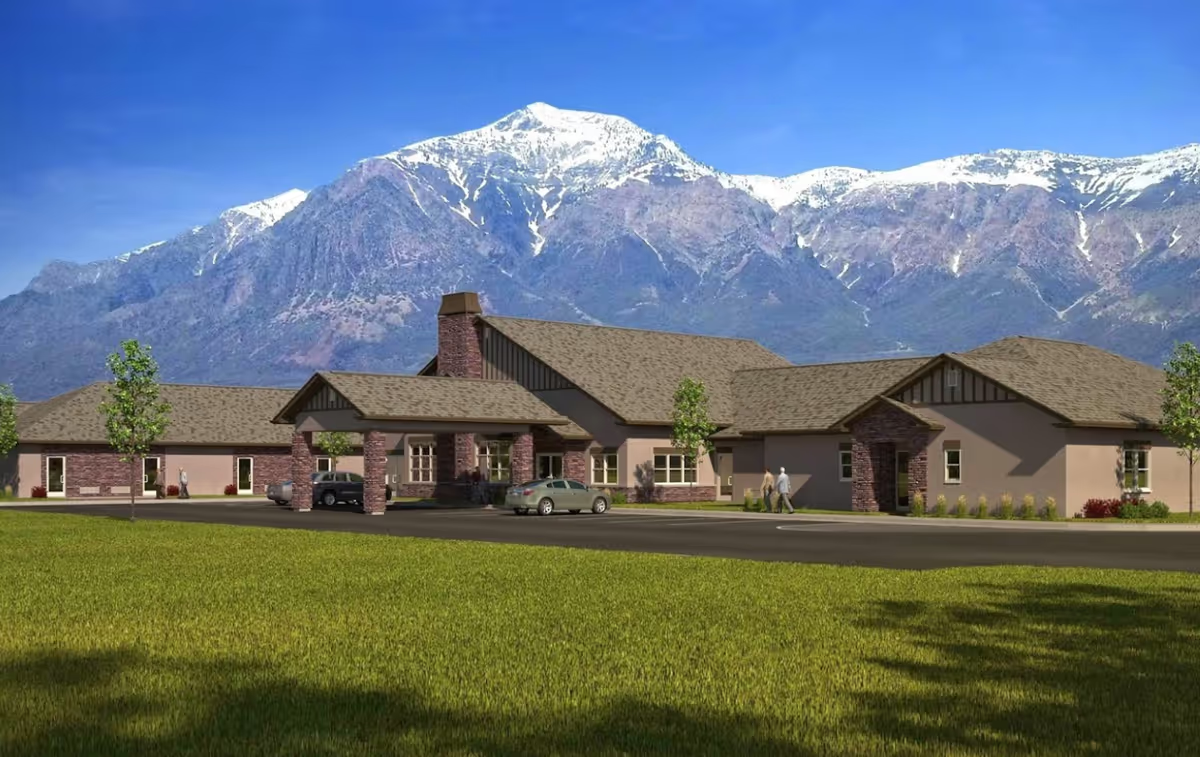
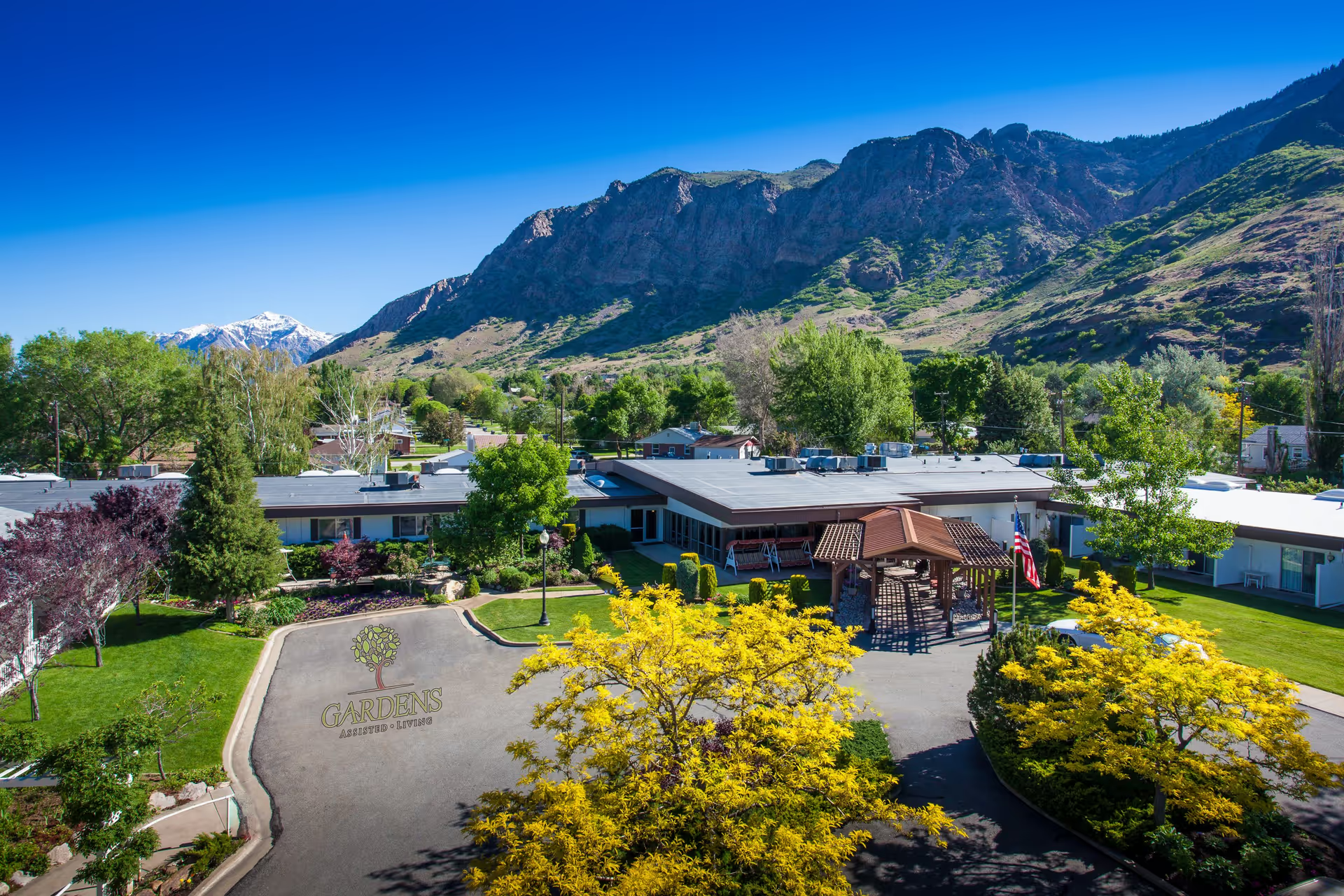
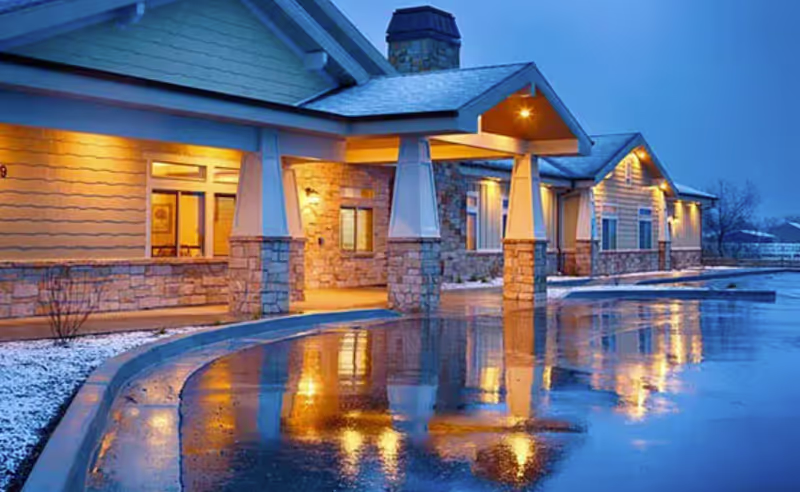
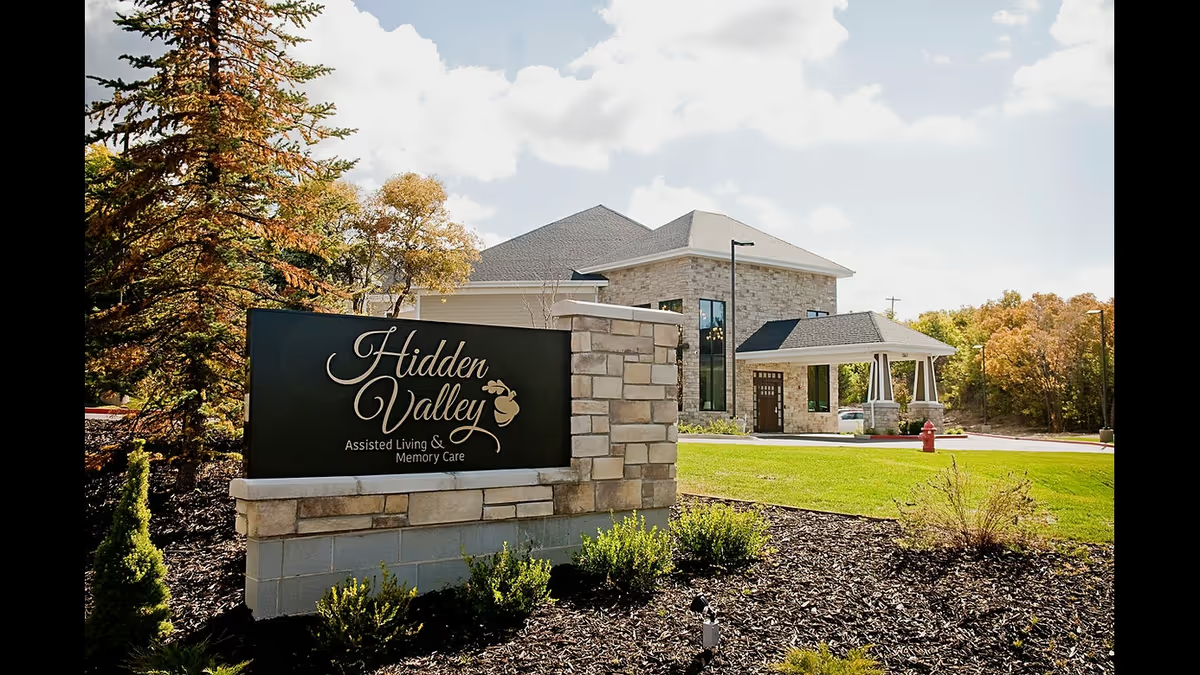
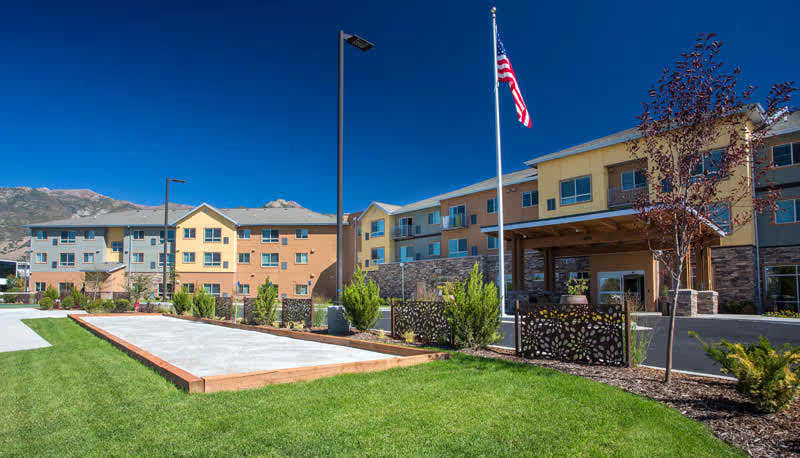
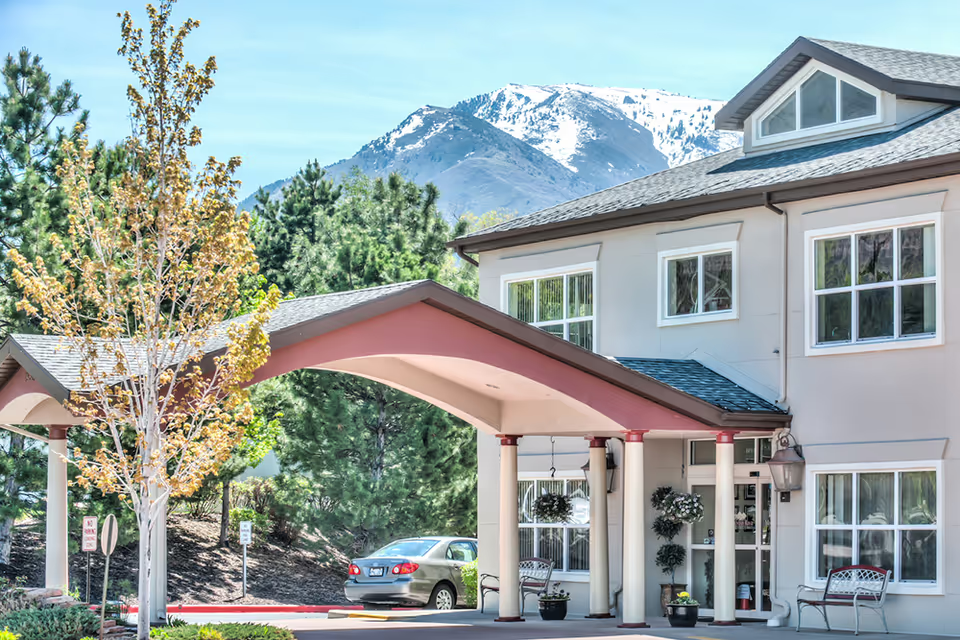
The Auberge at North Ogden presents as a well-maintained, newer assisted-living community with extensive on-site amenities and a consistently praised caregiving staff. Reviewers commonly highlight a warm, family-like culture, spacious and naturally lit rooms, attractive landscaping and outdoor spaces, and conveniences such as an on-site salon, chapel, theater, gym, and regular transportation for appointments and outings. Many families point to strong clinical supports (RNs, medication management, occasional in-house doctor access), reliable housekeeping and laundry services, and an active calendar of programs and excursions that contribute to resident engagement.
Care quality and staffing are described in generally positive terms, with numerous mentions of compassionate, patient-centered interactions and staff who go beyond basic duties to comfort residents and families. End-of-life support and individualized attention are cited as strengths. However, there are recurring operational concerns that prospective families should evaluate closely. Reviewers describe occasions of delayed clinical responses, gaps in wound-care follow-up and escalation, variable weekend clinical coverage, and instances where families felt communication about clinical events was insufficient. These patterns are best summarized as gaps in clinical incident response and family communication rather than isolated praise or criticism.
Staff and management perceptions are mixed. Many reviews praise specific leaders and long-tenured employees, crediting them with strong resident advocacy and day-to-day problem solving. At the same time, other comments indicate variability in supervisory oversight and staff conduct—examples range from interpersonal staff conflicts to perceptions of dismissive office interactions. Several accounts note that new management has been addressing legacy issues, suggesting organizational change is ongoing. Prospective families may want to ask about staff retention, training, reporting lines, and how personnel concerns are escalated and resolved.
Dining and programming are important draws: reviewers note a wide variety of meals, accommodating special orders, and an active schedule of social, recreational, and intergenerational activities. Memory-care programming receives positive feedback for creating social connections, though a number of reviewers indicate that participation of memory-care residents in general community activities can be inconsistent. Meal quality is described as variable by some—lunches often favorably reviewed while other service periods receive mixed comments—so sampling menus and observing meal service is advisable.
Facility upkeep and safety present a mixed picture. The community’s building and grounds are frequently praised for cleanliness and curb appeal, but isolated maintenance and sanitation issues are mentioned (worn hallway carpet, hard-water buildup on windows, variable restroom cleanliness, and pest-control concerns in a few units). There are also operational issues tied to access control (doorbell or front-desk responsiveness) and some safety process concerns related to falls and timely assistance. A small number of serious individual incidents, including concerns following a resident’s death and abrupt resident transitions, were reported; these underscore the importance of reviewing incident-response protocols, transfer policies, and family-notification procedures prior to placement.
Overall, The Auberge at North Ogden is described by many families as a warm, well-appointed community with strong caregiving culture and robust programming. At the same time, recurring themes—staffing variability, maintenance and sanitation consistency, communication around clinical events, and transitions for higher-acuity residents—warrant specific inquiry. Recommended next steps for prospective residents and families: arrange a tour that includes the memory-care unit and dining service, request staffing ratios and weekend coverage details, review recent maintenance and sanitation logs, ask for examples of clinical escalation and family-notification procedures, and clarify placement/transition policies for residents whose care needs may change.