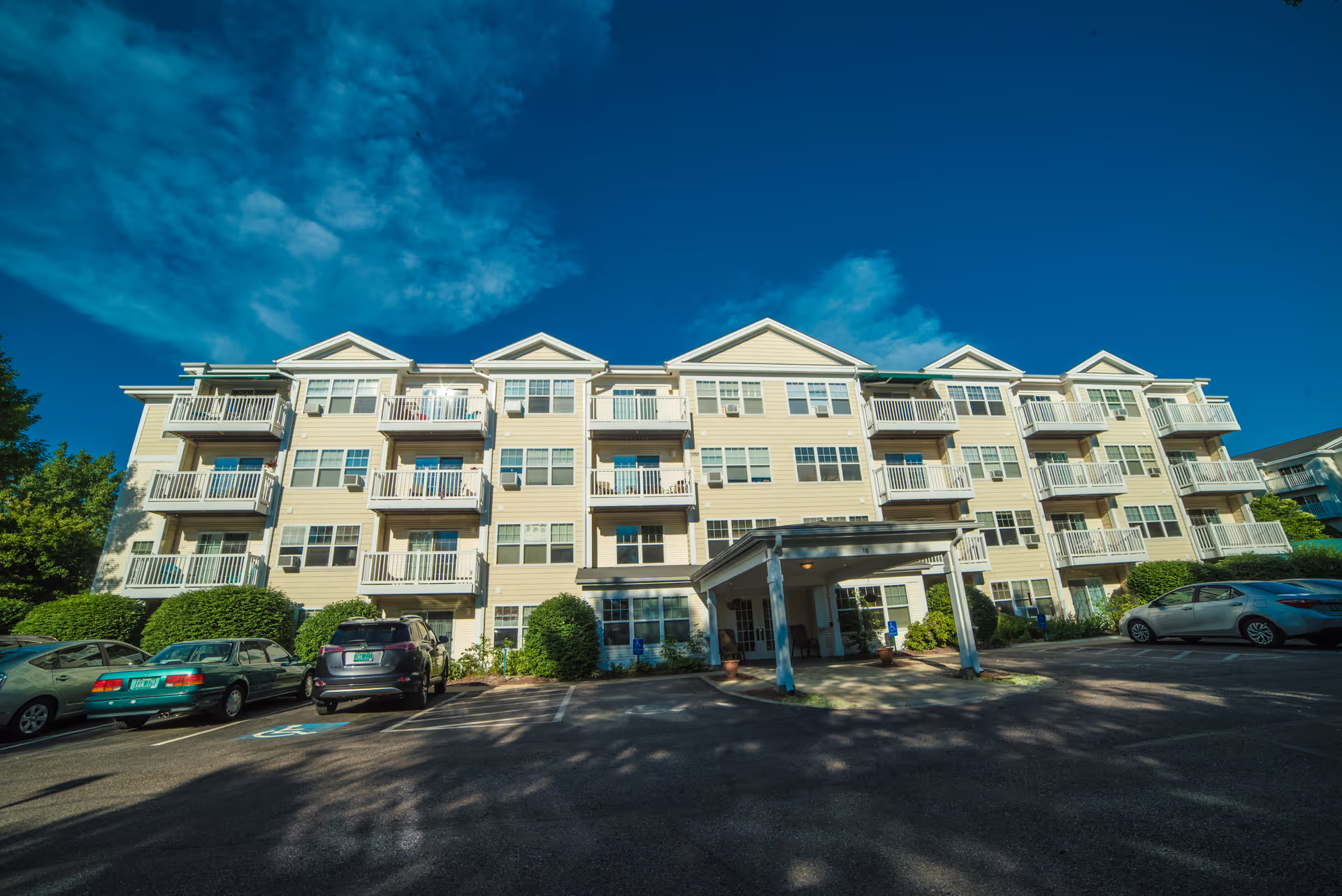
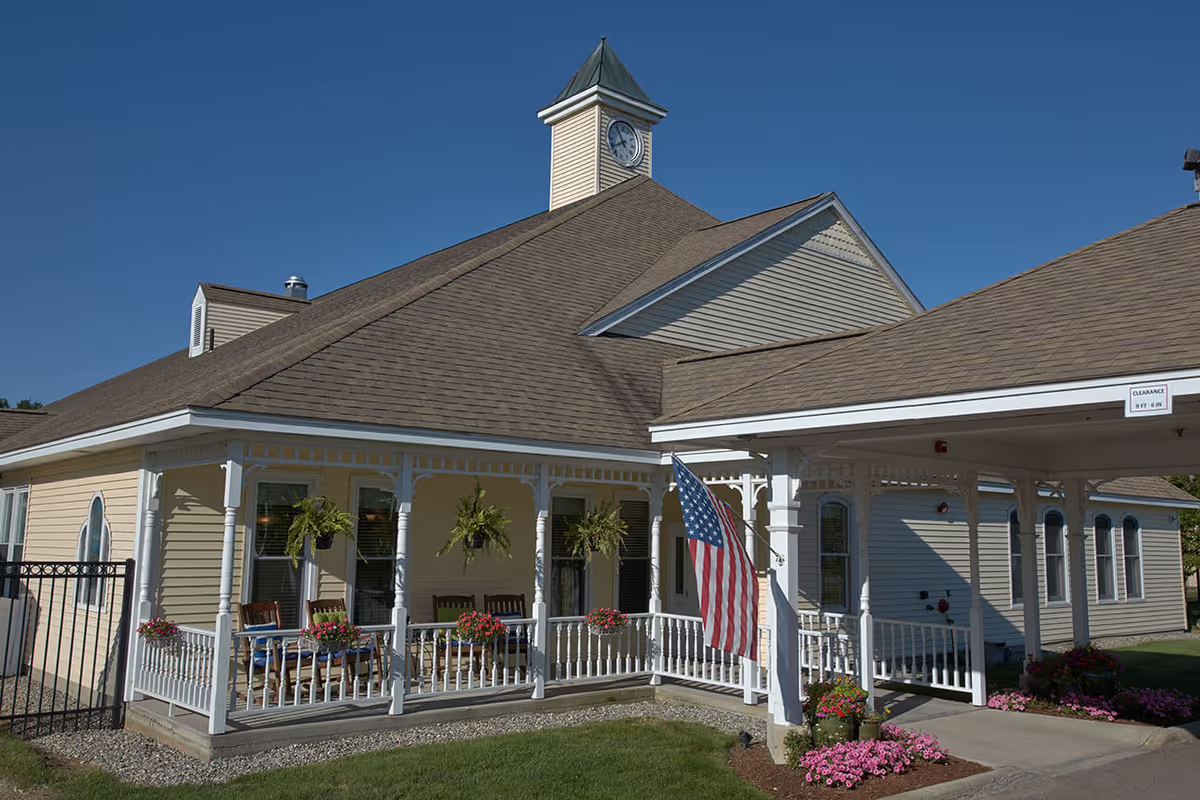
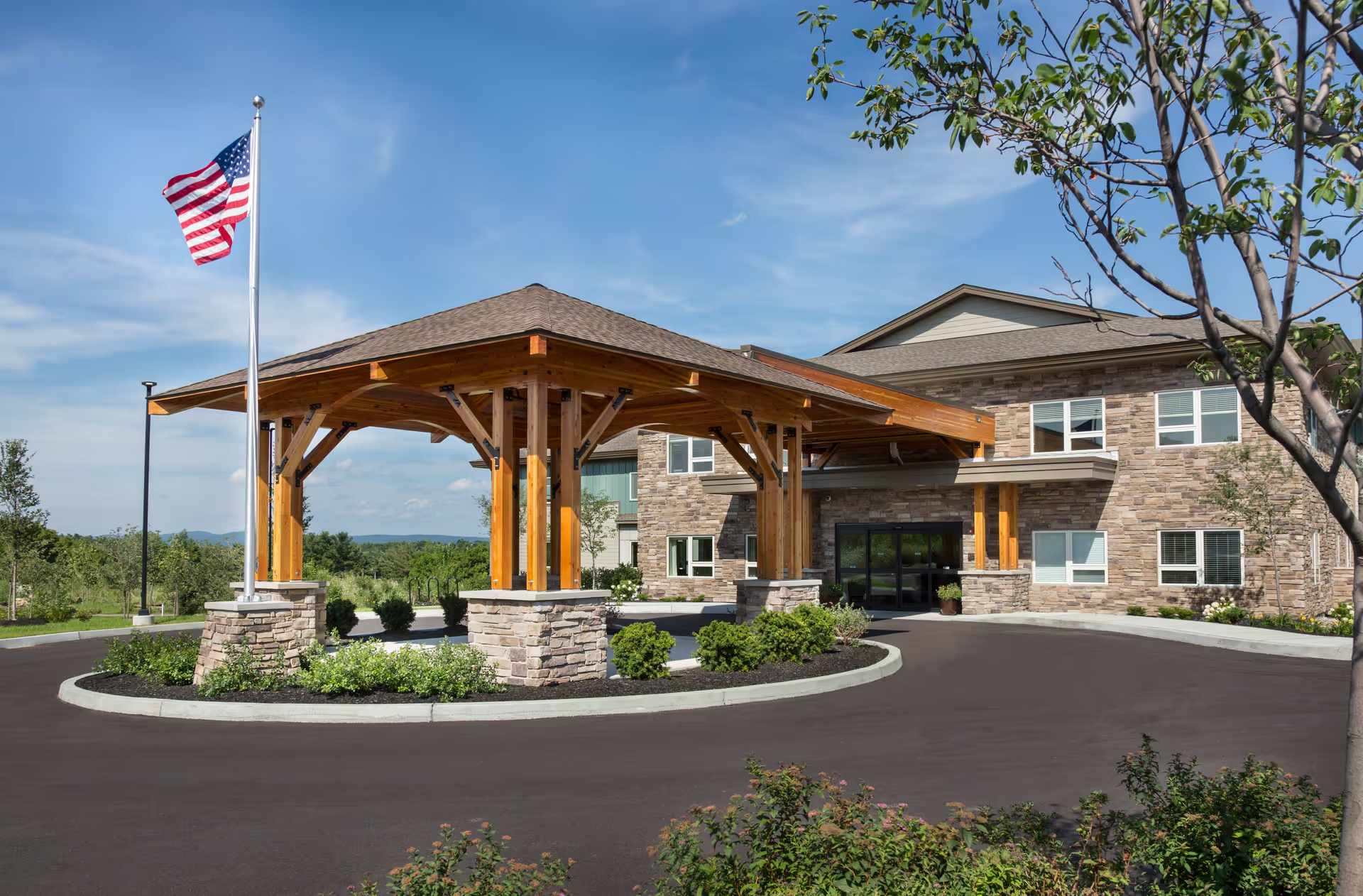
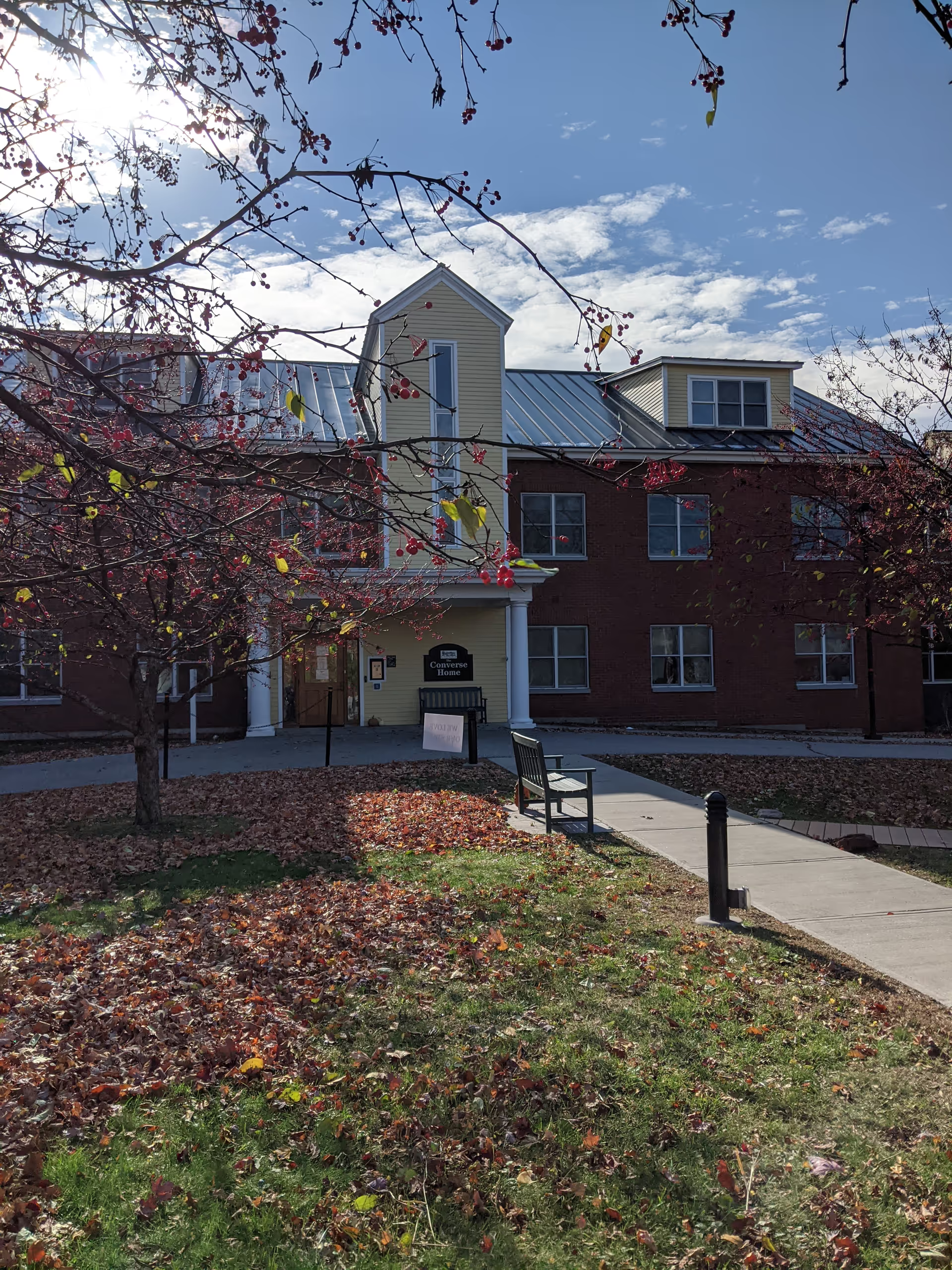
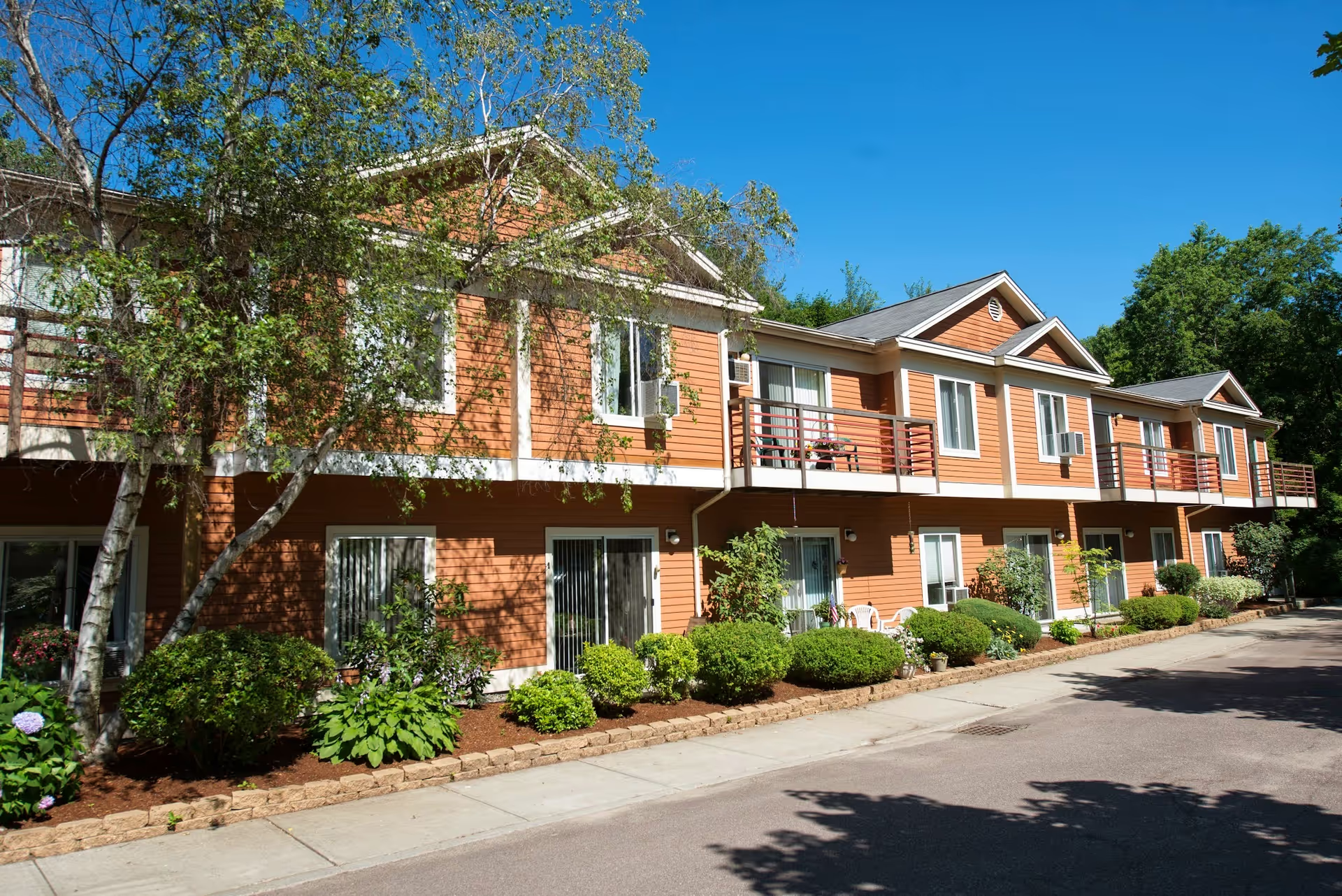
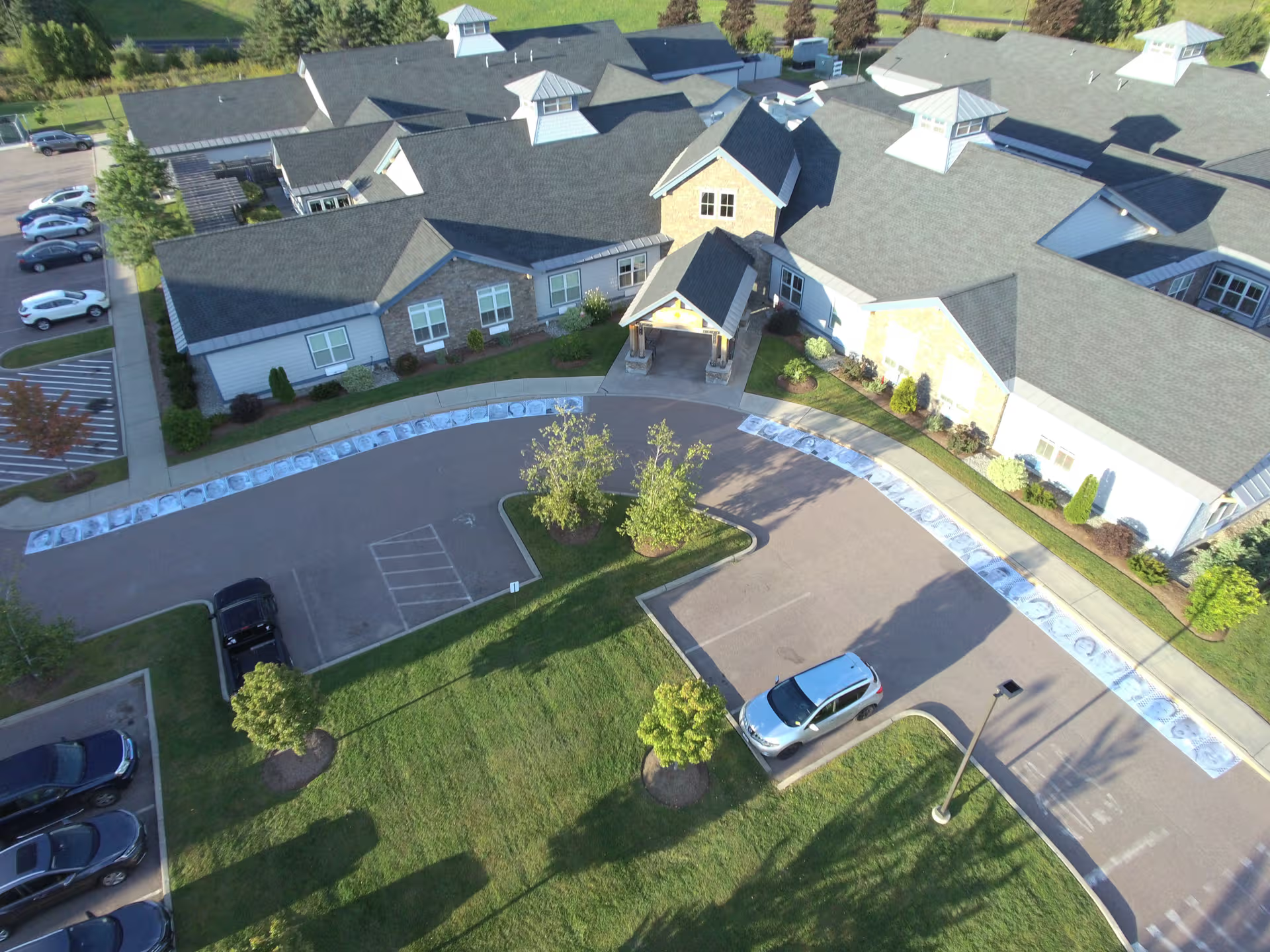
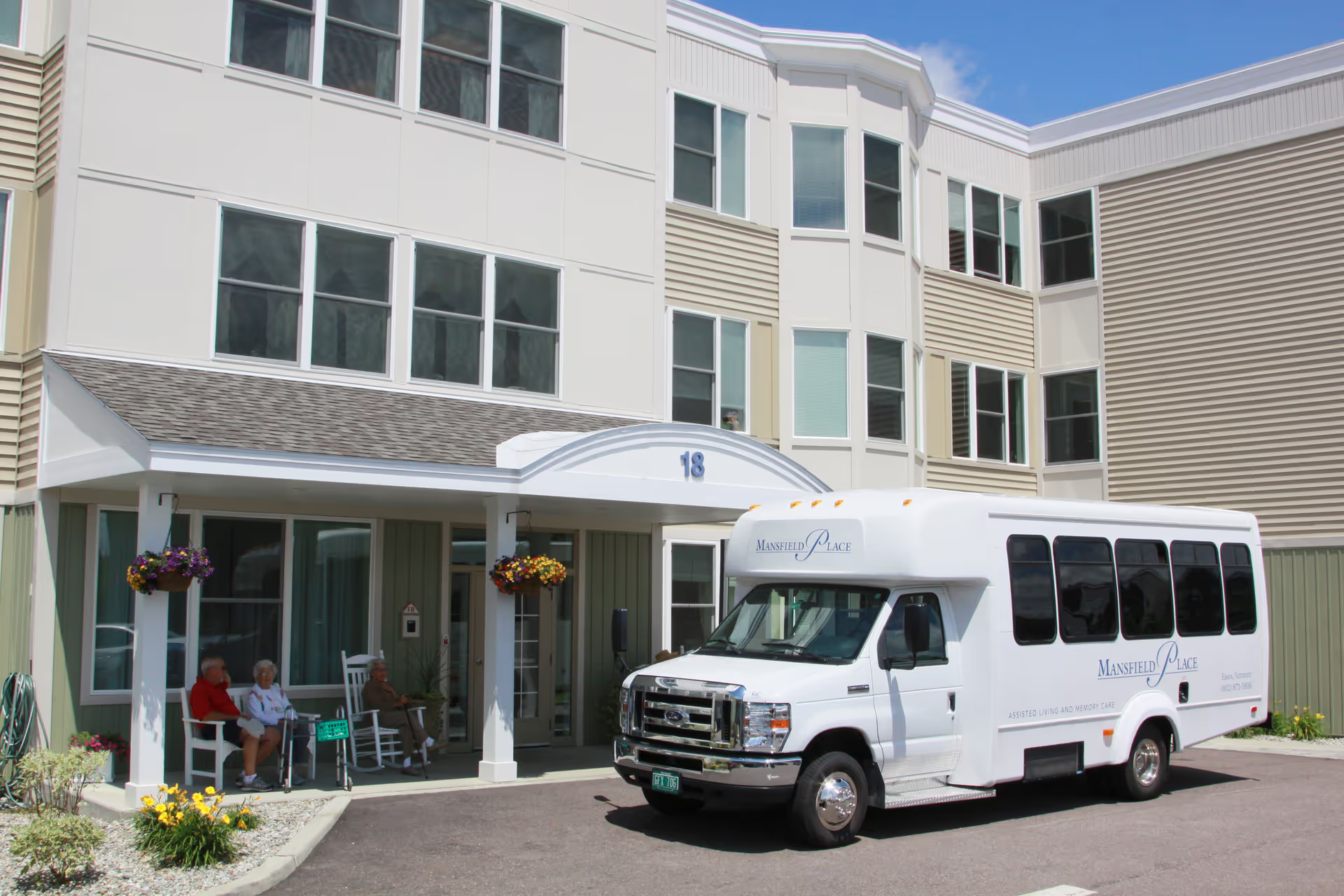
The Residence at Shelburne Bay generates predominantly positive impressions for its physical environment, amenities, and many elements of daily life. Reviewers consistently highlight attractive, park-like grounds with a pond and walking paths, bright and well-maintained interiors, and a range of apartment sizes (including furnished options and corner two-bedroom units with full kitchens). The campus offers numerous common spaces—library, salon, pub, courtyard and garden—plus an indoor therapy/heated pool and well-equipped fitness areas, which support both wellness programming and recreational use.
Dining and activities are notable strengths for many families. The community provides restaurant-style dining with varied menus, diet-restricted options, dessert selection, and social meal settings. Several reviews cite high-quality meals and a chef-driven approach, though experiences vary. A structured, robust activities calendar includes exercise classes, swimming, music and arts programs, gardening, outings, and memory-focused offerings; memory-care programming is described as tailored to cognitive, emotional and social needs and supported by a distinct activity schedule.
Care and staff dynamics are described in mixed terms. A large number of accounts praise compassionate, personable caregivers, proactive maintenance staff, and strong customer-experience coordination that facilitates smooth move-ins and ongoing family communication. At the same time, persistent operational concerns emerge: inconsistent staffing levels and notable turnover at lower staffing tiers and administrative roles; delays in responsiveness to resident needs; and variability in housekeeping thoroughness. A few reviews describe sanitation and incontinence-care delays as well as isolated but serious allegations relating to medication handling; these points suggest areas where clinical oversight and quality-control processes may need strengthening.
Management and cost patterns are additional themes families should weigh. Several reviewers described management instability and uneven administrative presence, which overlaps with reports of communication lapses and changes in programs. Pricing and fee structures are frequently described as high, with periodic increases and additional charges for some services; this affects long-term affordability for some residents. Operationally, some reviewers also noted infrastructure limitations such as internet reliability and parking constraints, and that memory-care rooms tend to be smaller and less decorative than assisted-living units.
Overall, the community offers substantial amenities, engaged programming, and many examples of attentive staff and well-delivered services. Prospective residents and families should balance those strengths against recurring operational themes—staffing consistency, housekeeping and meal-service reliability, management continuity, and cost transparency—when evaluating fit. A focused conversation with leadership about staffing patterns, clinical oversight, housekeeping standards, billing practices, and memory-care accommodations is advisable prior to move-in.