Overview The Woodland elicits a mix of highly favorable and critical responses. Many families and residents highlight the facility's strengths in rehabilitation, interpersonal care, and campus amenities. At the same time, patterns emerge indicating operational weaknesses that affect clinical reliability, housekeeping, and dining continuity. Prospective residents should weigh the facility's strong therapy and family-oriented culture against variability in frontline operations and oversight.
Care and clinical services Therapy services are a consistent strength: physical and occupational therapists are frequently praised for improving mobility and enabling return home after rehab. Several reviewers named therapists and cited measurable progress. Nursing and CNA staff are often described as compassionate and attentive, and weekend nursing coverage is cited as strong in some reports. However, there are recurring concerns about staffing consistency (including periods with minimal nurse coverage), delays in medication administration, and slow responses to call requests. A subset of reviews also raised serious concerns following a critical resident incident; these comments emphasize the need for clearer incident response, documentation, and family communication processes.
Staff, conduct, and management Staff behavior and competence are described as excellent in many units, with individual caregivers and administrators receiving specific praise. Nonetheless, reviewers describe unevenness across units and shifts: some units are praised for a collaborative, home-like culture while others are characterized by disorganization or poor follow-through. Management changes are cited as a factor in perceived declines in some areas. Communication gaps between families and leadership, difficulties reaching management, and inconsistent follow-through on administrative requests are recurrent themes.
Dining, housekeeping, and supplies Dining impressions vary from high-quality meals to complaints about portioning, presentation, and failure to follow special-diet or allergen protocols (notably gluten-free accommodations). Several reviewers flagged sanitation issues relating to food handling and dining service presentation. Housekeeping and laundry practices are inconsistent per reviews: missing or misplaced items after laundry, delayed linen changes, and variable room-cleaning standards have been described. Equipment and supplies management also shows lapses — examples include incorrect or delayed delivery of durable medical equipment and items left unattended.
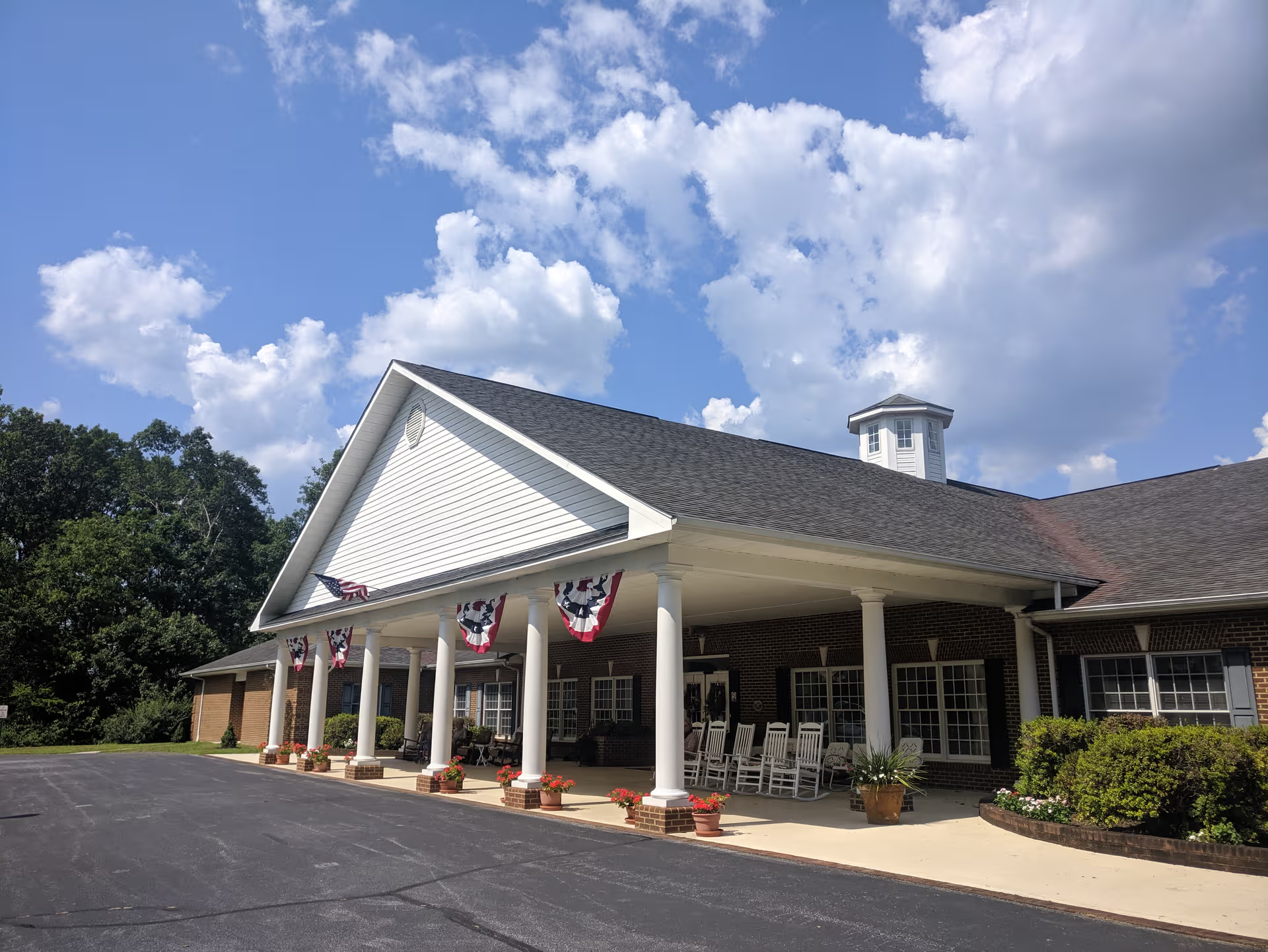
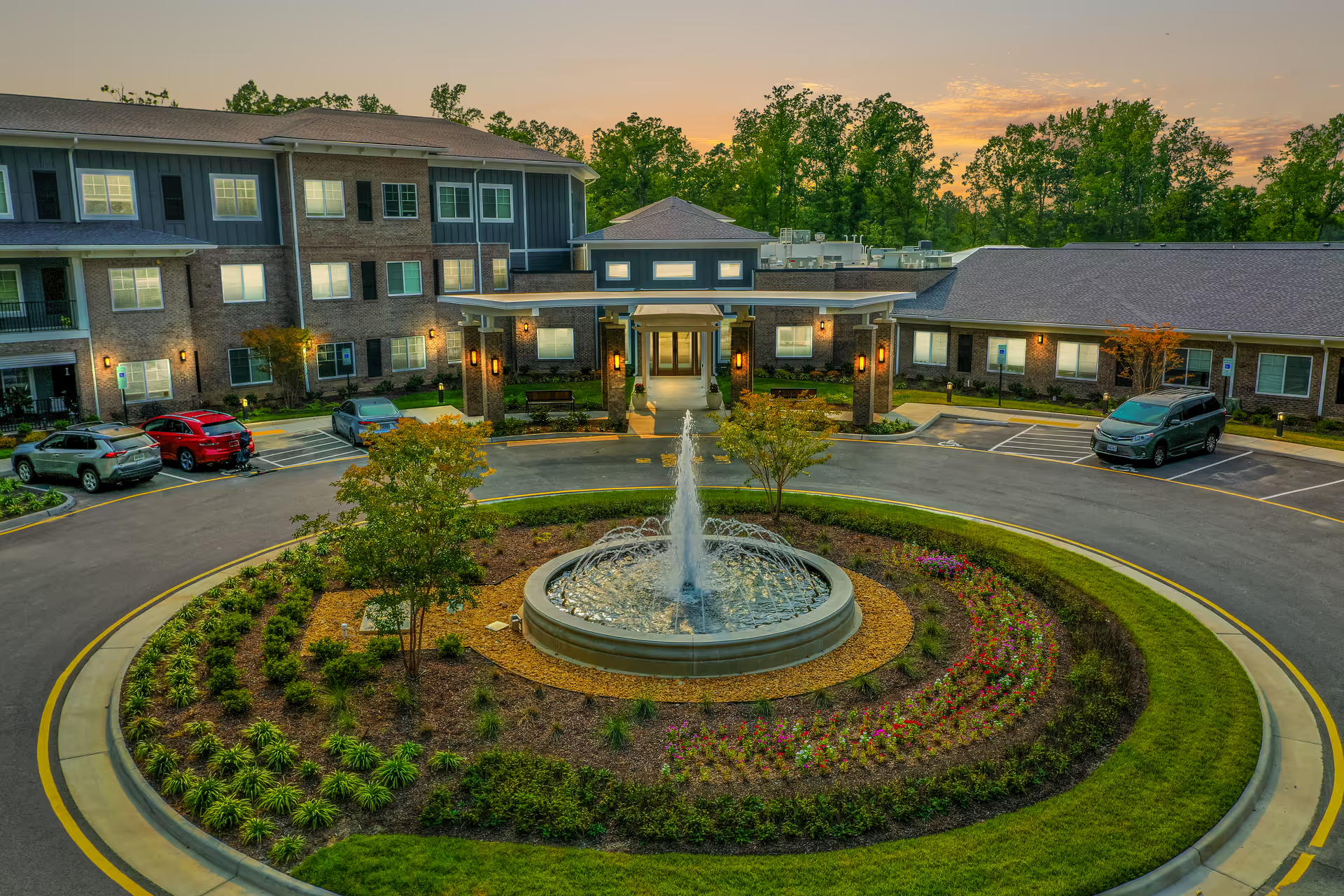
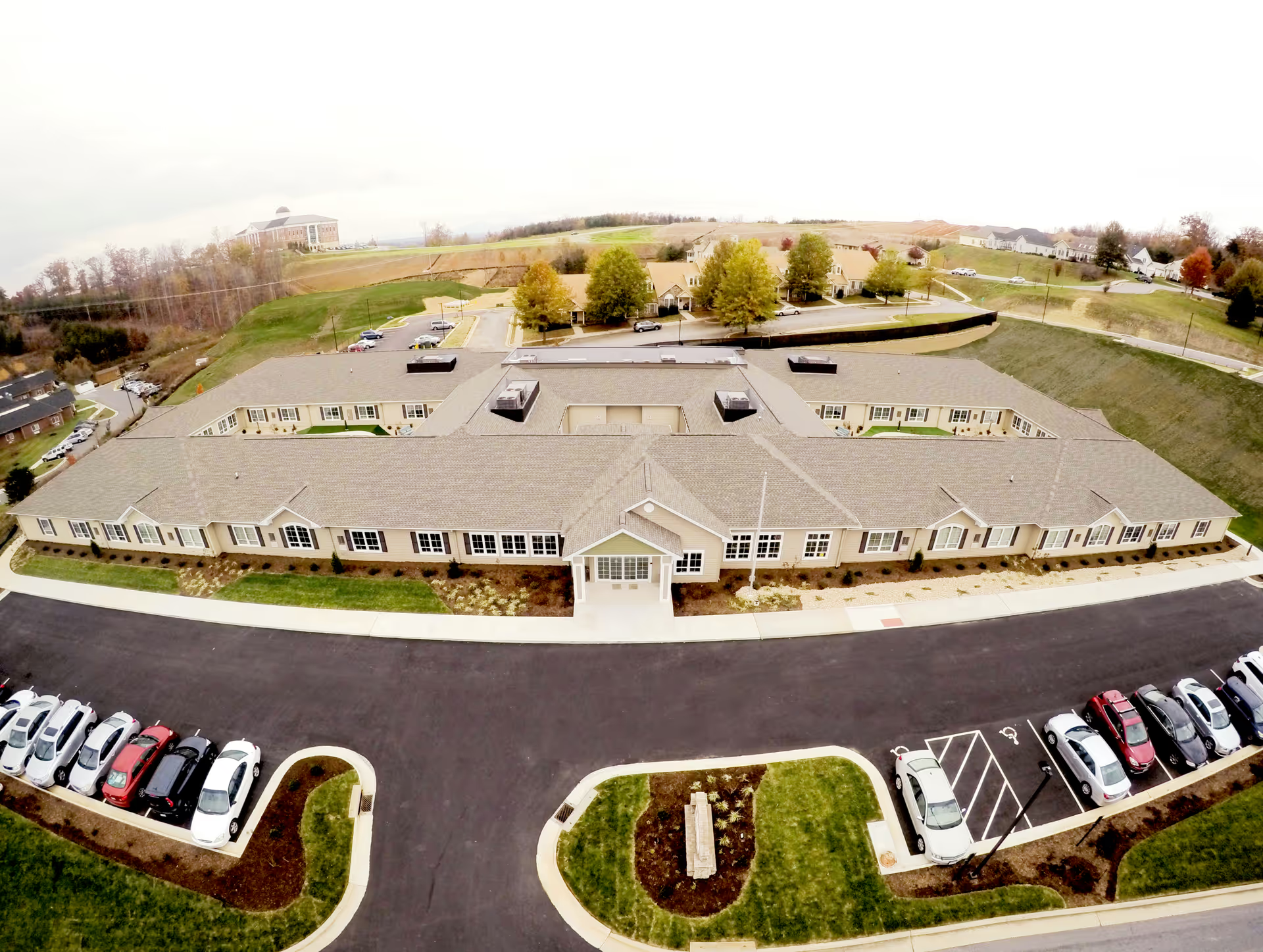
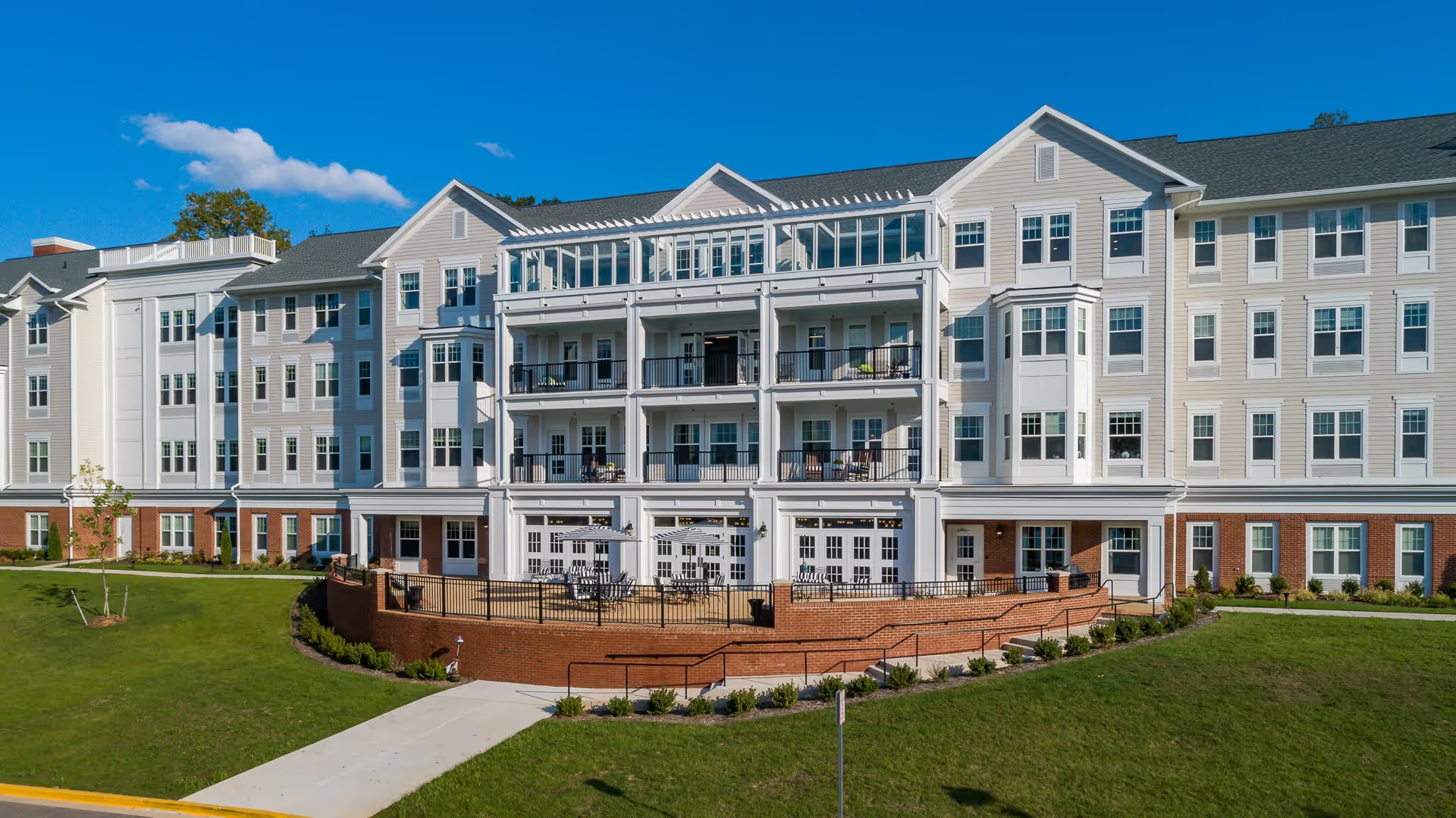
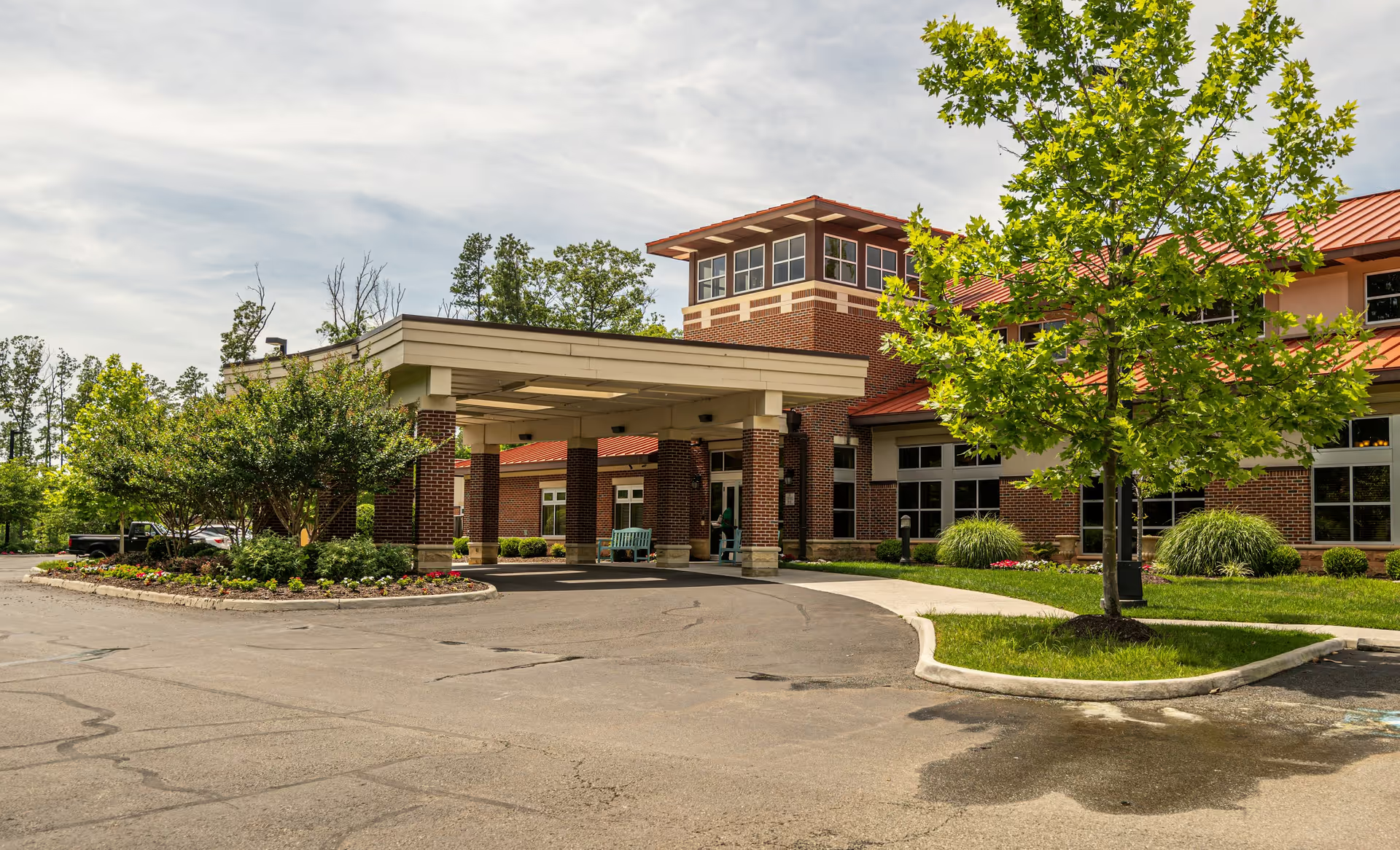
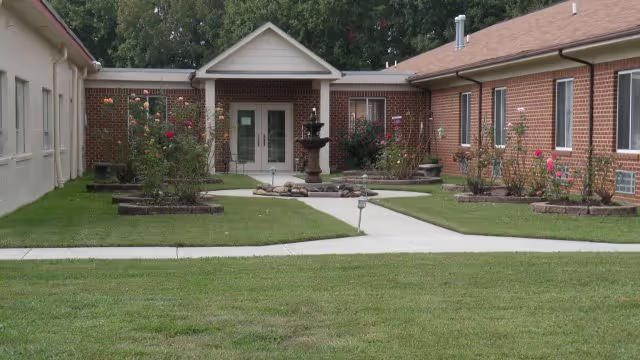
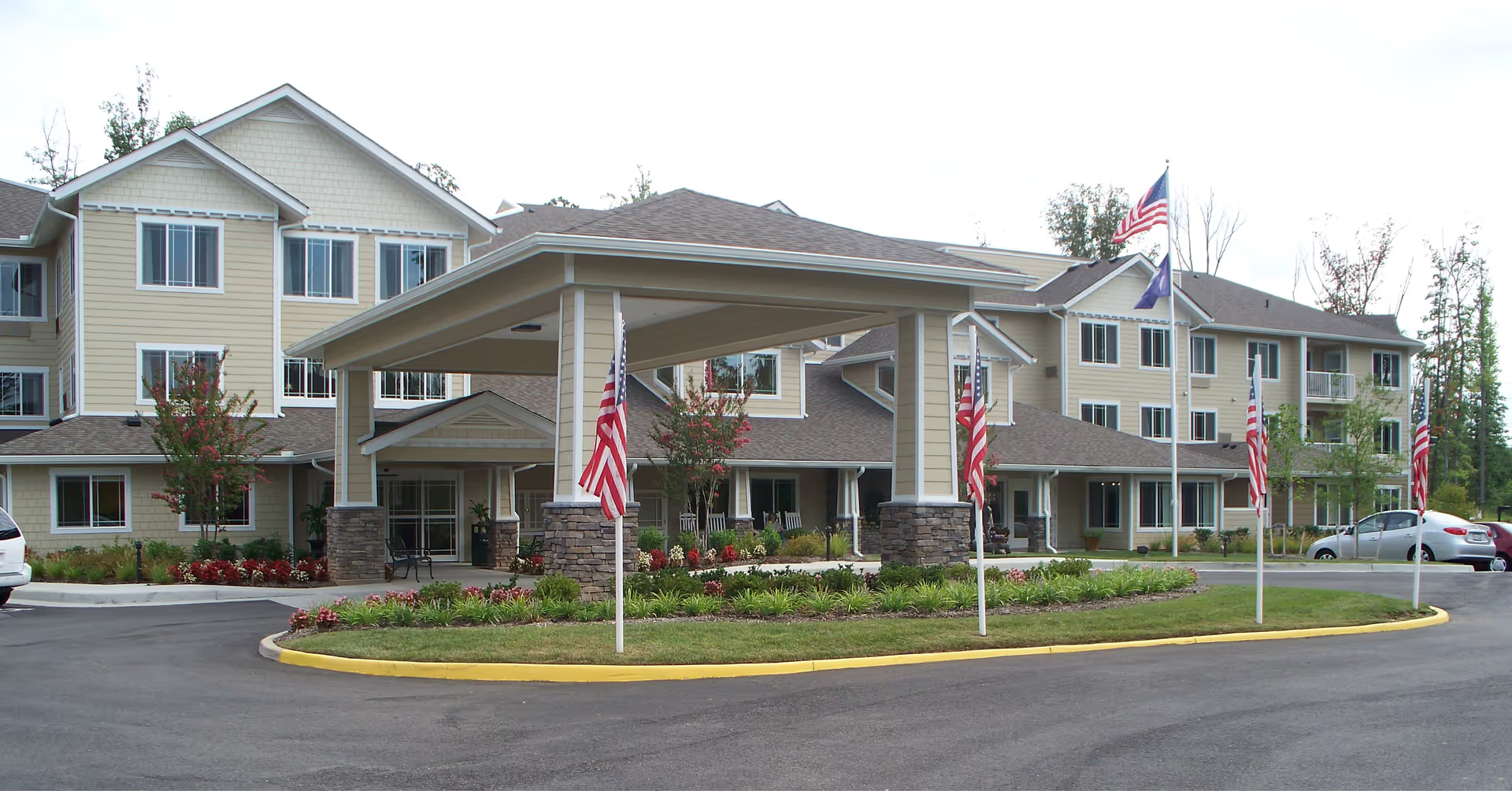
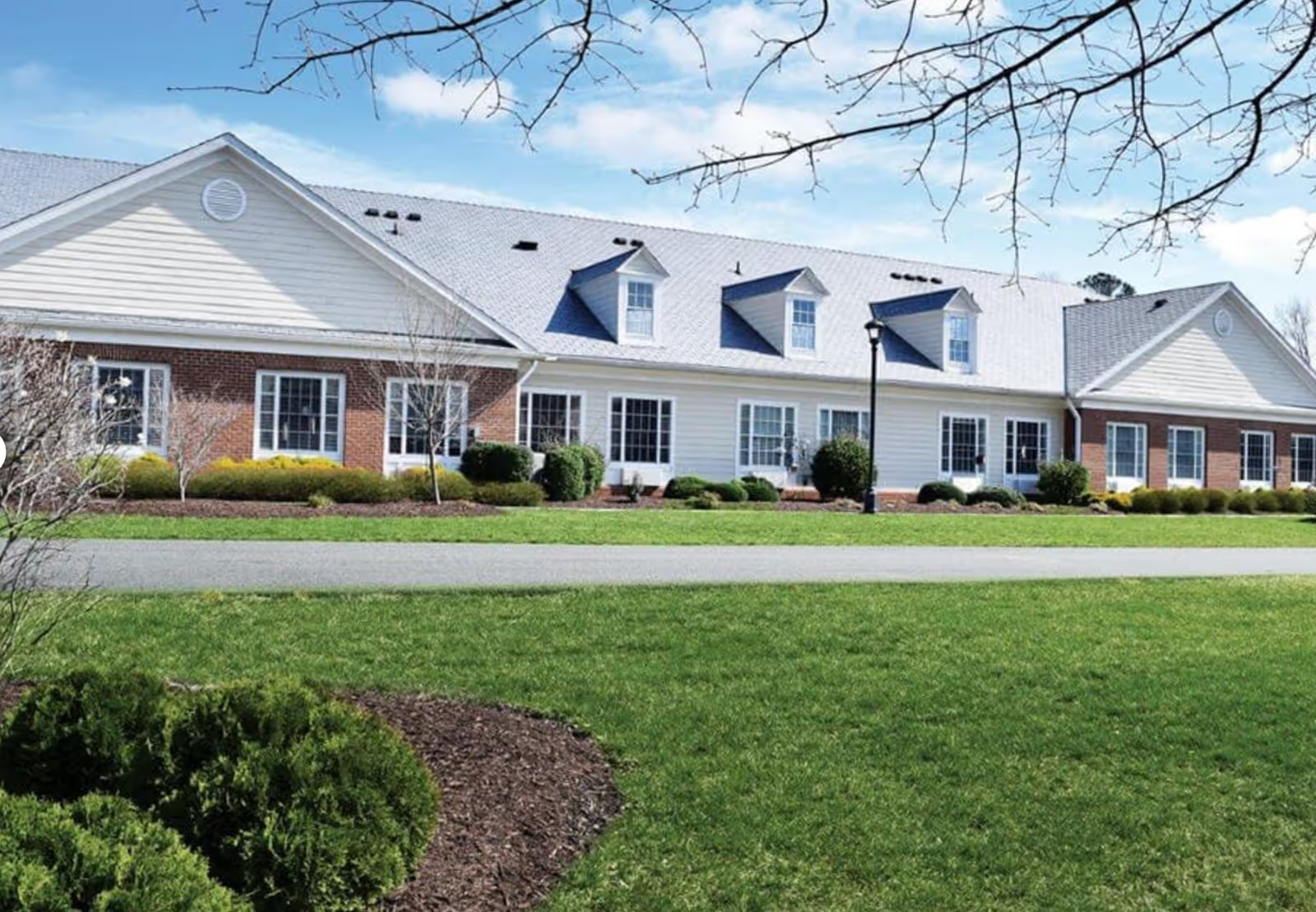
Activities and facilities The campus, grounds, and built environment receive positive comments for cleanliness, layout, and amenities. Apartment-like suites, private baths, and on-site appliances are appealing to residents and families. Recreational programming (water aerobics, group exercise, games, and clergy visits) and social spaces are noted as contributing to a pleasant, restorative environment for many residents. Pool and spa access and well-maintained outdoor spaces are additional positives.
Patterns and considerations for families The overall picture is heterogeneous: strong clinical rehabilitation, caring staff in many areas, and a well-appointed campus coexist with operational weaknesses that can affect day-to-day reliability. Key patterns to explore during a tour or intake include current staffing levels and weekend/night coverage, medication-administration and incident-reporting protocols, special-diet and allergen-handling procedures, laundry and housekeeping policies, and how the facility communicates with families after adverse events. Asking for recent staffing metrics, a sample therapy schedule, and clarification of security/monitoring practices may be useful.
Conclusion The Woodland can offer excellent rehabilitation outcomes, compassionate caregivers, and attractive facilities, but reviewers consistently advise caution regarding operational consistency — particularly staffing, medication timing, dining safety, and housekeeping. Those considering placement should validate current practices in the areas outlined above and observe unit-level differences firsthand, since experiences appear to vary by unit and shift.