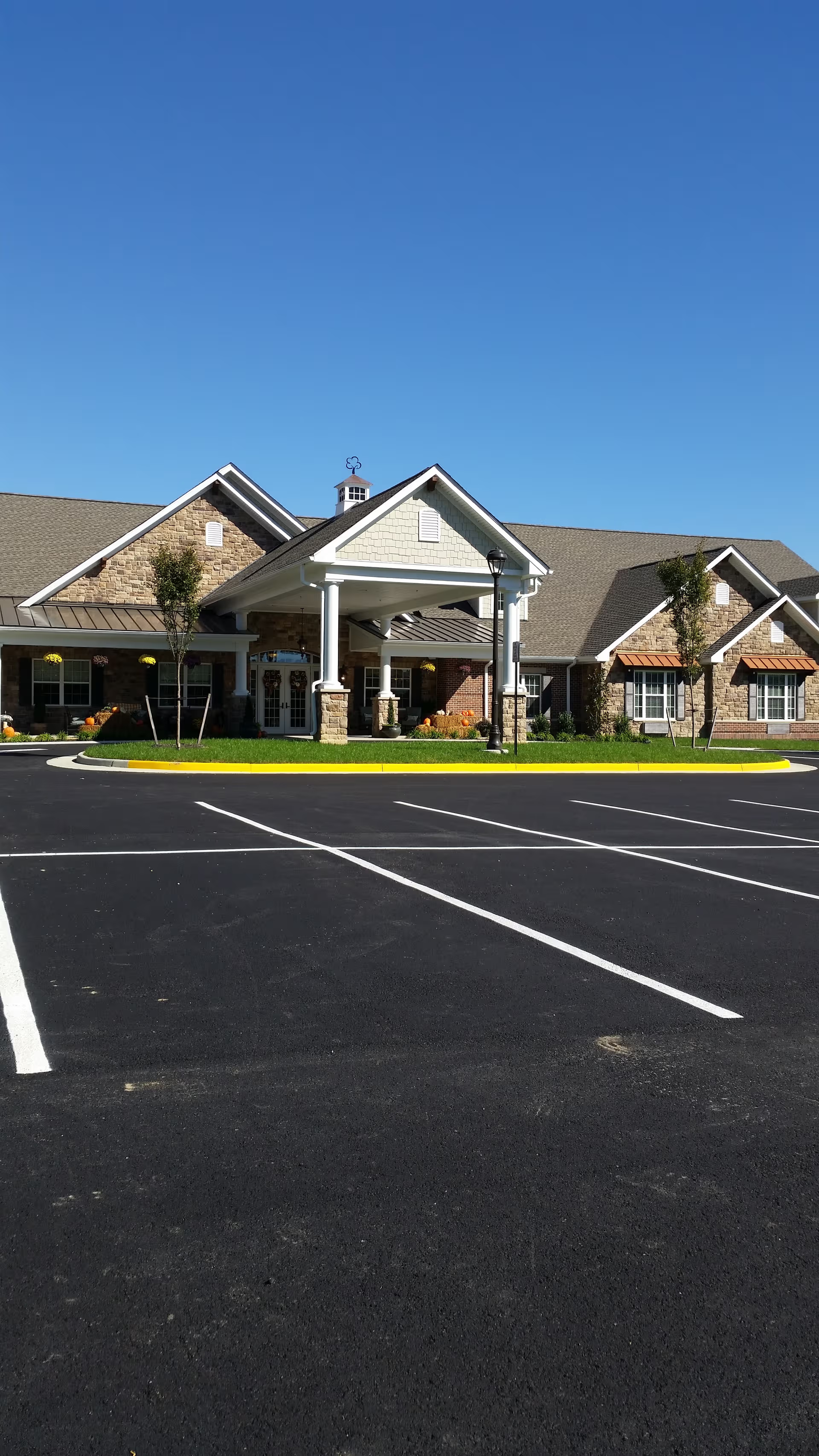
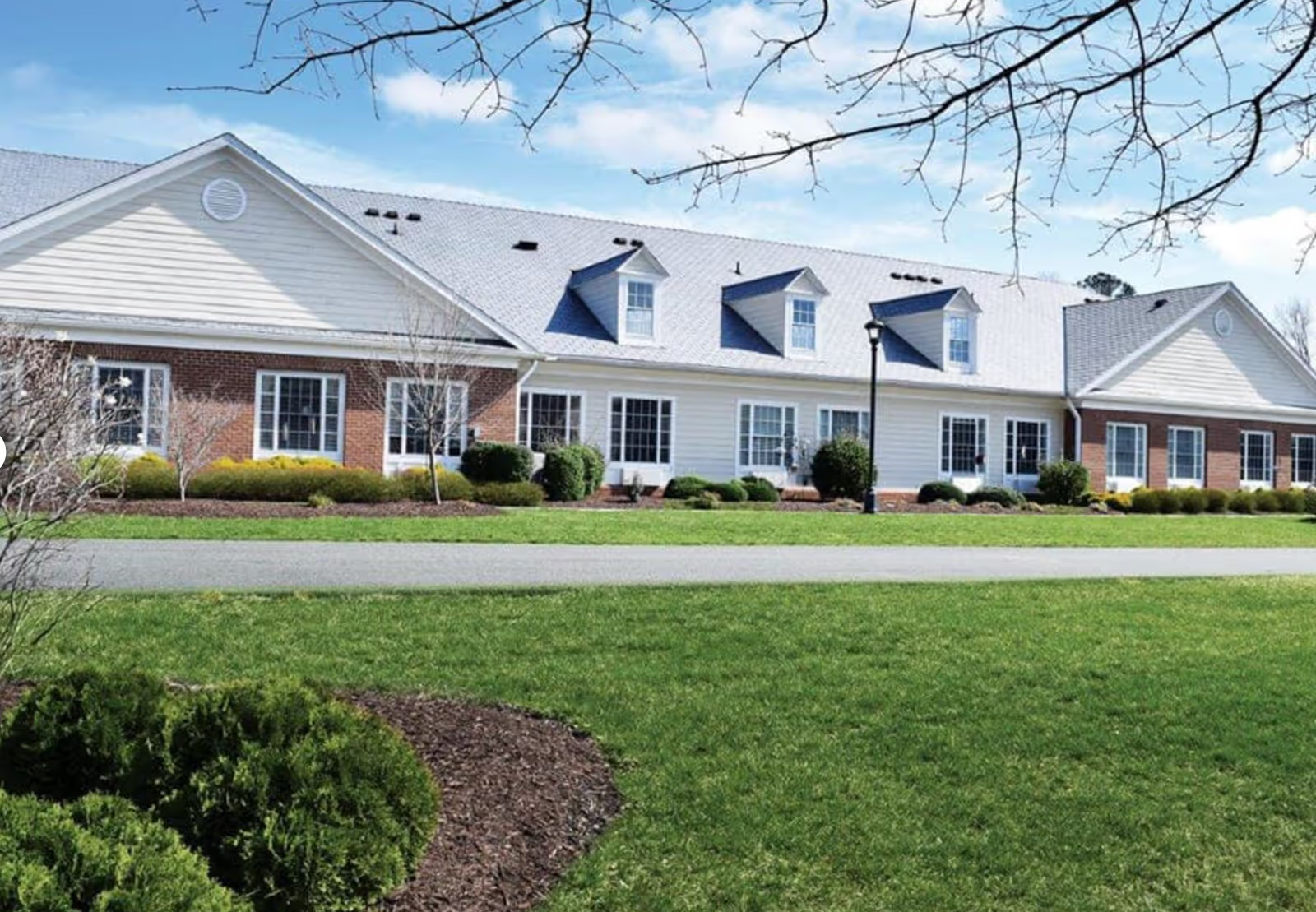
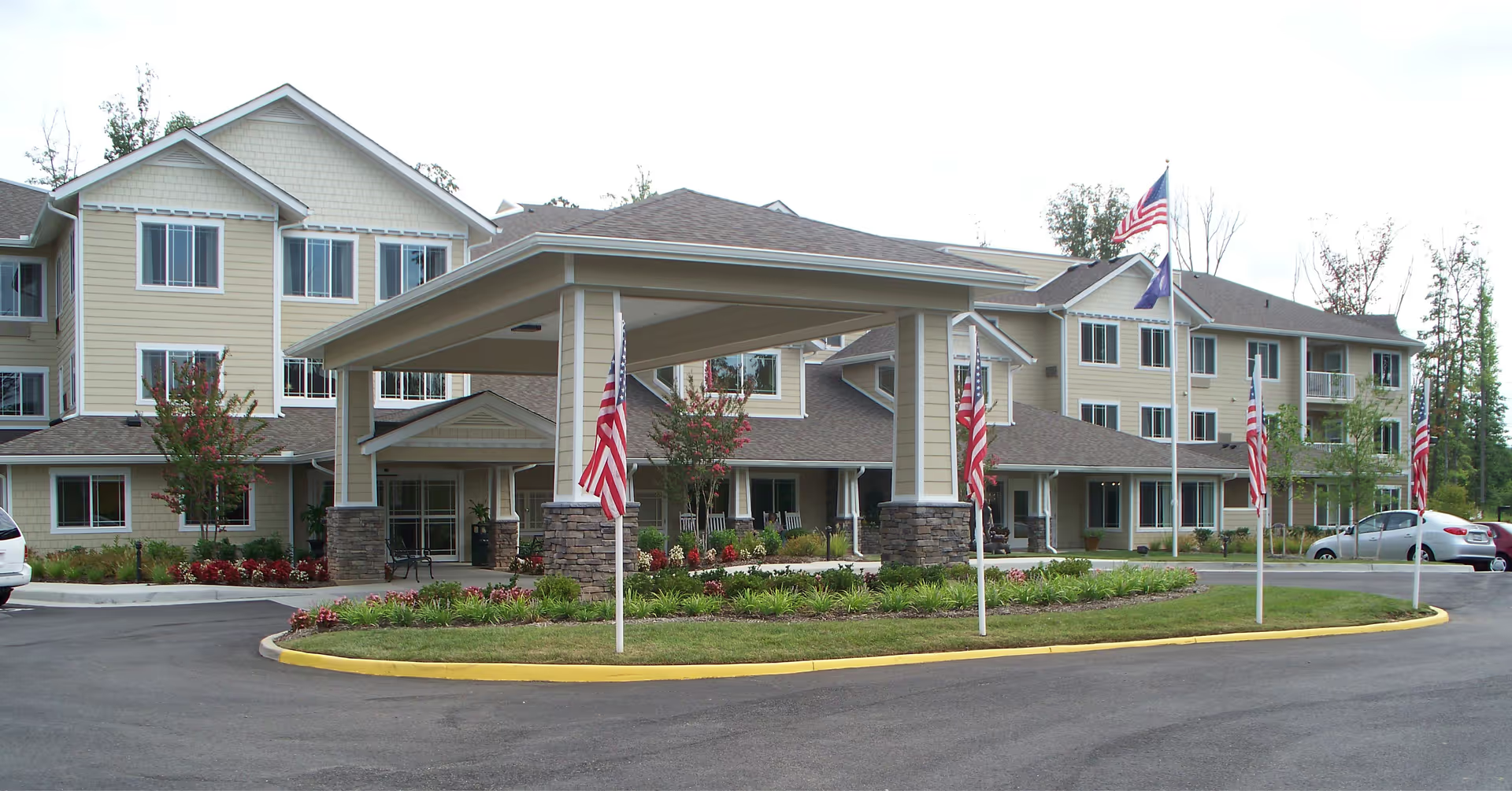
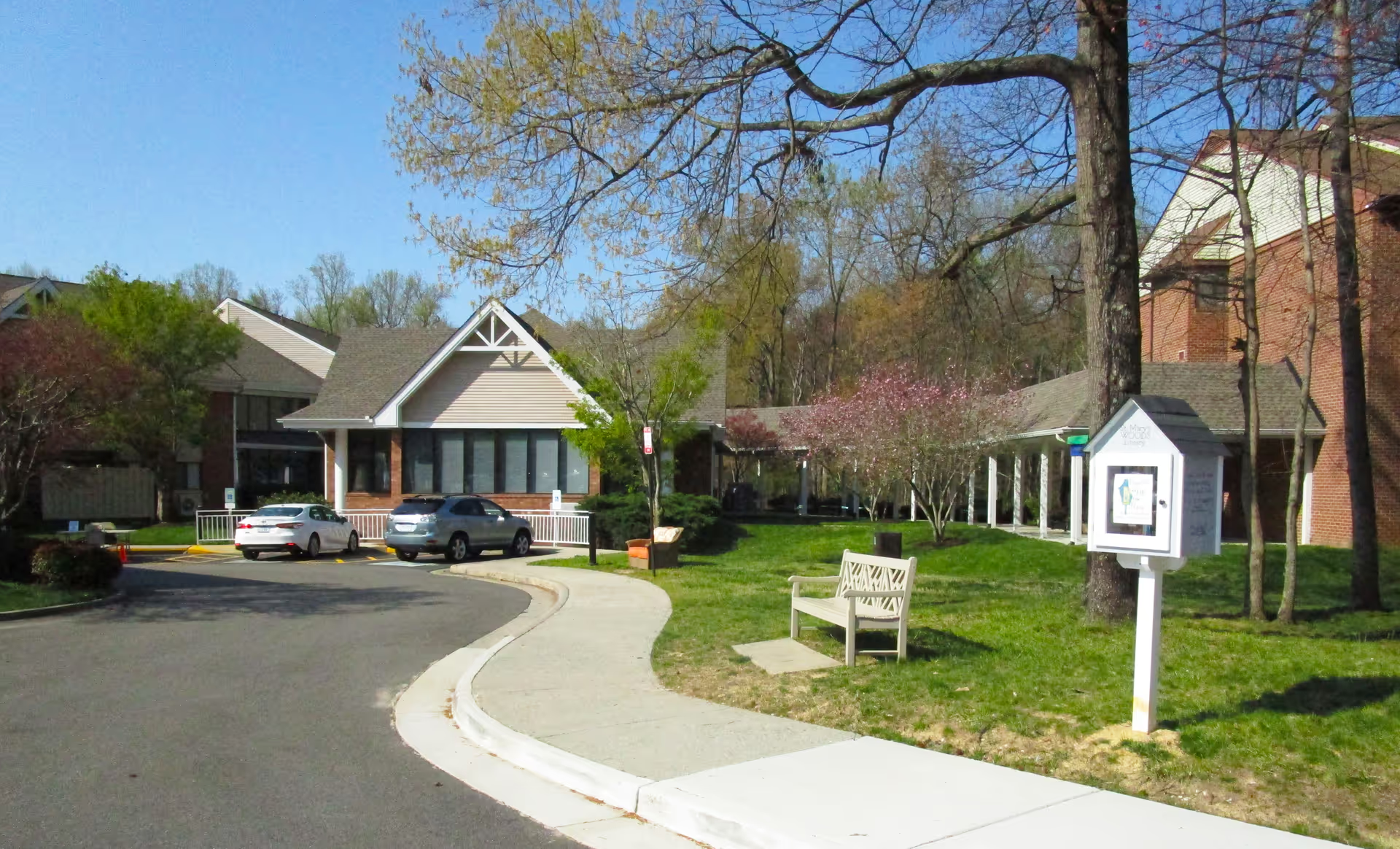
Morningside of Bellgrade elicits a broad mix of positive and negative impressions. Strengths commonly cited include a clean, well-kept interior, personable direct-care staff, and a robust therapy program—physical and occupational therapy are repeatedly identified as standouts. Dining is positioned as a restaurant-style service with menus and a la carte options; many families find the food better than average and appreciate flexible meal times. The community offers a full activities calendar with regular outings, live music, bingo and special events, supported transportation, laundry and salon services, and on-site clinical coverage several days per week, all of which contribute to an engaged, social atmosphere for many residents.
At the same time, reviewers describe substantial variability in daily operations. Staffing levels are inconsistent in several areas, particularly overnight shifts and the memory-care unit, which reviewers link to delayed responses, missed care tasks, and uneven supervision. Housekeeping and laundry follow-through are uneven; while common areas are often described as clean, there are noted sanitation and odor concerns in some hallways and units. Dining execution also varies: the menu and portioning are positives, but delivery and temperature control have been inconsistent for some residents. Therapy and activities are frequently praised, yet the degree to which residents participate or the programs are actively staffed can fluctuate.
Clinical and administrative reliability is an important pattern to highlight. Multiple reviews describe medication-administration problems, early-morning awakenings for medications, and delays or inaccuracies in nursing follow-up. A number of reviewers recount delayed or inadequate attention during clinical incidents (for example after falls), which points to gaps in incident-response protocols and family communication. Administrative issues are another recurring theme: families have experienced billing errors, missing or delayed refunds, inconsistent handling of contracts (including VA paperwork), and uneven responsiveness from management on grievances.
Leadership and staffing stability appear variable over time. Several families compliment specific staff members and leaders for excellent, compassionate care and strong move-in support; others note high turnover, personality or conduct issues among some aides, and perceived management indifference. Memory-care suitability is sometimes called into question for residents with particular dementia-related behaviors; families suggest asking how the community handles behavioral outbursts and staff training in dementia-specific approaches. There are also isolated but serious allegations concerning regulatory and safety compliance that prospective families should investigate directly.
For prospective residents and families: a visit that includes observation of mealtime service, a tour of both assisted-living and memory-care areas, direct questions about staffing ratios (day/night and for memory care), medication administration protocols, housekeeping and laundry schedules, recent inspection reports, and billing/contract procedures is advisable. Ask for names of on-site clinical staff and frequency of visits, and request examples of how the community handles clinical incidents and family communication. Morningside of Bellgrade offers many institutional strengths—therapy services, varied activities, and a welcoming dining model—but consistency in staffing, clinical response, housekeeping, and administrative processes appears to be the key issue that families should evaluate closely during any decision process.